-
 8613931787312
 -
 Botou Industrial Zone on the east side of National Highway 104, Botou City, Hebei Province


Understanding V Bending Machine Technology and Applications in Metal Fabrication
Understanding V Bending Machine Technology
In the realm of metal fabrication, the V bending machine stands as a cornerstone for creating precise and durable sheet metal components. From automotive parts to architectural elements, these machines enable efficient and accurate bending of metal sheets. This article provides an in-depth look into V bending machines, their applications, benefits, types, and key considerations for selecting the right machine for your needs. We’ll explore how advancements in V bending technology are shaping the future of metal fabrication, enhancing productivity, and minimizing waste.
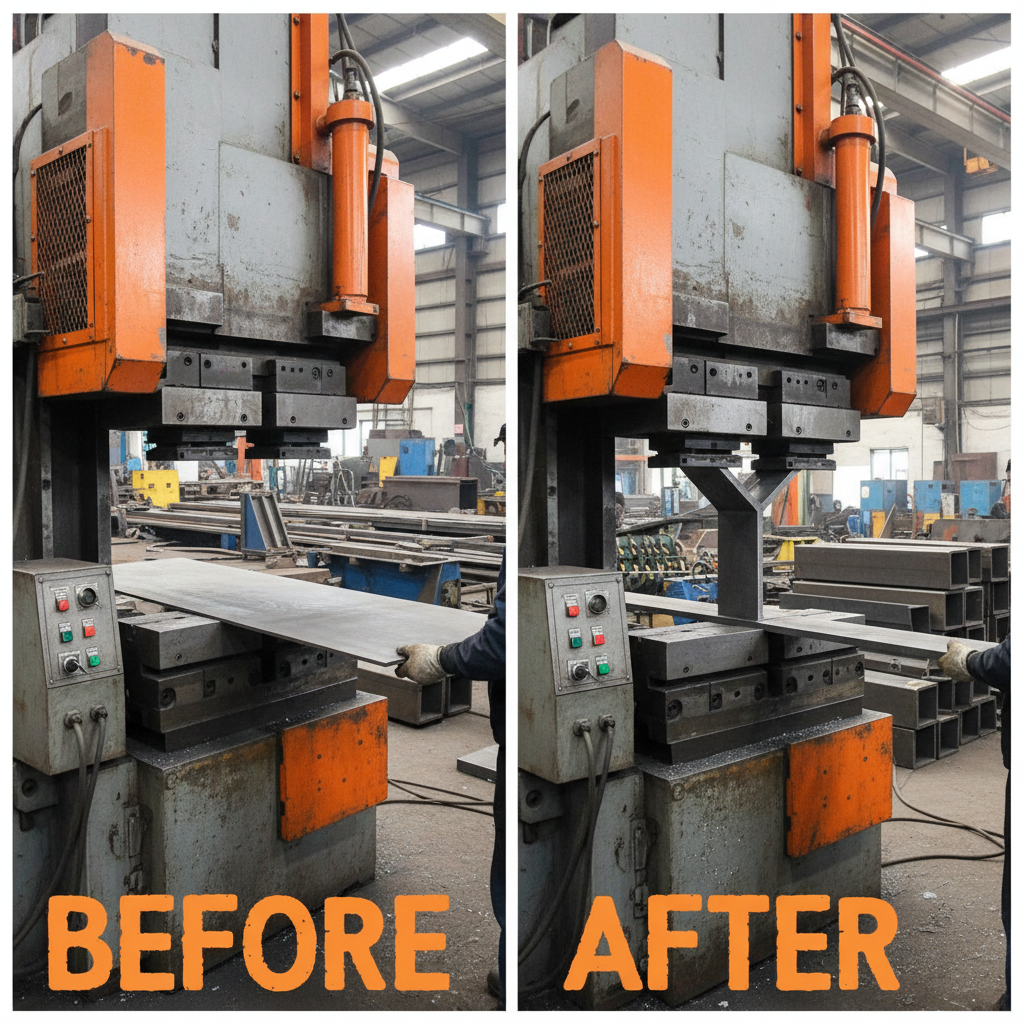
What is a V Bending Machine?
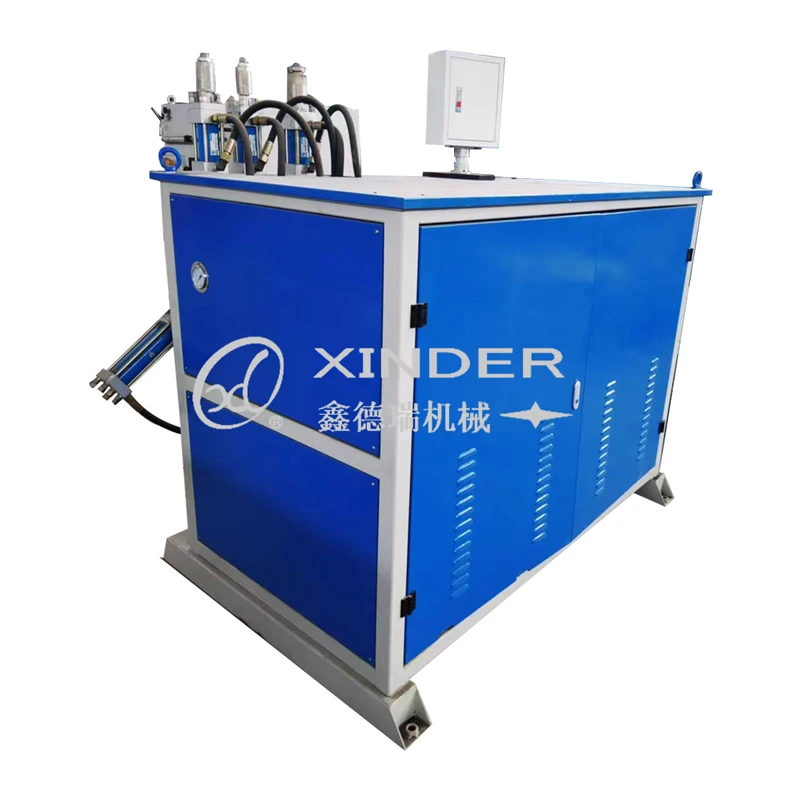
A V bending machine, also known as a press brake, is a specialized machine tool used to bend sheet metal into desired shapes. The machine utilizes a punch and die set – the punch descending into the V-shaped die to apply force and form the metal. These machines are essential for manufacturing a wide array of products, offering precision and repeatability crucial for many industrial applications. XDR Machinery provides a diverse range of V bending machines to meet varying production demands.
Key Benefits: Precision bending, increased productivity, reduced material waste, consistent product quality, and versatility for various metal types and thicknesses.
Types of V Bending Machines
V bending machines come in various configurations, each suited for specific applications and production volumes. The main types include:
- Hydraulic Press Brakes: The most common type, utilizing hydraulic cylinders to generate bending force. They offer high power and precise control.
- Mechanical Press Brakes: Employ a flywheel and clutch mechanism for bending. Known for their speed and efficiency in high-volume production.
- CNC Press Brakes: Computer Numerical Control (CNC) press brakes offer automated operation, pre-programmed bending sequences, and high accuracy.
- Electric Press Brakes: Utilizing servo motors, these machines provide precise control and energy efficiency, often favored for lighter-duty applications.
V Bending Machine Applications
The applications of V bending machines are extensive and span across numerous industries. Key areas where these machines are utilized include:
- Automotive Industry: Manufacturing body panels, brackets, and structural components.
- Aerospace Industry: Producing lightweight and high-strength components for aircraft.
- Construction Industry: Fabricating metal roofing, siding, and structural supports.
- Electronics Industry: Creating enclosures, brackets, and chassis for electronic devices.
- Appliance Manufacturing: Forming metal parts for refrigerators, washing machines, and other appliances.
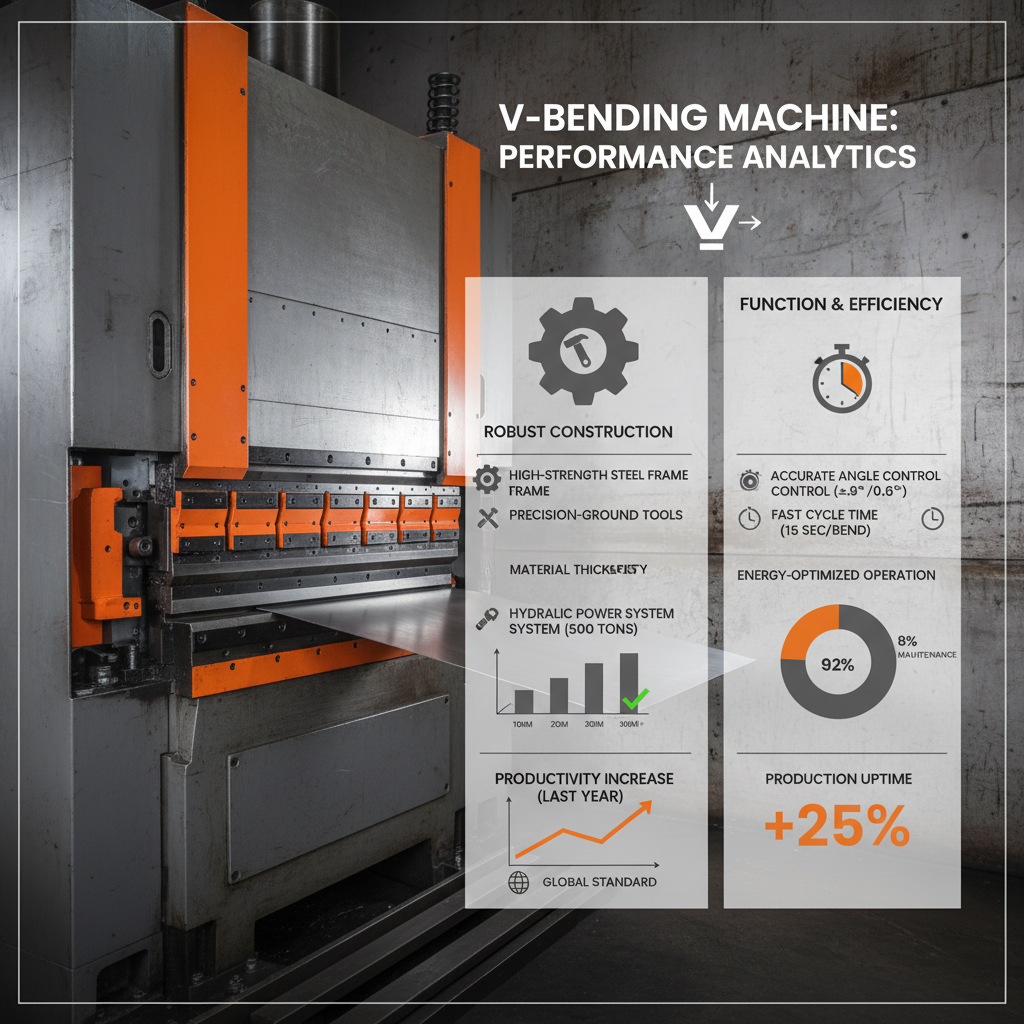
Comparing V Bending Machine Types
Choosing the right type of V bending machine requires careful consideration of your specific needs. Here’s a comparison of key characteristics:
Selecting the Right V Bending Machine: Key Considerations
When investing in a V bending machine, consider the following factors:
- Material Type: Different materials require varying bending forces and tooling.
- Material Thickness: Ensure the machine's capacity can handle the thickness of the sheet metal you'll be working with.
- Part Complexity: Complex parts may require CNC machines for precise and repeatable bends.
- Production Volume: High-volume production often justifies the investment in automated CNC machines.
- Budget: Establish a realistic budget, considering both the initial purchase price and ongoing maintenance costs.
Conclusion: Optimizing Metal Fabrication with V Bending Technology
Investing in the right V bending machine is crucial for maximizing efficiency, precision, and cost-effectiveness in metal fabrication. By carefully evaluating your specific needs and considering the different types and features available, you can select a machine that delivers optimal performance and long-term value. XDR Machinery provides a comprehensive selection of high-quality V bending machines and expert support to help you achieve your fabrication goals.
Frequently Asked Questions (FAQs)
What tooling is required for a V bending machine?
V bending machines require a set of punches and dies, specifically designed for the material type and thickness being bent. The tooling determines the bend angle and radius. It’s essential to have a variety of tooling options to accommodate different projects. Tooling is often sold separately and must be compatible with the specific press brake model. XDR Machinery offers a wide range of tooling options and can advise you on the best selection for your needs.
What safety precautions should be taken when operating a V bending machine?
Safety is paramount when operating a V bending machine. Always wear appropriate personal protective equipment (PPE), including safety glasses, gloves, and safety shoes. Ensure the machine is properly guarded and that all safety devices are functioning correctly. Never reach into the bending area while the machine is in operation. Proper training is essential for all operators, covering machine operation, safety procedures, and emergency shutdown protocols.
How do I determine the correct bending force required for my project?
Calculating the required bending force depends on the material type, thickness, bend radius, and part length. There are formulas and online calculators available to help you estimate the force. It’s crucial to choose a machine with sufficient force capacity to handle your bending requirements without overstressing the machine. Consulting with a machinery expert like XDR Machinery can ensure accurate force calculation and machine selection.
-
Guide to Spartan Steel Bending Machine Price and Cost FactorsNewsApr.16,2026
-
Analyzing the Spartan Bending Machine Price and Buyer GuideNewsApr.09,2026
-
Understanding Small Bending Machine Price and Choosing the Right OptionNewsApr.07,2026
-
Comprehensive Guide to Sheet Metal Bending Machine Price and SelectionNewsApr.04,2026
-
Comprehensive Guide to Roofing Sheet Bending Machine Price and SelectionNewsMar.31,2026
-
Comprehensive Guide to Profile Bending Machine Price and SelectionNewsMar.28,2026
-
Comprehensive Guide to Press Bending Machine Price and Purchasing ConsiderationsNewsMar.26,2026
-
 Pneumatic Handle Welding MachineSep . 13, 2024
 -
 Fully Automatic Kaiping Production LineOct . 17, 2024
 -
 Fully Automatic Metal Bucket Lifting HeadphonesSep . 14, 2024