-
 8613931787312
 -
 Botou Industrial Zone on the east side of National Highway 104, Botou City, Hebei Province


Comprehensive Guide to Channel Bending Machine Price and Selection
Understanding the Channel Bending Machine Price: A Comprehensive Guide
Investing in a channel bending machine is a significant decision for any metal fabrication business. Understanding the channel bending machine price, along with the factors that influence it, is crucial for making an informed choice. This article provides a detailed overview of channel bending machines, explores the cost considerations, highlights key features, and helps you determine the right machine for your specific needs. From small workshops to large-scale industrial operations, we'll cover everything you need to know to navigate the market and secure a valuable asset for your business.
What is a Channel Bending Machine?
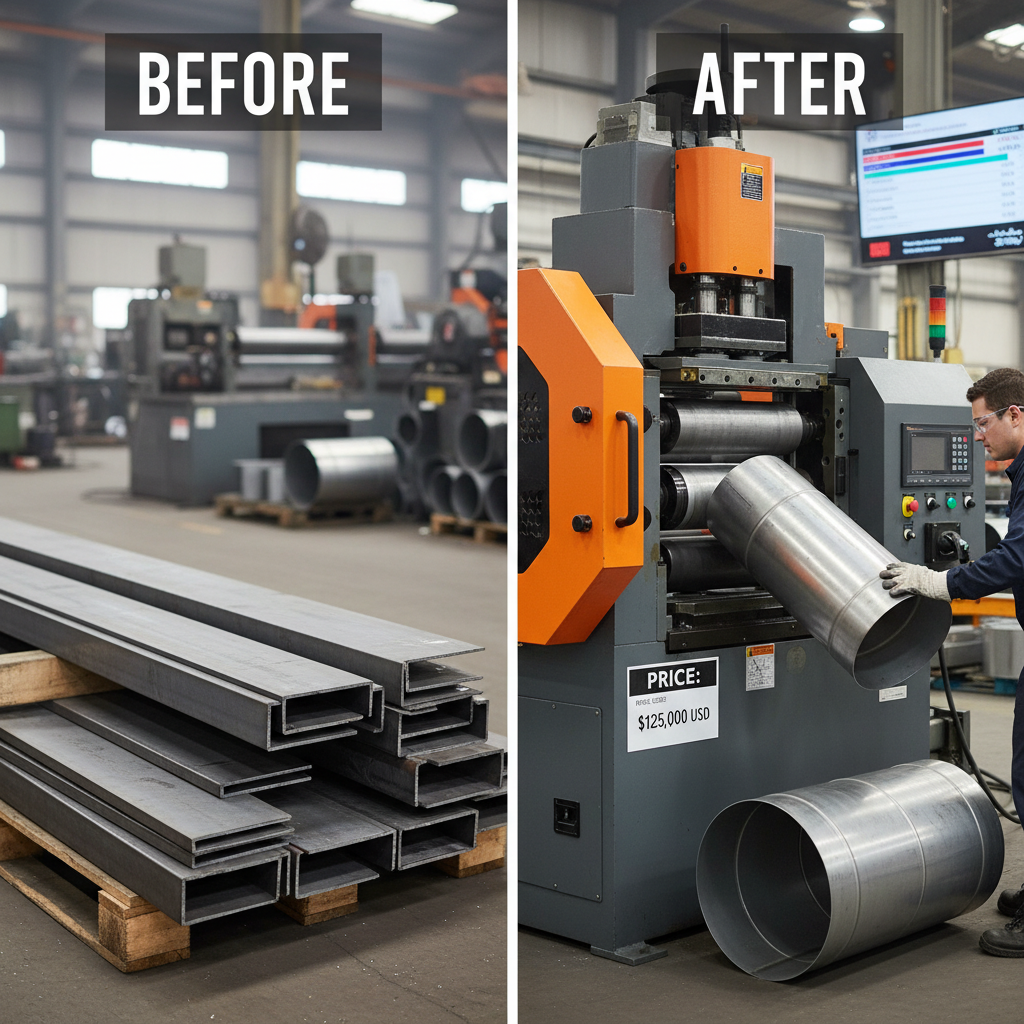
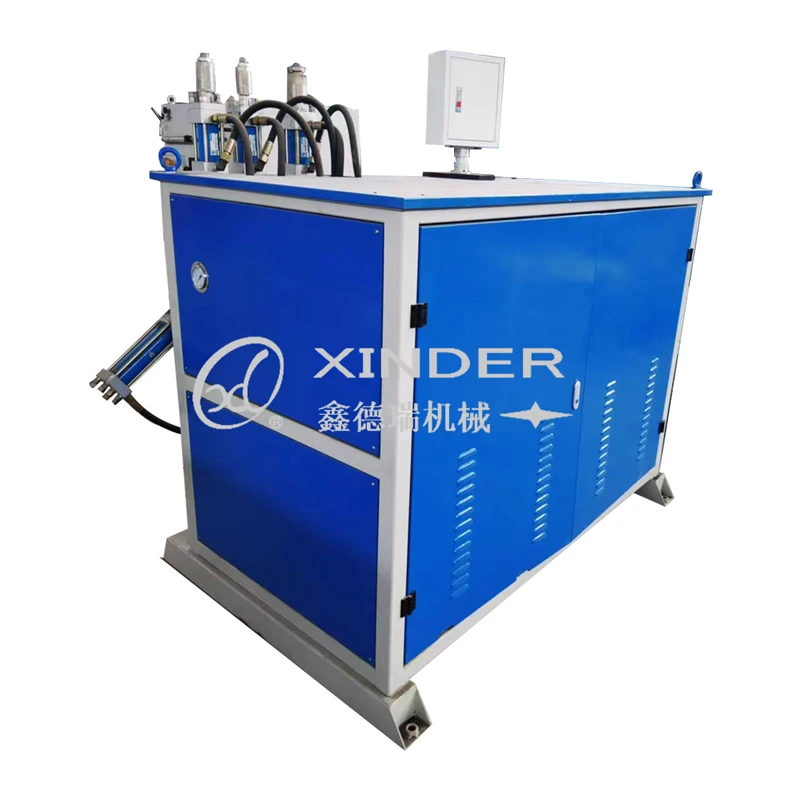
A channel bending machine, also known as a profile bending machine, is a specialized piece of equipment used to accurately and efficiently bend steel channels into various angles and shapes. These machines are essential for industries such as construction, shipbuilding, bridge building, and general metal fabrication where curved channel sections are required. Unlike traditional methods that rely on manual labor and potentially inconsistent results, channel bending machines provide precision, repeatability, and increased productivity. They come in a range of sizes and configurations, from small, portable models to large, industrial-grade machines capable of handling heavy-duty applications.
Factors Influencing Channel Bending Machine Price
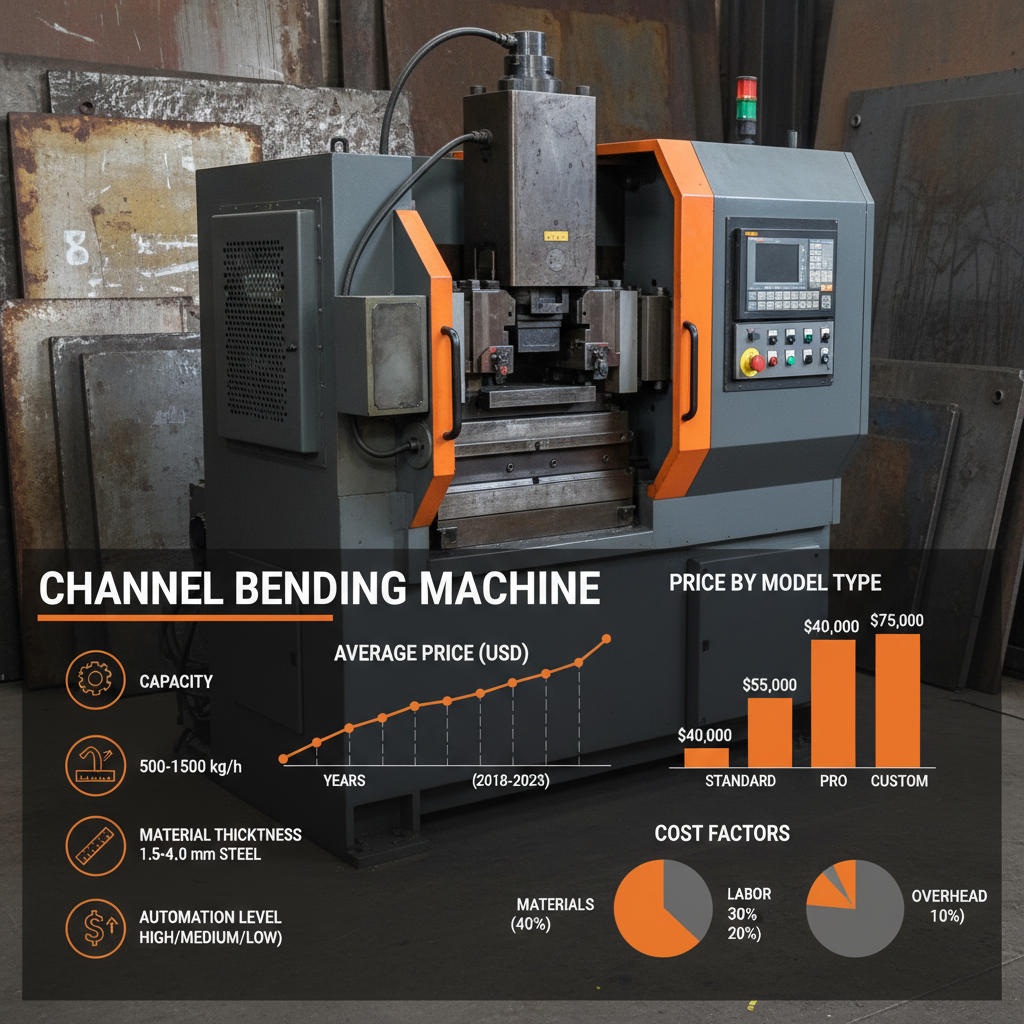
The channel bending machine price can vary significantly based on several factors. Understanding these will help you assess value and make a sound investment. Key influencers include:
- Machine Capacity: Machines capable of bending larger channels and thicker materials will naturally be more expensive.
- Automation Level: Fully automatic machines with CNC control systems command higher prices than manually operated or semi-automatic models.
- Brand Reputation: Established manufacturers with a proven track record of quality and reliability typically charge a premium.
- Features & Accessories: Additional features such as adjustable bending rollers, digital angle displays, and custom tooling will increase the overall cost.
- Country of Origin: Manufacturing costs vary, impacting the final price.
Types of Channel Bending Machines and Their Price Ranges
Channel bending machines come in several types, each suited for different applications and budgets. Here’s an overview of common types and their typical price ranges (Note: Prices are approximate and can vary):
Key Features to Consider When Evaluating a Machine
When choosing a channel bending machine, consider these features:
- Bending Capacity: Maximum channel size and thickness the machine can handle.
- Bending Radius: Minimum bending radius achievable for different channel profiles.
- Control System: Manual, semi-automatic, or CNC – determines the level of automation and precision.
- Tooling: Availability and cost of tooling for different channel sizes and shapes.
- Material Compatibility: Ensure the machine can handle the types of steel you work with.
- Safety Features: Emergency stop buttons, safety guards, and other safety mechanisms.
Why Choose XDR Machinery for Your Channel Bending Needs?
XDR Machinery offers a comprehensive range of high-quality channel bending machines designed to meet diverse industrial requirements. We are committed to providing reliable equipment, competitive pricing, and excellent customer support. Our machines feature robust construction, precise controls, and advanced safety features, ensuring efficient and safe operation. Whether you need a manual machine for small projects or a fully automatic CNC machine for large-scale production, XDR Machinery has a solution for you.
Conclusion: Investing in the Right Channel Bending Machine
Choosing the right channel bending machine requires careful consideration of your specific needs, budget, and production volume. By understanding the factors that influence the channel bending machine price and evaluating different options, you can make a smart investment that will enhance your productivity, improve accuracy, and contribute to the success of your business. XDR Machinery is dedicated to providing innovative and reliable solutions to meet your metal fabrication needs.
Frequently Asked Questions (FAQs)
What are the maintenance requirements for a channel bending machine?
Regular maintenance is crucial for ensuring the longevity and optimal performance of your channel bending machine. This includes lubricating moving parts, inspecting for wear and tear, and cleaning the machine regularly. Checking and tightening bolts, inspecting the hydraulic system (if applicable), and ensuring proper electrical connections are also essential. Refer to the manufacturer's manual for specific maintenance schedules and recommendations. Neglecting maintenance can lead to costly repairs and downtime.
What types of materials can be bent with a channel bending machine?
Most channel bending machines are designed to work with carbon steel, stainless steel, and aluminum. However, the specific material compatibility depends on the machine's capacity and tooling. It's important to verify that the machine can handle the type and thickness of material you intend to use. Using the wrong tooling or exceeding the machine's capacity can cause damage to both the machine and the material.
What safety precautions should be taken when operating a channel bending machine?
Safety is paramount when operating a channel bending machine. Always wear appropriate personal protective equipment (PPE), including safety glasses, gloves, and steel-toe boots. Ensure the machine is properly grounded and that all safety guards are in place. Never operate the machine without proper training. Be aware of pinch points and moving parts, and never reach into the bending area while the machine is in operation. Always use the emergency stop button if a hazardous situation arises.
-
Guide to Spartan Steel Bending Machine Price and Cost FactorsNewsApr.16,2026
-
Analyzing the Spartan Bending Machine Price and Buyer GuideNewsApr.09,2026
-
Understanding Small Bending Machine Price and Choosing the Right OptionNewsApr.07,2026
-
Comprehensive Guide to Sheet Metal Bending Machine Price and SelectionNewsApr.04,2026
-
Comprehensive Guide to Roofing Sheet Bending Machine Price and SelectionNewsMar.31,2026
-
Comprehensive Guide to Profile Bending Machine Price and SelectionNewsMar.28,2026
-
Comprehensive Guide to Press Bending Machine Price and Purchasing ConsiderationsNewsMar.26,2026
-
 Pneumatic Handle Welding MachineSep . 13, 2024
 -
 Fully Automatic Kaiping Production LineOct . 17, 2024
 -
 Fully Automatic Metal Bucket Lifting HeadphonesSep . 14, 2024