-
 8613931787312
 -
 Botou Industrial Zone on the east side of National Highway 104, Botou City, Hebei Province


Understanding Bending and Folding Machines: Global Impact and Industry Advances
bending and folding machine: Transforming Industry and Innovation Globally
When you hear the term bending and folding machine, you might picture giant robotic arms contorting metal sheets in automotive factories. But these versatile machines are so much more – they’re quietly at the heart of countless industries shaping our modern world. From manufacturing to humanitarian supply chains, understanding how bending and folding equipment works and why it’s vital can actually reveal a lot about global efficiency and innovation today.
Why It Matters Globally
According to the International Organization for Standardization (ISO), manufacturing accounts for roughly 17% of global GDP, and much of that involves metal forming processes. The capability to rapidly and efficiently shape, bend, and fold materials directly impacts productivity, waste reduction, and supply chain resilience worldwide. For example, in fast-paced automotive assembly lines, a reliable bending machine affects output and costs daily.
But here’s an interesting twist: these machines also enter emergency relief operations where light, foldable structures are needed fast during crises. So they are not just about boosting industry; they aid humanitarian needs by creating adaptable supplies in challenging scenarios.
What Is a Bending and Folding Machine?
In the simplest terms, a bending and folding machine is a type of equipment designed to deform sheet materials — usually metal or plastic — by applying pressure until the material bends along a straight axis or folds at specific points. The mechanism might be hydraulic, mechanical, or a hybrid, depending on the model and use-case.
These machines have evolved from manual tools to sophisticated systems integrated with computer controls (like CNC), enabling precision and automation. This evolution aligns perfectly with the demands of modern manufacturing and even rapid-deployment needs in remote or disaster-stricken zones.
Core Components and Features
1. Durability
At their core, bending and folding machines are built to last. They must withstand constant high-pressure use, often in industrial or harsh environments. Materials and build quality are crucial – many use high-grade steel frames and components to prevent deformation or failure over time.
2. Scalability
From small-scale workshops to heavy industry, these machines scale in size and power. Some handle thin sheets of aluminum for consumer electronics; others fold thick steel plates for shipbuilding. Choosing the right scale ensures efficiency without over-investment.
3. Cost Efficiency
Speed and precision reduce material waste and rework. Machines with automated programming can replicate complex bends consistently, cutting down on human error. Over time, this saves manufacturers substantial operating costs.
4. Flexibility
Many modern bending and folding machines accommodate different materials and thicknesses, with adjustable dies and tooling. This versatility allows one machine to serve multiple functions, a real boon in dynamic production settings.
5. User-Friendliness
Advancements in interfaces and software have made it easier for operators without extensive training to run these machines safely and efficiently. Sensor systems now often help detect issues before damage or accidents occur.
Product Specification: Typical Bending and Folding Machine
| Spec | Description |
|---|---|
| Max Bending Length | 2500 mm (98 inches) |
| Max Bending Thickness | 12 mm (steel) |
| Type | Hydraulic CNC |
| Power Consumption | 5 kW |
| Repeatability | ±0.01 mm |
| Weight | 4000 kg |
Global Applications & Use Cases
- Automotive Industry: Structurally critical parts like chassis and body panels require exact bending specifications, relying on these machines for mass production.
- Construction & Architecture: Folding metal sheets into facades and roofing components is impossible without precision equipment.
- Disaster Relief: Folding machines help create rapidly deployable shelters or containers, often shipping flat for easier transport.
- Renewable Energy: Manufacturers of solar panel frames and wind turbine components shape metal parts with bending machines.
Oddly enough, the humanitarian sector has increasingly depended on these technologies. You can think of relief operations in post-earthquake zones where quickly assembled, sturdy shelters save lives—these machines make the difference between bulky cargo and packs that fold flat and snap open instantly.
Vendor Comparison: Top Bending and Folding Machine Manufacturers
| Feature | XDR Machinery | FlexiBend Tech | ProFold Systems |
|---|---|---|---|
| Max Material Thickness | 12 mm | 15 mm | 10 mm |
| Automation | Full CNC | Partial CNC | Manual controls + CNC |
| Typical Lead Time | 6 weeks | 8 weeks | 4 weeks |
| Price Range | $$$ | $$$$ | $$ |
| Customer Support | 24/7 Global | Business hours regional | Limited |
Advantages & Long-Term Value
The long-term value of investing in quality bending and folding machinery is significant. First, they reduce waste – precision means fewer scrap parts, which is both cost-effective and environmentally responsible. Secondly, reliability translates to less downtime, increasing overall throughput.
But beyond dollars, the social impact is real. Imagine workers feeling safer with machines designed to reduce accidents or the dignity of communities receiving well-made temporary shelters. There’s a trust factor when a company’s equipment performs consistently – it builds better relationships across supply chains.
Emerging Trends & Innovations
Looking ahead, a few trends stand out. Integration of Artificial Intelligence (AI) is helping with predictive maintenance, reducing unexpected breakdowns. Additive manufacturing technologies sometimes combine with folding machines to create hybrid components. Meanwhile, the use of greener hydraulic fluids and energy recovery systems aligns with sustainability goals.
Digitization, including IoT connectivity, means operators can now monitor machine health remotely and optimize workflows. It’s fascinating to see an industry that once seemed strictly mechanical embracing these smart technologies.
Challenges & Solutions
Yet, challenges remain. High initial costs can deter smaller businesses, and lack of skilled operators can hamper adoption. Also, some materials pose difficulties — very thick or composite sheets require specialized tooling.
Experts suggest modular machine designs and accessible training programs are helping. Leasing or rental options also ease upfront investment, making advanced equipment more attainable.
FAQ: Frequently Asked Questions About Bending and Folding Machines
- Q: What material thickness can typical bending machines handle?
- A: Most standard models manage materials up to about 12-15 mm steel thickness, though specialized machines can handle thicker metals. Your choice depends on your application needs.
- Q: How precise are modern bending and folding machines?
- A: Precision varies, but modern CNC machines can repeat bends within ±0.01 mm, reducing errors and material waste significantly.
- Q: Can bending and folding machines handle different materials?
- A: Yes, many machines support metals (steel, aluminum), plastics, and composites by using adjustable tooling and settings tailored to material properties.
- Q: Are these machines energy efficient?
- A: Newer models use hydraulics more efficiently and incorporate energy recovery features, lowering power consumption compared to older equipment.
- Q: How do I choose the right machine for my business?
- A: Assess your production volume, material types, precision needs, and budget. Consulting manufacturers like bending and folding machine vendors can help find tailored solutions.
Conclusion: The Long-Term Impact of Bending and Folding Machines
Frankly, bending and folding machines are unsung heroes in the global industrial landscape. From speeding production and cutting waste to enabling rapid humanitarian response, their role is wide-ranging and genuinely critical. As technologies evolve, these machines will not only become smarter but also greener and even more adaptable to the needs of tomorrow.
Considering adding or upgrading equipment? Don’t hesitate to explore trusted providers like bending and folding machine manufacturers who combine experience with innovation to deliver durable, efficient solutions.
After all, in real terms, it’s about shaping the future – literally.
Mini takeaway: Embracing modern bending and folding machines can revolutionize manufacturing efficiency and humanitarian logistics with precision, flexibility, and sustainability.
References:
1. International Organization for Standardization (ISO), ISO 9001 Quality Management
2. United Nations Industrial Development Organization (UNIDO), Industrial Statistics
3. National Institute of Standards and Technology (NIST), Sheet Metal Forming Guidelines
-
Guide to Spartan Steel Bending Machine Price and Cost FactorsNewsApr.16,2026
-
Analyzing the Spartan Bending Machine Price and Buyer GuideNewsApr.09,2026
-
Understanding Small Bending Machine Price and Choosing the Right OptionNewsApr.07,2026
-
Comprehensive Guide to Sheet Metal Bending Machine Price and SelectionNewsApr.04,2026
-
Comprehensive Guide to Roofing Sheet Bending Machine Price and SelectionNewsMar.31,2026
-
Comprehensive Guide to Profile Bending Machine Price and SelectionNewsMar.28,2026
-
Comprehensive Guide to Press Bending Machine Price and Purchasing ConsiderationsNewsMar.26,2026
-
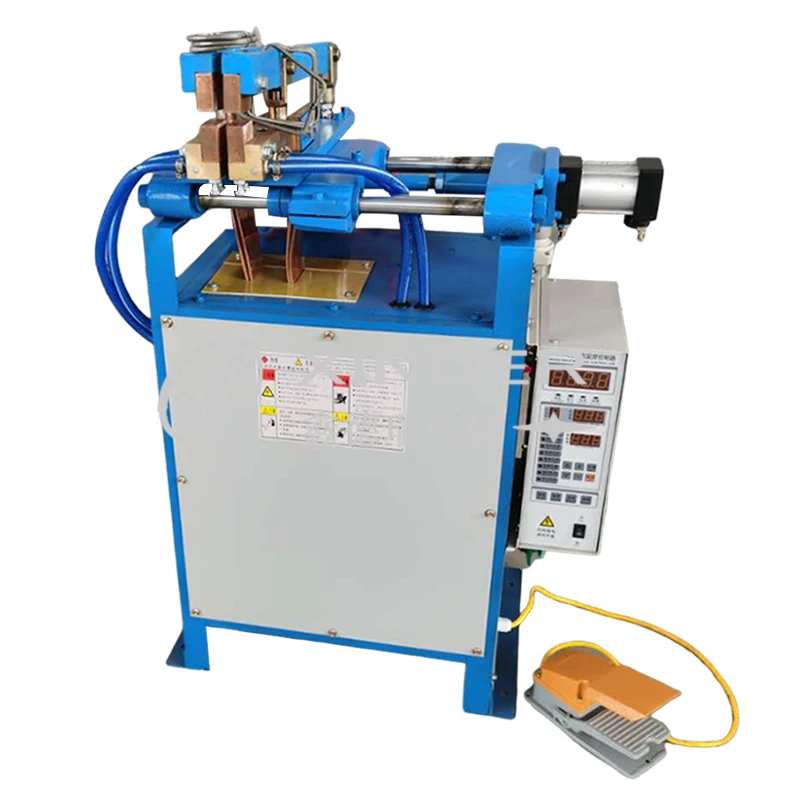 Pneumatic Handle Welding MachineSep . 13, 2024
 -
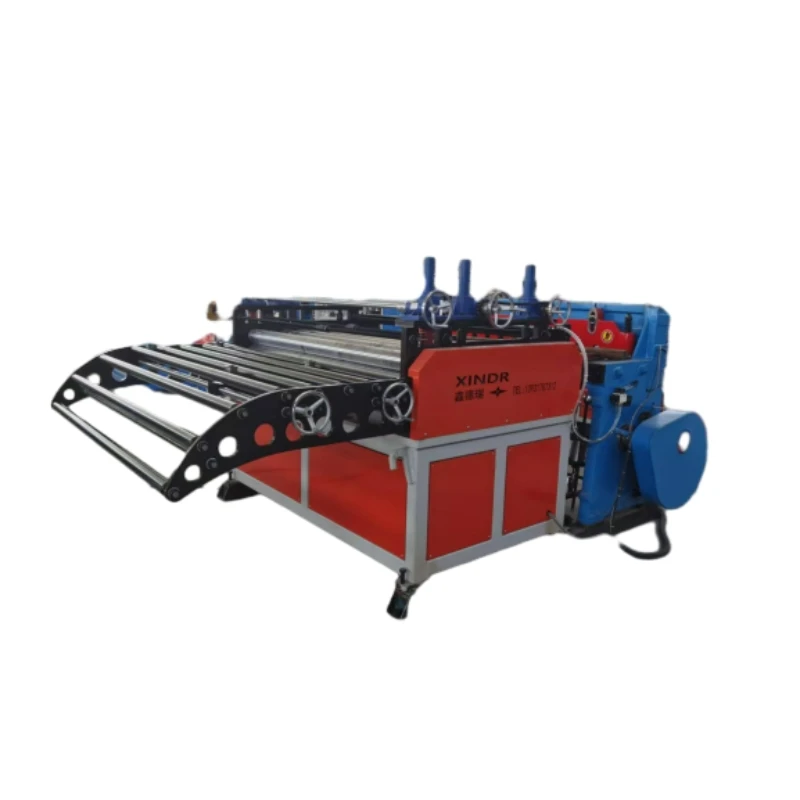 Fully Automatic Kaiping Production LineOct . 17, 2024
 -
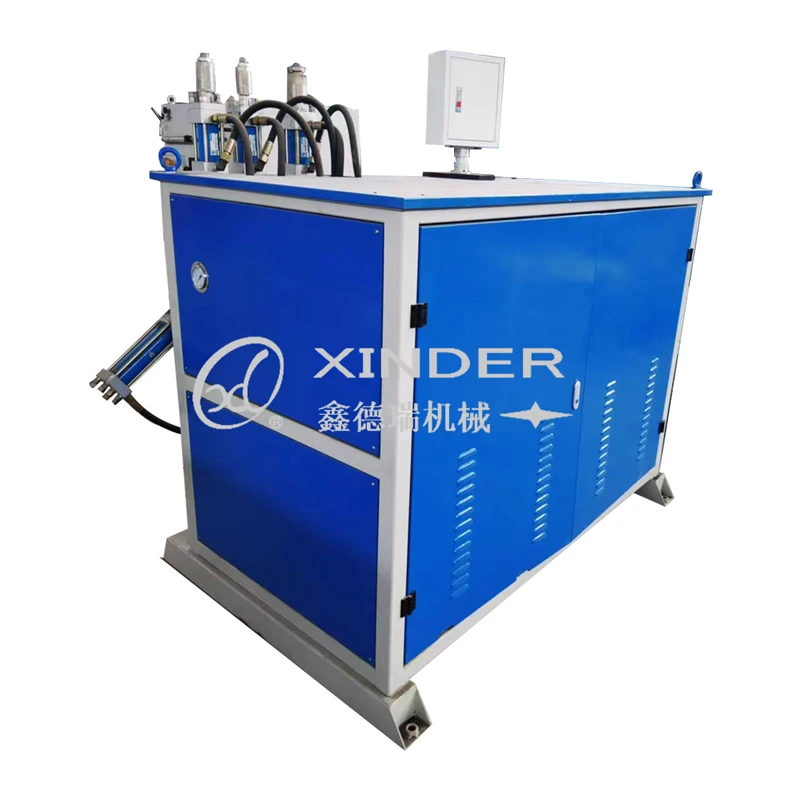 Fully Automatic Metal Bucket Lifting HeadphonesSep . 14, 2024