-
 8613931787312
 -
 Botou Industrial Zone on the east side of National Highway 104, Botou City, Hebei Province


Bench Bending Machine: Complete Guide to Features, Uses & Global Impact
Understanding the Bench Bending Machine: Essential Tool for Modern Fabrication
In today's manufacturing landscape, the bench bending machine holds a critical role. Whether it's shaping metal components for construction, automotive parts, or artisanal projects, these machines streamline the process of bending sheet metal with efficiency and precision. Globally, industries depend on these tools not only for productivity but also for ensuring safety and durability in the products they create. Curious why understanding this equipment matters beyond the workshop? Well, grasping the capabilities and applications of bench bending machines sheds light on how industries evolve, innovate, and sometimes solve humanitarian challenges, such as rapid infrastructure repair or creating essential brackets and frames in remote regions.
Mini takeaway: The bench bending machine is more than just a metalworking tool; it's a key enabler in manufacturing with worldwide significance.
Global Context: Why Bench Bending Machines Matter Today
Across continents, manufacturing accounts for approximately 16% of global GDP (World Bank, 2023). A significant portion of this involves metal fabrication, where bench bending machines come into play. These machines help meet increasing demands for custom metal parts that must be both strong and lightweight. The challenges faced in these sectors often include reducing production time without compromising quality—bench bending machines offer solutions through precise, repeatable bending operations.
In addition, sectors such as construction and disaster relief frequently rely on metal structures formed with bench bending machinery. For example, in earthquake-prone zones, the ability to quickly produce strong support brackets can save lives. Oddly enough, this everyday tool has a quiet yet global humanitarian impact.
Mini takeaway: The bench bending machine serves as a bridge between industrial needs and pressing global challenges.
What Is a Bench Bending Machine?
Simply put, a bench bending machine is a compact metalworking device designed to bend sheet metal at various angles along a straight axis. Typically mounted on a workbench or sturdy surface, it uses a lever or hydraulic system to apply force to the sheet metal, creating precise bends. Its design caters to small to medium-sized fabrication jobs, making it accessible and versatile.
This tool’s connection to modern industry is direct; it supports rapid prototyping, repairs, and mass production alike. In humanitarian contexts, bench bending machines help fabricate parts needed for infrastructure and shelters quickly and reliably, often in locations where larger bending equipment isn’t feasible.
Mini takeaway: A bench bending machine is an accessible, versatile tool vital for metal shaping across industries and contexts.
Key Features & Core Components of Bench Bending Machines
Durability
Bench bending machines are built to withstand repeated heavy use. High-quality steel frames and wear-resistant components increase lifespan, a critical factor when uptime matters most.
Adjustability
Being able to adjust bending angles and sheet thickness capacity widens the machine’s usability — from thin aluminum fins to thicker steel plates.
Portability
Since these machines are often bench-mounted, lightweight models exist that cater to mobile or small-scale workshops, supporting on-site work and quick deployment scenarios.
Cost Efficiency
Compared to larger industrial press brakes, bench bending machines offer cost savings both in initial investment and maintenance, making them appealing for startups and NGOs alike.
User-Friendliness
Many bench bending machines include intuitive levers or hydraulic controls that reduce operator fatigue and enable consistent bends without extensive training.
Mini takeaway: Key attributes like durability and adjustability make bench bending machines adaptable for many practical uses.
Bench Bending Machines in Action: Global Applications
The beauty of the bench bending machine is its wide reach around the world. In Southeast Asia, small workshops use it extensively for prototyping agricultural equipment parts. In Europe, artisanal metalworkers utilize it for custom architectural features and decorative items.
Interestingly, NGOs operating in disaster zones like Haiti or the Philippines adopt portable bench bending machines to fabricate crucial building reinforcements on-site, significantly speeding recovery efforts. Similarly, remote mining operations in Australia rely on these devices for quick repairs to metal infrastructure, avoiding costly downtime.
Mini takeaway: From artisanal crafts to emergency relief, bench bending machines support diverse industries globally.
Advantages & Long-Term Value
- Cost Savings: Reducing dependence on expensive, large equipment lowers barrier to entry and operating expenses.
- Sustainability: Precision bending lessens material waste, aligning with modern sustainability goals.
- Social Impact: Facilitates local manufacturing, empowering communities with hands-on skills.
- Reliability: Robust construction ensures machines remain functional over years of use.
- Safety & Dignity: Enabling safe fabrication environments fosters worker confidence and innovation.
Mini takeaway: This equipment delivers tangible benefits, blending logical efficiencies and positive human impact.
Product Specification Table
| Specification | Typical Value | Notes |
|---|---|---|
| Max Bending Length | 600 mm (24 inches) | Varies by model |
| Max Sheet Thickness | 6 mm (0.24 inches) Steel | Equivalent for Aluminum is higher |
| Bending Angle Adjustment | 0° to 135° | Standard lever or hydraulic control |
| Weight | 25-80 kg (55-176 lbs) | Depends on capacity and frame build |
| Power Source | Manual / Hydraulic / Electric | Varies by model sophistication |
Vendor Comparison: Popular Bench Bending Machines
| Vendor | Weight | Max Bending Length | Price Range (USD) | Special Features |
|---|---|---|---|---|
| ProBend 600 | 50 kg | 600 mm | $700 - $900 | Hydraulic assist, adjustable clamping |
| FlexiBend Lite | 30 kg | 400 mm | $400 - $600 | Manual lever, ultra-portable |
| SteelMaster 800 | 80 kg | 800 mm | $1200 - $1400 | Electric power, digital angle readout |
Future Trends and Innovations
Looking ahead, bench bending machines are evolving rapidly. Automation and digital controls are becoming more common, enabling operators to set precise bending angles and sequences that reduce human error. Materials science advances also suggest future machines could handle even tougher alloys, supporting industries like aerospace and electric vehicles.
Sustainability is on everyone’s mind; some models now incorporate green hydraulic fluids and energy-efficient electric motors, reducing environmental impact. Oddly enough, we’re seeing even compact bench benders embrace IoT tech, helping track maintenance schedules and optimize productivity remotely.
Mini takeaway: The bench bending machine is evolving with smart tech and sustainability at its core.
Challenges and How Experts Overcome Them
While bench bending machines offer many advantages, they face challenges like limitations in max thickness capacity and precision when compared to larger automated brake presses. Also, training novices on proper technique can be a hurdle.
Experts recommend hybrid setups where bench bending machines complement larger equipment, or incorporating incremental training steps to build operator skill safely. Advances in affordable digital angle gauges help users achieve better accuracy even when manual.
Mini takeaway: Thoughtful integration and training turn challenges into manageable steps.
Frequently Asked Questions About Bench Bending Machines
- Q: What materials can a bench bending machine handle?
A: Typically, these machines bend steel, aluminum, copper, and similar sheet metals up to certain thicknesses depending on the model. Thicker materials may require industrial press brakes. - Q: How portable is a bench bending machine for onsite jobs?
A: Many models are designed with portability in mind, weighing between 25-50 kg. Some lightweight manual versions fit in vehicle trunks for fieldwork. - Q: Are hydraulic bench benders better than manual?
A: Hydraulic models require less physical effort, offer smoother bends, and are ideal for higher volume or thicker materials, but manual machines are more affordable and simpler for small tasks. - Q: Can bench bending machines be used for prototyping?
A: Absolutely—many small shops and product developers use them for quick, precise prototypes before scaling production. - Q: Where can I find replacement parts or service for these machines?
A: Most established vendors provide parts and technical support. Online marketplaces and specialized metalworking supply stores are also good resources.
Conclusion
From workshops to disaster zones, bench bending machines quietly empower makers, engineers, and relief workers worldwide. Their blend of durability, flexibility, and cost efficiency makes them indispensable in many fabrication scenarios. If you’re curious about selecting the right bench bending machine or upgrading your tooling, don’t hesitate to explore our line and contact our experts.
Oddly enough, this humble machine might just be the cornerstone your next project needs.
Final takeaway: Bench bending machines offer long-term value that transcends industries—investing in quality tooling is investing in your operation’s future.
References
-
Guide to Spartan Steel Bending Machine Price and Cost FactorsNewsApr.16,2026
-
Analyzing the Spartan Bending Machine Price and Buyer GuideNewsApr.09,2026
-
Understanding Small Bending Machine Price and Choosing the Right OptionNewsApr.07,2026
-
Comprehensive Guide to Sheet Metal Bending Machine Price and SelectionNewsApr.04,2026
-
Comprehensive Guide to Roofing Sheet Bending Machine Price and SelectionNewsMar.31,2026
-
Comprehensive Guide to Profile Bending Machine Price and SelectionNewsMar.28,2026
-
Comprehensive Guide to Press Bending Machine Price and Purchasing ConsiderationsNewsMar.26,2026
-
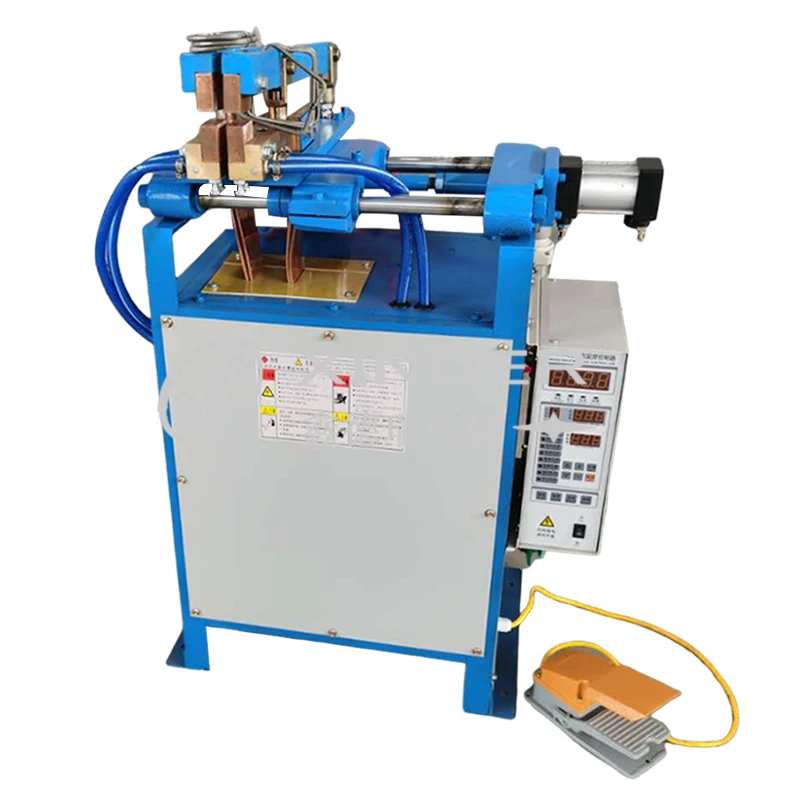 Pneumatic Handle Welding MachineSep . 13, 2024
 -
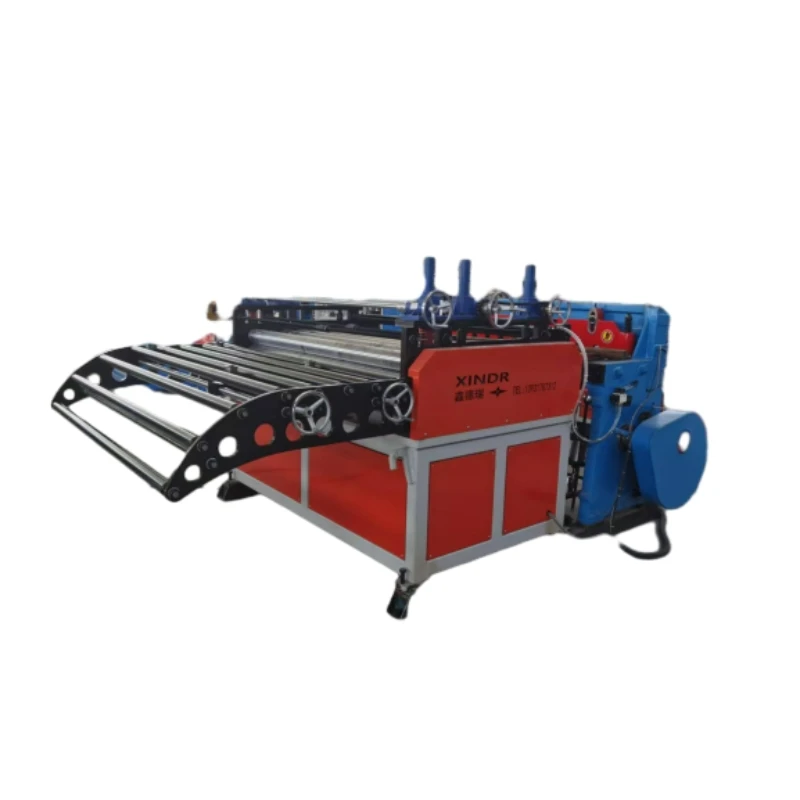 Fully Automatic Kaiping Production LineOct . 17, 2024
 -
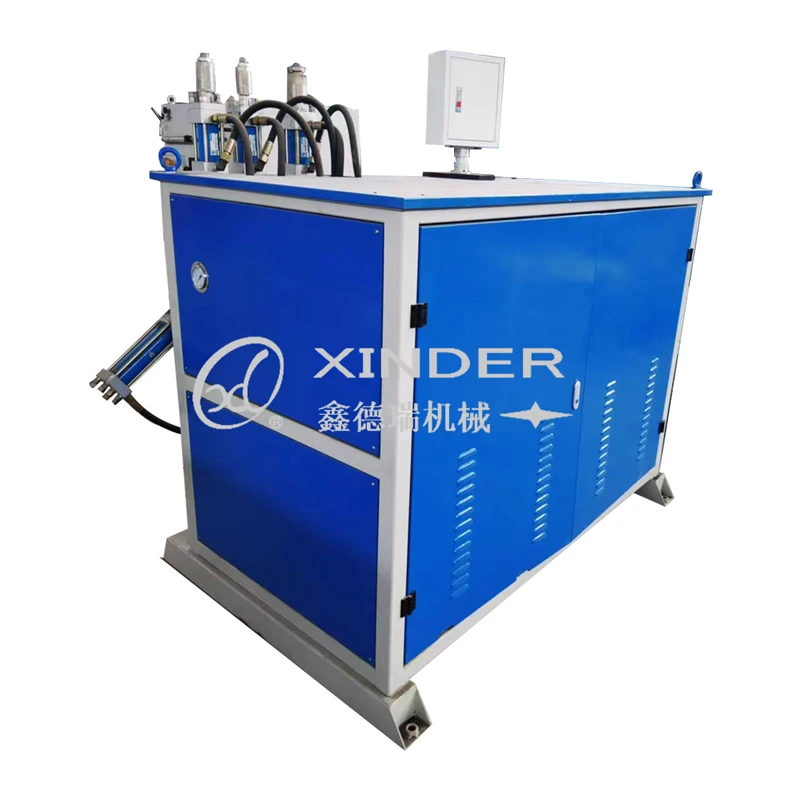 Fully Automatic Metal Bucket Lifting HeadphonesSep . 14, 2024