-
 8613931787312
-
 Botou Industrial Zone on the east side of National Highway 104, Botou City, Hebei Province


Understanding a Steel Drum: Definition, Uses & Global Importance
A Steel Drum: The Unsung Hero of Global Industry and Sustainability
When we talk about durable, reliable containers crucial to modern logistics, you know what rarely gets its due? a steel drum. These tough cylinders quietly shoulder a huge part of the world’s industrial and humanitarian load. From storing chemicals safely in bustling factories to transporting oil across continents, steel drums are everywhere — and frankly, their role is only growing. Understanding them unlocks insights into sustainability, cost efficiency, and global trade resilience.
Global Context: Why a Steel Drum Matters Worldwide
Worldwide, production and shipment of over 30 billion tons of industrial liquids and powders annually lean on containers like steel drums. According to the International Organization for Standardization (ISO), steel drums conforming to strict specs ensure products reach markets safely — preventing spills, contamination, and loss. With industries ranging from pharmaceuticals to oil refining relying on them, and humanitarian agencies using them to rapidly mobilize food and water aid, these drums address critical challenges of durability and standardization.
That said, the challenge is ongoing: balancing cost, environmental impact, and the global demand for safe containment. Steel drums provide a flexible solution that’s scalable across regions — from giant industrial ports in Asia to small clinics in sub-Saharan Africa.
Definition & Meaning: What Exactly Is a Steel Drum?
Simply put, a steel drum is a cylindrical container made of steel, typically 55 gallons (or 200 liters), used primarily for transporting and storing liquids and solids. Think of it as the industrial equivalent of a giant, heavy-duty soda can — only built for safety, strength, and reuse.
In modern industries, steel drums are characterized by their airtight seals, resistance to corrosion, and structural integrity capable of surviving hazardous shipping conditions. Beyond factories, these drums often serve humanitarian needs, such as storing drinking water post-disaster or transporting medical supplies — proving that their role extends far beyond the factory floor.
Key Aspects of a Steel Drum
Durability and Strength
Steel drums are made from carbon steel or stainless steel, often coated to resist rust and chemical damage. They can withstand rough handling during transport — which is vital when crossing oceans or navigating rugged terrain.
Standardized Dimensions and Specifications
ISO and UN standards ensure that drums fit seamlessly into global shipping containers, are safe for hazardous materials, and meet testing requirements. This uniformity is a big factor in their widespread adoption.
Cost Efficiency
While they're upfront more expensive than plastic alternatives, their long lifespan and reusability make steel drums cost-effective in the mid to long term. Industries appreciate this for both economics and environmental concerns.
Versatility & Scalability
Steel drums can be outfitted with special linings or fittings, allowing them to carry everything from petroleum products to delicate foodstuffs. Their sizes vary, too, making them adaptable for different shipment sizes and industry needs.
Environmental Impact
Recycling steel drums is straightforward — steel is among the most recycled materials worldwide. This reduces landfill waste and lowers the carbon footprint compared to single-use packaging.
Mini takeaway: A steel drum’s blend of rigidity, reusability, and standardized design makes it an indispensable shipping container across industries.
Product Specifications Snapshot
| Specification | Details |
|---|---|
| Material | Carbon steel, Stainless steel |
| Capacity | Typically 55 gallons (200 liters) |
| Diameter | Approx. 23 inches (58 cm) |
| Height | Approx. 34.5 inches (88 cm) |
| Compliance | UN/DOT approved for hazardous materials |
Global Applications & Use Cases
You find steel drums in just about every corner of the industrial and humanitarian playing field. For instance:
- Oil and Chemical Industries: Steel drums safely contain crude oil, lubricants, and chemical solvents, ensuring spill prevention during long shipping routes.
- Food and Beverage: Certain drums with food-grade linings store bulk edible items like syrups and oils.
- Humanitarian Relief: Aid organizations use steel drums to ship potable water essentials and medicines rapidly to disaster-hit zones.
- Manufacturing and Waste Management: Safe storage and transport of hazardous and non-hazardous waste materials.
In emerging markets like South Asia and Africa, portable steel drum solutions enable industries and NGOs to operate effectively despite unreliable supply chain infrastructure. Oddly enough, something so “old school” ends up facilitating some of the most high-tech operations — think portable solar energy storage or water purification projects.
Vendor Comparison: Choosing the Right Steel Drum Supplier
| Feature | XDR Machinery | SteelCo Supplies | Global Drum Inc. |
|---|---|---|---|
| Material Quality | Premium carbon steel with rust-resistant coating | Standard carbon steel | Stainless steel options available |
| Customization | Custom linings, sizes, and fittings | Limited options | Multiple standard sizes |
| Certifications | ISO & UN approved | ISO certified | UN certified |
| Pricing | Competitive for bulk orders | Economical but limited volume | Premium pricing |
| Lead Time | 2-3 weeks (customizable) | 3-4 weeks | Varies, usually 4+ weeks |
XDR Machinery stands out for combining quality with flexibility, which is why many manufacturing firms and NGOs prefer them for medium to large steel drum orders.
Advantages & Long-Term Value
Buying into a steel drum isn’t just about immediate function — it’s about value that compounds over time. Consider the economics: Their durability means less frequent replacements. Their standardized design reduces logistical headaches, saving money and time. From a sustainability perspective, steel’s recyclability lowers environmental impact compared to plastics, aligning with growing corporate social responsibility goals.
Emotionally, these drums deliver trust and safety. For a factory worker handling hazardous chemicals or an aid worker distributing clean water post-flood, knowing the container is reliable is priceless. It’s dignity, safety, and innovation bundled into a simple drum.
Future Trends & Innovations
Looking ahead, breakthroughs around green coatings and lighter steel alloys are promising to reduce weight without sacrificing strength — that means less shipping fuel and lower emissions. Automation in drum manufacturing is improving quality consistency and reducing costs.
Moreover, digital tagging technologies, like RFID chips embedded in steel drums, are enabling smarter inventory tracking and supply chain transparency — a boon for industries with strict compliance like pharmaceuticals and food.
Challenges & Solutions
Of course, challenges persist. Steel drums are heavier than plastic, increasing freight costs. Corrosion can still be an issue in extremely humid or salty environments. But innovative coatings, careful maintenance, and hybrid designs combining steel frames with composite linings are mitigating these problems.
In real terms, many engineers stress the importance of selecting the right drum for the right product and environment — and working with reputable vendors ensures these nuances get handled expertly.
FAQ: Frequently Asked Questions About a Steel Drum
- Q: What materials are steel drums typically made from?
A: Steel drums are mainly crafted from carbon steel, sometimes stainless steel for increased corrosion resistance. Additional coatings protect against rust and chemical damage, ensuring long life even under harsh conditions. - Q: How long can a steel drum last in industrial use?
A: With proper care, these drums can last 10 years or more. Their longevity depends on factors like exposure to corrosive elements, frequency of reuse, and type of coatings applied. - Q: Are steel drums environmentally friendly?
A: Yes. Steel is one of the most recycled materials worldwide. Steel drums are often reconditioned for multiple uses, significantly reducing waste compared to single-use containers. - Q: Can steel drums carry hazardous materials safely?
A: Absolutely. Drums that meet UN/DOT certifications are specifically tested for safe hazardous material containment, making them compliant and reliable for such uses. - Q: How can NGOs source steel drums internationally?
A: NGOs often collaborate with certified manufacturers like XDR Machinery, who offer customization, bulk pricing, and compliance documentation to ease import/export regulations.
Conclusion
So, what’s the takeaway? A steel drum is much more than a container — it’s a global workhorse that combines durability, sustainability, and economic sense into one package. Whether shipping chemicals, storing durable food supplies, or delivering life-saving aid, steel drums reliably answer critical industrial and humanitarian needs.
If you want to explore how a steel drum might benefit your operations, or source customized solutions, don’t hesitate to visit our website and check out the latest offerings. You’ll find the perfect balance of quality, cost, and innovation awaits you.
Thanks for sticking with me through this deep dive — I hope you never overlook this humble, essential piece of industry again.
References:
-
Precision Engineering with 3 roll plate bending machine GuideNewsJul.01,2026
-
Precision Engineering and Efficiency with Automatic Conduit BenderNewsJun.29,2026
-
Professional Pipe and Tube Bender for High Precision FabricationNewsJun.27,2026
-
Precision Engineering Guide for the Automated Tube BenderNewsJun.26,2026
-
High Performance Metal Roof Panel Bender for Precision FabricationNewsJun.25,2026
-
Professional PVC Pipe Welding Machine Guide for Industrial UseNewsJun.23,2026
-
Professional Industrial Welding Pipe Machine Selection GuideNewsJun.21,2026
-
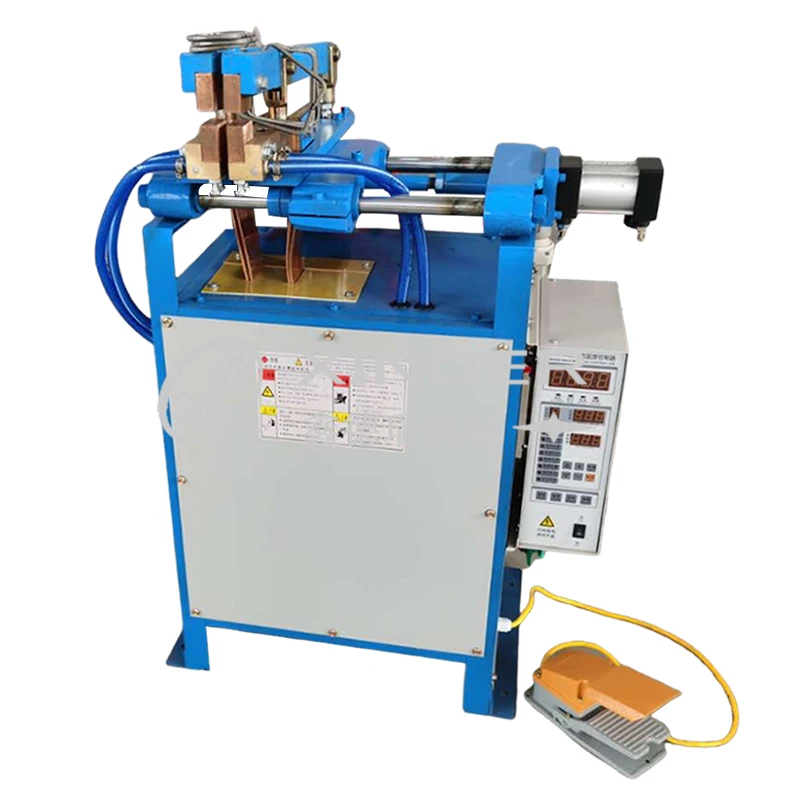 Pneumatic Handle Welding MachineSep . 13, 2024
-
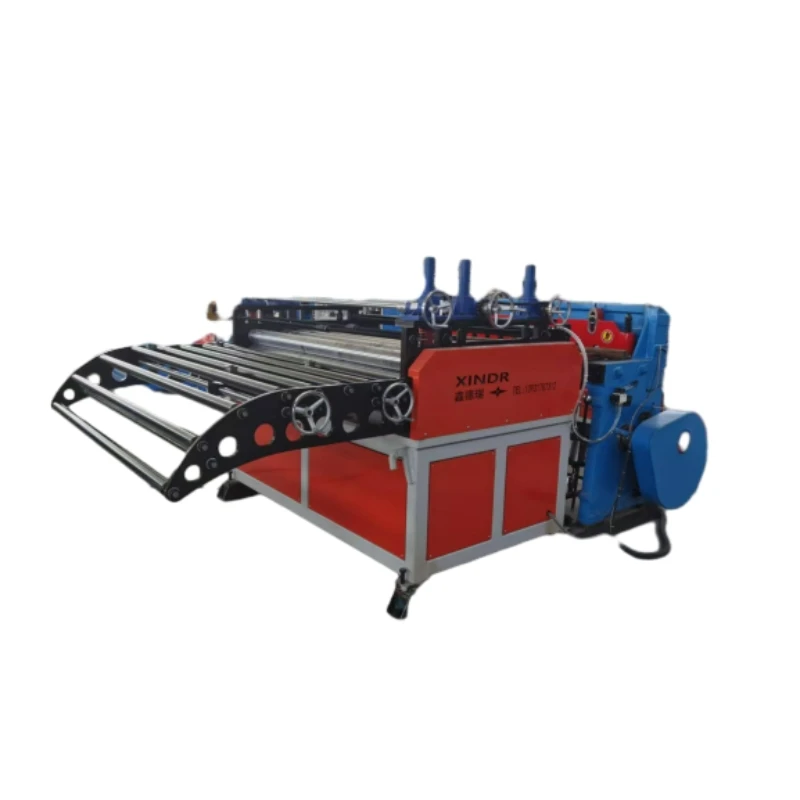 Fully Automatic Kaiping Production LineOct . 17, 2024
-
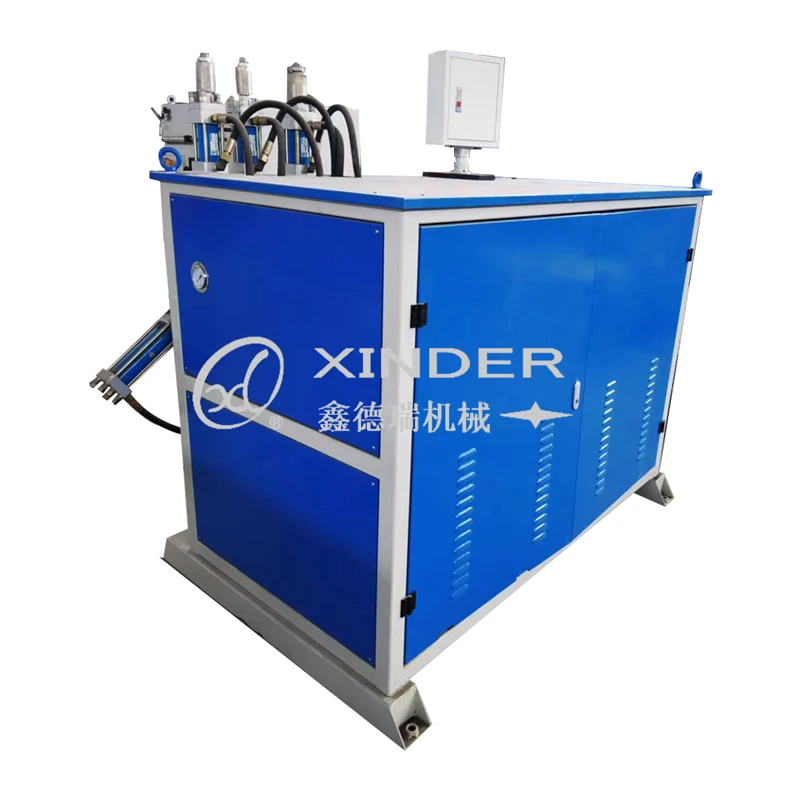 Fully Automatic Metal Bucket Lifting HeadphonesSep . 14, 2024