-
 8613931787312
-
 Botou Industrial Zone on the east side of National Highway 104, Botou City, Hebei Province


Comprehensive Guide to 60L Steel Drums: Industrial Strength and Global Applications
Understanding the 60L Steel Drum: A Modern Industrial Staple
If you’ve ever worked in manufacturing, shipping, or resource management, chances are you’ve come across the 60l steel drum. Sounds pretty ordinary at first — just a container, right? But it’s more than just a metal vessel. Globally, these steel drums are pivotal in transporting liquids and solids safely and efficiently, bridging industrial needs with environmental and safety standards. Understanding their nuances matters for businesses, logistics providers, even humanitarian missions.
Why the 60L steel drum matters globally
According to data from the United Nations Conference on Trade and Development (UNCTAD), bulk packaging solutions like the 60l steel drum account for a significant portion of global goods movement. They provide a reliable, reusable container that balances capacity and portability. Their standardized size also makes them a cornerstone in hazardous material transport—meeting ISO standards ensures safety in transportation across countries.
However, challenges persist. Industrial contamination, corrosion, and inefficient recycling limit the drum’s environmental footprint. Plus, as global supply chains become more complex, the need for durable and cost-effective containers grows. So, delving into the 60L steel drum’s design, application, and future trends uncovers a fascinating story of industrial evolution.
What exactly is a 60L Steel Drum?
Simply put, a 60l steel drum is a cylindrical container made primarily of high-grade steel, designed to hold roughly 60 liters of liquid or solid material. Steel drums come in various sizes, but this 60-liter volume hits a sweet spot—it’s large enough for bulk storage yet manageable for manual handling or mechanical equipment. They often have tight-sealing lids, sometimes with lever locks or bolted rings, ensuring contents stay secure.
This item isn’t just some industrial relic. It connects deeply with modern industry — from chemicals, oils, and food-grade items to emergency water supply storage during crises. You find 60l steel drums in factories, remote mining operations, and even humanitarian convoys around the world.
Key Features of a 60L Steel Drum
Durability
Steel drums are renowned for their toughness. The strong steel body resists impacts and punctures far better than plastic alternatives, crucial in handling harsh environments or hazardous substances. They often undergo galvanization or special coatings to fight corrosion.
Portability & Standardization
At 60 liters, these drums strike a practical balance. They’re easy to move with forklifts or hand trucks but can also be stacked efficiently. Meeting ISO size standards means they fit uniformly into pallets and containers, streamlining shipping.
Cost Efficiency
Reusability stands out here. While the upfront cost for a steel drum is higher than some plastics, their longer lifetime and recyclability often make them more economical over time. Plus, many industries require steel’s chemical resistance and strength.
Scalability
Industries ranging from agriculture to chemical processing use 60l steel drums for batching and storage. Buying in bulk and using these standardized containers supports scalable operations from small manufacturers to global distributors.
Product Specifications of a Typical 60L Steel Drum
| Specification | Details |
|---|---|
| Capacity | 60 liters (approx. 15.85 US gallons) |
| Material | Cold-rolled steel with optional epoxy or zinc coating |
| Dimensions | Height: ~490mm; Diameter: ~320mm |
| Weight (empty) | Approximately 7 kg (15 lbs) |
| Closure | Removable lid with clamp locking ring or welded steel lid (open or closed head) |
| Compliance | UN certification for hazardous goods, ISO 15750-1 standards |
Global Applications & Use Cases
The 60l steel drum finds use in a surprising range of settings across regions and industries. Oddly enough, one industry where they’ve quietly become indispensable is disaster relief. For instance, NGOs operating post-natural disasters often use these drums to store safe drinking water or emergency fuel reserves — their durability and standardized size make them ideal for transport and distribution in chaotic environments.
In remote industrial zones, chemical plants rely on 60L steel drums to move raw materials where bulk tanker trucks simply can’t reach. Not to mention food processing sectors in Europe and North America, where food-grade versions of these drums store liquid syrup or edible oils under sanitary conditions.
Vendor Comparison: 60L Steel Drums on the Market
| Vendor | Price (per drum) | Material Quality | Certifications | Lead Time |
|---|---|---|---|---|
| XDR Machinery | $45 | Zinc-coated steel with epoxy lining | UN Certified, ISO 15750-1 | 2 weeks |
| SteelCo USA | $50 | Cold-rolled steel, standard finish | ISO Only | 3 weeks |
| Global Drum Supplies | $42 | Epoxy coated steel | UN Certified | 1 week |
Advantages & Long-Term Value
What’s the big deal with these 60l steel drums? Frankly, they combine two critical features: reliability and sustainability. Their sturdy construction means lower spill risks, enhancing safety and maintaining product integrity. That reliability also builds trust among handlers and clients—goods arrive as intended, not lost to leaks or damage.
Environmentally, steel drums are infinitely recyclable—a huge plus in a world fixated on reducing plastic waste and carbon footprints. Beyond green virtues, they offer emotional reassurance. When relief organizations deliver water in a tough-to-reach disaster zone, the simple sight of a tough, intact 60l drum can bring dignity and hope.
Future Trends & Innovations in 60L Steel Drums
Looking ahead, manufacturers are blending tradition with innovation. For example, integrating digital sensors into drum lids for real-time content monitoring helps improve supply chain visibility. Advances in anti-corrosive coatings and lightweight alloy steels aim to reduce drum weight without sacrificing durability.
On the sustainability front, circular economy policies push towards drum leasing and refurbishment programs, reducing industrial waste drastically. Some innovators are developing hybrid drums combining steel frames with biodegradable linings — odd but promising.
Challenges & Expert Solutions
These drums aren’t perfect. Corrosion remains a stubborn issue in extremely wet or chemical-rich environments. Also, steel drums tend to be heavier than plastic counterparts, occasionally impacting shipping costs.
Experts suggest customized coating upgrades — for example, epoxy phenolic linings — and new rust inhibitors targeted at problem chemicals. Automated inspection and maintenance techniques can predict rust onset, keeping drums in service longer. Plus, logistics planners increasingly pair steel drum transport with optimized route planning to contain cost impacts.
FAQ: Frequently Asked Questions About 60L Steel Drums
- Q: What liquids are safe to store in a 60L steel drum?
A: These drums can hold a variety of liquids including oils, chemicals, and water. For reactive or food-grade liquids, coatings like epoxy linings are essential to prevent contamination and corrosion. - Q: How do I know if a 60L steel drum meets safety standards?
A: Look for UN certification marks and compliance with ISO 15750-1 standards on the drum or from your supplier. These guarantee testing for hazardous materials transport. - Q: Can 60L steel drums be reused safely?
A: Yes, with proper cleaning and inspection, steel drums are highly reusable—often for many years—making them cost-effective and environmentally friendly. - Q: Are these drums suitable for international shipping?
A: Definitely. Their standardized sizes and certifications facilitate global transport. Many vendors offer export-ready drums with documentation to ease customs procedures. - Q: How do I prevent corrosion in steel drums stored outdoors?
A: Utilizing galvanized or epoxy coated drums, combined with proper storage (covered and dry if possible), greatly reduces corrosion risks.
Conclusion
In the grand scheme, the humble 60l steel drum plays a quiet but essential part in industrial logistics and humanitarian aid. Its blend of durability, standardization, and sustainability keeps supply chains humming and relief efforts flowing. If you’re looking for a reliable container solution, or have questions about sourcing and customization, I highly recommend visiting XDR Machinery’s website for expert insights and quality products.
It’s fascinating how something as simple as a steel drum carries such industrial weight — literally and figuratively.
Mini Takeaway
- 60L steel drums merge industrial strength with eco-conscious design.
- They are fundamental in chemical, food, and relief industries worldwide.
- Innovations in coatings and tech are shaping their future usability.
References
-
Precision Engineering with 3 roll plate bending machine GuideNewsJul.01,2026
-
Precision Engineering and Efficiency with Automatic Conduit BenderNewsJun.29,2026
-
Professional Pipe and Tube Bender for High Precision FabricationNewsJun.27,2026
-
Precision Engineering Guide for the Automated Tube BenderNewsJun.26,2026
-
High Performance Metal Roof Panel Bender for Precision FabricationNewsJun.25,2026
-
Professional PVC Pipe Welding Machine Guide for Industrial UseNewsJun.23,2026
-
Professional Industrial Welding Pipe Machine Selection GuideNewsJun.21,2026
-
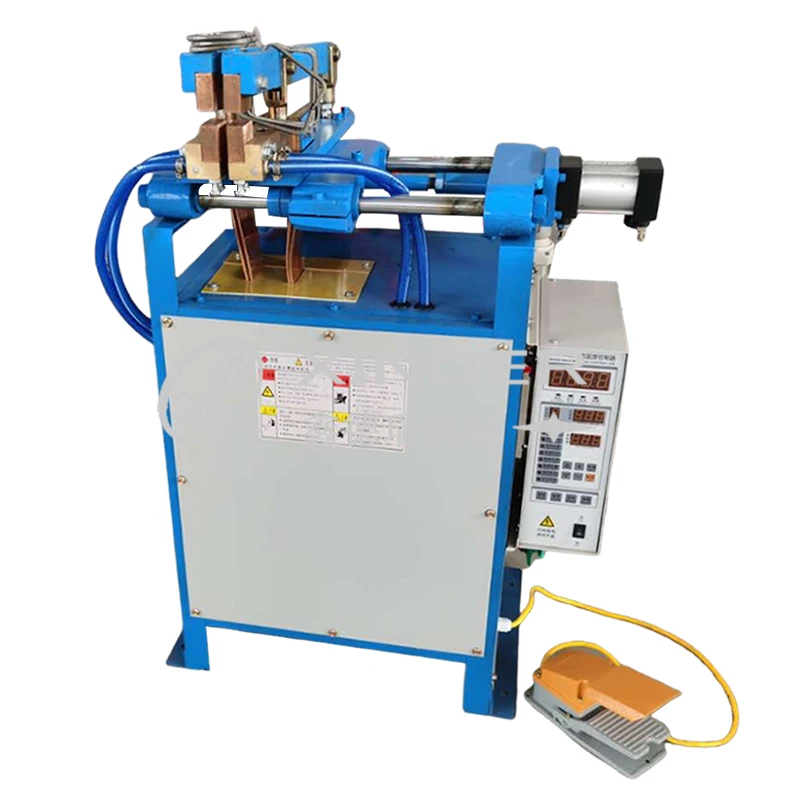 Pneumatic Handle Welding MachineSep . 13, 2024
-
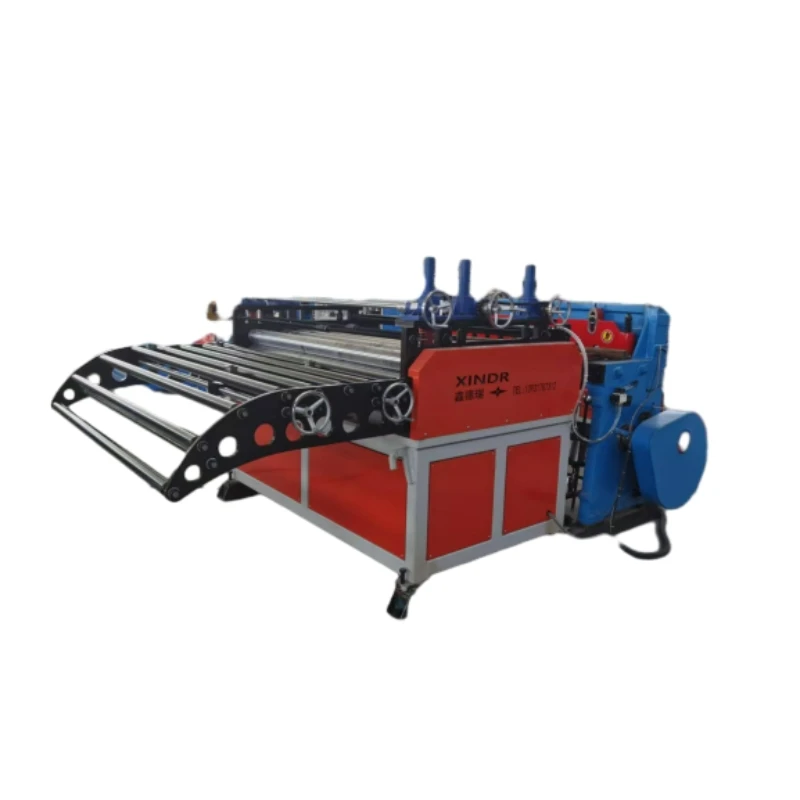 Fully Automatic Kaiping Production LineOct . 17, 2024
-
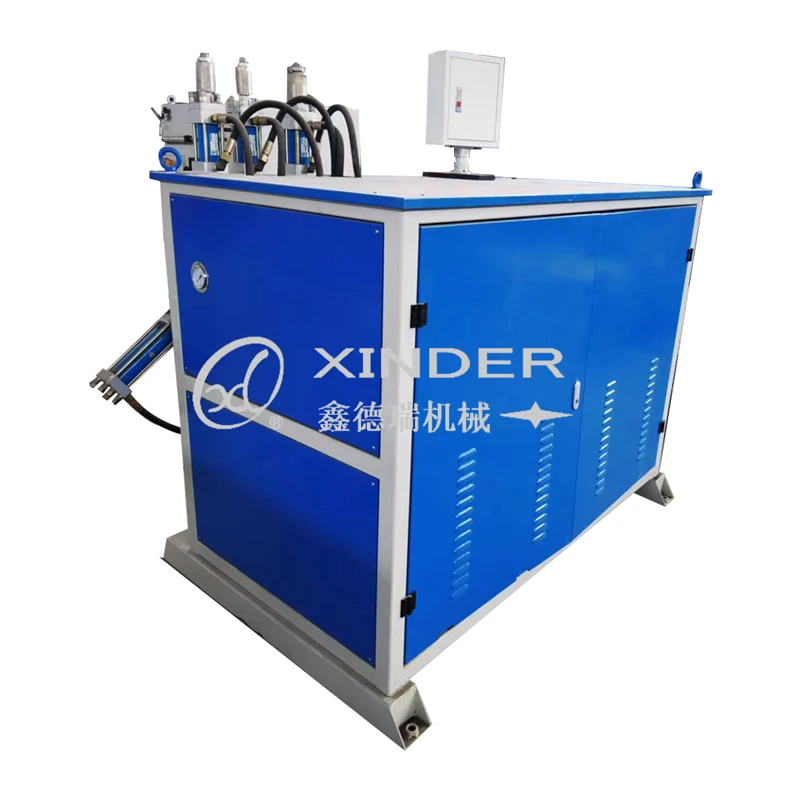 Fully Automatic Metal Bucket Lifting HeadphonesSep . 14, 2024