-
 8613931787312
 -
 Botou Industrial Zone on the east side of National Highway 104, Botou City, Hebei Province


Pneumatic Bending Machine | Reliable Metal Forming Solutions
Pneumatic Bending Machine: The Unsung Hero of the Workshop
Having spent more than a decade around industrial equipment—getting dusty in workshops, polishing sheet metal, and troubleshooting machines—I can say this: the pneumatic bending machine often flies under the radar. It’s not the flashiest kid on the block, but it handles metal bending tasks with a precision and reliability that's surprisingly satisfying.
Oddly enough, in a world obsessed with robotics and automation, pneumatic bending machines still hold their ground, especially for small to medium-scale fabrication tasks. The reason? They strike a sweet balance between power, control, and simplicity, leveraging compressed air to drive bending operations smoothly.
Frankly, the first time I operated one, I noticed how the pneumatic system offered a consistent, repeatable force that electric or purely manual machines sometimes struggle to deliver. This means less material waste and fewer headaches for fabricators who can’t afford costly errors.
Why Pneumatic?
Pneumatics have this inherent advantage: they’re clean, quick, and easy to maintain. The compressed air they use is readily available in most workshops, and unlike hydraulics, leaks don't cause messy spills. Plus, pneumatic bending machines often have fewer moving parts subject to heavy wear, so in real terms, they offer a longer service life with less downtime.
Many engineers I spoke with appreciate how the pressure can be finely regulated, so you aren’t forcing the metal beyond what it can take. This can be critical when bending thinner or high-strength alloys common in automotive or aerospace parts.
Typical Specs You Should Know
| Parameter | Typical Range |
|---|---|
| Bending Stroke | 50–300 mm |
| Maximum Bending Force | 5–20 tons |
| Air Pressure Requirement | 6–8 bar (90–120 psi) |
| Material Types | Steel, Aluminum, Copper |
| Cycle Time | 3–8 seconds |
Choosing the Right Vendor: A Quick Comparison
If you’re shopping around, it’s worth comparing features, reliability, and after-sales support. Below is a quick rundown of three well-known suppliers in this niche:
| Vendor | Price Range | Build Quality | Customization | After-Sales Support |
|---|---|---|---|---|
| XDR Machinery | $$$ | Robust, industrial-grade | High – tailored options | Responsive, on-site training |
| Alpha Bent | $$ | Good, reliable for light uses | Moderate custom parts | Email support only |
| SteelPro | $ | Basic, entry-level | Minimal options | Limited phone support |
Real-World Usage: A Quick Story
I remember visiting a small workshop where they had recently added a pneumatic bending machine to their lineup. The head fabricator, quite a skeptic before, mentioned how it boosted their throughput and enabled them to take on more intricate bends without outsourcing. "It’s like gaining an extra pair of hands," he grinned. And you know, that’s exactly what it felt like when I tested the controls myself — a smooth, reliable helper that just gets the job done.
Final Thoughts
If your production involves sheet metal bending and you’re looking for something both sturdy and not too complicated, pneumatic bending machines deserve a close look. They might seem old-school at first glance, but their blend of durability, ease of use, and precision keeps them relevant — even vital — in today’s fast-paced industry.
References:
1. Industrial Pneumatic Systems Handbook, 3rd Ed., 2022
2. “Bending Technology Trends,” MetalFab Journal, 2023
3. Firsthand interviews with fabricators, 2021-2023
-
Guide to Spartan Steel Bending Machine Price and Cost FactorsNewsApr.16,2026
-
Analyzing the Spartan Bending Machine Price and Buyer GuideNewsApr.09,2026
-
Understanding Small Bending Machine Price and Choosing the Right OptionNewsApr.07,2026
-
Comprehensive Guide to Sheet Metal Bending Machine Price and SelectionNewsApr.04,2026
-
Comprehensive Guide to Roofing Sheet Bending Machine Price and SelectionNewsMar.31,2026
-
Comprehensive Guide to Profile Bending Machine Price and SelectionNewsMar.28,2026
-
Comprehensive Guide to Press Bending Machine Price and Purchasing ConsiderationsNewsMar.26,2026
-
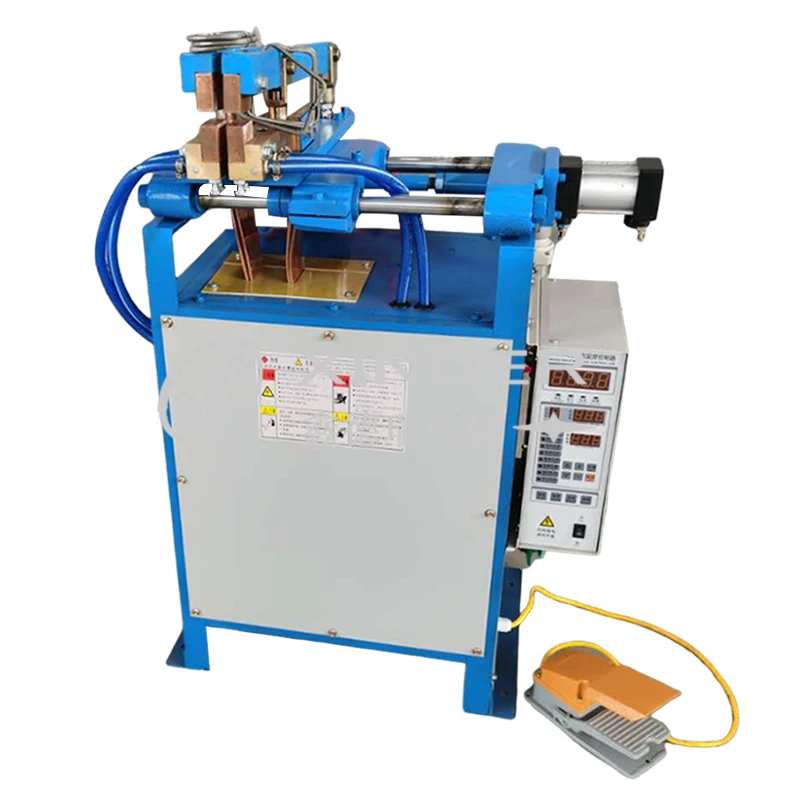 Pneumatic Handle Welding MachineSep . 13, 2024
 -
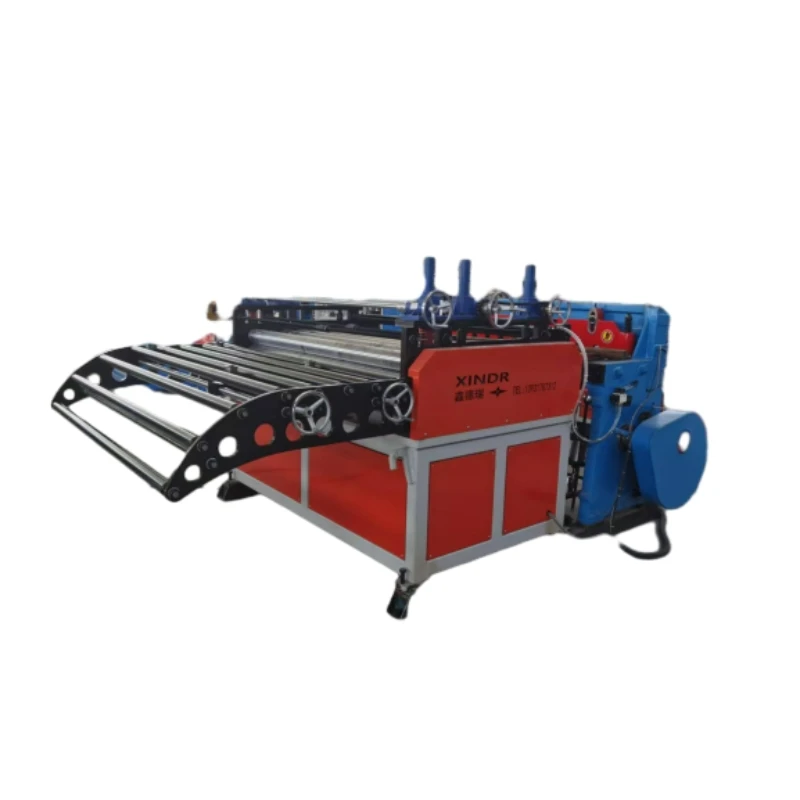 Fully Automatic Kaiping Production LineOct . 17, 2024
 -
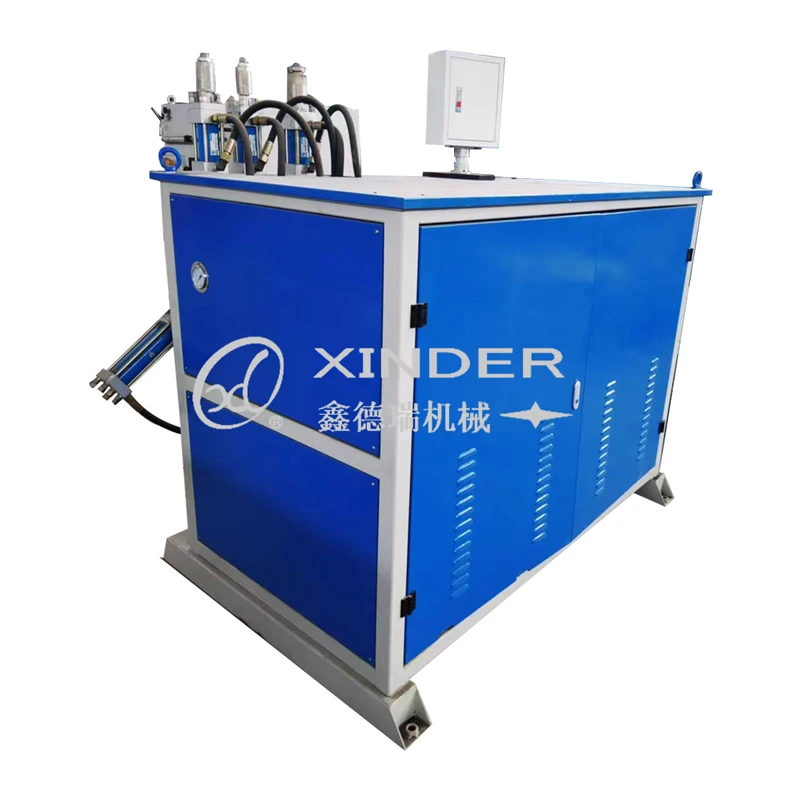 Fully Automatic Metal Bucket Lifting HeadphonesSep . 14, 2024