-
 8613931787312
 -
 Botou Industrial Zone on the east side of National Highway 104, Botou City, Hebei Province


Resistance Welding: Equipment, Manufacturers, and Market Insights
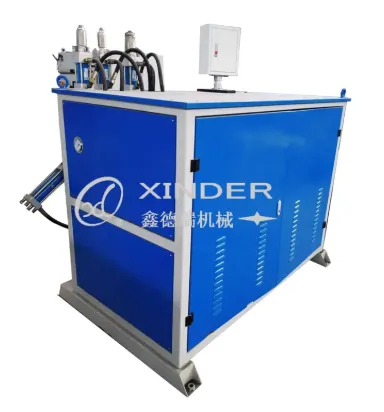
Resistance welding is one of the most widely used joining methods in modern manufacturing, valued for its speed, repeatability, and ability to produce strong, clean welds without filler materials. From automotive production lines to electronics assembly, the technology has become essential. In this article, we explore the role of resistance welding equipment manufacturers, the capabilities of the resistance welder, trends in resistance welding equipment, and factors influencing the resistance welding machine price.
Understanding Resistance Welding Technology
Resistance welding works by passing a high electrical current through two or more metal surfaces held together under pressure. The electrical resistance at the contact point generates heat, causing the materials to soften and fuse upon cooling.
Key types of resistance welding include:
Spot Welding – Commonly used for sheet metal joining in automotive and appliance manufacturing.
Seam Welding – Produces continuous, leak-proof joints for tanks, drums, and containers.
Projection Welding – Ideal for attaching nuts, bolts, and other fasteners to sheet metal.
Butt Welding – Joins wires, rods, or pipes end-to-end.
The process is fast, clean, and energy-efficient, making it suitable for high-volume production.
The Role of Resistance Welding Equipment Manufacturers
Resistance welding equipment manufacturers play a critical role in delivering the tools and systems industries need for efficient production. These companies design, build, and often customize machines to meet specific application requirements.
Leading manufacturers focus on:
Quality Control – Ensuring machines meet international welding standards.
Customization – Designing equipment for unique material types, thicknesses, or product geometries.
Innovation – Integrating advanced controls, automation, and energy efficiency features.
After-Sales Support – Providing training, maintenance, and spare parts to maximize uptime.
Global leaders in resistance welding equipment often serve diverse industries, from automotive OEMs to aerospace contractors and electronics assemblers. Some also supply complete automated welding cells with integrated robotics for large-scale operations.
Resistance Welding Equipment: Features and Applications
Modern resistance welding equipment ranges from compact benchtop units to large automated production systems. Core components include:
Power Supply – Delivers the high-current pulses necessary for welding.
Electrodes – Apply pressure and conduct current to the workpieces.
Control Unit – Regulates current, voltage, weld time, and electrode force.
Cooling System – Prevents electrode and transformer overheating during prolonged operation.
Applications span multiple industries:
Automotive Manufacturing – Joining car body panels, frames, and exhaust systems.
Appliance Production – Assembling washing machines, refrigerators, and ovens.
Aerospace – Welding structural components and fuel system parts.
Electronics – Spot welding battery tabs, circuit contacts, and micro-connectors.
Many production lines use resistance welding equipment in conjunction with automated feeding systems, conveyor belts, or robotic arms to maximize throughput.
The Resistance Welder: Versatility and Advantages
A resistance welder can be manual, semi-automatic, or fully automated, depending on the production requirements. Regardless of the level of automation, resistance welders share several advantages:
Speed – Each weld is completed in fractions of a second.
Consistency – Precise control over current and time ensures repeatable results.
No Filler Material – Reduces costs and eliminates post-weld cleanup.
Energy Efficiency – Short weld times minimize power consumption.
Strong Joints – Welded areas often match or exceed the strength of the parent material.
Handheld resistance welders are useful for repair work or small-scale manufacturing, while large automated units dominate mass production settings.
Factors Affecting Resistance Welding Machine Price
The resistance welding machine price can vary widely depending on specifications, capacity, and technology level. Key factors include:
Type of Machine – Spot welders generally cost less than seam or projection welders with specialized features.
Power Output – Higher current capacity for thick materials or larger parts increases the price.
Automation Level – CNC controls, robotic integration, and automatic feeding systems raise costs but improve efficiency.
Build Quality – Machines built for continuous heavy-duty operation command a premium price.
Brand Reputation – Established resistance welding equipment manufacturers may charge more for proven reliability and strong after-sales support.
Customization – Tailored solutions for unique production needs typically cost more than standard models.
Entry-level benchtop resistance welders may cost a few thousand dollars, while fully automated, high-capacity systems can exceed hundreds of thousands. When evaluating price, buyers should also consider operational costs, maintenance, and expected lifespan.
Choosing the Right Resistance Welding Solution
Selecting the right resistance welding setup involves balancing budget, production requirements, and material considerations:
Material Type and Thickness – Aluminum, stainless steel, and coated metals require different machine settings and electrodes.
Production Volume – High-volume lines benefit from automated equipment, while small-scale operations may only need manual or semi-automatic welders.
Weld Quality Requirements – Industries like aerospace and medical devices require the highest quality and strictest tolerances.
Available Space – Larger automated systems require more floor space and infrastructure.
Consulting experienced resistance welding equipment manufacturers ensures that the machine selected aligns with both current needs and future production goals.
Future Trends in Resistance Welding Technology
The resistance welding sector is evolving with technological advancements aimed at improving productivity, quality, and sustainability:
IoT-Enabled Equipment – Real-time monitoring for predictive maintenance and quality tracking.
Energy Optimization – Smarter controls reduce power usage without sacrificing weld integrity.
Advanced Materials Capability – Machines designed for composites, ultra-high-strength steels, and mixed-material assemblies.
Automation and Robotics – Fully integrated systems capable of operating 24/7 with minimal human intervention.
These developments are expected to further enhance the competitiveness of resistance welding in global manufacturing.
From small electronics workshops to massive automotive plants, resistance welding remains a cornerstone of efficient metal joining. The expertise of resistance welding equipment manufacturers, the versatility of the resistance welder, the reliability of modern resistance welding equipment, and an understanding of resistance welding machine price factors all play a role in choosing the right solution. As manufacturing technology advances, resistance welding will continue to evolve, offering even greater precision, efficiency, and adaptability for industries worldwide.
-
Guide to Spartan Steel Bending Machine Price and Cost FactorsNewsApr.16,2026
-
Analyzing the Spartan Bending Machine Price and Buyer GuideNewsApr.09,2026
-
Understanding Small Bending Machine Price and Choosing the Right OptionNewsApr.07,2026
-
Comprehensive Guide to Sheet Metal Bending Machine Price and SelectionNewsApr.04,2026
-
Comprehensive Guide to Roofing Sheet Bending Machine Price and SelectionNewsMar.31,2026
-
Comprehensive Guide to Profile Bending Machine Price and SelectionNewsMar.28,2026
-
Comprehensive Guide to Press Bending Machine Price and Purchasing ConsiderationsNewsMar.26,2026
-
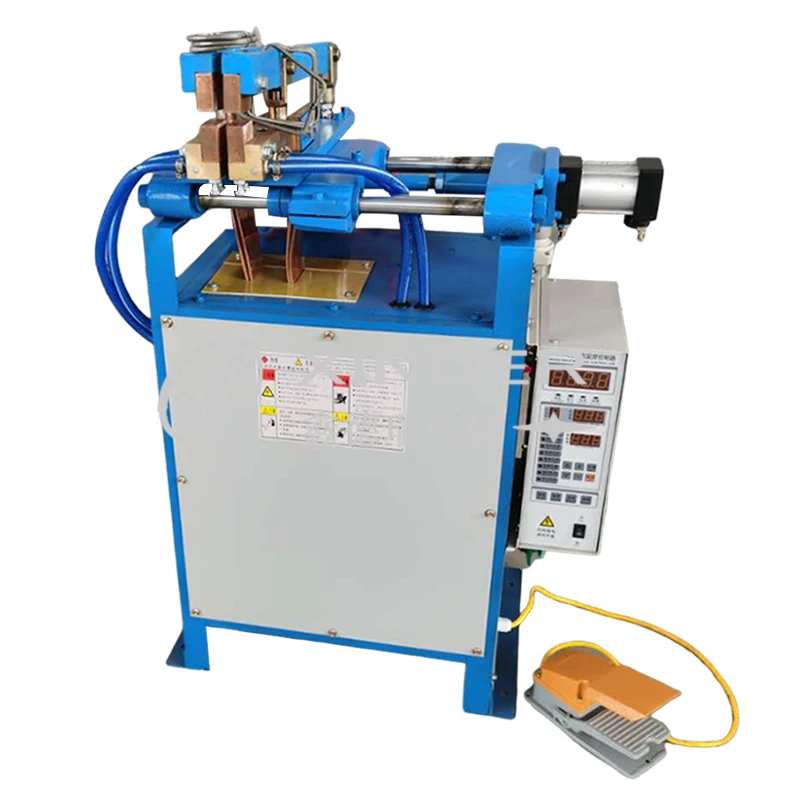 Pneumatic Handle Welding MachineSep . 13, 2024
 -
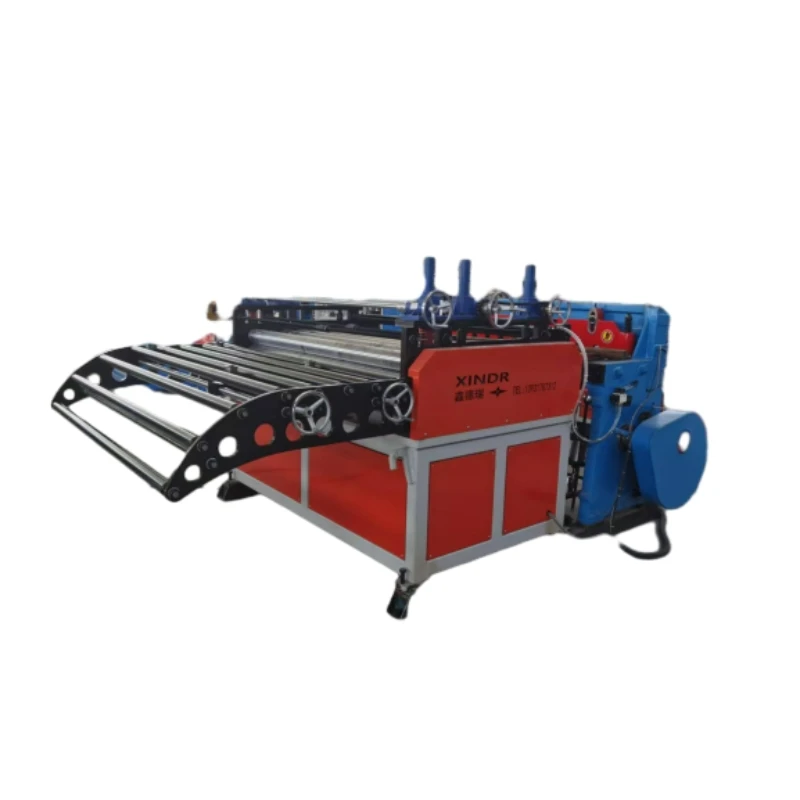 Fully Automatic Kaiping Production LineOct . 17, 2024
 -
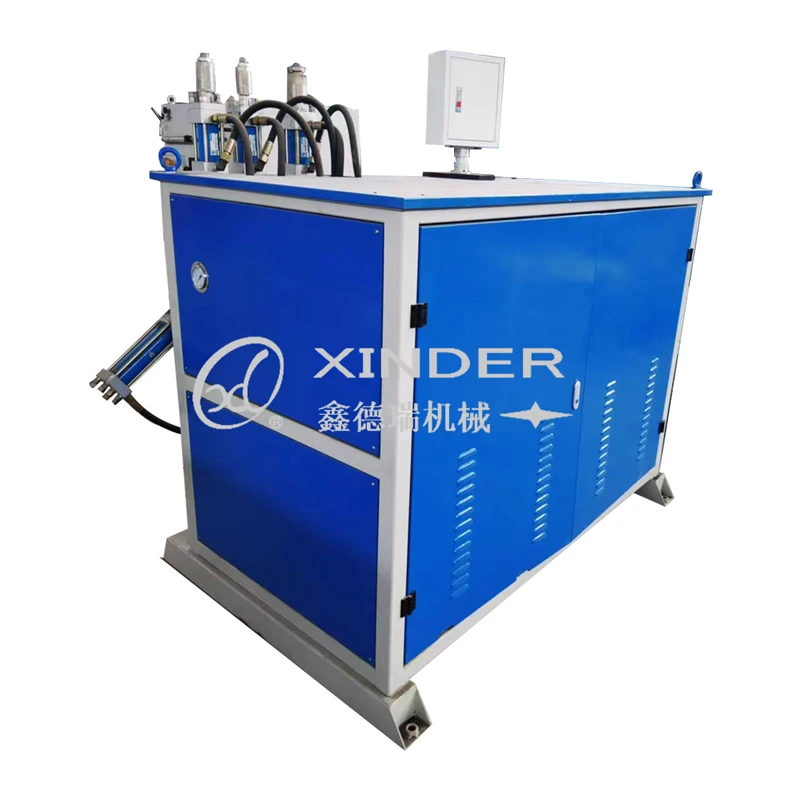 Fully Automatic Metal Bucket Lifting HeadphonesSep . 14, 2024