-
 8613931787312
-
 Botou Industrial Zone on the east side of National Highway 104, Botou City, Hebei Province
8613931787312
Selecting the right equipment to manufacture high-integrity metal containers often begins with a critical evaluation of seam integrity and production throughput. For businesses looking to buy steel drum production capabilities, the transition from manual assembly to automated welding is the primary driver of scalability.
The modern metal packaging industry requires a balance between material versatility—handling everything from galvanized sheets to stainless steel—and the precision of the weld. As industrial standards for chemical and military-grade barrels tighten, the focus has shifted toward seamless, leak-proof joints that can withstand internal pressure and external corrosion.
This report analyzes the technical framework of seam welding technology, the critical parameters for ensuring container durability, and the operational logic required to optimize a metal barrel production line.


Seam welding for steel drums is a specialized resistance welding process where the joint is formed by the heat generated from electrical resistance at the interface of two overlapping metal sheets. Unlike spot welding, this process creates a continuous, hermetic seal, which is non-negotiable for containers holding volatile chemicals or pressurized gases.
The core logic involves a rotating workpiece and a precisely controlled electrode movement. The use of PLC systems, such as those from Delta, allows for the synchronization of the feed rate and the welding current, ensuring that the weld overlap—typically between 3-4mm—remains consistent throughout the entire circumference of the drum.
The challenge in welding galvanized steel or tinplate lies in the coating. Zinc and tin have lower melting points than the base steel, which can lead to electrode contamination and "spitting" during the weld. To counteract this, professional equipment employs copper wire as the middle electrode. This design prevents the galvanized layer from damaging the primary electrode, maintaining a stable arc and consistent weld quality over thousands of cycles.
Versatility in material handling is a key marker of high-end machinery. A robust system must be capable of processing board thicknesses from 0.2mm up to 1.0mm. Whether it is a thin-walled gift packaging box or a heavy-duty military barrel, the machine must adjust its input capacity (e.g., 25KVA) and voltage (3-phase 380V) to match the thermal conductivity of the specific alloy being used.
Beyond the material, the mechanical stability of the production line—incorporating Siemens motors and Schneider relays—ensures that the feed movement is jitter-free. Any micro-stoppage during the welding process can create a "cold weld" or a pinhole, which would render the final steel drum useless for liquid storage.
Achieving a professional-grade seal requires the precise calibration of several intersecting variables. The overlap amount (3-4mm) must be paired with the correct welding length (ranging from 100mm to 1800mm) to ensure the structural integrity of the cylinder. If the overlap is too small, the weld lacks strength; if it is too large, excessive heat can warp the thin-walled metal.
The critical success factor in drum manufacturing is the transition between continuous, pulse, and intermittent seam welding modes, allowing the operator to manage heat input based on the specific thickness and coating of the metal sheet.
Thermal management is further supported by a cold water flow rate (typically around 20L/min), which prevents the electrodes from overheating. Without active cooling, the electrode geometry degrades, leading to uneven pressure distribution and an inconsistent weld bead, which increases the failure rate during pressure testing.
Measuring the ROI of a welding line depends on the balance between speed and quality. A production speed of 3-4 pieces per minute is a standard benchmark for manual feeding systems. While this may seem modest, the high reliability of the seal reduces the cost of quality control and scrap rates.
When evaluating throughput, manufacturers must consider the combined impact of compressed air pressure (0.5MPa) and pneumatic consumption (250L/min). These factors determine how quickly the machine can cycle through clamping, welding, and releasing, which directly impacts the daily output of the facility.
The utility of high-precision seam welding extends far beyond standard oil drums. In military applications, barrels must meet rigorous leak-proof standards to protect munitions or sensitive supplies from moisture. Similarly, the chemical industry requires containers that can withstand the corrosive nature of paints and solvents, making the choice of stainless steel or specialized coated sheets essential.
We also see these machines applied to niche industrial products, such as vacuum cleaner casings, fire extinguisher boxes, and solar water tanks. Each of these applications demands a specific welding diameter (from 70mm up to 600mm), highlighting the necessity for customizable equipment that can be tailored to the customer's specific technical drawings.
The shift toward "Industry 4.0" has introduced more sophisticated control systems to the metal container sector. The integration of Delta PLCs and high-efficiency inverters allows for real-time monitoring of the welding current, which can be adjusted on the fly to compensate for variations in material thickness.
Modern production lines are now designed as "one-stop" ecosystems. Instead of isolated machines, manufacturers are implementing integrated lines that include rolling, seam welding, and flanging. This reduction in manual handling not only increases speed but significantly reduces the risk of mechanical deformation of the barrel body.
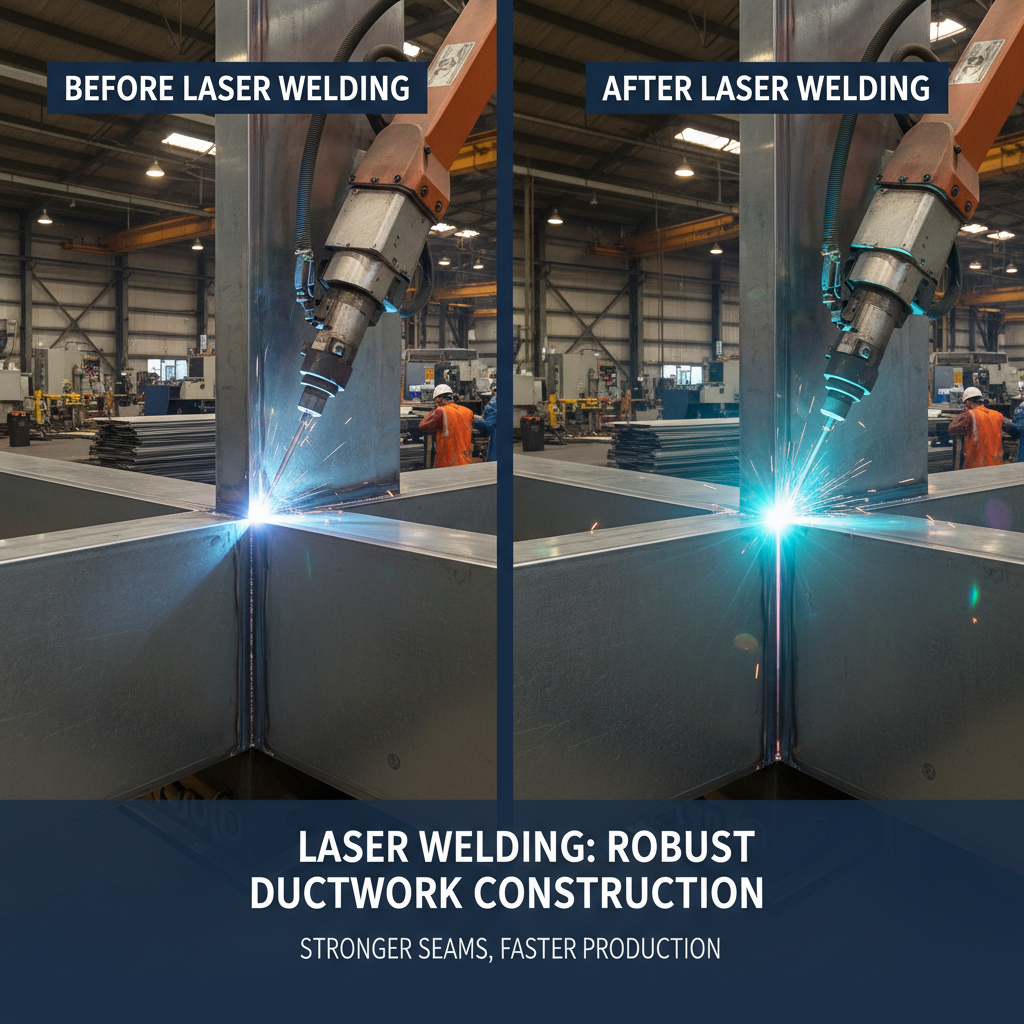
Future developments are leaning toward laser welding and more advanced pneumatic components to further reduce energy consumption while increasing the weld's aesthetic quality. However, for the majority of industrial steel drum applications, resistance seam welding remains the gold standard due to its cost-effectiveness and proven reliability.
When deciding to buy steel drum making equipment, the decision should not be based on price alone. The total cost of ownership is heavily influenced by the quality of the components. Using brands like Siemens for motors and Schneider for relays ensures lower downtime and easier sourcing of replacement parts.
A critical part of the selection process is verifying the machine's flexibility. Can it handle different diameters without extensive downtime for re-tooling? Is the PLC system intuitive enough for operators to adjust pulse welding settings for a new batch of tinplate? These operational nuances define the long-term efficiency of the plant.
Finally, the capability for custom design is paramount. Because every product—from a paint bucket to a chemical barrel—has unique specifications, the ability of a manufacturer to tailor the welding length and diameter to specific drawings is a decisive advantage.
| Container Type | Material Priority | Critical Parameter | Weld Mode |
|---|---|---|---|
| Military Barrel | Base Iron Cold Plate | High Overlap (4mm) | Continuous |
| Paint Bucket | Tinplate/Galvanized | Surface Smoothness | Pulse |
| Chemical Drum | Stainless Steel | Corrosion Resistance | Continuous |
| Vacuum Casing | Thin Galvanized | Heat Control (0.2mm) | Intermittent |
| Solar Tank | Stainless Steel | Large Diameter (600mm) | Continuous |
| Gift Packaging | Tinplate | Aesthetic Bead | Pulse |
Seam welding creates a continuous, airtight joint by moving the electrodes along the overlap of the metal sheets, whereas spot welding only creates intermittent bonds. For steel drums, seam welding is essential because it ensures the container is leak-proof and can hold liquids or gases under pressure, which is a requirement for industrial, military, and chemical storage.
When welding galvanized or tin-plated sheets, the coating can contaminate traditional electrodes, leading to uneven current and poor weld strength. Copper wire acts as a sacrificial or protective middle electrode that prevents the galvanized layer from damaging the primary equipment, ensuring a consistent, dense weld bead and extending the overall lifespan of the welding head.
The choice depends on the intended use: thin-walled containers (0.2-0.5mm) are suitable for gift boxes or vacuum casings, while industrial and military drums typically require 0.6mm to 1.0mm. Ensure your welding machine is rated for your specific thickness, as the input capacity and current settings must be adjusted to prevent burn-through on thin sheets or incomplete penetration on thicker ones.
Yes, professional seam welding machines are often designed with adjustable ranges (e.g., 70mm to 600mm). However, for extreme changes in diameter, the equipment may require customized rollers or specific settings in the PLC to maintain the correct rotational speed and weld overlap. It is recommended to specify your required range during the procurement process.
Regular maintenance focuses on the cooling system (checking water flow rate) and electrode wear. Because resistance welding involves high heat and pressure, electrodes must be dressed or replaced to maintain a flat contact surface. Additionally, pneumatic components should be lubricated, and the PLC parameters should be periodically verified against the material batch to ensure consistency.
Automation removes human error from the welding cycle. A PLC (like Delta) can precisely control the timing of the current pulse and the speed of the workpiece rotation. This results in a uniform weld bead across the entire length of the seam, which is critical for passing pressure tests and ensuring that every barrel produced meets the same quality standard.
The production of high-quality metal drums is a convergence of materials science and precision mechanical engineering. From the careful selection of copper electrodes to the integration of Siemens motors and Delta PLCs, every component plays a role in ensuring the final container is structurally sound and completely leak-proof.
For manufacturers, the path to increased profitability lies in reducing scrap rates through automation and enhancing the versatility of their production lines. By focusing on precise weld parameters and material compatibility, businesses can scale their operations to meet the rigorous demands of the global packaging and industrial container markets.