-
 8613931787312
 -
 Botou Industrial Zone on the east side of National Highway 104, Botou City, Hebei Province


Plate Bending Machine Manual: Expert Tips for Optimal Operation
Understanding the plate bending machine manual: A seasoned view
Having spent a fair amount of years in the industrial equipment sector, I can say one thing for sure: no matter the advancements in CNC or hydraulic controls, the manual remains a cornerstone for many operators and fabricators alike. Oddly enough, while automation has surged forward, the manual approach still holds a kind of charm and reliability that many seasoned engineers respect.
Now, in real terms, plate bending machines are workhorses. You throw in sheet metal — steel, aluminum, even stainless steel — and they bend it into shapes needed for everything from marine vessels to skyscraper frameworks. But here's the thing: without a dependable manual, even the slickest machine can turn into a headache. I noticed that operators who engage deeply with the manual tend to get much better results — it’s not just about pushing a button; it’s knowing the machine’s pulse, from its roller adjustments to the right bending sequences.
Plate bending machines, as you might know, come in various designs—mechanical, hydraulic, and even hybrid variants. Each one’s manual usually outlines not only setup but critical safety instructions and maintenance schedules. I remember a project where a quick glance at the manual saved a full day's rework — the operator adjusted the pre-bending roll angle exactly as specified, which prevented warping and reduced scrap.
Product Specifications
| Specification | Typical Value | Notes |
|---|---|---|
| Max Plate Thickness | 20 mm (Steel) | Varies by model and material |
| Max Plate Width | 3000 mm | Important for size handling |
| Bending Radius | Adjustable, min 2x plate thickness | Critical for design flexibility |
| Roller Material | Hardened Steel | Durability & wear resistance |
| Operation Mode | Manual / Semi-Automatic | Provides flexibility for skilled operators |
Speaking of materials and quality, the manuals almost always emphasize routine checks — oiling, roller alignment, and hydraulic inspections if applicable. Frankly, skipping these steps can be costly. I recall a shop where they ignored some manual advice, and one roller began to wear unevenly, which caused inconsistent bends and production delays. Those were expensive lessons, but they underscore why the manual isn’t just a formality.
How Vendors Stack Up
| Vendor | Manual Clarity | Customization Options | Tech Support |
|---|---|---|---|
| XDR Machinery | Very detailed, with step-by-step visuals | Highly customizable machine parameters | Responsive, direct phone & online help |
| Alpha Benders | Standard, mostly text-based | Limited to model presets | Email-based, slower response |
| SteelForm Tech | Includes troubleshooting tips | Moderate, with some software aids | Moderate, phone support during business hours |
Many engineers I’ve talked with emphasize the value in manuals that go beyond basic operation — those which include troubleshooting guides, maintenance tips, and even some suggested usage scenarios. XDR Machinery is a vendor I’ve seen appreciated often for delivering manuals that empower users instead of just giving an instruction sheet.
Customization also plays a big role because not every bending job is the same. In some work, the radius needs to be spot on; in others, speed is critical. You know, these manual guides help operators tweak settings as opposed to hammering blindly. That kind of flexibility can make a subtle but real difference in production timelines and material waste.
Let me tell you a quick anecdote: I once visited a fabricator who had just switched to a manual-mode bending machine after years of fully automated rigs. They told me that having the manual “at hand” reduced their downtime significantly because operators could immediately understand how to correct small errors — without waiting on programmers or technicians. It felt like a small shift in workflow, but it boosted their confidence and throughput.
So, in conclusion, whether you’re dealing with a brand-new machine or an older hydraulic giant, treating the plate bending machine manual as your trusted companion pays dividends. It's more than just paper; it’s a roadmap for smooth operation and long-term reliability.
Just a little tip from someone who's been around the bend — literally and figuratively.
References
- Industry Standard Specifications for Plate Bending Machines, ISO 9001:2015
- Technical User Manuals by XDR Machinery, 2023 edition
- Interview with Senior Fabricators, Industrial Equipment Journal, 2022
-
Guide to Spartan Steel Bending Machine Price and Cost FactorsNewsApr.16,2026
-
Analyzing the Spartan Bending Machine Price and Buyer GuideNewsApr.09,2026
-
Understanding Small Bending Machine Price and Choosing the Right OptionNewsApr.07,2026
-
Comprehensive Guide to Sheet Metal Bending Machine Price and SelectionNewsApr.04,2026
-
Comprehensive Guide to Roofing Sheet Bending Machine Price and SelectionNewsMar.31,2026
-
Comprehensive Guide to Profile Bending Machine Price and SelectionNewsMar.28,2026
-
Comprehensive Guide to Press Bending Machine Price and Purchasing ConsiderationsNewsMar.26,2026
-
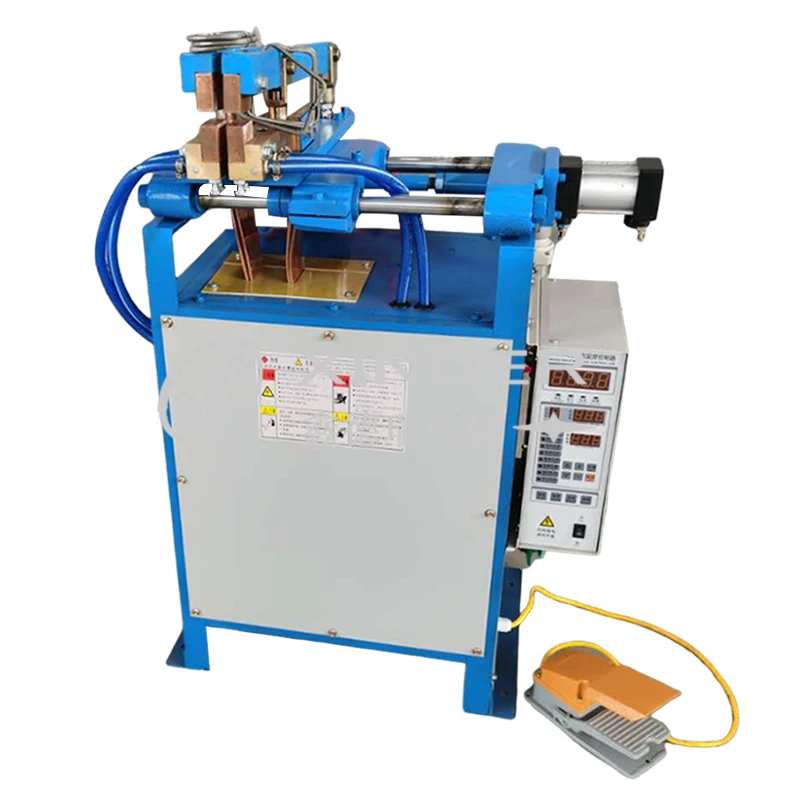 Pneumatic Handle Welding MachineSep . 13, 2024
 -
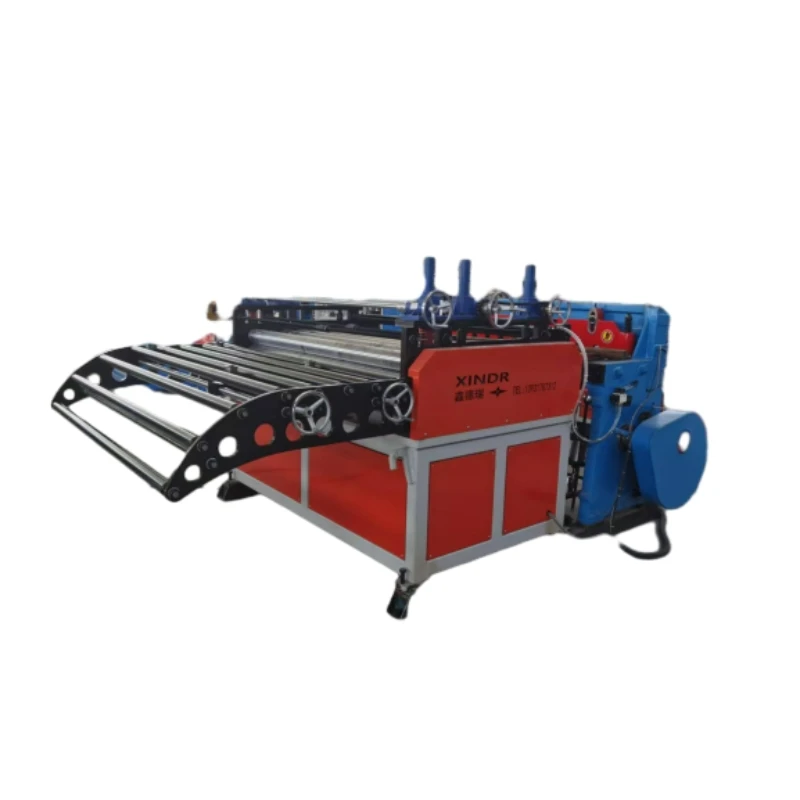 Fully Automatic Kaiping Production LineOct . 17, 2024
 -
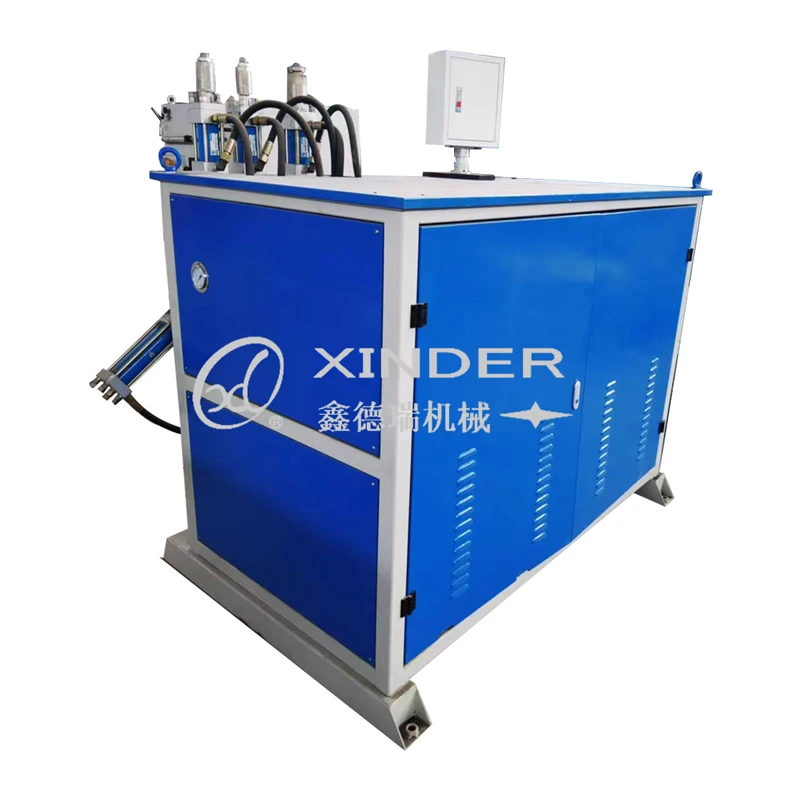 Fully Automatic Metal Bucket Lifting HeadphonesSep . 14, 2024