-
 8613931787312
 -
 Botou Industrial Zone on the east side of National Highway 104, Botou City, Hebei Province


High-Quality Plexiglass Bending Machine | XDR Machinery Overview
Understanding the plexiglass bending machine: A Practical Guide
Having spent quite a few years knee-deep in the industrial equipment sector, I’ve seen a lot of machines promise the moon — only to deliver a sluggish moonwalk. But when it comes to plexiglass bending machines, frankly, things are getting pretty interesting. If you’re in the acrylic fabrication business, you know how tricky it can be working with plexiglass (also called acrylic sheet). Heat it unevenly, and you get bubbles; bend it too quickly, and it snaps. That’s where a reliable plexiglass bending machine makes a real difference.
One of the machines that often comes up in discussions is the XDR Machinery plexiglass bending machine. Oddly enough, it strikes a nice balance between precision and user-friendliness without demanding a PhD to operate. The principle is straightforward: using controlled heating elements and adjustable bending bars, you soften the acrylic and mold it into desired shapes with minimal stress on the material.
In real terms, this means you can create clean bends at sharp angles or gentle curves for display cases, signage, or protective guards—custom shapes that sorts of shout quality and professionalism. I've observed that many engineers appreciate how these machines come with smart temperature controls, which, honestly, can be the difference between a flawless product and wasted material.
| Feature | Specification |
|---|---|
| Max Sheet Thickness | 12mm |
| Heating Length | 800mm |
| Heating Method | Infrared Quartz Tube |
| Bending Angle | 0 - 180 degrees |
| Temperature Control | Digital PID Controller |
| Power Supply | 220V, 50Hz |
| Machine Dimensions (L×W×H) | 1100mm × 300mm × 1200mm |
Customization, oddly enough, is one of those things not many manufacturers shout about enough. I remember a client who required bends with very precise radii for architectural models—off-the-shelf machines were close but not quite the fit. The XDR machine’s modular heating modules let us tweak the setup for those unique curves, yielding professional results without a ton of guesswork.
It’s also worth noting how dedication to quality control shows up in this kind of industrial equipment. Many plexiglass bending machines undergo rigorous testing to reduce uneven heating and overheating, which you can spot by the clear, bubble-free bends consistently produced. This is crucial, you know—if you ever tried reworking bubble-filled acrylic, you’ll agree it's simply more hassle than it’s worth.
| Feature | XDR Machinery | Competitor A | Competitor B |
|---|---|---|---|
| Max Sheet Thickness | 12mm | 10mm | 15mm |
| Heating Technology | Infrared Quartz | Convection | Infrared Quartz |
| Temperature Control | Digital PID | Analog Dial | Digital PID |
| Bending Angle Range | 0 - 180° | 0 - 160° | 0 - 170° |
| Price Range | $$$ | $$ | $$$$ |
| User Friendliness | High | Medium | Low |
From my experience, while many manufacturers talk a good game, the proof often lies in the after-sales support and ease of integration into existing workflows—two areas where XDR Machinery really stands out. Their machines don’t just sit there; they become partners in the workshop.
That said, choosing the right plexiglass bending machine depends on your specific project size, budget, and technical comfort level. But if you ask me, investing in a high-quality, reliable plexiglass bending machine pays off pretty quickly by cutting down scrap rates and boosting product quality. And isn’t that what every shop wants?
Ultimately, whether you’re just starting out or scaling production, there’s a lot to consider — but at the end of the day, it’s about making your products stand out with clean, precise bends every time.
Takeaway: A great plexiglass bending machine isn’t just equipment. It’s a craft tool—helping turn plastic sheets into pieces of art, structure, or protection with trust and confidence.
References:
1. Industry discussions and hands-on experience with acrylic fabrication.
2. Manufacturer specifications and user reports on XDR Machinery products.
3. Comparative insights from recent trade shows and equipment expos.
-
Guide to Spartan Steel Bending Machine Price and Cost FactorsNewsApr.16,2026
-
Analyzing the Spartan Bending Machine Price and Buyer GuideNewsApr.09,2026
-
Understanding Small Bending Machine Price and Choosing the Right OptionNewsApr.07,2026
-
Comprehensive Guide to Sheet Metal Bending Machine Price and SelectionNewsApr.04,2026
-
Comprehensive Guide to Roofing Sheet Bending Machine Price and SelectionNewsMar.31,2026
-
Comprehensive Guide to Profile Bending Machine Price and SelectionNewsMar.28,2026
-
Comprehensive Guide to Press Bending Machine Price and Purchasing ConsiderationsNewsMar.26,2026
-
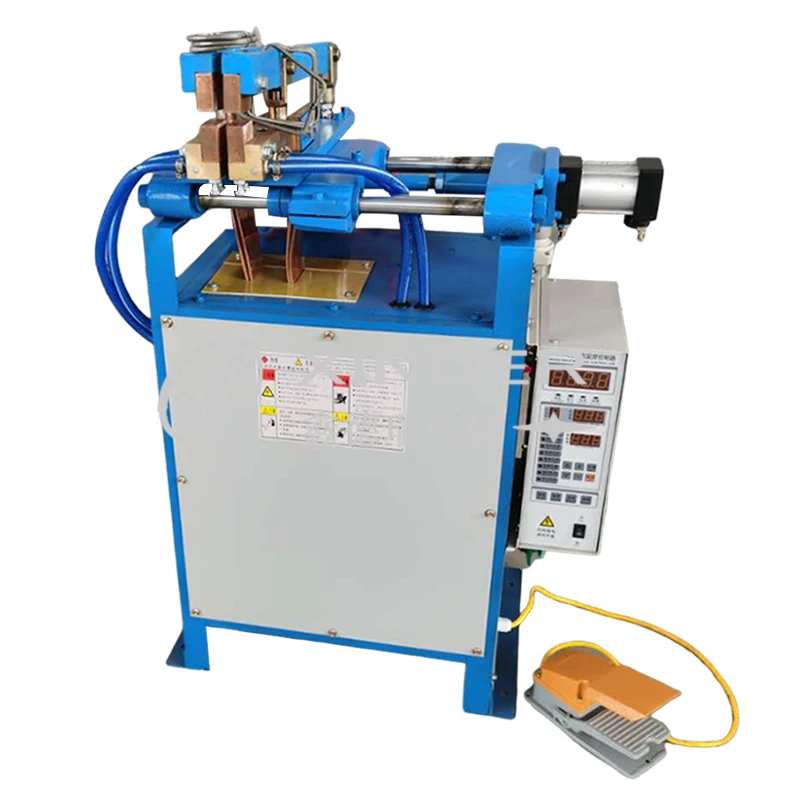 Pneumatic Handle Welding MachineSep . 13, 2024
 -
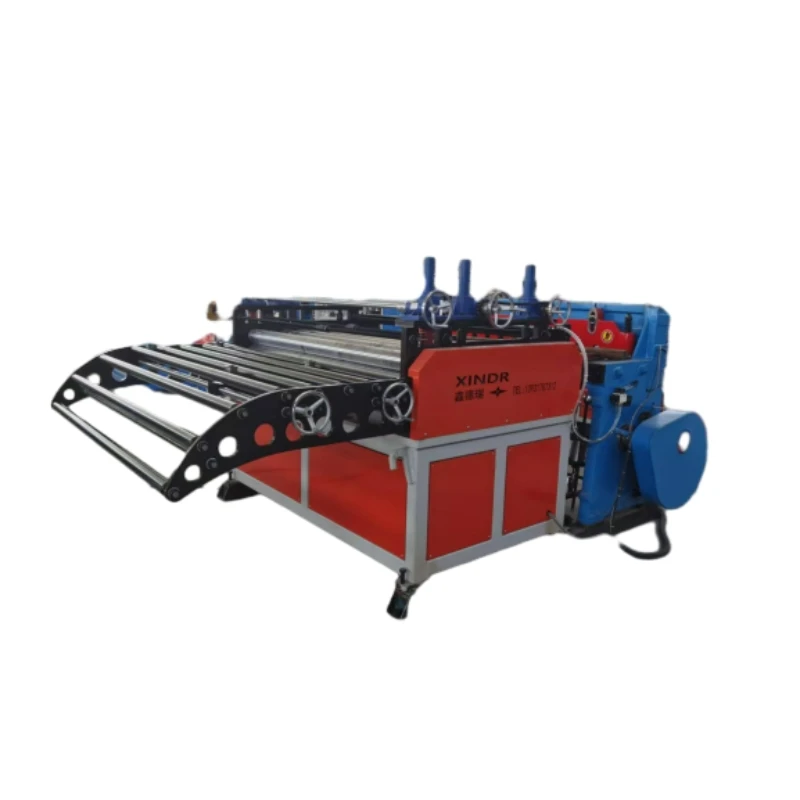 Fully Automatic Kaiping Production LineOct . 17, 2024
 -
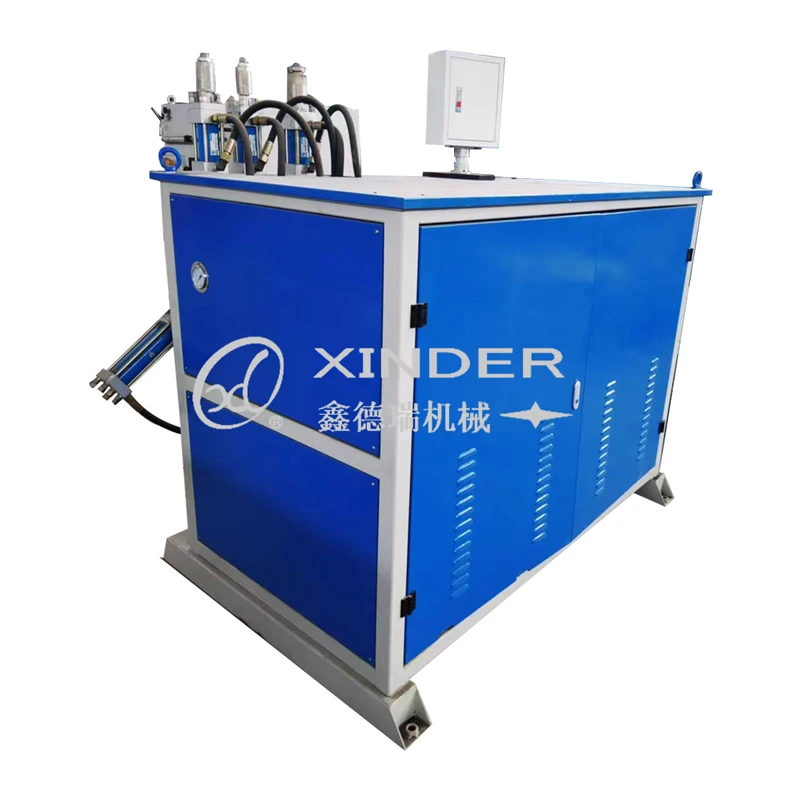 Fully Automatic Metal Bucket Lifting HeadphonesSep . 14, 2024