-
 8613931787312
 -
 Botou Industrial Zone on the east side of National Highway 104, Botou City, Hebei Province


Building a Robust Home Made Bending Machine for Metal Fabrication Projects
Home Made Bending Machine: A Comprehensive Guide
In the realm of metal fabrication and DIY projects, the ability to bend metal accurately and efficiently is invaluable. While industrial bending machines offer precision, a home made bending machine provides a cost-effective and customizable solution for hobbyists, small workshops, and specific project needs. This article will explore the different types, benefits, construction considerations, and safety precautions associated with building your own metal bending machine. We’ll also look at how a well-constructed machine can improve your metalworking capabilities.
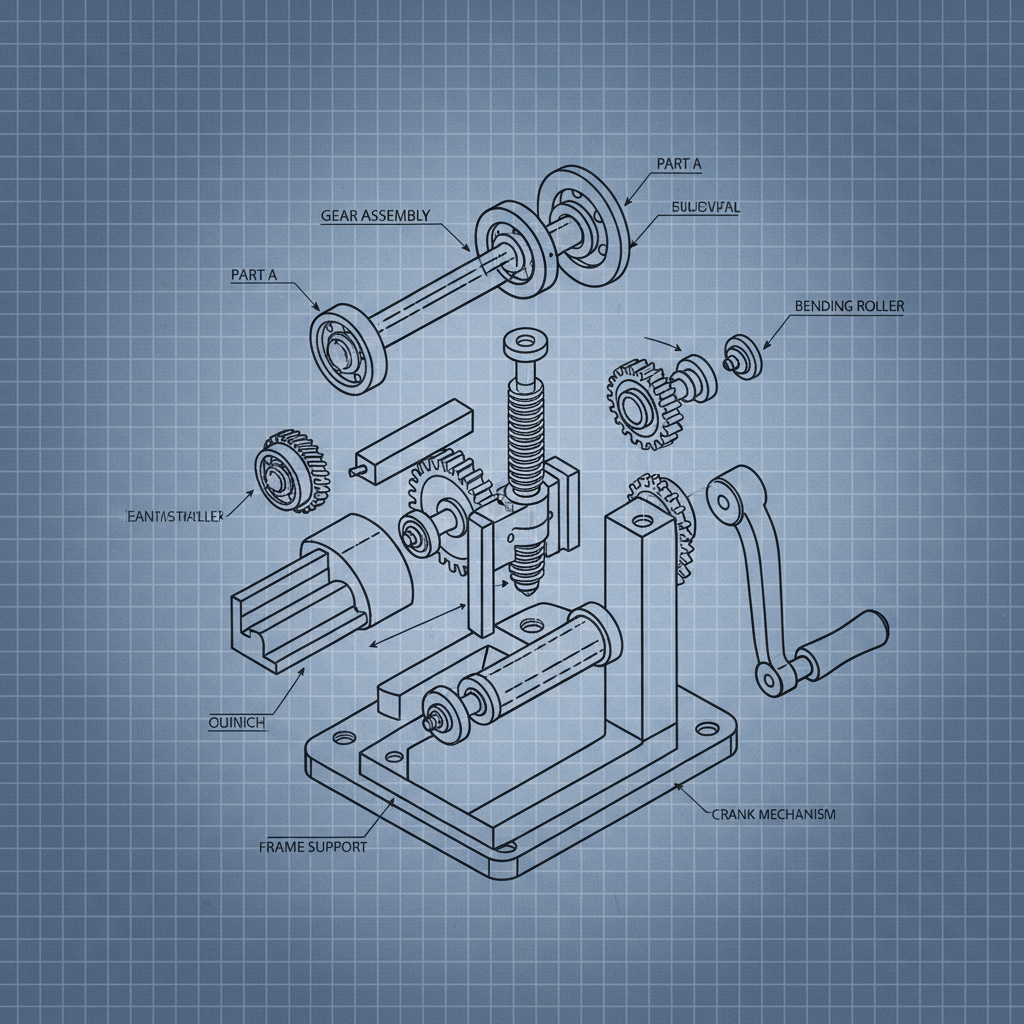
Types of Home Made Bending Machines
There are several approaches to creating a home made bending machine, each suited for different materials, thicknesses, and bending angles. Common types include lever bending machines, rotary draw bending machines, and finger bending machines. Lever bending machines utilize mechanical advantage to bend sheet metal, while rotary draw bending machines are excellent for creating curves in tubing and pipes. Finger bending machines are ideal for smaller, more precise bends. The complexity of construction varies significantly between these types, impacting the tools, skills, and time required. A well-designed home made bending machine can rival the capabilities of some commercially available options.
Key Considerations: Selecting the right type depends on your project requirements, available space, budget, and skill level. Prioritize safety features and robust construction for long-lasting performance.
Materials and Construction Techniques
The materials used to build a home made bending machine should be robust and capable of withstanding significant force. Steel is the most common choice for the frame and bending components, offering strength and durability. Depending on the design, you might also utilize plywood for forming dies, bearings for smooth operation, and various fasteners for assembly. Welding is frequently employed to join steel components, requiring proficiency in welding techniques. Accurate cutting, drilling, and grinding are also essential for creating a precise and functional machine. Consider using readily available materials to reduce costs and simplify construction. XDR Machinery can provide inspiration for designs.
Essential Materials:
• Steel (various thicknesses)
• Plywood (for dies)
• Bearings
• Fasteners (bolts, nuts, screws)
Home Made Bending Machine vs. Commercial Options
Comparing a home made bending machine to commercially available models reveals both advantages and disadvantages. Commercial machines offer greater precision, repeatability, and often a wider range of capabilities. However, they come at a significant cost. A home made machine is far more affordable, allowing for customization to specific needs, and providing a rewarding building experience. The trade-off is typically in precision and build quality, requiring more manual effort and potentially limiting the types of bends achievable. Choosing the right option depends on your budget, project requirements, and skill level. Investing in a high-quality bending machine from a reputable supplier can save time and ensure precise results.
Safety Precautions for Home Made Bending Machines
Safety is paramount when operating any metalworking machinery, including home made bending machines. Always wear appropriate personal protective equipment (PPE), including safety glasses, gloves, and hearing protection. Ensure the machine is securely mounted to a stable surface to prevent movement during operation. Never exceed the machine’s capacity or attempt to bend materials that are too thick or hard. Use caution when applying force, and avoid placing your hands or body in the path of potential movement. Regular inspection and maintenance are crucial to identify and address any potential hazards. Consider adding safety guards and emergency stop mechanisms to enhance safety.
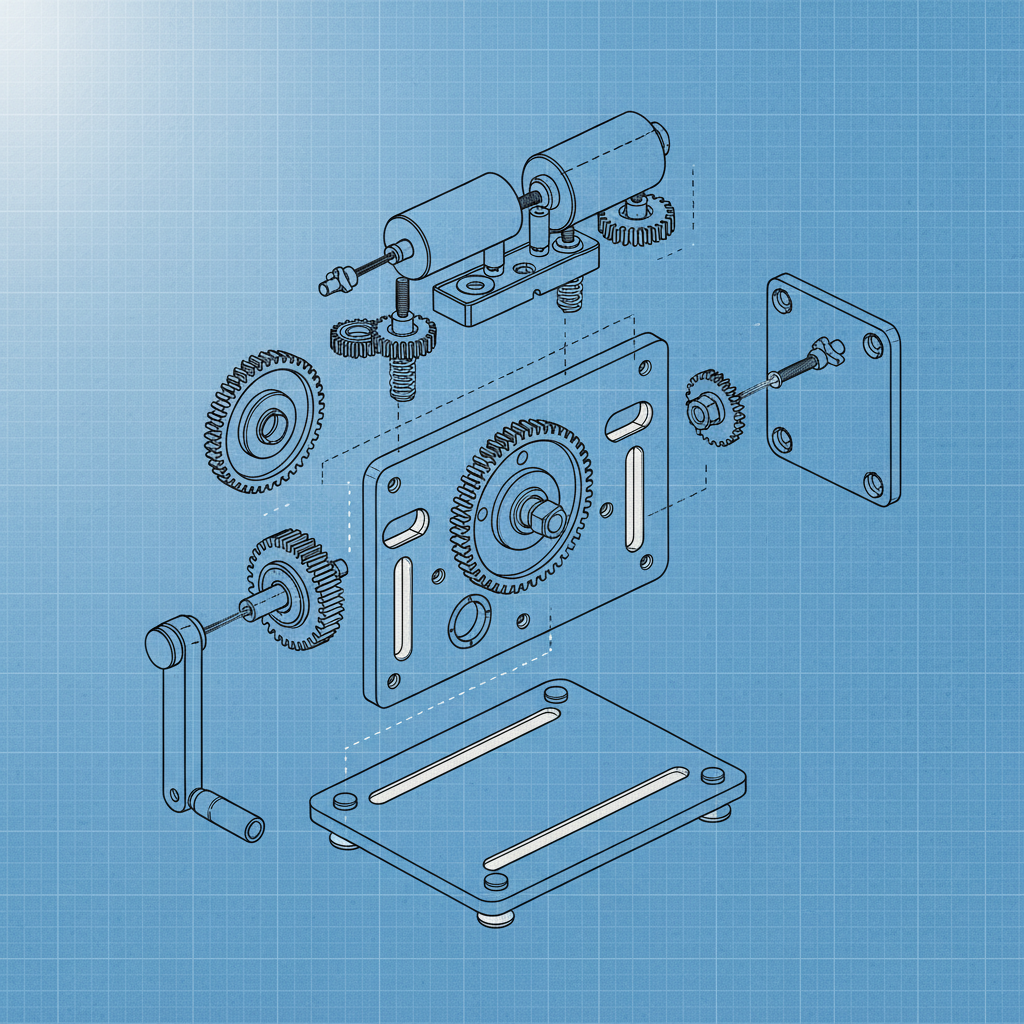
Resources and Inspiration for Building Your Machine
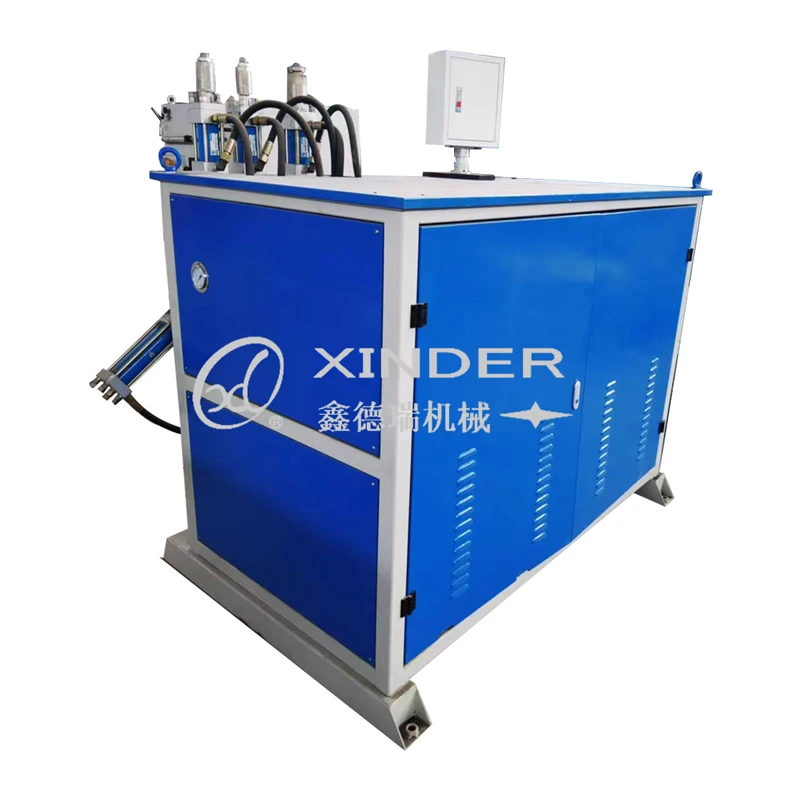
Numerous online resources offer plans, tutorials, and inspiration for building home made bending machines. Websites, YouTube channels, and online forums dedicated to metalworking are excellent sources of information. XDR Machinery provides examples of professional-grade bending machines, offering insights into design and functionality. Remember to thoroughly research and understand the plans before starting construction, and prioritize safety throughout the process. Don't hesitate to seek guidance from experienced metalworkers if you encounter challenges.
Conclusion: Empowering Your Metalworking with a Home Made Solution
Building a home made bending machine can be a rewarding and cost-effective way to expand your metalworking capabilities. By carefully considering your needs, choosing the right design, and prioritizing safety, you can create a valuable tool that will enhance your projects for years to come.
Frequently Asked Questions (FAQs)
What type of metal can a home made bending machine handle?
The type of metal a home made bending machine can handle depends largely on its design and construction. Most machines are suitable for bending mild steel, aluminum, and copper. However, bending harder metals like stainless steel or thicker materials may require a more robust machine with greater leverage and stronger components. The thickness of the metal is also a key factor; thinner materials are easier to bend than thicker ones. Careful consideration of the machine's capacity and the material's properties is essential to avoid damage or failure.
What tools are essential for building a home made bending machine?
Essential tools include a welder (if constructing a steel frame), a metal cutting saw or grinder, a drill with various drill bits, a measuring tape, a square, and wrenches. Depending on the design, you may also need a vise, a hammer, and files for finishing. Safety equipment such as safety glasses, gloves, and a welding helmet are crucial. Having access to a metal lathe or milling machine can be helpful for creating precise components, but is not always necessary.
How can I ensure the accuracy of bends made with my home made machine?
Accuracy can be improved by using precise measuring tools, creating well-defined forming dies, and ensuring the machine is securely mounted. Experiment with different bending techniques and adjust the machine's settings to achieve the desired angle and radius. Consistent pressure and a slow, controlled bending process will also contribute to greater accuracy. Consider adding angle indicators or stops to help achieve repeatable bends.
What are the common challenges encountered when building a home made bending machine?
Common challenges include achieving sufficient leverage for bending thicker materials, maintaining alignment during bending, and creating accurate forming dies. Welding can also be challenging for those without experience. Addressing these challenges often requires careful planning, robust construction, and a willingness to experiment and refine the design. Seeking advice from experienced metalworkers can be invaluable.
-
Guide to Spartan Steel Bending Machine Price and Cost FactorsNewsApr.16,2026
-
Analyzing the Spartan Bending Machine Price and Buyer GuideNewsApr.09,2026
-
Understanding Small Bending Machine Price and Choosing the Right OptionNewsApr.07,2026
-
Comprehensive Guide to Sheet Metal Bending Machine Price and SelectionNewsApr.04,2026
-
Comprehensive Guide to Roofing Sheet Bending Machine Price and SelectionNewsMar.31,2026
-
Comprehensive Guide to Profile Bending Machine Price and SelectionNewsMar.28,2026
-
Comprehensive Guide to Press Bending Machine Price and Purchasing ConsiderationsNewsMar.26,2026
-
 Pneumatic Handle Welding MachineSep . 13, 2024
 -
 Fully Automatic Kaiping Production LineOct . 17, 2024
 -
 Fully Automatic Metal Bucket Lifting HeadphonesSep . 14, 2024