-
 8613931787312
 -
 Botou Industrial Zone on the east side of National Highway 104, Botou City, Hebei Province


Building a Functional Homemade Bending Machine for Metal Fabrication Projects
Homemade Bending Machine: A Comprehensive Guide
For metal fabrication shops, construction businesses, or even dedicated DIY enthusiasts, the ability to bend metal efficiently is crucial. While industrial bending machines offer high precision, a homemade bending machine presents a cost-effective and customizable alternative. This article delves into the world of DIY metal bending, exploring designs, construction techniques, safety considerations, and applications, helping you determine if building your own machine is the right solution for your needs. We'll also look at how a well-built homemade machine can compare to commercially available options.
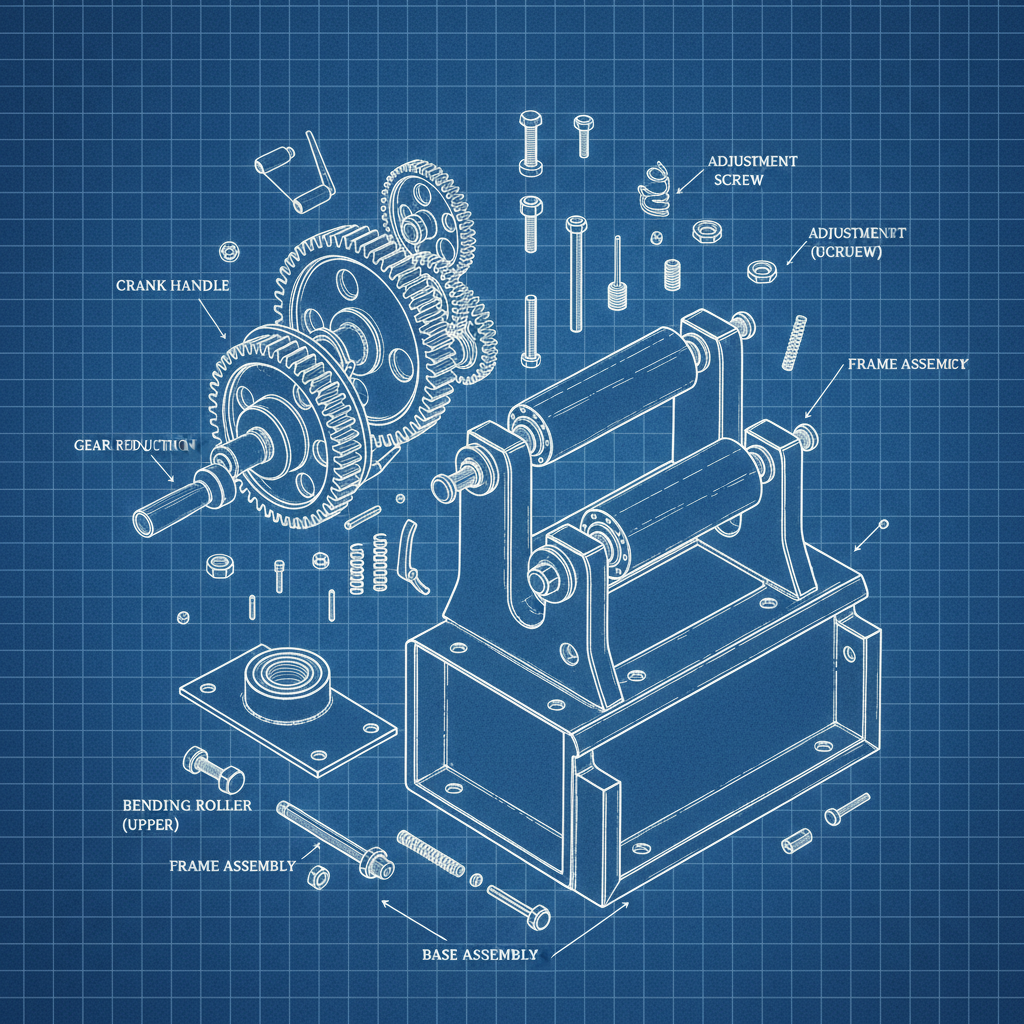
Understanding the Basics of Homemade Bending Machines
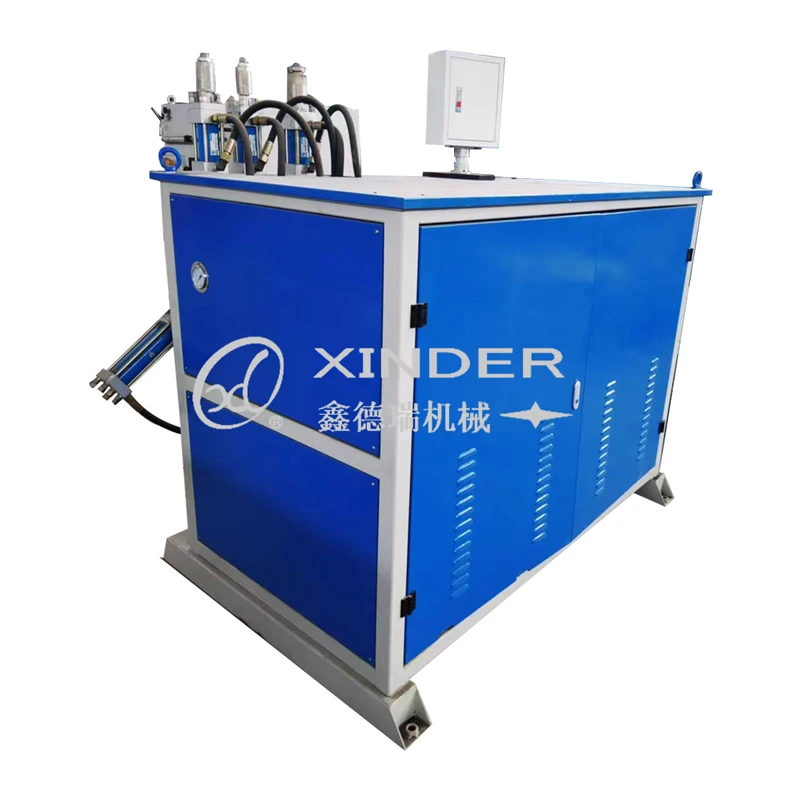
A homemade bending machine aims to replicate the functionality of its industrial counterparts, albeit often on a smaller scale. The core principle involves applying controlled force to a metal sheet or bar to induce a bend. Common designs utilize leverage, hydraulic power, or a combination of both. The choice of design depends on the type of metal you intend to bend, the desired bending radius, and the available resources. XDR Machinery offers various bending solutions if a custom build isn’t feasible.
Key Considerations: The type of metal, desired bending radius, available resources and skill level will heavily influence the design.
Popular Homemade Bending Machine Designs
Several designs are popular among DIY enthusiasts. The simplest is a lever-type bending machine, utilizing a long handle for increased leverage. These are suitable for softer metals like aluminum and mild steel. More robust designs incorporate hydraulic cylinders, offering significantly more power for bending thicker materials. Another common approach is the roller bending machine, which uses a series of rollers to gradually bend the metal. Each design has its pros and cons regarding cost, complexity, and bending capacity.
Design Options:
• Lever-type: Simple, low cost, suitable for softer metals.
• Hydraulic: High power, capable of bending thicker materials.
• Roller bending: Gradual bends, ideal for curves and arcs.
Homemade Bending Machine vs. Commercial Options
Comparing a homemade bending machine to a commercially manufactured one requires evaluating several factors. Commercial machines boast higher precision, repeatability, and safety features. They are also designed for heavy-duty use and often come with warranties. However, they come at a significant cost. A homemade machine, while potentially less precise, is far more affordable and can be customized to specific requirements. The trade-off is the time and effort required for construction and the potential for lower durability.
Safety Considerations When Building and Using a Homemade Bending Machine
Safety is paramount when working with metal and machinery. A homemade bending machine, if not constructed and used properly, can pose significant hazards. Always wear appropriate personal protective equipment (PPE), including safety glasses, gloves, and sturdy footwear. Ensure the machine is securely mounted to a stable base to prevent tipping. Never exceed the machine's capacity, and always use caution when applying force. Regularly inspect the machine for wear and tear, and address any issues promptly.
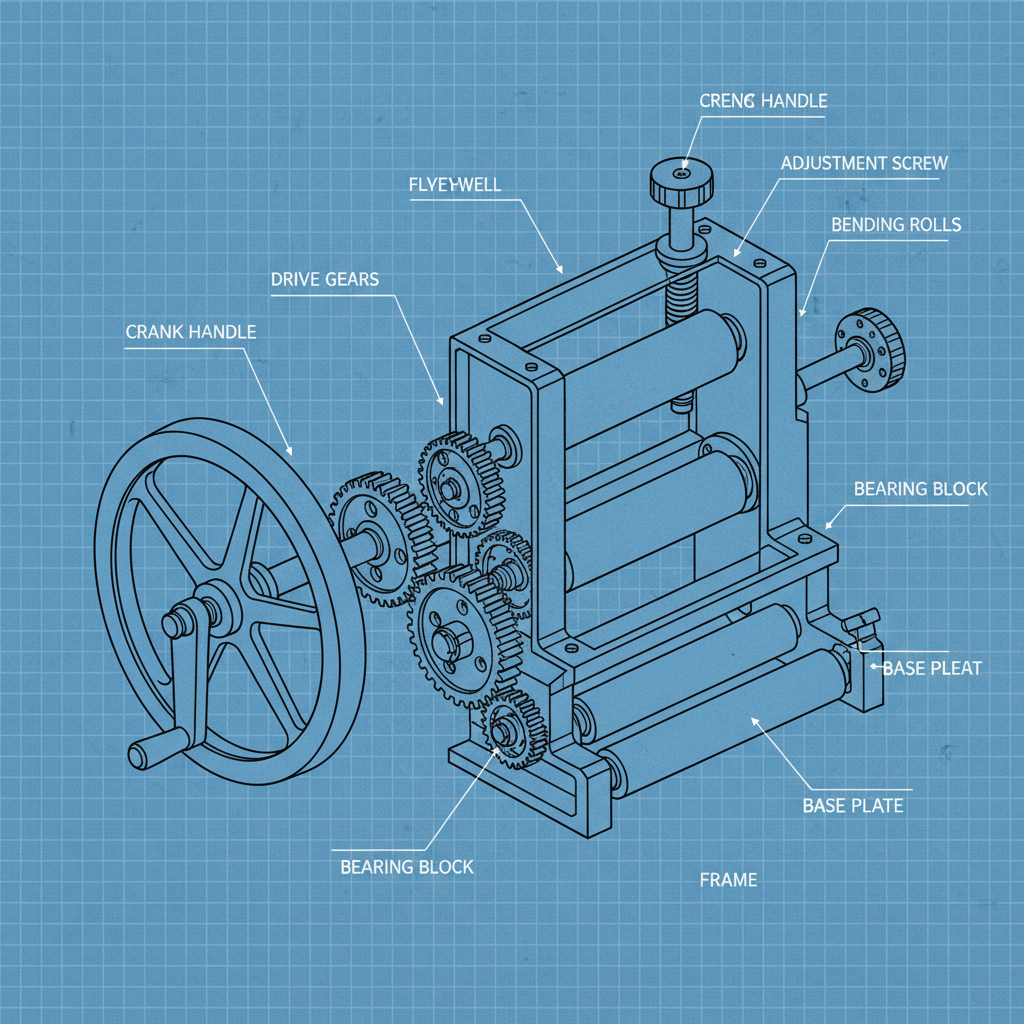
Applications of Homemade Bending Machines
Homemade bending machines are versatile tools for various applications. They are commonly used for fabricating brackets, supports, and enclosures for DIY projects. They can also be invaluable for creating custom parts for automotive repairs or modifications. Farmers and ranchers often use them for building and repairing fencing and other structures. Essentially, any application requiring the bending of metal can potentially benefit from a well-designed homemade bending machine.
Conclusion: Building or Buying – Making the Right Choice
Ultimately, the decision of whether to build or buy a bending machine depends on your individual needs, skills, and budget. A homemade bending machine can be a rewarding and cost-effective project for those with the necessary skills and time. However, for demanding applications or those prioritizing precision and reliability, a commercially manufactured machine from a reputable supplier like XDR Machinery is the better investment.
Frequently Asked Questions (FAQs)
What materials are best suited for a homemade bending machine build?
Steel is the most common and recommended material for building a homemade bending machine due to its strength and weldability. Specifically, angle iron, square tubing, and steel plates are frequently used for constructing the frame, bending dies, and leverage arms. Ensure the steel is of adequate thickness to withstand the forces involved. Utilizing high-quality steel is crucial for the machine's structural integrity and longevity. Consider using pre-fabricated steel components to simplify the construction process.
What thickness of metal can a typical homemade bending machine handle?
The thickness of metal a homemade bending machine can handle largely depends on the design and the power source used. Lever-type machines are typically limited to bending sheet metal up to 16 gauge (approximately 1.6mm). Hydraulic machines, with their increased force, can often bend thicker materials, up to ¼ inch (6.35mm) or even thicker depending on the cylinder capacity and die design. Accurate determination of bending capacity is key before the building process, to avoid damage.
Are detailed plans readily available for homemade bending machines?
Yes, numerous detailed plans are available online, through DIY forums, and on websites dedicated to metalworking. Websites like Instructables and YouTube are excellent resources for finding plans and tutorials. However, be sure to thoroughly review the plans and understand the construction process before starting. Some plans may require more advanced fabrication skills than others. It’s also important to check for user feedback and modifications to improve the design.
What are the essential safety features to include in a homemade bending machine?
Essential safety features include a robust frame construction, a secure mounting base to prevent tipping, and properly guarded moving parts. A solid locking mechanism to hold the metal in place during bending is also crucial. Implement emergency stop functionality if using a powered system like hydraulics. Always include appropriate shielding to prevent accidental contact with bending dies and leverage arms. Lastly, clearly label all safety precautions and operating instructions.
-
Guide to Spartan Steel Bending Machine Price and Cost FactorsNewsApr.16,2026
-
Analyzing the Spartan Bending Machine Price and Buyer GuideNewsApr.09,2026
-
Understanding Small Bending Machine Price and Choosing the Right OptionNewsApr.07,2026
-
Comprehensive Guide to Sheet Metal Bending Machine Price and SelectionNewsApr.04,2026
-
Comprehensive Guide to Roofing Sheet Bending Machine Price and SelectionNewsMar.31,2026
-
Comprehensive Guide to Profile Bending Machine Price and SelectionNewsMar.28,2026
-
Comprehensive Guide to Press Bending Machine Price and Purchasing ConsiderationsNewsMar.26,2026
-
 Pneumatic Handle Welding MachineSep . 13, 2024
 -
 Fully Automatic Kaiping Production LineOct . 17, 2024
 -
 Fully Automatic Metal Bucket Lifting HeadphonesSep . 14, 2024