-
 8613931787312
 -
 Botou Industrial Zone on the east side of National Highway 104, Botou City, Hebei Province


Exploring Advanced Welding Technologies: From Automatic Spot Welders to Laser Systems
Welding technology has seen significant advancements over recent decades, transforming manufacturing, construction, and industrial processes worldwide. With the rise of automated welding machines, industries benefit from increased productivity, improved quality, and enhanced safety. In this article, we explore some key types of automatic welding equipment, including the automatic spot welder, automatic wire mesh welding machine, auto arc welder, automatic laser welding machine, and specialized machines like the automatic welding machine for pipeline.
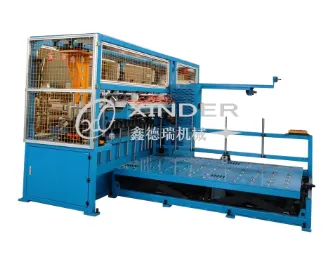
Understanding Different Types of Automated Welding Machines
Automation in welding primarily focuses on improving precision and efficiency by reducing manual labor and human error. Here are some of the most commonly used types of automatic welding machines:
Automatic Spot Welder
The automatic spot welder is widely used in industries like automotive manufacturing and sheet metal fabrication. It works by applying pressure and electrical current to a small localized area, creating a weld spot. This method is ideal for joining thin metal sheets quickly and reliably.
Benefits include:
Fast welding cycles
Minimal distortion on workpieces
Consistent, repeatable weld quality
Automatic Wire Mesh Welding Machine
The automatic wire mesh welding machine is specialized equipment designed to join intersecting wires to form wire mesh grids. These machines are essential in construction and manufacturing sectors where wire mesh is used for reinforcement, fencing, or filtration.
Features include:
High-speed welding of multiple wire intersections simultaneously
Adjustable settings for different wire diameters and mesh sizes
Robust construction for long-term industrial use
Auto Arc Welder
An auto arc welder automates the traditional arc welding process by controlling the welding current and electrode feed without manual intervention. This machine is suitable for thicker materials and applications requiring deep penetration welds, such as heavy fabrication and shipbuilding.
Advantages include:
Stable arc and improved weld consistency
Reduced operator fatigue and enhanced safety
Ability to handle complex weld joints
Cutting-Edge Welding: Automatic Laser Welding Machines
The automatic laser welding machine represents the pinnacle of precision welding technology. Using a concentrated laser beam, it melts and fuses metal components with extreme accuracy and minimal heat distortion.
Key characteristics:
Non-contact welding method, reducing mechanical stress
High welding speed and precision ideal for delicate or complex assemblies
Suitable for a wide range of materials including stainless steel, aluminum, and titanium
Automatic laser welding machines are widely used in electronics, medical device manufacturing, and aerospace industries, where flawless welds are critical.
Specialized Applications: Automatic Welding Machines for Pipelines and More
Pipeline welding requires specialized equipment due to the demanding nature of the materials and environments involved. The automatic welding machine for pipeline is designed to deliver continuous, high-quality welds along pipe seams, even in challenging conditions such as underwater or remote locations.
Features include:
Automated seam tracking to ensure uniform weld bead
Adaptability to various pipe diameters and thicknesses
Enhanced safety with remote operation capabilities
Besides pipeline welding, automated welding machines have been adapted for other niche uses such as robotic welding arms in automotive assembly lines, heavy equipment manufacturing, and large structural steel fabrication.
Benefits of Automated Welding Machines
The shift to automated welding technologies brings numerous advantages:
Increased Productivity: Automation speeds up welding cycles and reduces downtime.
Improved Weld Quality: Machines deliver consistent heat and pressure, minimizing defects.
Enhanced Safety: Reduced human exposure to hazardous fumes, sparks, and radiation.
Cost Efficiency: Lower labor costs and reduced material waste.
Scalability: Suitable for both small batch and mass production.
From the automatic spot welder and automatic wire mesh welding machine to advanced automatic laser welding machines and specialized automatic welding machines for pipeline, the spectrum of automated welding solutions continues to grow and innovate. These technologies enable industries to meet demanding production schedules while maintaining superior weld quality and safety.
As automation and robotics continue to advance, we can expect further integration of AI and machine learning for predictive maintenance, adaptive welding parameters, and real-time quality monitoring—transforming welding from a skilled craft into a fully optimized industrial process.
-
Guide to Spartan Steel Bending Machine Price and Cost FactorsNewsApr.16,2026
-
Analyzing the Spartan Bending Machine Price and Buyer GuideNewsApr.09,2026
-
Understanding Small Bending Machine Price and Choosing the Right OptionNewsApr.07,2026
-
Comprehensive Guide to Sheet Metal Bending Machine Price and SelectionNewsApr.04,2026
-
Comprehensive Guide to Roofing Sheet Bending Machine Price and SelectionNewsMar.31,2026
-
Comprehensive Guide to Profile Bending Machine Price and SelectionNewsMar.28,2026
-
Comprehensive Guide to Press Bending Machine Price and Purchasing ConsiderationsNewsMar.26,2026
-
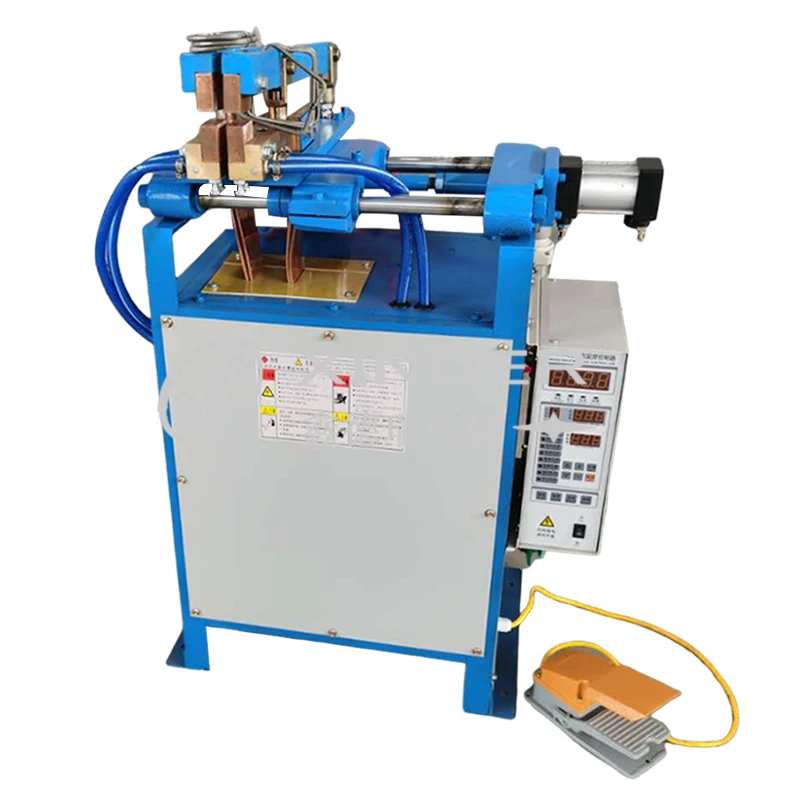 Pneumatic Handle Welding MachineSep . 13, 2024
 -
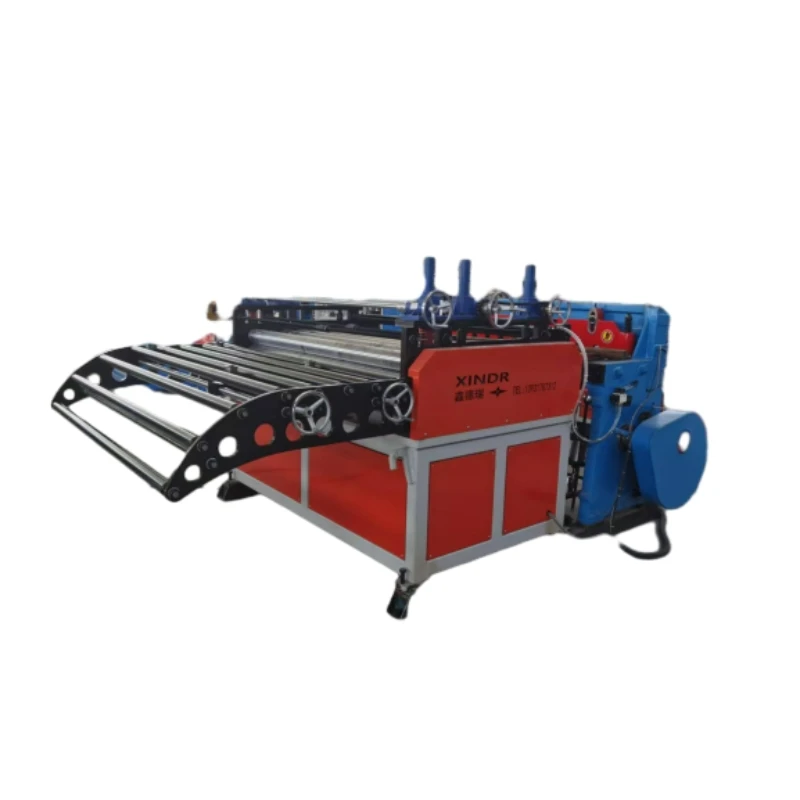 Fully Automatic Kaiping Production LineOct . 17, 2024
 -
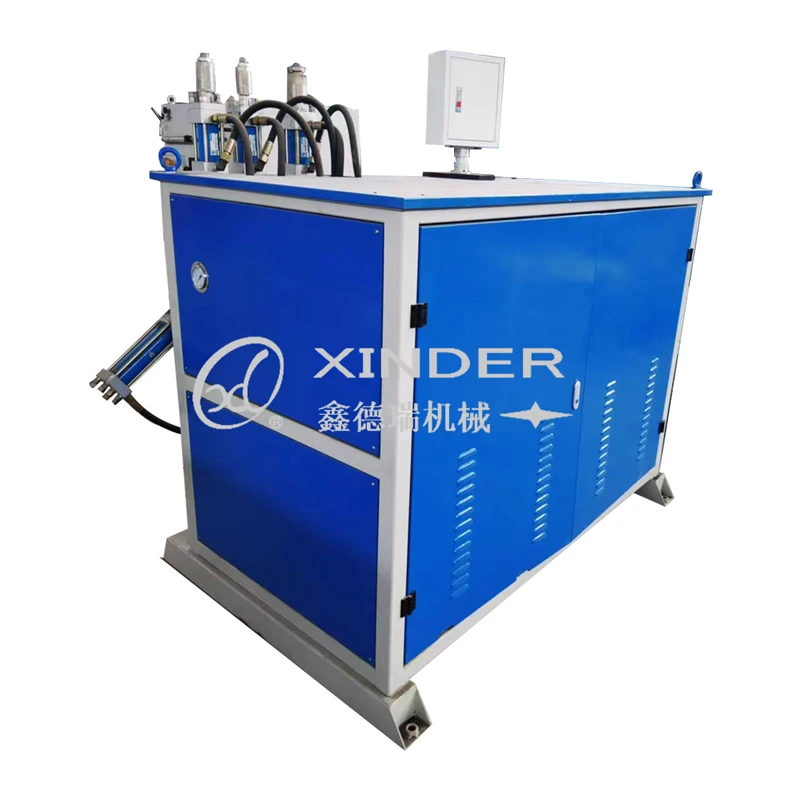 Fully Automatic Metal Bucket Lifting HeadphonesSep . 14, 2024