-
 8613931787312
 -
 Botou Industrial Zone on the east side of National Highway 104, Botou City, Hebei Province


Analyzing the Spartan Bending Machine Price and Buyer Guide
Analyzing the Spartan Bending Machine Price: A Comprehensive Buyer's Guide
When upgrading your metal fabrication capabilities, understanding the spartan bending machine price is critical for accurate budgeting and ROI calculations. Precision bending is the backbone of high-quality industrial manufacturing, and choosing a machine that balances cost with performance can define your production efficiency. Whether you are a small workshop or a large-scale factory, navigating the pricing tiers of professional bending equipment requires a deep dive into technical specifications and long-term value. In this guide, we will break down the factors that influence pricing and how to select the best model for your specific needs.
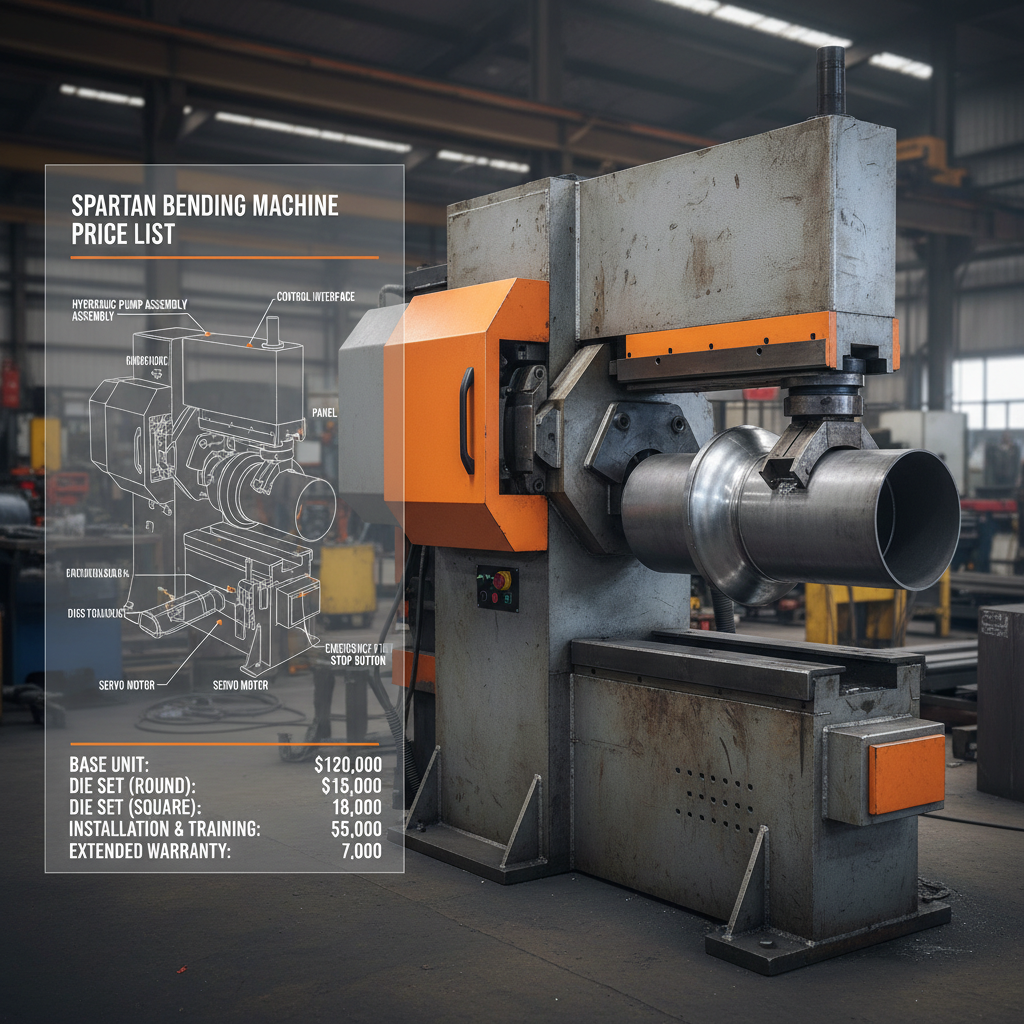
Factors Influencing the Spartan Bending Machine Price
The cost of a bending machine is rarely a single fixed number; rather, it is a reflection of the machine's capacity and technology. The primary driver of the spartan bending machine price is the maximum bending capacity (tonnage) and the length of the bending table. A machine capable of handling thicker steel plates requires more robust hydraulic systems and a heavier frame, which naturally increases the cost. Additionally, the level of automation—such as CNC controls versus manual operation—plays a massive role in the final quote. High-precision CNC systems reduce human error and waste, justifying a higher initial investment through increased throughput.
Pro Tip: When evaluating costs, always consider the "Total Cost of Ownership," which includes installation, operator training, and annual maintenance, rather than just the sticker price.
Comparing Entry-Level vs. Industrial Models
Choosing between an entry-level unit and a heavy-duty industrial model depends on your daily volume. Entry-level machines are designed for versatility and occasional use, offering a lower spartan bending machine price that is accessible for startups. However, for 24/7 production cycles, industrial-grade machines offer superior stability and wear-resistance. The following comparison highlights the fundamental differences in performance and investment levels.
Technical Specifications and Value Analysis
To truly understand the spartan bending machine price, one must look at the technical specifications that justify the cost. A machine with a high-precision hydraulic pump and a digitally controlled axis will naturally cost more than a basic model. However, the reduction in material scrap and the decrease in labor hours often lead to a faster payback period. When reviewing the specs, pay close attention to the bending accuracy (tolerance) and the energy efficiency of the motor, as these impact your daily operating costs.
How to Get the Best Spartan Bending Machine Price
Securing a competitive price doesn't mean sacrificing quality. The best way to optimize your investment is to customize the machine to your exact needs—avoiding "over-speccing" features you will never use. Many suppliers offer tiered pricing based on the bundle of accessories included, such as different tool sets or enhanced safety guarding. Engaging directly with an experienced manufacturer like XDR Machinery allows you to negotiate based on your specific volume and long-term partnership potential, often leading to a more favorable price point.
Maintenance Impacts on Long-Term Cost
While the initial spartan bending machine price is the first hurdle, the cost of maintenance is where many businesses lose money. A well-maintained machine retains its value and continues to produce high-precision parts. Investing in a machine with easily accessible components and a widely available spare parts network can save thousands of dollars in downtime. We recommend a quarterly lubrication and calibration schedule to ensure that the hydraulic seals and electrical sensors remain in peak condition, preventing costly emergency repairs.
Product Specification Breakdown
To give you a clearer picture of what affects the price, let's look at a typical specification table for these machines. By comparing the capacity and the control system, you can better estimate the market value for the equipment you need.
Conclusion: Maximizing Your Investment in Bending Machinery
Evaluating the spartan bending machine price is not just about finding the lowest number, but about finding the highest value. By balancing tonnage, control systems, and maintenance costs, you can secure a machine that increases your operational efficiency and product quality. Whether you opt for a streamlined entry-level model or a powerhouse industrial unit, prioritizing precision and durability will always yield the best long-term results. Invest wisely in your fabrication future today.
Frequently Asked Questions (FAQs)
What is the typical lead time after agreeing on the spartan bending machine price?
Lead times typically vary between 4 to 12 weeks depending on the level of customization. Standard models are often available more quickly, while CNC-integrated machines with custom bed lengths require more precision engineering and testing. Once the price is finalized and the deposit is paid, the manufacturer begins the frame fabrication and electronic integration. We recommend planning your procurement at least three months before your projected production increase to account for shipping and installation.
Does the price include installation and training?
This depends on the specific quote provided. Most premium packages include basic installation and a set number of training hours to ensure your operators can use the machine safely. However, if you are importing equipment internationally, onsite training may be an additional cost or provided via remote video support. It is always advisable to clarify whether "Turnkey Installation" is included in the spartan bending machine price to avoid unexpected expenses during setup.
Can I upgrade the control system later to increase the machine's value?
Yes, many modern bending machines are designed with modular electronics. While it is more cost-effective to purchase the desired CNC system upfront, you can often upgrade the PLC or software interface as your business grows. However, upgrading the physical frame or hydraulic pump is not possible. Therefore, we suggest investing in a frame that exceeds your current needs slightly, while choosing a control system that fits your current budget and can be updated in the future.
How does the material of the machine affect its price?
The materials used in the machine's chassis and moving parts directly impact the spartan bending machine price. Machines built with high-tensile alloy steel are more expensive but offer far greater resistance to deflection under load, meaning your bends will remain consistent even after years of heavy use. Cheaper machines may use standard carbon steel, which is acceptable for light-duty work but can warp over time under extreme tonnage, leading to precision loss.
-
Understanding Small Bending Machine Price and Choosing the Right OptionNewsApr.07,2026
-
Comprehensive Guide to Sheet Metal Bending Machine Price and SelectionNewsApr.04,2026
-
Comprehensive Guide to Roofing Sheet Bending Machine Price and SelectionNewsMar.31,2026
-
Comprehensive Guide to Profile Bending Machine Price and SelectionNewsMar.28,2026
-
Comprehensive Guide to Press Bending Machine Price and Purchasing ConsiderationsNewsMar.26,2026
-
Comprehensive Guide to Plate Bending Machine Price and Optimal SelectionNewsMar.24,2026
-
Understanding Metal Bending Machine Price Factors and OptionsNewsMar.21,2026
-
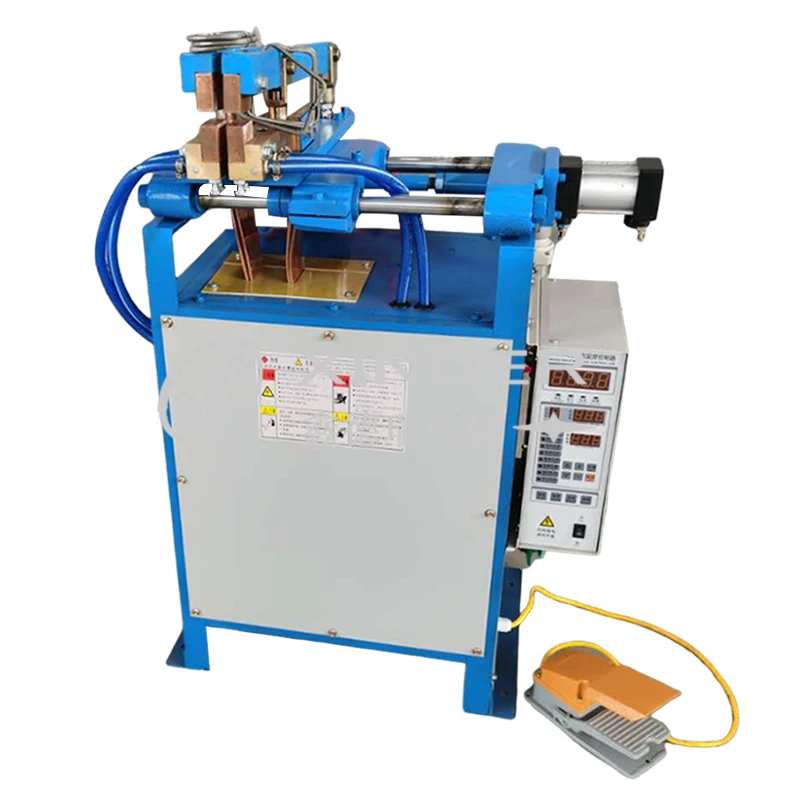 Pneumatic Handle Welding MachineSep . 13, 2024
 -
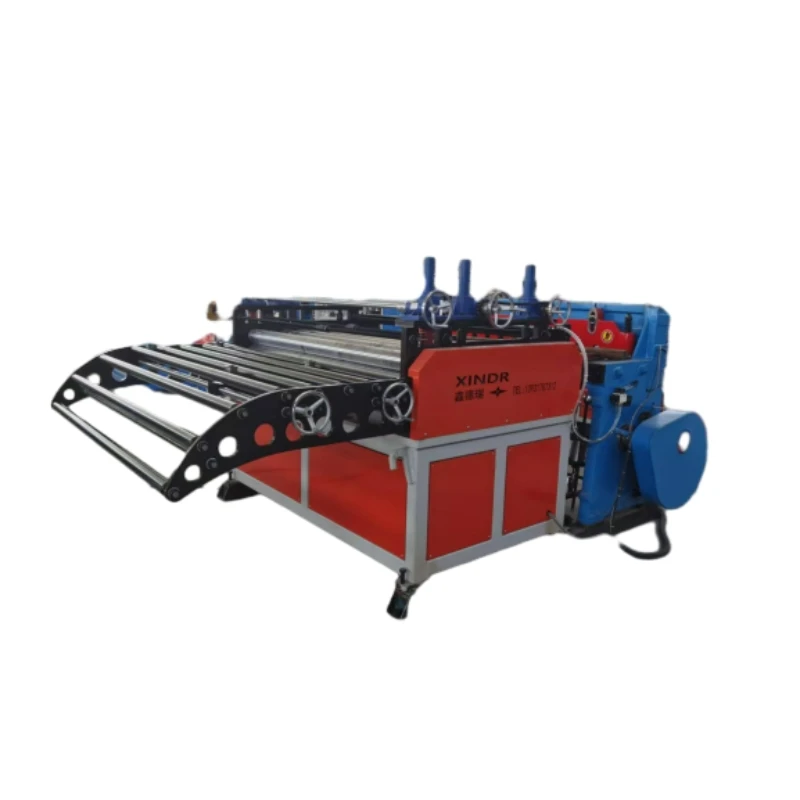 Fully Automatic Kaiping Production LineOct . 17, 2024
 -
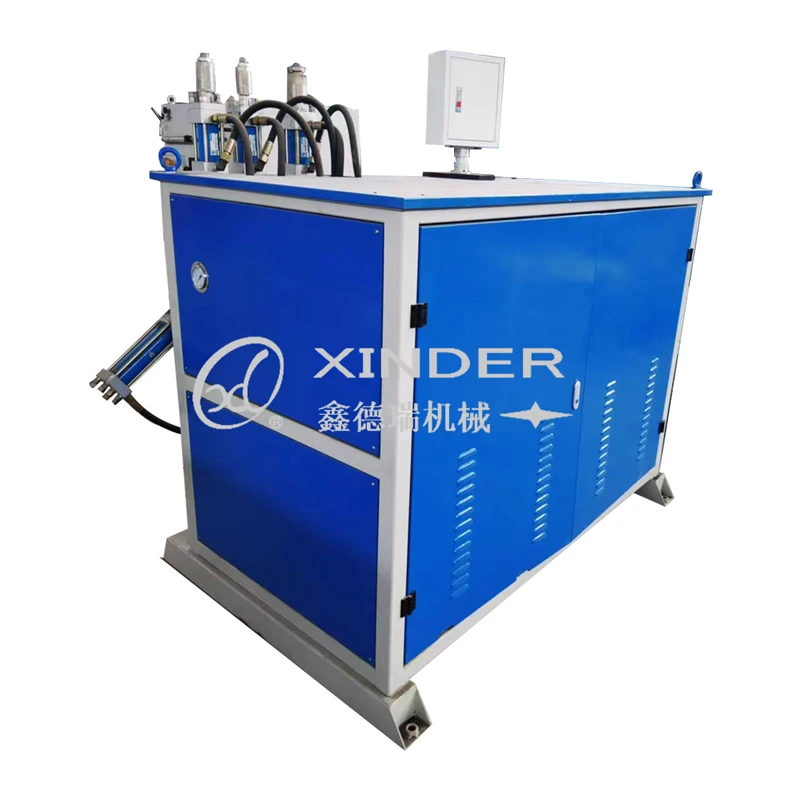 Fully Automatic Metal Bucket Lifting HeadphonesSep . 14, 2024