-
 8613931787312
 -
 Botou Industrial Zone on the east side of National Highway 104, Botou City, Hebei Province


Seam Welding Technology: Machines, Principles, and Applications
In modern metal fabrication, joining processes play a pivotal role in ensuring structural integrity, durability, and precision. Among the many welding methods, seam welding is a widely used technique for creating continuous, leak-proof joints in metal components. This article will explore the weld seam machine, weld seam sewing machine, welding seam machine, the seam welding machine working principle, and answer the common question, what is a seam welder.
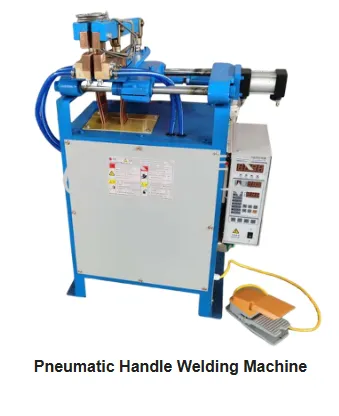
What Is a Seam Welder?
Before diving into machine types and principles, it’s important to answer the fundamental question: what is a seam welder?
A seam welder is a welding device designed to join two overlapping pieces of metal along a continuous seam. Unlike spot welding, which fuses materials at individual points, seam welding produces a continuous, uniform weld bead. This makes it ideal for applications requiring airtight or watertight joints, such as fuel tanks, metal drums, HVAC ducting, and food-grade containers.
Seam welders typically use rotating wheel-shaped electrodes that press the workpieces together while an electric current passes through, generating heat and creating a molten weld along the seam. Depending on the application, the weld can be continuous (for airtight joints) or intermittent (for flexibility and reduced heat input).
Overview of Weld Seam Machines
A weld seam machine is the general term for any machine designed to perform seam welding operations. It combines mechanical clamping, electrode pressure, and controlled electrical current to achieve a high-quality welded joint. These machines are used in industries such as:
Automotive: For fuel tanks, mufflers, and structural components.
Metal Packaging: For cans, drums, and containers.
Aerospace: For fluid and air system components.
HVAC: For ducting and ventilation equipment.
Most weld seam machines are designed for either longitudinal seams (straight-line welding along the length of the workpiece) or circumferential seams (around cylindrical objects).
Weld Seam Sewing Machines for Precision Fabrication
A weld seam sewing machine is a specialized variant designed for thin materials or applications where extreme precision is required. The term “sewing” is used because the welding process resembles the stitching motion of a sewing machine—continuous, uniform, and neat.
These machines are often used in industries that require both functional and aesthetic welds. For example, in stainless steel kitchen equipment, food-grade tanks, or decorative architectural components, the seam must not only be strong but also visually appealing.
Key benefits of weld seam sewing machines include:
Uniform Bead Appearance: Produces consistent weld width and smoothness.
Minimal Distortion: Especially important for thin sheet metals.
High Repeatability: Ideal for large production runs where each piece must match.
The Welding Seam Machine and Its Industrial Role
The welding seam machine is often used interchangeably with “weld seam machine,” but it can also refer to more versatile systems capable of multiple welding modes. For instance, some machines can perform both seam welding and spot welding, depending on the required application.
Industrial welding seam machines are typically equipped with:
Adjustable Welding Current Controls: To suit different material types and thicknesses.
Programmable Parameters: For seam speed, pressure, and timing.
Cooling Systems: To prevent electrode overheating during continuous welding.
Automated Feeding Mechanisms: For high-volume production efficiency.
These features ensure that the welding seam machine delivers consistent quality, even in demanding production environments.
Seam Welding Machine Working Principle
Understanding the seam welding machine working principle is essential for proper operation and maintenance.
At its core, seam welding is a resistance welding process. The principle can be broken down into the following steps:
Material Positioning: Two overlapping workpieces are placed between the rotating wheel electrodes.
Electrode Pressure: The wheels apply consistent pressure to hold the materials together.
Electrical Current Flow: A controlled electrical current passes through the contact area between the electrodes and workpieces.
Heat Generation: Electrical resistance at the interface generates heat, melting the metal in a narrow zone.
Fusion and Solidification: As the wheels rotate, the molten metal solidifies, forming a continuous weld seam.
Cooling: Water-cooled electrodes or dedicated cooling systems prevent overheating and electrode wear.
The process is highly efficient and repeatable, making it suitable for mass production. It also produces welds with minimal distortion compared to fusion welding methods like MIG or TIG.
Applications and Advantages of Seam Welding Machines
Seam welding machines—whether described as a weld seam machine, weld seam sewing machine, or welding seam machine—offer numerous advantages for manufacturers:
High Production Speed: Continuous operation reduces cycle times.
Consistent Quality: Automated control ensures identical welds for every piece.
Leak-Proof Joints: Ideal for containers holding liquids or gases.
Material Versatility: Can handle low-carbon steel, stainless steel, aluminum, and more.
Reduced Labor Costs: Automation minimizes manual handling and operator fatigue.
Typical applications include:
Automotive fuel tanks, exhaust systems, and structural components
Oil drums, paint cans, and food storage containers
Ducting, HVAC units, and ventilation components
Aerospace hydraulic and pneumatic system components
Choosing the Right Seam Welding Machine
Selecting the correct machine depends on several factors:
Material Thickness: Thicker materials require higher current and pressure settings.
Weld Quality Requirements: Food-grade or medical equipment may require specialized weld seam sewing machines.
Production Volume: High-volume operations benefit from fully automated welding seam machines.
Budget and Maintenance: Initial investment must be balanced with long-term operating costs.
By matching machine capabilities to production needs, manufacturers can ensure optimal performance and return on investment.
The Future of Seam Welding Technology
As industries demand higher efficiency and precision, seam welding machines are evolving with advanced features such as:
CNC Integration: For precise, programmable welding paths.
Real-Time Monitoring: Sensors to detect and correct weld defects during production.
Energy Efficiency Improvements: Reduced power consumption without sacrificing quality.
Robotic Automation: Fully integrated systems for loading, welding, and unloading.
These innovations will make the weld seam machine, weld seam sewing machine, and welding seam machine even more vital to future manufacturing.
Seam welding technology remains a cornerstone of modern manufacturing, offering strength, speed, and precision. Whether you are asking what is a seam welder, learning about the seam welding machine working principle, or deciding between a weld seam machine and a weld seam sewing machine, understanding the capabilities and applications of this equipment is key to choosing the right solution for your needs. As technology continues to advance, seam welding machines will only become more efficient, versatile, and essential for industries worldwide.
-
Guide to Spartan Steel Bending Machine Price and Cost FactorsNewsApr.16,2026
-
Analyzing the Spartan Bending Machine Price and Buyer GuideNewsApr.09,2026
-
Understanding Small Bending Machine Price and Choosing the Right OptionNewsApr.07,2026
-
Comprehensive Guide to Sheet Metal Bending Machine Price and SelectionNewsApr.04,2026
-
Comprehensive Guide to Roofing Sheet Bending Machine Price and SelectionNewsMar.31,2026
-
Comprehensive Guide to Profile Bending Machine Price and SelectionNewsMar.28,2026
-
Comprehensive Guide to Press Bending Machine Price and Purchasing ConsiderationsNewsMar.26,2026
-
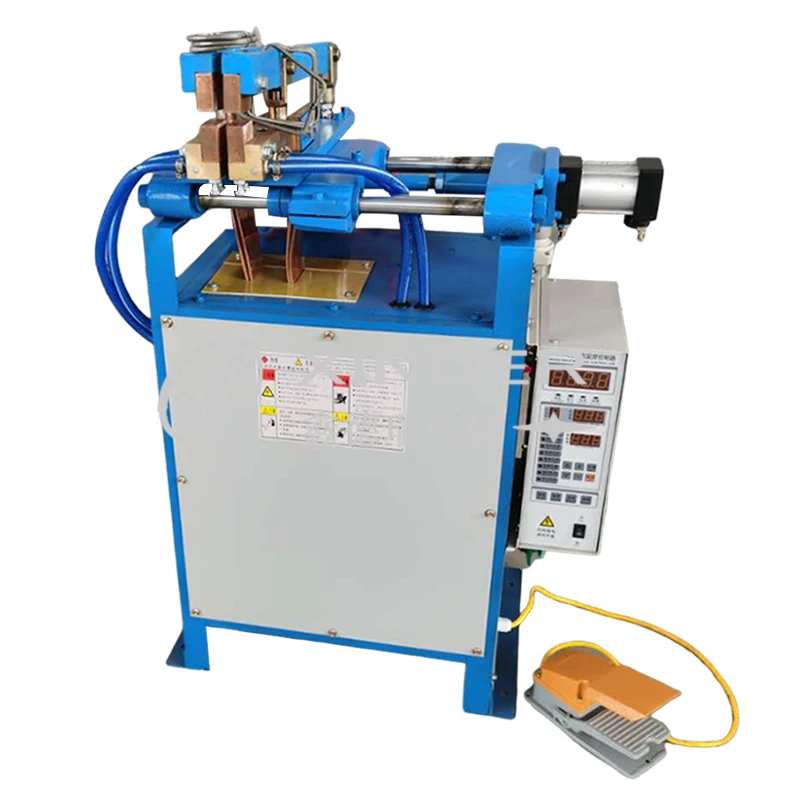 Pneumatic Handle Welding MachineSep . 13, 2024
 -
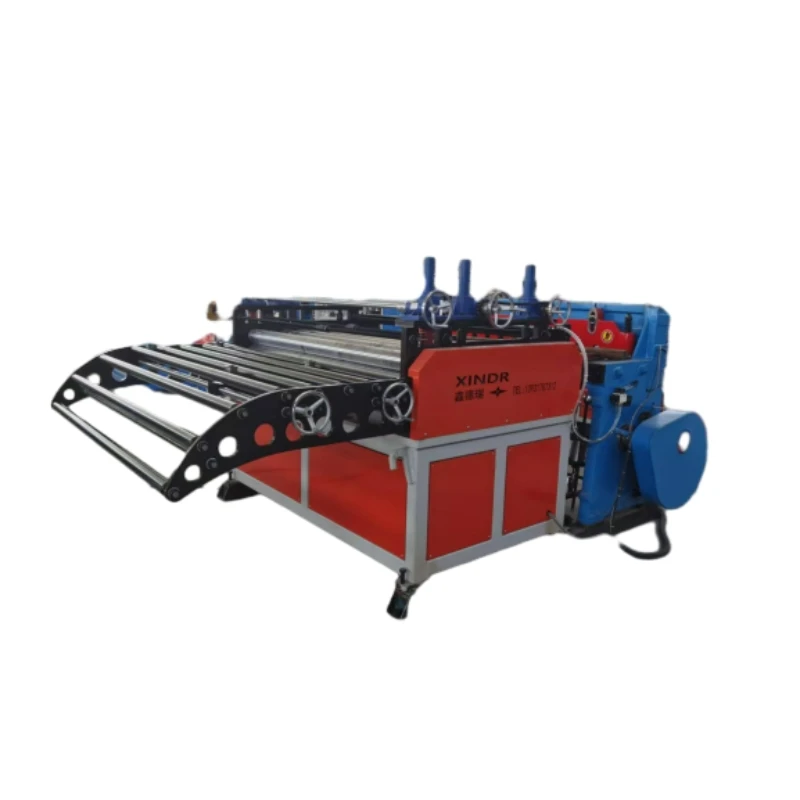 Fully Automatic Kaiping Production LineOct . 17, 2024
 -
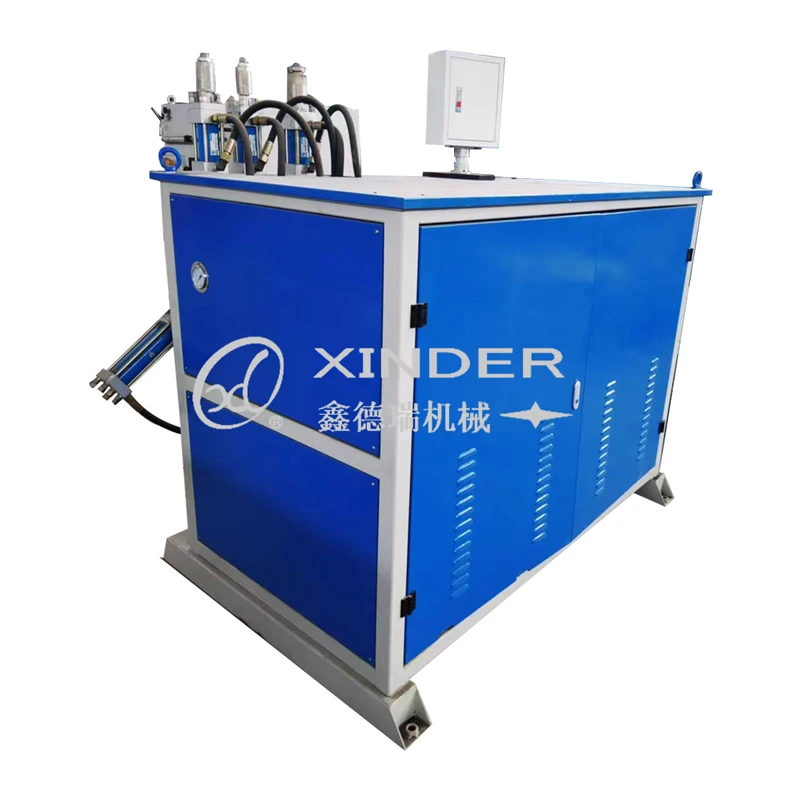 Fully Automatic Metal Bucket Lifting HeadphonesSep . 14, 2024