-
 8613931787312
 -
 Botou Industrial Zone on the east side of National Highway 104, Botou City, Hebei Province


What Is an Automatic Metal Bending Machine? Global Uses, Benefits & Future Trends
Understanding the Automatic Metal Bending Machine and Its Global Impact
At first glance, an automatic metal bending machine might seem like just another piece of industrial equipment. But if you step back and consider the world’s growing infrastructure demands, environmental challenges, and the race for manufacturing innovation, it quickly becomes clear that mastering this tech matters far beyond factory floors. This machine plays a quiet yet vital role in shaping everything from skyscrapers to sustainable transport solutions—without it, many key modern developments would simply stall.
Why pay attention? Simple — understanding how automatic metal bending machines function, their applications, and future possibilities can unlock smarter industrial processes, promote sustainability efforts, and help engineers innovate faster, safer, and more cost-effectively.
Introduction: A Global Perspective on Automatic Metal Bending Technology
The global manufacturing industry is massive—according to the World Bank, manufacturing contributes over 16% of global GDP. Within this sector, metalworking is essential for automotive, aerospace, construction, and heavy machinery fields. Automatic metal bending machines have become fundamental components here, responding to both the rising global demand for precision metalwork and the increasing labor cost pressures. Interestingly, as automation efforts surge worldwide, estimates from the International Federation of Robotics show that robot density in manufacturing is expected to nearly double by 2025.
But there’s a catch: many regions, especially emerging economies, face challenges around access to affordable, reliable metal forming equipment. Inefficient manual processes increase waste and production time while risking worker safety. That’s precisely the challenge the adoption of automatic metal bending machines aims to solve—bringing consistency, speed, and safety all at once.
What Is an Automatic Metal Bending Machine?
In simple terms, an automatic metal bending machine is a device that uses programmed controls or mechanical automation to bend sheet metal into precise shapes without manual intervention. Unlike manual press brakes where an operator physically handles the metal, these machines can execute complex bends with speed and repeatability, often integrating CNC (computer numerical control) systems.
These machines go beyond just industrial convenience. Their ability to produce uniform metal parts quickly ties directly into modern industry’s need for scalable manufacturing solutions. Moreover, in humanitarian contexts like rebuilding disaster-hit areas where metal components are essential for shelters, bridges, and utilities, automatic metal bending machines’ speed and precision can make a real difference.
Core Components and Key Factors
- Durability: These machines undergo intense mechanical stress, so robust construction materials (often high-grade steel frames) are critical. Durability affects machine lifespan and maintenance costs.
- Precision and Control: Incorporation of CNC controls or hydraulics ensures accurate angle bends, repeatable across large-volume runs. This increases product quality substantially.
- Scalability: From small workshop units to large industrial models, scalability ensures that the technology fits a variety of company sizes and production needs.
- Cost Efficiency: Automatic operation reduces labor hours and waste, improving Return on Investment (ROI) — a must in modern manufacturing.
- Safety Features: Automated guarding and sensors protect operators from injury, critical in high-volume settings.
Think of these factors as puzzle pieces—durability and precision ensure reliable results, while scalability and cost efficiency help businesses grow sustainably.
Product Specification Table: Typical Automatic Metal Bending Machine
| Specification | Typical Range |
|---|---|
| Sheet Metal Thickness | 0.5 mm – 20 mm |
| Bending Length | 500 mm – 6000 mm |
| Bending Angle Precision | ±0.1° |
| Control System | CNC / PLC |
| Power Source | Electric / Hydraulic |
Global Use Cases and Industries Benefiting
You’ll find automatic metal bending machines scattered in factories worldwide—from the automotive hubs of Germany and Japan to emerging industrial zones like India and Brazil. In fact, the machine’s ability to rapidly produce components for vehicles, appliances, and infrastructure makes it indispensible for nearly all manufacturing sectors.
Oddly enough, beyond industry, humanitarian agencies use these machines indirectly. For instance, organizations rebuilding after earthquakes or floods rely heavily on metal-formed parts to create quick-assembly shelters and bridges. In these scenarios, speed and precision are life-saving factors.
Vendor Comparison: Leading Manufacturers
| Vendor | Machine Types | Precision | Safety Features | Approximate Price Range |
|---|---|---|---|---|
| XDR Machinery | CNC Hydraulic Bender | ±0.1° | Light curtains, emergency stop | $50,000 - $250,000 |
| Omega Industrial | Electric Servo-Press Brake | ±0.15° | Safety light barriers | $45,000 - $230,000 |
| Metamorph Solutions | Hydraulic + CNC Hybrid | ±0.08° | Advanced guarding & sensors | $60,000 - $300,000 |
Advantages and Long-Term Value
Choosing automated metal bending machines isn’t just about cutting costs or speeding up manufacturing times (though it does plenty of both). They also vastly enhance product consistency and safety for workers. Plus, the machines often reduce waste by ensuring each metal piece is bent precisely — contributing to sustainable manufacturing efforts.
I find that investing in such technology boosts company reputation too. Clients respect businesses that embrace innovation and safe working conditions. For many engineers and plant managers I’ve chatted with, there’s even a sense of pride knowing their equipment helps push industry standards forward.
Emerging Trends and Future Innovations
The future of automatic metal bending machines is bright, thanks in part to digital transformation. We’re seeing more machines equipped with IoT sensors for real-time monitoring, AI-driven predictive maintenance to avoid downtime, and integration with renewable energy to reduce carbon footprints.
In materials science, new bendable alloys and composites are challenging traditional metals, pushing these machines to adapt to more complex bending tasks. There’s also rising interest in compact, mobile automated bending units for on-site use — imagine disaster zones or remote construction sites where flexible manufacturing is a game changer.
Challenges and Expert Solutions
No tech is perfect. Automatic metal bending machines sometimes face hurdles such as high upfront costs, need for skilled operators to program CNC systems, and occasional limitations with very thick or hardened metals.
One approach experts suggest is hybrid automation — combining manual oversight with automated processes for complex jobs. Also, ongoing training programs and simplified user interfaces are helping factories overcome skill gaps. Financing schemes and leasing options increasingly make these machines accessible to mid-sized businesses as well.
FAQ: Common Questions About Automatic Metal Bending Machines
- How does an automatic metal bending machine improve production speed?
- By automating bends with programmable controls, these machines reduce cycle times per part and minimize manual handling, enabling faster batch production with consistent results.
- Are these machines suitable for small workshops or only large factories?
- There are scalable models available; small workshops can benefit from compact CNC benders while large manufacturers often opt for heavy-duty hydraulic presses.
- What maintenance is required to keep these machines running reliably?
- Regular lubrication, calibration of bending angles, checking hydraulic fluids, and software updates are standard; some machines feature built-in diagnostics to monitor health.
- Can automatic metal bending machines handle custom or irregular shapes?
- With proper programming, many CNC bending machines can execute complex, multi-angle bends, but extreme custom shapes might sometimes need specialized tooling or manual finishing.
- How do these machines contribute to workplace safety?
- Automation reduces operator interaction with heavy metal sheets during bending, while integrated sensors and emergency stop functions guard against accidents.
Conclusion: Why the Automatic Metal Bending Machine Matters for the Future
Looking ahead, the automatic metal bending machine will remain a cornerstone of modern manufacturing — balancing the demands of precision, speed, sustainability, and safety. It helps industries innovate more responsibly and adapt to a changing global economy. If you want to explore how upgrading your production line with these machines can transform your workflow, don’t hesitate to visit XDR Machinery’s official site for expert advice and tailored solutions.
In the end, it’s not just about bending metal—it’s about shaping a smarter, safer industrial future.
Mini takeaway: Automatic metal bending machines harness automation to enhance manufacturing efficiency globally, driving innovation and sustainability while meeting growing infrastructure needs.
References:
-
Guide to Spartan Steel Bending Machine Price and Cost FactorsNewsApr.16,2026
-
Analyzing the Spartan Bending Machine Price and Buyer GuideNewsApr.09,2026
-
Understanding Small Bending Machine Price and Choosing the Right OptionNewsApr.07,2026
-
Comprehensive Guide to Sheet Metal Bending Machine Price and SelectionNewsApr.04,2026
-
Comprehensive Guide to Roofing Sheet Bending Machine Price and SelectionNewsMar.31,2026
-
Comprehensive Guide to Profile Bending Machine Price and SelectionNewsMar.28,2026
-
Comprehensive Guide to Press Bending Machine Price and Purchasing ConsiderationsNewsMar.26,2026
-
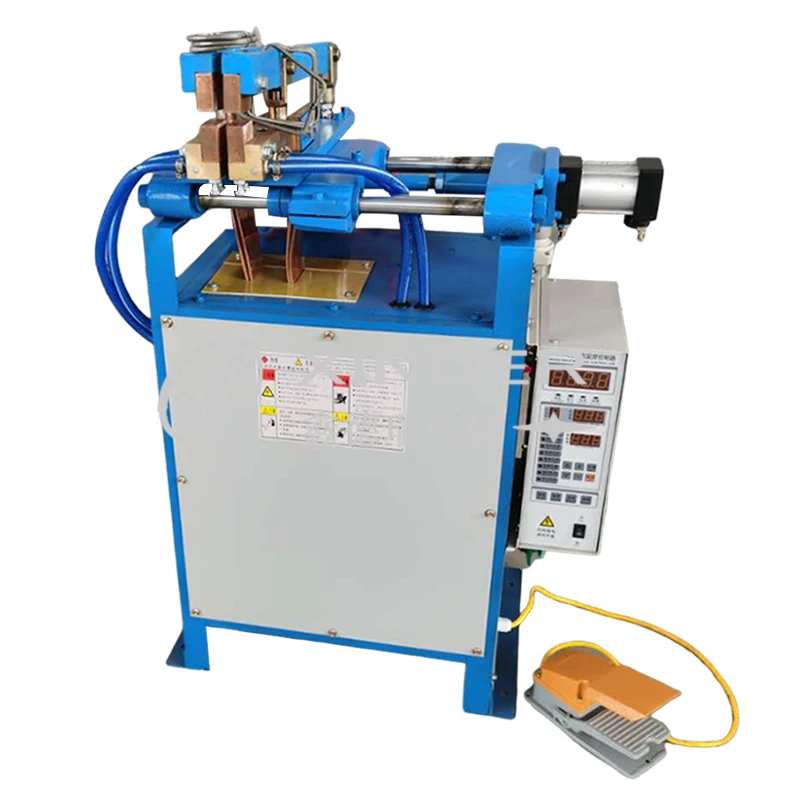 Pneumatic Handle Welding MachineSep . 13, 2024
 -
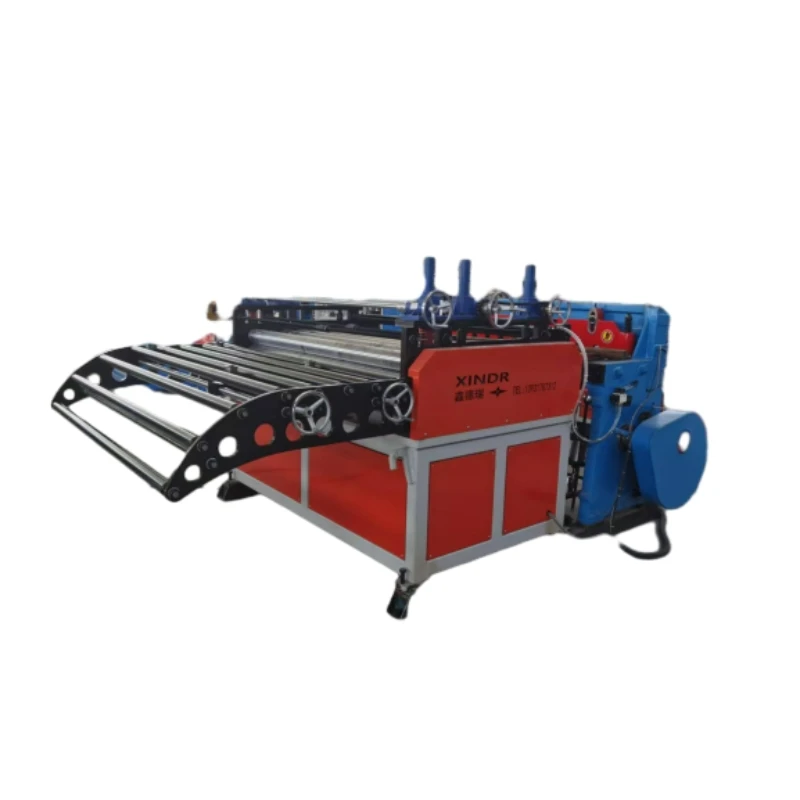 Fully Automatic Kaiping Production LineOct . 17, 2024
 -
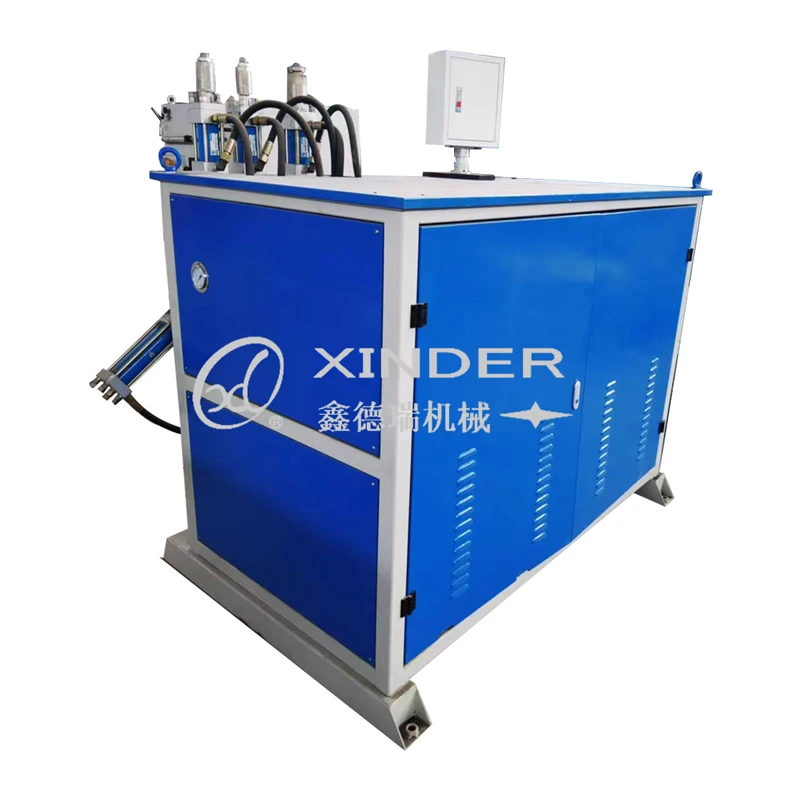 Fully Automatic Metal Bucket Lifting HeadphonesSep . 14, 2024