-
 8613931787312
 -
 Botou Industrial Zone on the east side of National Highway 104, Botou City, Hebei Province


Comprehensive Guide to Aluminum Profile Bending Machine: Efficiency, Applications & Innovations
Understanding the Aluminum Profile Bending Machine: A Global Industrial Asset
Ever paused to think how those sleek aluminum frames in windows or the curved architectural features in modern buildings get their shape? The answer often lies with the aluminum profile bending machine. This piece of equipment is quietly revolutionizing manufacturing and construction worldwide. But why does it matter? Well, in a rapidly urbanizing world — where design complexity and material precision go hand in hand — mastering how to bend aluminum profiles efficiently opens doors to strong, lightweight, and eco-friendly constructions. It’s about innovation meeting sustainability at scale.
Mini takeaway: Aluminum profile bending machines are key enablers in the modern manufacturing landscape, offering flexibility, strength, and design creativity to industries globally.
Global Context: Why the Aluminum Profile Bending Machine is Shaping Industries
Globally, aluminum usage has surged — the International Aluminum Institute reports a production of over 65 million metric tons annually, with applications spanning automotive, aerospace, construction, and even consumer electronics. The push for lightweight materials to reduce carbon footprints (cars with better fuel efficiency, for example) means aluminum stands front and center. However, aluminum is not the easiest metal to mold. Achieving precise bends without compromising the material’s integrity challenges engineers and manufacturers alike.
Here’s where the aluminum profile bending machine shines: it addresses the need for precise, efficient bending processes that yield consistent, high-quality shapes at scale. In developing regions, where infrastructure projects are booming yet resources are tight, this machine enables cost-effective construction with lasting durability.
Mini takeaway: The aluminum profile bending machine tackles the complexity of shaping aluminum profiles, supporting global demands for lightweight, sustainable, and cost-efficient materials.
What Is an Aluminum Profile Bending Machine?
Simply put, this machine mechanically bends aluminum profiles—think of long, hollow aluminum beams or channels—into specific angles and curves based on design specs. Unlike manual bending, which risks deformation or damage, this machine uses controlled force applied via rollers or dies to maintain the profile's cross-sectional shape while bending. It’s an essential process for producing anything from window frames to complex structural elements used in bridges or vehicles.
Reflecting beyond factory floors, this technology enhances humanitarian efforts too. For instance, modular shelters relying on aluminum frameworks can be swiftly produced and assembled after natural disasters or in remote regions.
Mini takeaway: The aluminum profile bending machine transforms rigid aluminum into precise, curved profiles, enabling diverse industrial and humanitarian applications.
Key Components and Features Affecting Performance
Precision Control Systems
Modern machines feature CNC or hydraulic controls that fine-tune bending angles and radii, reducing error margins and waste. This precision ensures each profile meets exact specifications — vital in aerospace or automotive sectors.
Durability and Build Quality
Since aluminum is lightweight yet tough, machines need robust components to sustain operational stress. High-strength steel frames and wear-resistant rollers guarantee longevity and consistent output even during heavy-duty runs.
Scalability & Flexibility
The ability to handle varied profile sizes—from thin-walled tubes to larger box sections—is critical. Many machines offer quick tooling swaps, helping manufacturers switch between projects seamlessly.
Energy Efficiency
With rising energy costs and sustainability goals, machines optimized for lower power consumption appeal to conscientious operators looking to reduce their carbon footprint.
User-Friendly Interfaces
Intuitive control panels allow operators to program bending sequences easily, decreasing the learning curve and human error.
Mini takeaway: The fusion of precision, durability, scalability, and efficiency define the ideal aluminum profile bending machine in today’s market.
Global Applications & Real-World Use Cases
- Construction & Architecture: Curved aluminum profiles enrich aesthetic designs of facades and curtain walls worldwide, from skyscrapers in Dubai to residential projects in Scandinavia.
- Transportation: Automotive companies use bent aluminum profiles for lightweight frames, improving fuel efficiency and safety.
- Renewable Energy: Solar panel mounts and wind turbine components often require custom-bent aluminum profiles.
- Disaster Relief: NGOs use modular homes based on aluminum frameworks due to their lightweight and ease of deployment, especially in earthquake or flood-prone regions.
Mini takeaway: Aluminum profile bending machines serve diverse sectors, turning design ambitions into functional realities with global socio-economic impact.
Highlighted Product Specifications
| Specification | Typical Range | Notes |
|---|---|---|
| Bending Radius | 50 - 1000 mm | Depends on profile thickness |
| Profile Width | 20 - 200 mm | Compatible with various shapes |
| Max Thickness | 10 mm | Thicker profiles may require custom setups |
| Control Type | CNC / Hydraulic | Automation levels vary by model |
| Power Consumption | 3 - 15 kW | Energy-efficient models preferred |
Vendor Comparison: Choosing Your Aluminum Profile Bending Machine Partner
| Vendor | Price Range | Key Strength | Support & Warranty |
|---|---|---|---|
| XDR Machinery | $50K - $120K | Cutting-edge automation, energy-friendly | 24/7 support, 3-year warranty |
| MetalForm Inc. | $40K - $100K | Robust mechanical systems | Standard support, 2-year warranty |
| BendX Solutions | $60K - $130K | Advanced CNC controls, high precision | Comprehensive training, 3-year warranty |
Advantages and Long-Term Value of Aluminum Profile Bending Machines
Using an aluminum profile bending machine means you’re investing in:
- Cost Efficiency: Minimal waste, lower labor costs, and faster production cycles.
- Sustainability: Aluminum is recyclable, and reducing scraps keeps the footprint smaller.
- Safety & Durability: Precise bending preserves structural integrity, enhancing long-term reliability.
- Design Freedom: Complex curves and shapes bring innovative architecture and products to life.
- Social Impact: Faster infrastructure builds improve living conditions, from urban centers to remote communities.
Emotionally and logically, it’s satisfying to know your tools support innovation while respecting planet and people.
Peering Into the Future: Trends and Innovations
The landscape is shifting fast. Expect machines increasingly embedded with AI for predictive maintenance, automation to reduce human error, and greener power sources to reduce emissions. New materials — such as aluminum alloys with better bendability and strength — push machine specs higher. Policies pushing sustainable construction at the UN and ISO levels (ISO 14001 for environmental management, for example) also drive advancements.
Emerging digital tools link bending machines directly into design software pipelines — meaning a building’s architect and the machine operator may communicate seamlessly over the cloud.
Mini takeaway: The aluminum profile bending machine is evolving into a smart, green, and highly integrated tool for tomorrow’s industries.
Challenges and Expert Solutions
Yet, even the best machines have their hurdles. Thin profiles risk wrinkling, while thick profiles require enormous force. Tooling costs can discourage small-scale enterprises. Operator training is another bottleneck. Experts recommend:
- Investing in modular tooling for versatile bending without full machine overhaul.
- Using simulation software to pre-empt bending issues.
- Implementing hybrid machines combining hydraulic and electric drives for fine control.
- Partnering with vendors offering hands-on training and support packages.
Frankly, mastering profile bending is as much an art as it is science—but the right tools and know-how make all the difference.
FAQ: Aluminum Profile Bending Machine Insights
- Q: What factors should I consider when selecting an aluminum profile bending machine?
- A: Consider profile size and thickness capabilities, bending radius range, control type (CNC or manual), energy usage, and after-sales support to align with your production needs.
- Q: How does bending aluminum profiles affect structural integrity?
- A: When done correctly using precision machines, bending preserves strength and prevents cracks or deformation. Improper bending can cause weak points, so machine accuracy is crucial.
- Q: Can an aluminum profile bending machine handle custom or irregular shapes?
- A: Yes, advanced machines with programmable controls handle complex profiles, though certain shapes may need specialized tooling or slower processing.
- Q: Is maintenance costly for these machines?
- A: Routine maintenance is manageable with proper training. Investing in quality parts upfront reduces downtime and long-term expenses.
- Q: How quickly can these machines integrate into existing production lines?
- A: Many models are designed for modular integration, but timeframes vary. Early coordination with vendors ensures smoother commissioning.
In Conclusion
The aluminum profile bending machine is more than manufacturing equipment; it’s a cornerstone of innovation, sustainability, and global infrastructure development. Whether crafting the intricate frames of tomorrow’s buildings or helping rebuild communities, these machines add strength and elegance to aluminum’s versatility. To explore cutting-edge solutions, visit XDR Machinery — innovators in profile bending technology.
Mini takeaway: Embracing advanced bending technology today means building stronger, smarter, and greener for tomorrow.
References:
1. International Aluminum Institute — https://international-aluminium.org/
2. ISO 14001 Environmental Management Standard — https://www.iso.org/iso-14001-environmental-management.html
3. United Nations Sustainable Development Goals — https://sdgs.un.org/goals
-
Guide to Spartan Steel Bending Machine Price and Cost FactorsNewsApr.16,2026
-
Analyzing the Spartan Bending Machine Price and Buyer GuideNewsApr.09,2026
-
Understanding Small Bending Machine Price and Choosing the Right OptionNewsApr.07,2026
-
Comprehensive Guide to Sheet Metal Bending Machine Price and SelectionNewsApr.04,2026
-
Comprehensive Guide to Roofing Sheet Bending Machine Price and SelectionNewsMar.31,2026
-
Comprehensive Guide to Profile Bending Machine Price and SelectionNewsMar.28,2026
-
Comprehensive Guide to Press Bending Machine Price and Purchasing ConsiderationsNewsMar.26,2026
-
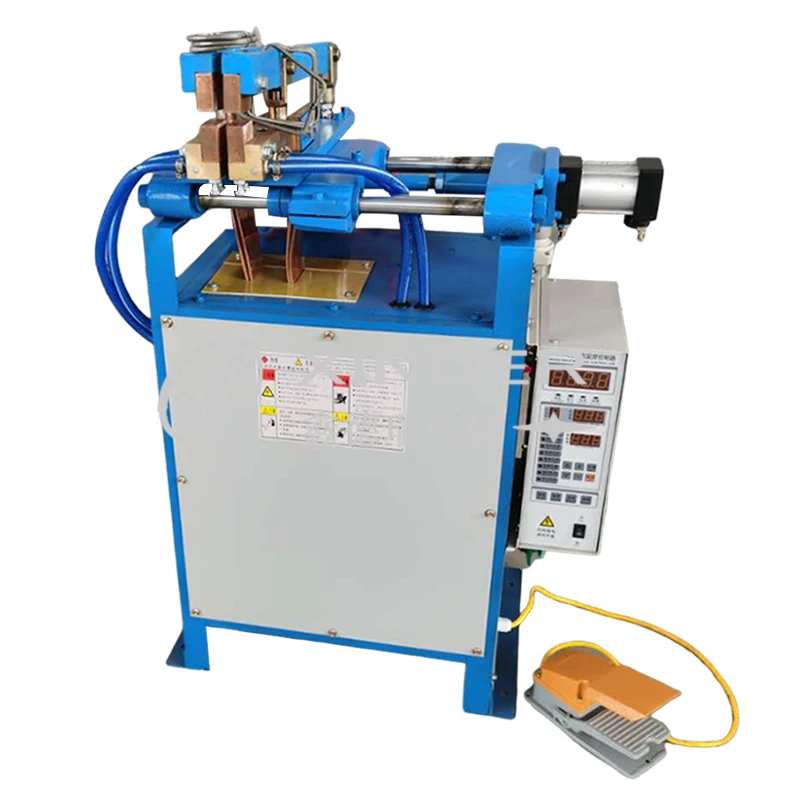 Pneumatic Handle Welding MachineSep . 13, 2024
 -
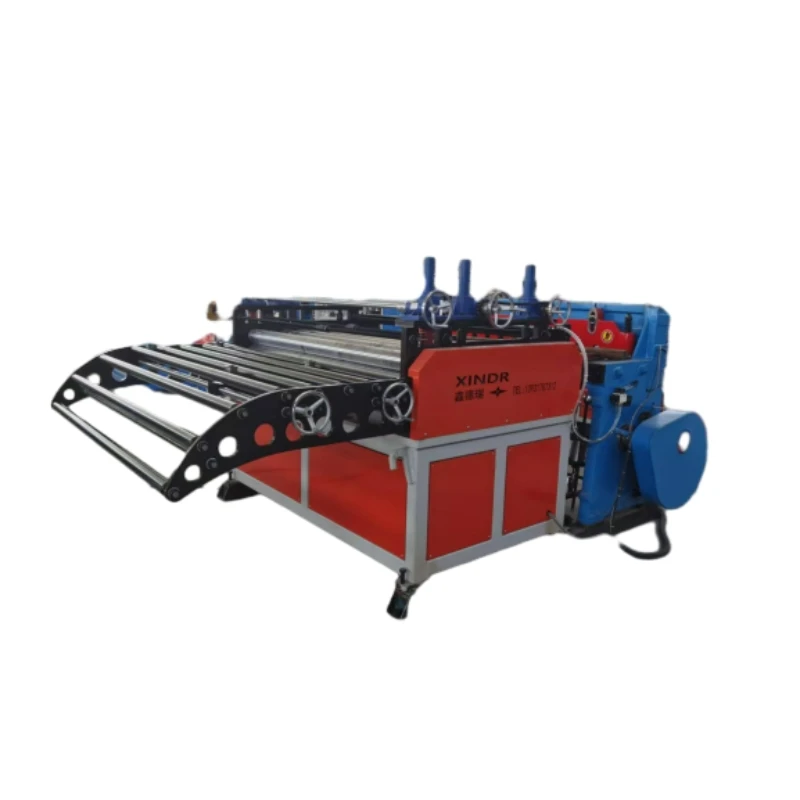 Fully Automatic Kaiping Production LineOct . 17, 2024
 -
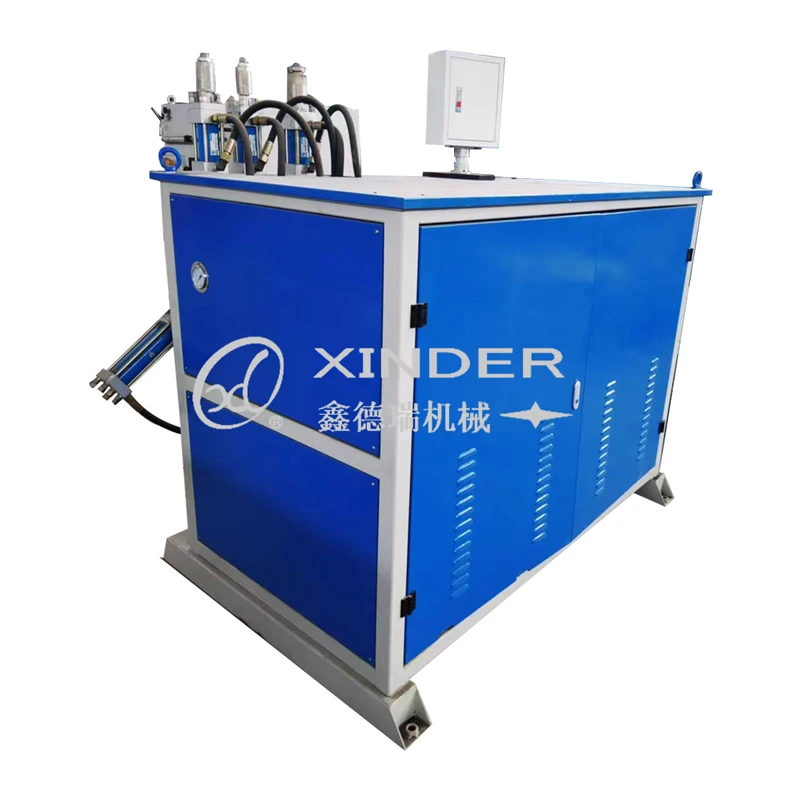 Fully Automatic Metal Bucket Lifting HeadphonesSep . 14, 2024