-
 8613931787312
 -
 Botou Industrial Zone on the east side of National Highway 104, Botou City, Hebei Province


Comparing an Automatic Seam Welder to Manual Welding
When it comes to metal fabrication—whether for metal barrels, corrugated elbows, or packaging equipment—choosing between automatic seam welder (and its industrial counterpart, the automatic seam welding machine) and manual welding is a critical decision for wholesalers and their clients. Manual welding relies on skilled labor and hands-on precision, while automatic seam welding machine uses programmed technology to deliver consistent, high-volume welds—each option has distinct strengths for different project needs. For wholesalers serving manufacturers, construction firms, or packaging facilities, partnering with a manufacturer that masters both automatic and custom welding solutions is essential. Hebei Xindrui Machinery Manufacturing Co., Ltd., based in Cangzhou (with easy access to railways and highways) and boasting 20+ years of experience (formerly Xindrui Machinery Factory), specializes in automatic seam welding machine (alongside metal processing equipment) and understands how these tools stack up against manual methods. Their professional R&D team ensures automatic seam welder models meet bulk production demands, while their custom design capabilities cater to niche manual welding needs—making them a trusted wholesaler partner globally.
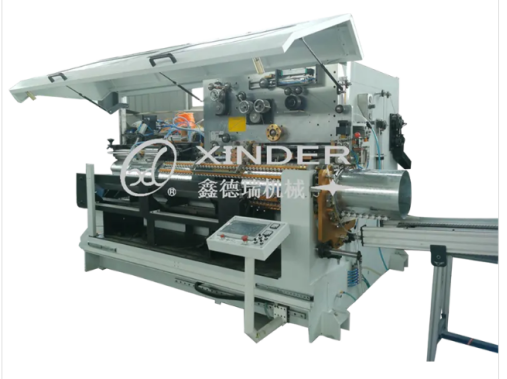
Efficiency Comparison Between Automatic Seam Welder and Manual Welding
- Speed and Volume for Automatic Seam Welding Machine: Automatic seam welding machine excels at high-volume projects, a key advantage over manual welding. Hebei Xindrui’s models can complete 15–20 linear meters of seam welds per hour (depending on material thickness), while a skilled manual welder typically handles 3–5 meters per hour. For example, a manufacturer producing 500 metal barrels daily would rely on automatic seam welder to weld barrel bodies and bottoms—cutting production time by 70% vs. manual welding. The machines also operate continuously (with minimal downtime for material loading), making them ideal for 24/7 production lines. For wholesalers, this efficiency is a major selling point: it lets clients scale output without hiring additional welders, reducing labor costs and meeting tight deadlines.
- Flexibility for Manual Welding in Custom Projects: While automatic seam welding machine dominates high-volume work, manual welding shines in custom or low-volume projects. For example, a client needing 10 custom metal corrugated elbows (each with unique angles) would use manual welding—skilled welders can adjust techniques on the fly to match irregular shapes, something automatic seam welder (programmed for standard designs) struggles with. Hebei Xindrui acknowledges this balance: they offer automatic seam welding machine for bulk orders and provide training resources for manual welders (via wholesalers) to ensure quality in custom jobs. For wholesalers, this means catering to both large manufacturers (needing speed) and small fabricators (needing flexibility)—expanding market reach.
Precision and Consistency of Automatic Seam Welding Machine vs Manual Welding
- Uniform Weld Quality for Automatic Seam Welder: Automatic seam welder delivers unmatched consistency, a critical factor for industries like food packaging or oil storage (where leak-proof welds are non-negotiable). Hebei Xindrui’s automatic seam welding machine uses laser guidance and programmable pressure controls to ensure each weld has the same depth, width, and heat input—eliminating human error (e.g., uneven pressure or inconsistent speed) common in manual welding. A study of their machines showed 99.5% weld consistency across 1,000 metal barrel seams, vs. 85% consistency with manual welding. This reliability reduces rework rates (from 10% manual to 1% automatic) and ensures compliance with strict industry standards (e.g., FDA for food-grade barrels). For wholesalers, this precision appeals to clients prioritizing quality control and regulatory compliance.
- Skill-Dependent Precision for Manual Welding: Manual welding’s precision depends entirely on the welder’s skill—an experienced professional can produce high-quality welds, but less skilled workers may create weak spots or gaps. For example, a manual welder with 10+ years of experience can match automatic seam welder precision for small batches, but a new welder may struggle with consistency. Hebei Xindrui supports manual welding clients by providing high-quality welding accessories (e.g., precision torches) via wholesalers, but notes that manual methods are riskier for large-scale projects. For wholesalers, this means advising clients to choose automatic seam welding machine for bulk orders (to avoid skill-related defects) and manual welding only for specialized, low-volume work.
Cost Analysis: Automatic Seam Welding Machine vs Manual Welding
|
Cost Factor |
Automatic Seam Welding Machine |
Manual Welding |
Hebei Xindrui Advantage for Wholesalers |
Wholesaler Value |
|
Upfront Investment |
Higher (bulk-ready machines) |
Lower (only tools needed) |
Bulk pricing for automatic seam welder |
Offers tiered pricing for large orders |
|
Labor Costs |
Lower (1 operator for 2–3 machines) |
Higher (1 skilled welder per project) |
Reduces client long-term labor expenses |
Appeals to cost-conscious manufacturers |
|
Rework/Defect Costs |
Low (99.5% consistency) |
High (85% consistency) |
Minimizes client waste and rework time |
Strengthens client trust in product quality |
|
Maintenance Costs |
Moderate (scheduled servicing) |
Low (simple tool upkeep) |
Provides maintenance kits via wholesalers |
Adds recurring revenue from accessories |
Safety and Ergonomics: Automatic Seam Welder vs Manual Welding
- Reduced Risk for Automatic Seam Welding Machine: Automatic seam welder minimizes safety hazards for workers, a key benefit over manual welding. Hebei Xindrui’s automatic seam welding machine includes enclosed work areas (to block sparks and UV radiation), built-in smoke extractors (to remove fumes), and emergency stop buttons—reducing risks of burns, respiratory issues, or eye damage. For example, a factory using 3 automatic seam welder machines reported 80% fewer safety incidents vs. a manual welding shop with the same number of workers. This safety advantage lowers clients’ insurance costs and reduces downtime from accidents. For wholesalers, marketing this safety feature appeals to clients prioritizing worker welfare (e.g., large manufacturers with strict OSHA compliance).
- Ergonomic Challenges of Manual Welding: Manual welding often causes ergonomic issues—workers hunch over projects for hours, leading to back pain or repetitive strain injuries. Even with protective gear, manual welders face higher long-term health risks than operators of automatic seam welding machine. Hebei Xindrui addresses this by offering ergonomic welding chairs and adjustable worktables (via wholesalers) for manual welders, but notes that automatic seam welder is the better long-term solution for worker health. For wholesalers, this means positioning automatic seam welding machine as an investment in both productivity and employee retention.
Automatic Seam Welder FAQS
Can Automatic Seam Welding Machine Handle Different Metal Thicknesses?
Yes—Hebei Xindrui’s automatic seam welding machine is adjustable for metal thicknesses (0.5–5mm, common in metal barrels or packaging), a key feature for wholesalers’ clients. The machines use programmable heat and pressure settings: thinner metals (e.g., 0.5mm aluminum) use lower heat (1,800°C) and pressure (5 MPa), while thicker steel (5mm) uses higher heat (2,200°C) and pressure (10 MPa). For example, a client making both thin-gauge food cans and thick-gauge industrial barrels can use the same automatic seam welder—no need to buy separate machines. Hebei Xindrui provides presets for common materials via wholesalers, making setup easy for clients.
How Long Does It Take to Train Operators for Automatic Seam Welder?
Training for automatic seam welder takes 1–2 weeks (vs. 2–3 years for skilled manual welders), a major time-saver for clients. Hebei Xindrui offers free training modules (via wholesalers) covering machine setup, programming, and basic maintenance—operators learn to load materials, select presets, and troubleshoot minor issues. For example, a client with no prior automatic welding experience can have operators running automatic seam welding machine at full capacity within a month. This quick training reduces client downtime and lets them scale production faster— a key benefit for wholesalers to highlight.
Is Automatic Seam Welding Machine Suitable for Small-Batch Orders?
While automatic seam welding machine excels at bulk orders, it can handle small batches (50–100 units) with minimal setup time. Hebei Xindrui’s machines have quick-change tooling (e.g., adjustable clamps or dies) that let operators switch between designs in 15–20 minutes—faster than setting up manual welding stations for each batch. For example, a client making 75 custom metal elbows can use automatic seam welder to save time vs. manual welding, even with the setup period.
What Maintenance Does Automatic Seam Welding Machine Require?
Hebei Xindrui’s automatic seam welding machine requires minimal maintenance: weekly cleaning of laser guides and monthly lubrication of moving parts (using oil kits provided via wholesalers). Annual servicing (done by Xindrui technicians or trained client teams) checks for worn components (e.g., welding tips) and updates software. This maintenance costs 30% less than replacing manual welding tools (e.g., torches or electrodes) and ensures the machine lasts 10–15 years (vs. 5–7 years for manual equipment).
Can Hebei Xindrui Customize Automatic Seam Welding Machine for Unique Projects?
Absolutely—Hebei Xindrui customizes automatic seam welding machine based on client drawings or samples, a key advantage for wholesalers serving niche industries. For example, a client making irregularly shaped metal storage tanks can get a automatic seam welder with custom laser guides and adjustable clamps to match tank curves. The company’s R&D team (with 20+ years of experience) also modifies machines for unique materials (e.g., stainless steel for medical equipment) or high-temperature applications.
-
Guide to Spartan Steel Bending Machine Price and Cost FactorsNewsApr.16,2026
-
Analyzing the Spartan Bending Machine Price and Buyer GuideNewsApr.09,2026
-
Understanding Small Bending Machine Price and Choosing the Right OptionNewsApr.07,2026
-
Comprehensive Guide to Sheet Metal Bending Machine Price and SelectionNewsApr.04,2026
-
Comprehensive Guide to Roofing Sheet Bending Machine Price and SelectionNewsMar.31,2026
-
Comprehensive Guide to Profile Bending Machine Price and SelectionNewsMar.28,2026
-
Comprehensive Guide to Press Bending Machine Price and Purchasing ConsiderationsNewsMar.26,2026
-
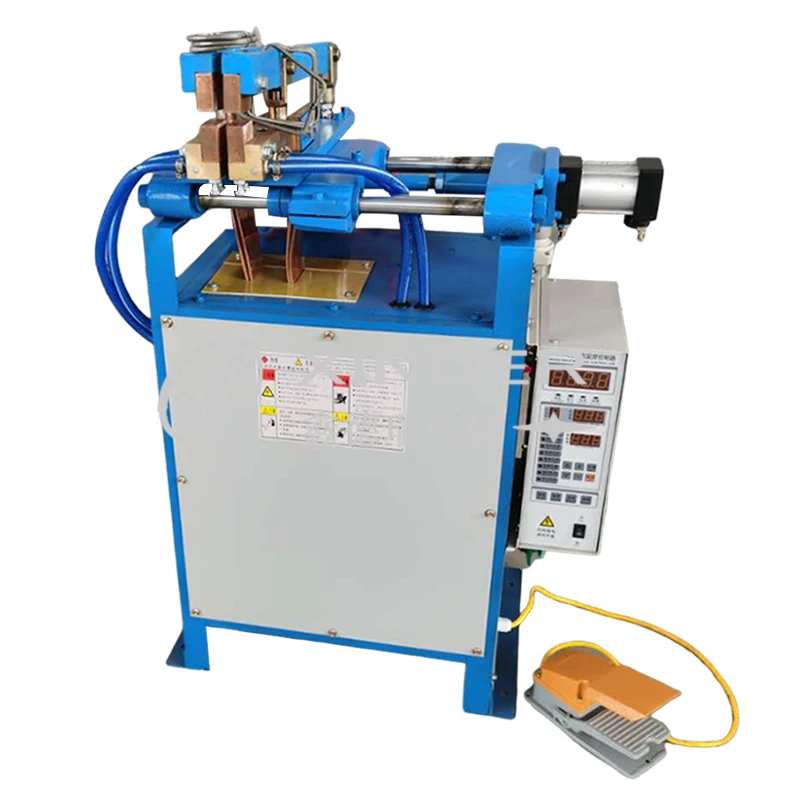 Pneumatic Handle Welding MachineSep . 13, 2024
 -
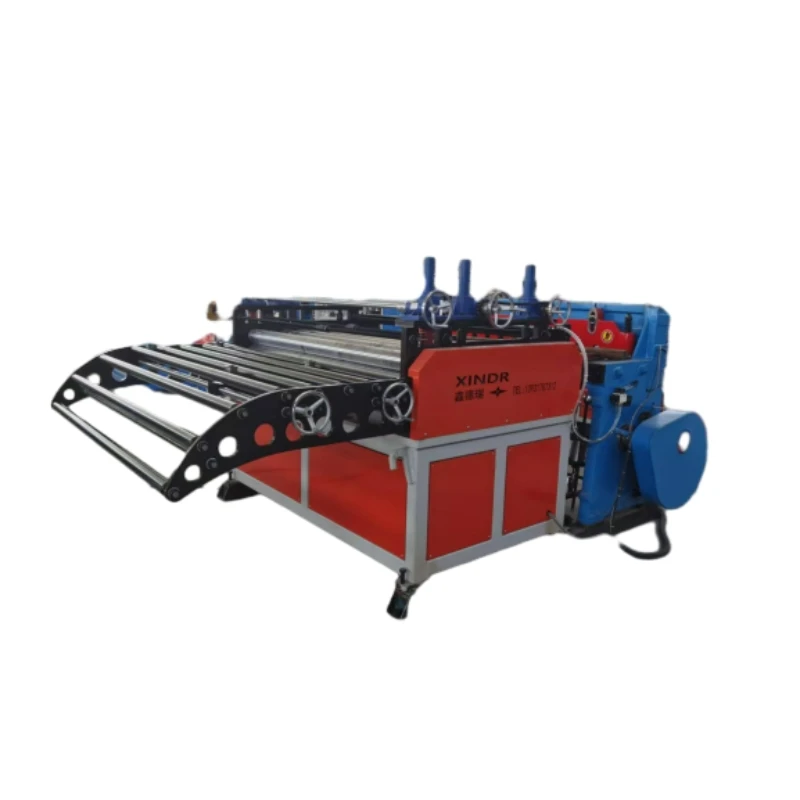 Fully Automatic Kaiping Production LineOct . 17, 2024
 -
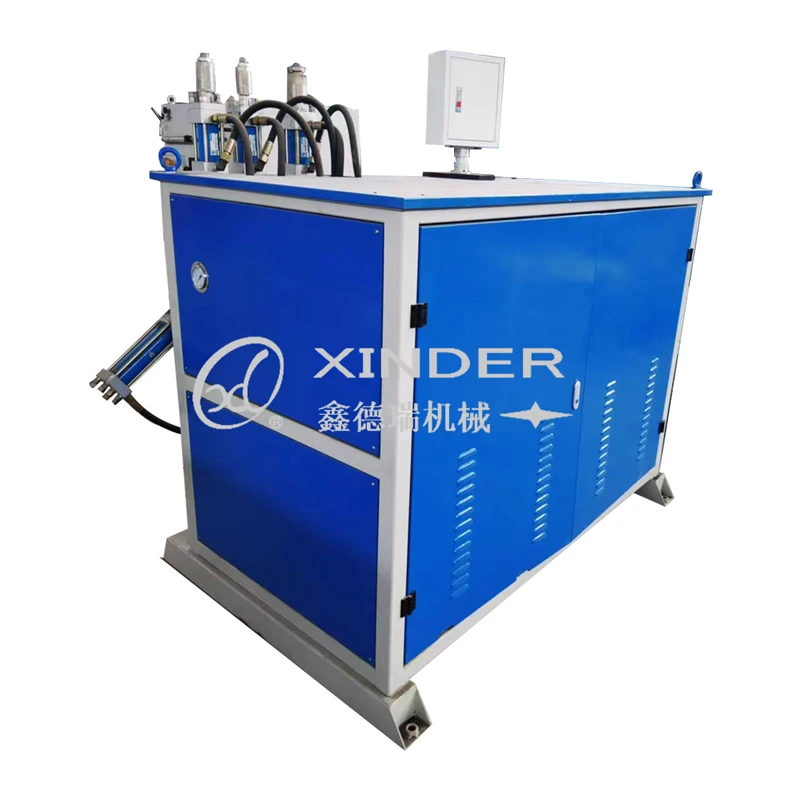 Fully Automatic Metal Bucket Lifting HeadphonesSep . 14, 2024