-
 8613931787312
 -
 Botou Industrial Zone on the east side of National Highway 104, Botou City, Hebei Province


CNC Steel Bending Machine: Global Impact, Industrial Applications & Future Trends
Understanding the CNC Steel Bending Machine: Global Impact & Industrial Relevance
If you’ve ever marveled at precisely curved steel beams in skyscrapers or the intricate profiles in automotive parts, chances are a cnc steel bending machine was involved. This piece of equipment is quietly revolutionizing industries worldwide, turning raw steel into complex shapes with precision and efficiency once unimaginable. Globally, as infrastructure drives grow and manufacturing scales, mastering steel bending is a core competency — not just for industry insiders but for anyone curious about how our built environment shapes up.
Introduction: Why CNC Steel Bending Machines Matter Globally
The world's reliance on steel is immense. According to the World Steel Association, global crude steel production was approximately 1.9 billion tonnes in 2023, underscoring just how pivotal steel is to economic development. Yet producing steel sheets is only half the battle. Shaping these sheets into durable, functional components is where cnc steel bending machines come into play. They address a key industrial challenge: producing consistent bends that meet strict tolerances while reducing waste and time.
Worldwide, demand spikes in sectors like construction, automotive, aerospace, and even renewable energy installations — from wind turbine frames to solar panel mounts. But oddly enough, the crafting of steel parts often faces bottlenecks due to traditional manual methods or less versatile equipment. CNC bending machines offer a scalable, automated solution, which is crucial for a world that values speed, quality, and sustainability.
Defining the CNC Steel Bending Machine
In straightforward terms, a CNC (Computer Numerical Control) steel bending machine is an automated system that bends steel sheet or plate to specific angles and forms. Unlike manual machines, CNC units use computer programming to control every motion — pressure, speed, angle — delivering uniform, repeatable results. They often use hydraulic or electric pressing mechanisms paired with specialized tooling.
This tech isn’t just industrial muscle — it connects deeply with shifts toward Industry 4.0 and advanced manufacturing. From building earthquake-resistant bridges to creating parts for humanitarian infrastructure projects, CNC bending machines ensure steel components fit right the first time, improving safety and reducing resource consumption.
Core Components that Define CNC Steel Bending Machines
1. Precision Control Systems
CNC machines rely heavily on exact programming. Real-time sensors and feedback systems adjust bending speed and force for complex shapes. This means fewer mistakes and less scrap.
2. Robust Hydraulic or Electric Drives
The bender’s backbone is its power source. Hydraulic drives excel for heavy-duty, thick steel, while electric drives shine in energy efficiency and noise reduction.
3. Versatile Tooling and Rollers
Adaptability is key. Modular tooling allows operators to switch quickly between projects, which is essential in environments juggling batch or custom orders.
4. Software Integration and Automation
Modern machines connect with CAD/CAM programs, enabling seamless transition from design to production. This accelerates workflows and minimizes errors.
Product Specifications of a Typical CNC Steel Bending Machine
| Specification | Details |
|---|---|
| Bending Capacity | Up to 15 mm thickness (steel) |
| Maximum Bend Length | 4,000 mm |
| Accuracy | ±0.1° angle precision |
| Drive Type | Hydraulic or Electric |
| Software | CAD/CAM Integration with real-time monitoring |
| Automation Level | Semi to fully automatic |
Global Applications & Use Cases
The CNC steel bending machine’s footprint spans multiple continents and industries. In Asia and Europe, leading automotive manufacturers use these machines to streamline chassis and body part production. In North America, construction companies heavily rely on them for shaping steel support beams and frameworks for large-scale buildings and bridges.
Oddly enough, these machines are also critical in humanitarian and disaster relief scenarios. For example, in post-earthquake rebuilding efforts in Nepal, precision-bent steel frames have accelerated construction of safe, durable temporary shelters. In remote industrial zones — say, mining operations in Australia — CNC machines produce bespoke steel parts on-site, reducing dependency on long supply chains.
There’s even a push to adapt CNC steel bending tech for renewable energy infrastructure, bending specialized steel for wind turbine towers and solar mounting systems — a truly global contribution to sustainable development goals (SDGs).
Vendor Comparison: Leading CNC Steel Bending Machine Manufacturers
| Feature | XDR Machinery | SteelPro | BendTech |
|---|---|---|---|
| Max Thickness Capacity | 15 mm | 13 mm | 18 mm |
| Automation Level | Fully Automatic | Semi-Automatic | Fully Automatic |
| Energy Efficiency | High (Electric drive option) | Moderate | Low (Hydraulic-heavy) |
| Software Integration | Advanced CAD/CAM with remote monitoring | Basic CNC controls | Standard CNC |
| Price Range | $$$ | $$ | $$$$ |
Advantages & Long-Term Value of CNC Steel Bending Machines
The tangible benefits are clear: reduced labor costs, increased production speed, and minimized material waste. But beyond that, there’s a subtle emotional resonance — safety through consistency, trust in engineering precision, dignity in building infrastructure that endures natural disasters. These machines don’t just create parts — they build confidence in modern industrial processes.
With increasing regulatory focus on sustainability (think ISO 14001 environmental management standards), the energy efficiency of modern CNC machines is a huge plus. Lower electricity consumption translates to a smaller carbon footprint, supporting corporate social responsibility goals in manufacturing.
Future Trends & Innovations
- Green Energy Integration: Electric drives combined with renewable energy sources are becoming mainstream.
- AI & Predictive Maintenance: Some systems now self-diagnose wear and schedule service, reducing downtime.
- Advanced Materials Compatibility: Machines adapted for new steel alloys and composite metals.
- Digital Twins: Virtual replicas enabling design testing before physical production.
- Increased Automation: Fully autonomous bending lines linked with robotic loading/unloading.
Challenges & Expert Solutions
Despite advances, issues remain — high upfront cost, skilled operator shortage, and occasional calibration drift are common troubles. The key is investment in training, modular machine designs that ease maintenance, and ongoing software updates. Experts recommend hybrid electric-hydraulic systems to balance power and efficiency. Plus, cloud-based platforms help in monitoring and optimizing equipment remotely.
FAQ: Frequently Asked Questions About CNC Steel Bending Machines
- What thickness of steel can a typical CNC bending machine handle?
- Most industrial CNC steel bending machines can bend steel sheets up to about 15-18 mm thick, though this varies by model and power source. For heavier duty applications, hydraulic drives are preferred.
- How does CNC bending improve production over manual bending?
- CNC offers much higher precision and repeatability, reducing errors and scrap. It also enables complex bend sequences and faster cycle times, which traditional manual methods can't match.
- Are CNC steel bending machines energy efficient?
- Yes, especially newer models with electric drives consume less energy compared to older hydraulic-only machines. Integration with energy management software further reduces operational costs.
- Can CNC steel bending machines be integrated with other manufacturing systems?
- Absolutely. Modern CNC machines connect with CAD/CAM software and factory automation systems, making them central to smart manufacturing and Industry 4.0 setups.
Conclusion + Call to Action
In sum, the cnc steel bending machine is much more than a piece of industrial hardware. It’s a cornerstone of modern manufacturing agility, global infrastructure resilience, and sustainable production. If you’re exploring ways to upgrade your steel fabrication processes, I encourage you to visit our website and discover solutions tailored to your specific needs and projects. Because in real terms, precision bending today makes for stronger, safer structures tomorrow.
1. World Steel Association - https://worldsteel.org
2. ISO 14001 Environmental Management - https://www.iso.org
3. Industry 4.0 Overview, Wikipedia - https://en.wikipedia.org/wiki/Industry_4.0
-
Guide to Spartan Steel Bending Machine Price and Cost FactorsNewsApr.16,2026
-
Analyzing the Spartan Bending Machine Price and Buyer GuideNewsApr.09,2026
-
Understanding Small Bending Machine Price and Choosing the Right OptionNewsApr.07,2026
-
Comprehensive Guide to Sheet Metal Bending Machine Price and SelectionNewsApr.04,2026
-
Comprehensive Guide to Roofing Sheet Bending Machine Price and SelectionNewsMar.31,2026
-
Comprehensive Guide to Profile Bending Machine Price and SelectionNewsMar.28,2026
-
Comprehensive Guide to Press Bending Machine Price and Purchasing ConsiderationsNewsMar.26,2026
-
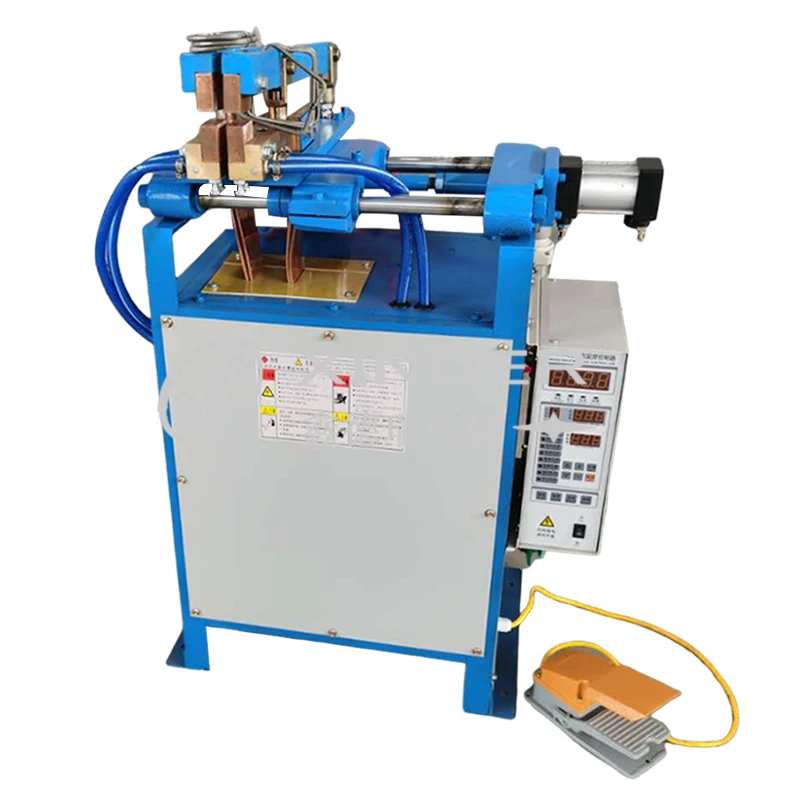 Pneumatic Handle Welding MachineSep . 13, 2024
 -
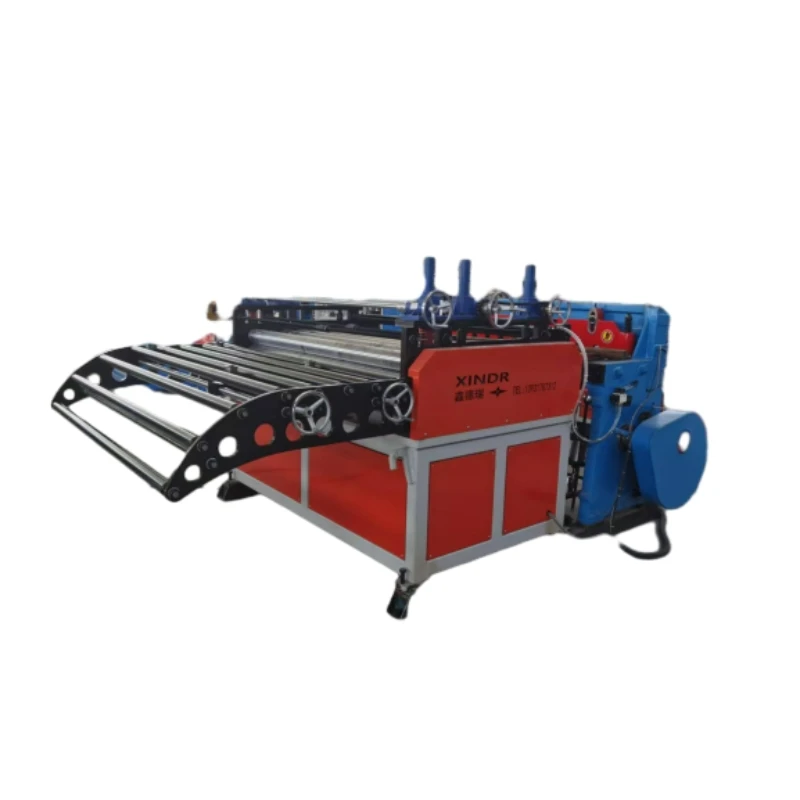 Fully Automatic Kaiping Production LineOct . 17, 2024
 -
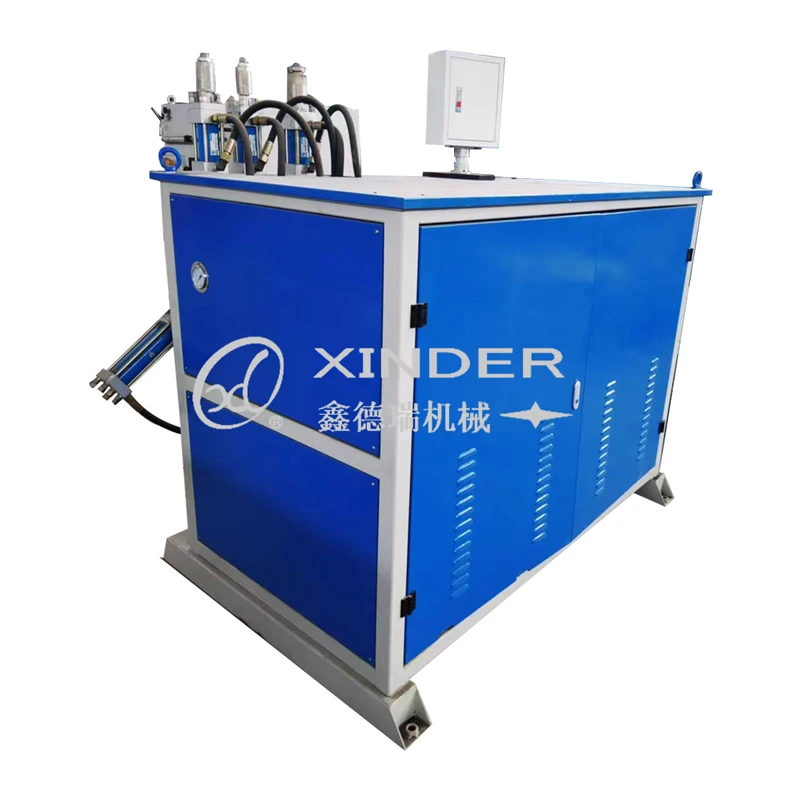 Fully Automatic Metal Bucket Lifting HeadphonesSep . 14, 2024