-
 8613931787312
 -
 Botou Industrial Zone on the east side of National Highway 104, Botou City, Hebei Province


Automated Sheet Metal Bending Machine: Revolutionizing Global Manufacturing
Understanding the Automated Sheet Metal Bending Machine: A Global Game-Changer
At first glance, an automated sheet metal bending machine might sound like just another industrial gadget. Yet, the reality is quite different — this technology plays a pivotal role in shaping modern manufacturing, infrastructure, and even humanitarian efforts worldwide. In an era demanding faster production, precision, and sustainability, grasping how this machine works unlocks numerous benefits: better product quality, cost savings, and ultimately, a nudge towards greener and smarter industrial processes.
Introduction: Why the Automated Sheet Metal Bending Machine Matters Globally
Globally, manufacturing industries are under pressure to evolve. According to the International Organization for Standardization (ISO), over 50% of metal parts production today leverages some form of automated processing technology to meet rising demand and quality demands. Automating sheet metal bending is especially critical because it accelerates a process once done manually or semi-manually, cutting lead times and waste. The World Bank reports that these improvements help emerging economies boost local manufacturing competitiveness by up to 30%, which in turn fuels job creation.
Yet, there’s a challenge: traditional bending methods are time-consuming, inconsistent, and resource-heavy. This is where automation steps in as a practical answer — ensuring repeatability and resource optimization, keeping up with tight global supply chains.
What Is an Automated Sheet Metal Bending Machine?
Simply put, an automated sheet metal bending machine is a device that bends thin sheets of metal into specific shapes using controlled, computer-guided movements. Unlike manually operated brakes or presses, these machines use robotics or CNC (Computer Numerical Control) systems to deliver consistent, precise bends and folds. Think of it as the difference between hand-crafting and laser cutting, but for metal sheets.
In industry and humanitarian contexts alike, this technology symbolizes progress — enabling efficient fabrication of components that might be used in everything from automotive parts and HVAC systems to emergency shelters and portable infrastructure.
Core Features of Automated Sheet Metal Bending Machines
Precision and Accuracy
These machines use CNC programming to ensure each bend is exact, often within ±0.1 millimeters tolerance. This precision means fewer rejected parts, higher product quality, and improved end-user reliability.
Durability and Build Quality
Constructed with robust materials like reinforced steel frames and hardened tooling, these machines are designed for intensive use. They often come with protective coatings to resist corrosion and wear — essential for factories running round-the-clock operations.
Scalability and Flexibility
Automated sheet metal bending machines range from small-scale models for bespoke production to large, multi-axis systems capable of handling thicker metals and complex bends. This flexibility suits both startups and large manufacturers.
Cost Efficiency
While the upfront investment can be significant, automation drastically reduces labor costs, scrap waste, and downtime. Over time, these savings compensate well, often within a few years.
Integration with Digital Workflows
Being CNC-controlled, these machines can integrate seamlessly with CAD/CAM software. This feature supports rapid prototyping, iteration, and even remote operation in some advanced setups.
Product Specifications: A Typical Automated Sheet Metal Bending Machine
| Specification | Details |
|---|---|
| Maximum Sheet Thickness | 6 mm |
| Maximum Bending Length | 3000 mm |
| Bending Angle Range | 0° to 180° |
| CNC Control | Yes, with touch interface |
| Repeatability | ±0.1 mm |
| Power Consumption | 5 kW |
Mini Takeaway: Precision, durability, and connectivity to digital systems characterize modern automated sheet metal bending machines, making them indispensable in current industrial workflows.
Global Applications and Use Cases
Oddly enough, automated sheet metal bending isn’t just confined to typical large-scale industries. Let’s glance across various global sectors:
- Automotive Manufacturers in Germany and Japan rely heavily on these machines for body panels and chassis parts.
- Aerospace Firms in the U.S. use precision bending for lightweight, complex alloy components.
- Construction Companies in emerging economies utilize automated sheet metal bending machines to fabricate durable roofing and cladding sections.
- NGOs and Aid Agencies implement this tech to swiftly produce modular shelters in post-disaster relief areas, ensuring rapid deployment of safe housing.
- HVAC and Appliance Industries globally benefit from repeatable bends to make ductworks and housings.
For a quick peek at how vendors compare, here’s a snapshot:
| Vendor | Max Sheet Thickness | Bending Length | Automation Level | Typical Industries |
|---|---|---|---|---|
| XDR Machinery | 6 mm | 3000 mm | Fully Automated CNC | Automotive, Construction |
| MetalForm Inc. | 8 mm | 2500 mm | Semi-Automated | Aerospace, Appliances |
| BendTech Solutions | 5 mm | 3200 mm | Fully Automated | Construction, HVAC |
The Advantages and Long-Term Value of Automated Sheet Metal Bending
Consider this: faster cycle times and unparalleled repeatability translate directly into less waste, lower costs, and higher output. But beyond numbers, there’s something inherently human about automation improving workplace safety and dignity — removing workers from repetitive, injury-prone tasks.
The sustainability angle is compelling too. Optimized bending programs minimize scrap, which not only cuts costs but reduces landfill contributions and raw material extraction. You get innovation, trust, and environmental responsibility bundled together.
Future Trends and Innovations to Watch
Automation isn’t standing still — it’s accelerating. Smart factories will integrate IoT sensors monitoring machine health in real-time, enabling predictive maintenance. Notably, using lightweight, advanced alloys in bending processes will require machines with adaptive tooling and AI-enhanced control systems.
Green energy is entering the picture. We’re seeing machines designed for low power consumption and compatibility with renewable energy sources, helping manufacturing facilities meet increasingly tough environmental standards.
Current Challenges and Practical Solutions
Sure, automation can be costly and complex to implement. Some plants struggle with upfront capital expenses or workforce training. There's also the occasional difficulty in handling thick, irregular metals.
Yet, companies are tackling this by phased implementation strategies and partnering with vendors offering comprehensive training and after-sales support, like automated sheet metal bending machine providers. Modular machine designs also make scaling up simpler over time.
FAQ About Automated Sheet Metal Bending Machine
- Q: How does automation improve sheet metal bending quality?
A: Automated machines reduce human error by using precise CNC controls, delivering consistent bends that meet exact specifications. This reduces rework and scrap. - Q: Can these machines handle different metal types?
A: Yes, most modern automated bending machines accommodate a variety of metals, including steel, aluminum, and alloys, thanks to adjustable tooling and programmable settings. - Q: What industries benefit most from automated sheet metal bending?
A: Automotive, aerospace, construction, HVAC, and humanitarian manufacturing sectors see notable benefits through improved production speed and precision. - Q: How can small businesses adopt this technology affordably?
A: Small businesses often begin with semi-automated or smaller CNC models, or through renting/outsourcing bending services while building expertise and capital. - Q: What maintenance challenges exist for these machines?
A: Routine checks of tooling wear, lubrication, software updates, and sensor calibration are critical. Many vendors offer remote diagnostics to ease maintenance burdens.
Conclusion
In real terms, the automated sheet metal bending machine is a cornerstone of modern manufacturing excellence, combining speed, sustainability, and safety into one elegant package. Whether you’re assembling cars or emergency shelters, embracing this technology sets you on a path toward innovation and lasting impact.
If you want to explore how automated sheet metal bending machine solutions can transform your operations, don’t hesitate to visit our website and take the first step forward.
Thoughtfully embracing automation isn’t just about machines — it's about building industries that respect people and planet alike.
- ISO Industrial Automation Standards – iso.org
- World Bank Manufacturing Data – worldbank.org
- Sheet Metal Bending Process – Wikipedia
-
Analyzing the Spartan Bending Machine Price and Buyer GuideNewsApr.09,2026
-
Understanding Small Bending Machine Price and Choosing the Right OptionNewsApr.07,2026
-
Comprehensive Guide to Sheet Metal Bending Machine Price and SelectionNewsApr.04,2026
-
Comprehensive Guide to Roofing Sheet Bending Machine Price and SelectionNewsMar.31,2026
-
Comprehensive Guide to Profile Bending Machine Price and SelectionNewsMar.28,2026
-
Comprehensive Guide to Press Bending Machine Price and Purchasing ConsiderationsNewsMar.26,2026
-
Comprehensive Guide to Plate Bending Machine Price and Optimal SelectionNewsMar.24,2026
-
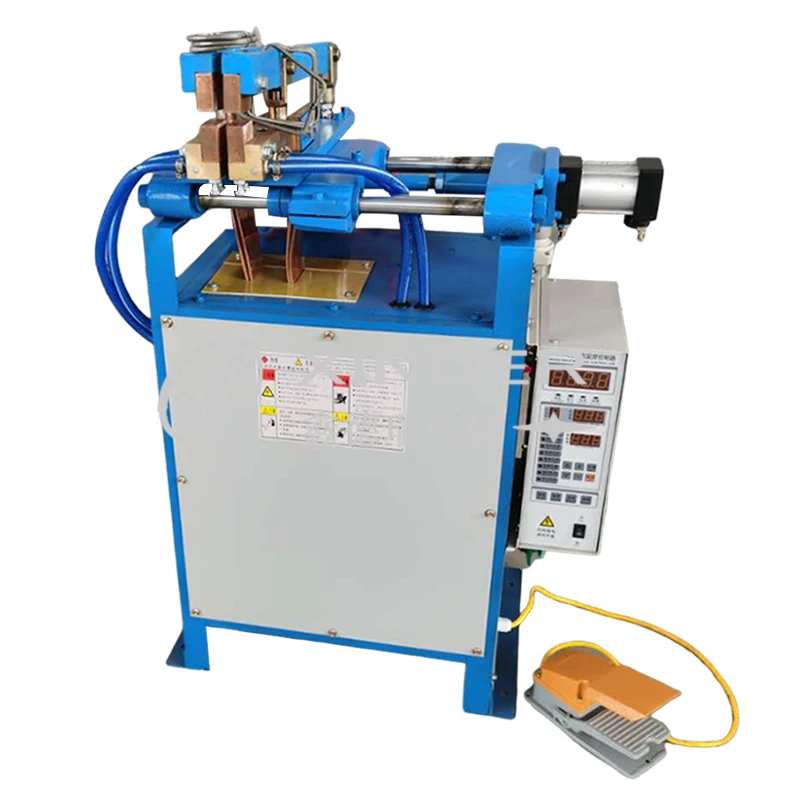 Pneumatic Handle Welding MachineSep . 13, 2024
 -
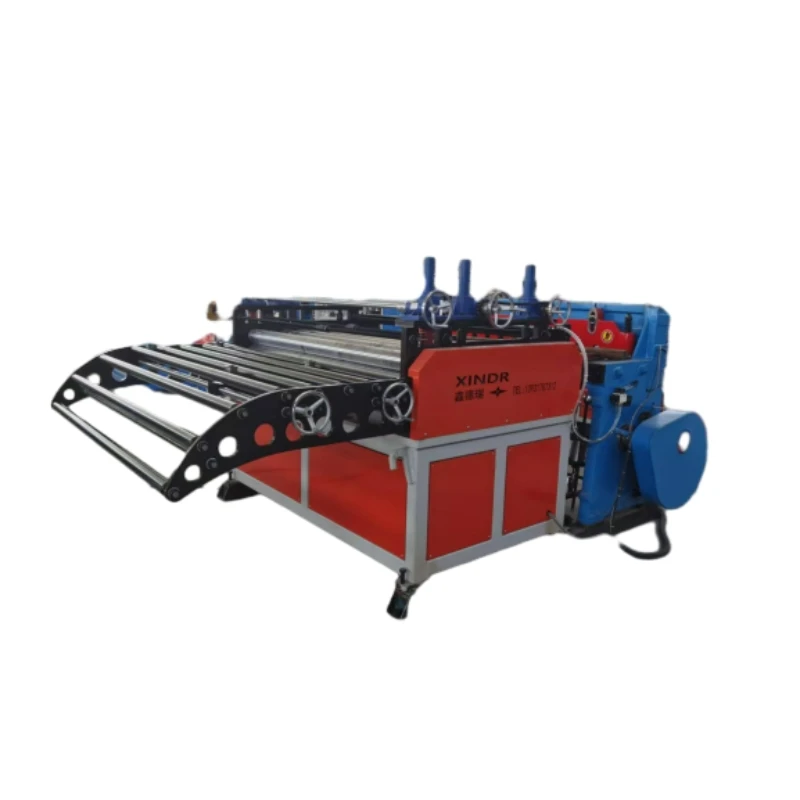 Fully Automatic Kaiping Production LineOct . 17, 2024
 -
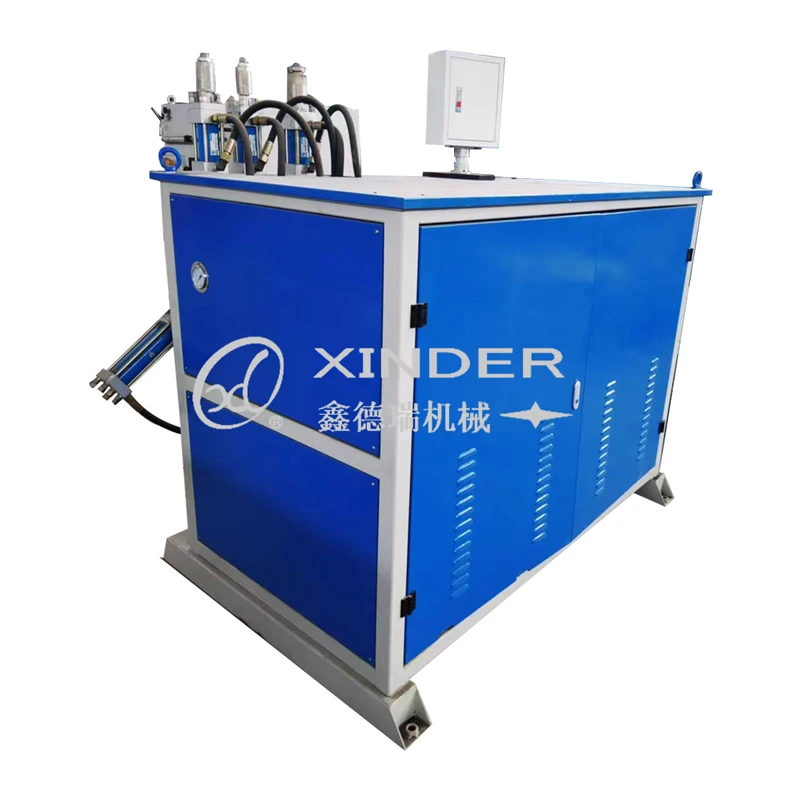 Fully Automatic Metal Bucket Lifting HeadphonesSep . 14, 2024