-
 8613931787312
 -
 Botou Industrial Zone on the east side of National Highway 104, Botou City, Hebei Province


Automatic Acrylic Bending Machine - Precision & Efficiency | XDR Machinery
Automatic Acrylic Bending Machine: A Hands-On Perspective
Having worked on industrial equipment lines for over a decade, I can say acrylic bending machines have quietly revolutionized how we shape plastics. Specifically, the automatic acrylic bending machine—it’s that level-up from manual setups that feels almost like magic, if you enjoy precision work and speed. Oddly enough, this kind of gear isn’t always the flashiest on the factory floor, but it’s the unsung hero of countless acrylic product runs.
Acrylic, as you might know, can be notoriously tricky. It’s temperature sensitive, prone to uneven bends if not handled carefully, and scraps add up fast if you’re off a touch. So the automatization here isn’t just about saving hands-on time; it’s about consistency, repeatability, and frankly, reducing headaches during production runs.
I remember early on how manual bending involved hours of trial, error, and sometimes a few too many cracked sheets. But with the arrival of automated machines, especially those that come equipped with precise temperature control and program memory, things have changed dramatically. The machines can heat, bend, cool, and even adjust angles automatically, which honestly feels like a bit of a quantum leap.
Let me walk you through the kinds of specs you’ll typically want to consider when thinking seriously about investing in an automatic acrylic bending machine. I put together a quick rundown below based on machines I’ve worked around and, no surprise, from trusted brands in the business.
| Specification | Details |
|---|---|
| Max Bending Length | 1300 mm |
| Bending Thickness | 1 - 15 mm |
| Heating Method | Infrared Quartz Lamp |
| Control System | PLC & Touch Screen |
| Bending Angle Range | 0° to 180° (adjustable) |
| Cooling Method | Forced Air Cooling |
| Power Supply | AC 380V, 50Hz |
What many engineers find appealing is the control system. A PLC paired with a touch screen interface is quite user-friendly, allowing operators to save multiple bending programs — which is a lifesaver when you deal with different acrylic thicknesses or product profiles in rapid succession. Plus, the built-in infrared quartz heating means you get a more uniform heat distribution across the bending line, which frankly cuts down on those dreaded warps and bubbles.
But, naturally, the real question often boils down to which vendor to trust. The market now is flooded with several contenders, each boasting their own special sauce. I’ve seen these machines from a handful of manufacturers over the years, and while specs matter, I always say: customer support and spare parts availability are equally crucial for minimizing downtime.
Here's a simple vendor comparison I jotted down based on durability, customer service, price, and feature set. The categories might look dry on paper, but I’ve learned through experience that these aspects make or break your day-to-day operations.
| Vendor | Build Quality | Customer Support | Price Range | Feature Set |
|---|---|---|---|---|
| XDR Machinery | Excellent | Responsive & knowledgeable | Mid to high | Advanced control, reliable heating |
| Brand B | Good | Standard | Affordable | Basic controls |
| Brand C | Fair | Limited support | Budget | Minimal features |
To share a little story: a client I worked with a few months ago was struggling with frequent machine downtime on their older manual unit, which was slowing their order fulfillment dramatically. Upgrading to an automatic acrylic bending machine from XDR made a day-and-night difference — their output doubled, and waste dropped by nearly 30%. The operators? They were happier too, claiming less strain and way less guesswork during setup.
In real terms, if you’re dealing with mid-to-large volume acrylic fabrication, investing in an automatic machine often pays off faster than you think. Yes, the initial cost can feel steep, but the cut in labor costs and material savings more than cover that over time. Plus, the machine’s programmability adds flexibility that you won’t get from a manual process.
Of course, no machine is perfect—these machines sometimes require routine calibration to maintain that bend precision, and if your shop lacks trained operators, there’s a learning curve. But the overall efficiency boost? Still well worth it.
If you want more detailed specs or a quote, I’d definitely recommend checking out XDR Machinery. They specialize in these systems and have the industry know-how to back up their equipment.
In the end, when it comes to bending acrylic, automation isn't just a convenience—it's about professional quality and workflow peace of mind.
- Industry standards on plastic thermoforming (PlasticsEurope, 2022)
- M. Johnson, “Automation Trends in Acrylic Fabrication,” Industrial Equipment Journal, 2023
- XDR Machinery official product catalog, 2024 edition
-
Guide to Spartan Steel Bending Machine Price and Cost FactorsNewsApr.16,2026
-
Analyzing the Spartan Bending Machine Price and Buyer GuideNewsApr.09,2026
-
Understanding Small Bending Machine Price and Choosing the Right OptionNewsApr.07,2026
-
Comprehensive Guide to Sheet Metal Bending Machine Price and SelectionNewsApr.04,2026
-
Comprehensive Guide to Roofing Sheet Bending Machine Price and SelectionNewsMar.31,2026
-
Comprehensive Guide to Profile Bending Machine Price and SelectionNewsMar.28,2026
-
Comprehensive Guide to Press Bending Machine Price and Purchasing ConsiderationsNewsMar.26,2026
-
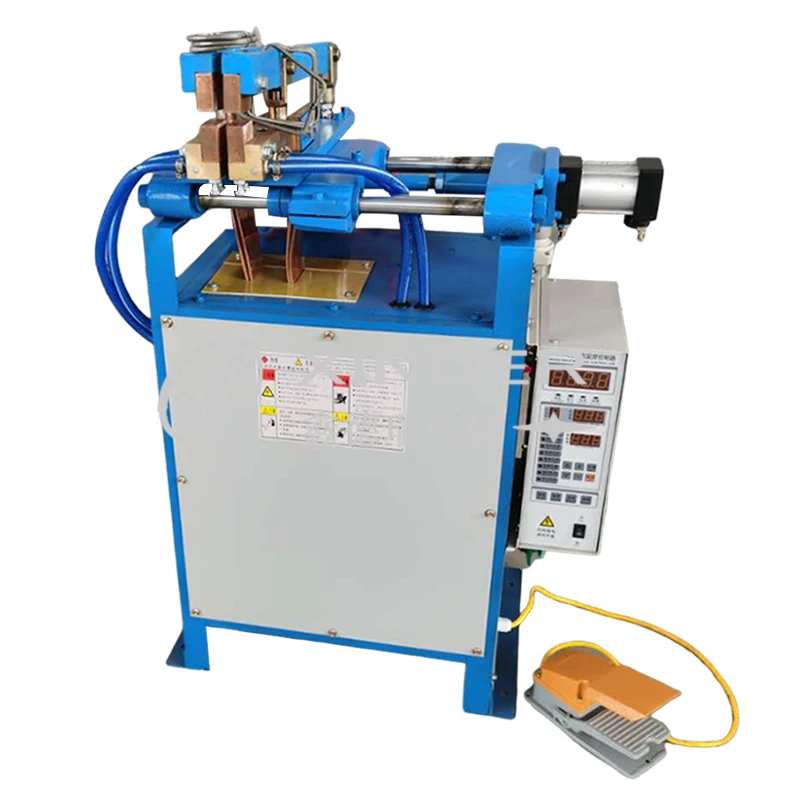 Pneumatic Handle Welding MachineSep . 13, 2024
 -
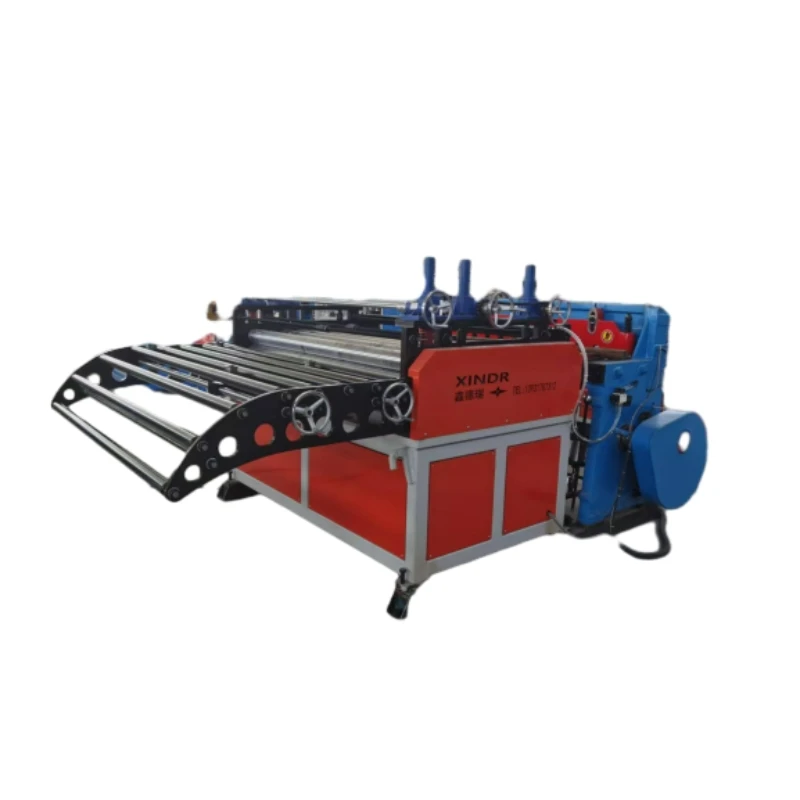 Fully Automatic Kaiping Production LineOct . 17, 2024
 -
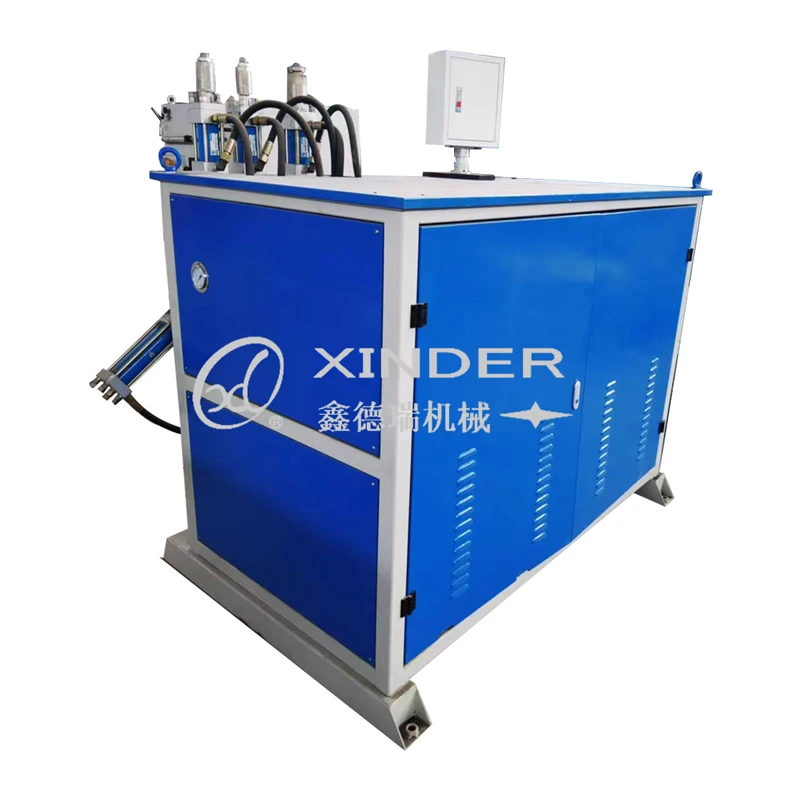 Fully Automatic Metal Bucket Lifting HeadphonesSep . 14, 2024