-
 8613931787312
 -
 Botou Industrial Zone on the east side of National Highway 104, Botou City, Hebei Province


Panel Bending Machine – Precision Sheet Metal Bending Solutions
Panel Bending Machine: The Backbone of Precision Sheet Metal Work
Having spent over a decade around industrial equipment floors, I can tell you one thing for sure: a panel bending machine isn’t just a gadget; it’s a game-changer. It’s the sort of machine that quietly underpins the precision and efficiency you need in sheet metal fabrication, yet often doesn’t get enough spotlight. You know, in an industry that’s always chasing speed and accuracy, these machines are the unsung heroes.
Frankly, the trends I’ve witnessed recently suggest more manufacturers are leaning into automation and customization. There’s a growing demand for panels that aren’t cookie-cutter but tailored, which means the bending machines need to be nimble and robust enough to handle complex operations without losing a beat. It’s fascinating to watch the evolution of these machines—from manually operated behemoths to CNC-enabled, pulse-controlled marvels. And yes, sometimes it feels like the machine itself has a personality, especially when it hums flawlessly under load.
The design and build of a quality panel bending machine are critical. Typically, these machines feature hardened steel blades, back gauges for precise positioning, and control panels that integrate user-friendly software. The material quality plays a huge role — stainless steel frames to reduce vibrations, servo motors for consistent force, and safety enclosures are all parts of a well-rounded setup. You might appreciate that in my experience, the testing phase often involves running multiple cycles on different thicknesses of sheet metal to ensure the bend accuracy and repeatability meet spec. It’s kind of like a rite of passage before the machine hits the factory floor.
Speaking of specs, I’ve pulled together a quick snapshot of what a typical mid-range panel bending machine packs:
| Feature | Specification |
|---|---|
| Bending Length | 2500 mm |
| Maximum Sheet Thickness | 6 mm (steel) |
| Control System | CNC Touchscreen Interface |
| Motor Type | Servo motor |
| Repeat Accuracy | ±0.1 mm |
| Weight | ~3500 kg |
With such capabilities, many fabricators have shared that the machine’s ability to handle different types of metals — aluminum, stainless steel, sometimes even copper — without constant readjustments is a big plus. I remember a smaller shop I visited last year that upgraded to a machine with the servo motor you see above. They told me it cut their cycle time almost in half and the repeatability made quality control a breeze.
Now, if you’re wondering who makes the best panel bending machines, the vendor landscape is quite varied. Here’s a quick vendor comparison based on my experience and industry chatter:
| Vendor | Price Range | Customization | After-Sales Support | Typical Buyer |
|---|---|---|---|---|
| XDR Machinery | $$$ (Mid-range) | High - Custom software options available | 24/7 Technical Support | Small-to-Medium Shops |
| GlobalFab | $$$$ (Premium) | Moderate - Standard modules | Comprehensive Warranty + Training | Large Enterprises |
| MechForge | $ (Budget) | Low - Basic settings only | Limited (Phone and Email) | Startups and Hobbyists |
In real terms, choosing a panel bending machine isn’t just about specs or price. Many engineers say picking a vendor with strong after-sales support and a willingness to customize software or hardware features can save you a ton of headaches down the road. I’ve noticed that companies like XDR Machinery tend to get praised for that kind of dedication.
Of course, no two shops have the exact same needs — some want rapid job changeover, others require heavy-duty machines that can handle abrasive metals day in and day out. That’s why it’s pretty important to talk to vendors about your specific workflow. Oddly enough, sometimes a simpler machine with great service beats the flashiest model that’s a nightmare to maintain.
To round off, the panel bending machine remains a staple for anyone serious about metal fabrication. Over my years, I’ve learned that the right machine helps not just with quality but also with employee safety and long-term reliability. If you’re evaluating your options, keep an eye out for adjustable tooling, good software integration, and stable frame construction. They tend to be deal makers.
It feels a little like maintaining a classic car — the right care, the right parts, and knowing the quirks make all the difference.
Remember, no machine is perfect, but the right fit for your operation is out there. Just takes a bit of patience and an honest chat with the specialists.
— Jeff M., Industrial Equipment Specialist
References:
- Industry Fabrication Trends Report, 2023
- Panel Bending Machines: Technical Bulletin, SheetMetal Pro
- Customer feedback interviews with panel shops, 2022
-
Guide to Spartan Steel Bending Machine Price and Cost FactorsNewsApr.16,2026
-
Analyzing the Spartan Bending Machine Price and Buyer GuideNewsApr.09,2026
-
Understanding Small Bending Machine Price and Choosing the Right OptionNewsApr.07,2026
-
Comprehensive Guide to Sheet Metal Bending Machine Price and SelectionNewsApr.04,2026
-
Comprehensive Guide to Roofing Sheet Bending Machine Price and SelectionNewsMar.31,2026
-
Comprehensive Guide to Profile Bending Machine Price and SelectionNewsMar.28,2026
-
Comprehensive Guide to Press Bending Machine Price and Purchasing ConsiderationsNewsMar.26,2026
-
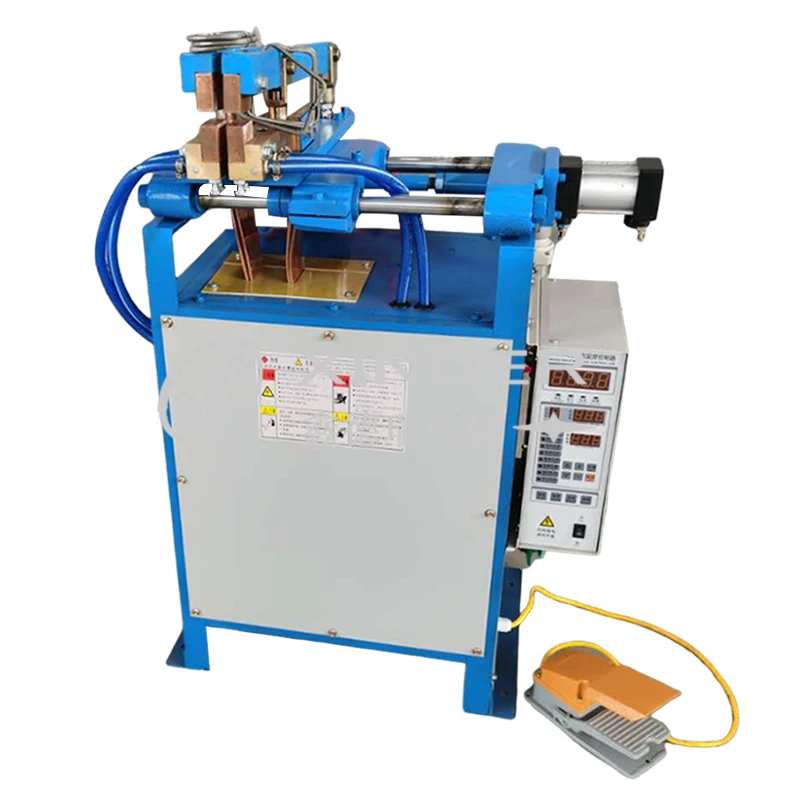 Pneumatic Handle Welding MachineSep . 13, 2024
 -
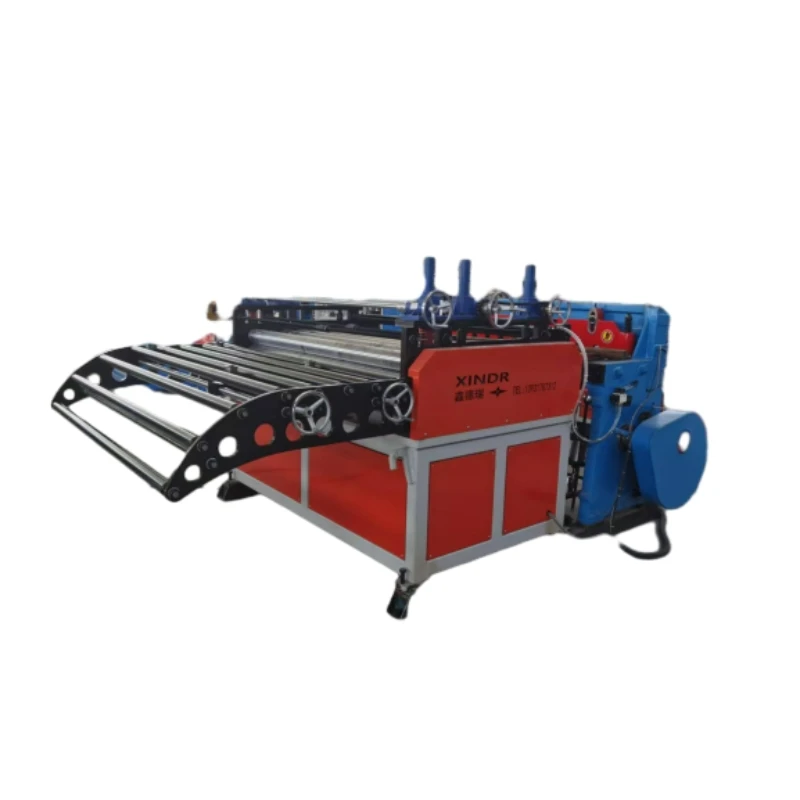 Fully Automatic Kaiping Production LineOct . 17, 2024
 -
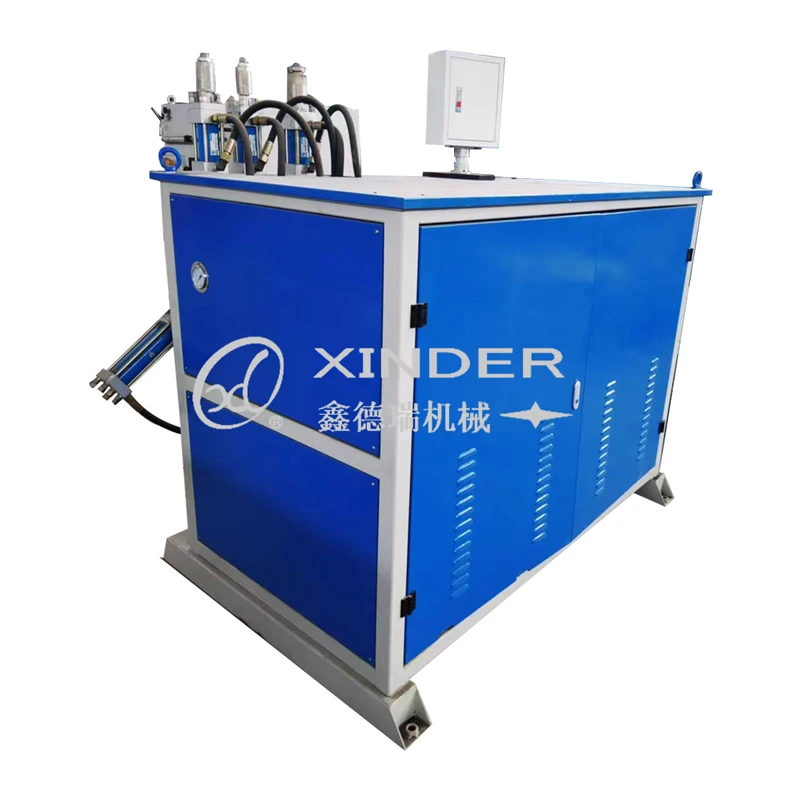 Fully Automatic Metal Bucket Lifting HeadphonesSep . 14, 2024