-
 8613931787312
 -
 Botou Industrial Zone on the east side of National Highway 104, Botou City, Hebei Province


Understanding Manual Sheet Bending Machine Price and Choosing the Right Option
Understanding Manual Sheet Bending Machine Price and Options
When considering metal fabrication projects, a manual sheet bending machine offers a cost-effective and versatile solution. However, navigating the various models and understanding the factors influencing manual sheet bending machine price can be challenging. This article provides a comprehensive guide to help you make an informed decision, covering key features, price ranges, and considerations for choosing the right machine for your needs. From small workshops to larger fabrication facilities, a well-chosen bending machine is a cornerstone of efficient metalworking.
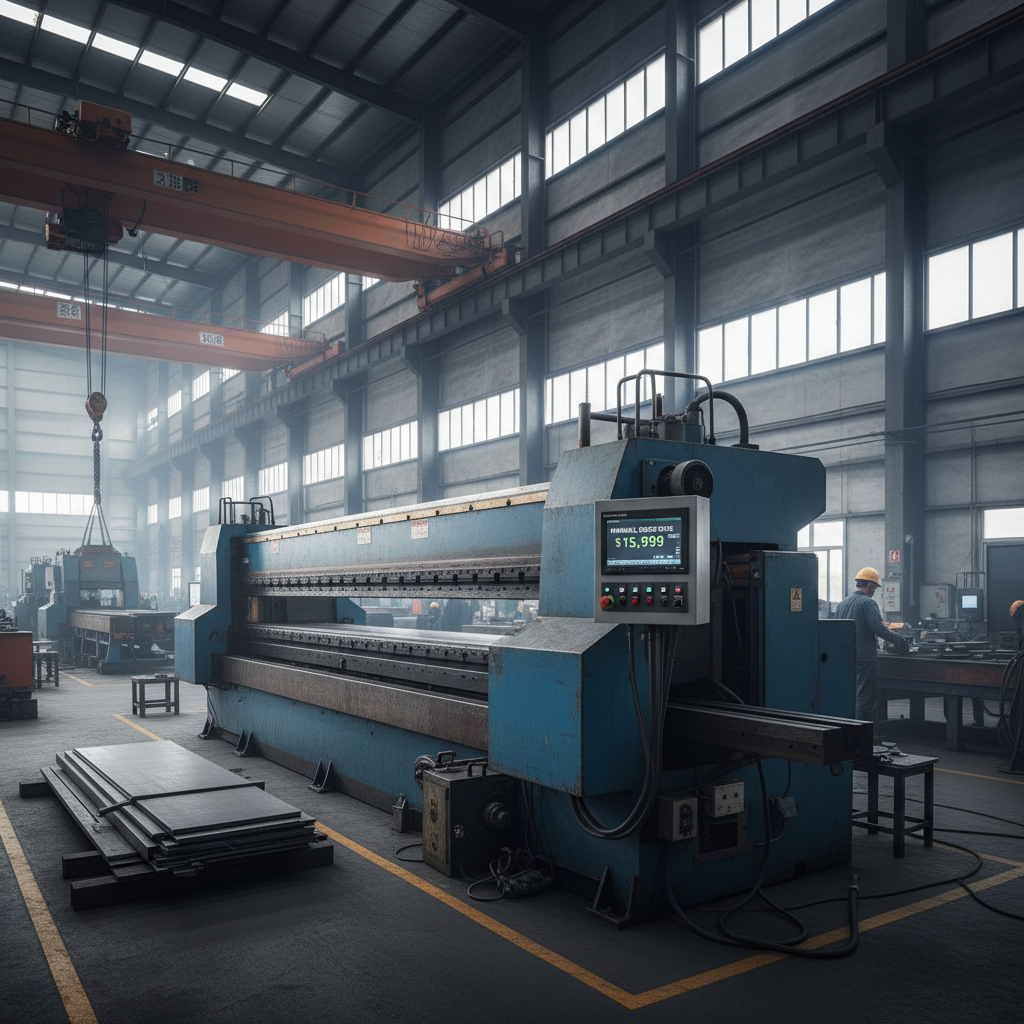
Key Features Affecting Manual Sheet Bending Machine Price
The price of a manual sheet bending machine is determined by several factors, primarily its capacity, bending length, gauge of material it can handle, and the quality of its construction. Machines with higher capacity – the maximum thickness and length of sheet metal they can bend – generally command a higher price. Similarly, machines built with heavier-duty steel and more precise manufacturing processes are more expensive but offer increased durability and accuracy. The type of bending die included also influences the cost; more versatile die sets (for varying bend radii) will increase the overall price. Looking at XDR Machinery's offerings, you’ll find options tailored to different budgets and project requirements.
Key Considerations: Machine capacity, bending length, material gauge, construction quality, and included die sets all influence price.
Factors Influencing the Cost: Material and Build Quality
The materials used in the construction of a manual sheet bending machine significantly impact its price and longevity. Machines constructed from heavy-gauge steel, with robust frames and reinforced bending arms, will naturally be more expensive than those made from lighter materials. Higher-quality steel resists deformation and ensures consistent bending accuracy over time. Furthermore, the precision of the manufacturing process – the accuracy of welding, the quality of the bending die, and the overall fit and finish – all contribute to the machine's value. A cheaper machine might offer short-term savings but could require frequent repairs or replacement, ultimately costing more in the long run. Investing in a well-built machine from a reputable supplier like XDR Machinery ensures a reliable and efficient workflow.
Material & Build Quality Benefits:
• Increased Durability
• Consistent Bending Accuracy
• Reduced Maintenance Costs
• Longer Lifespan
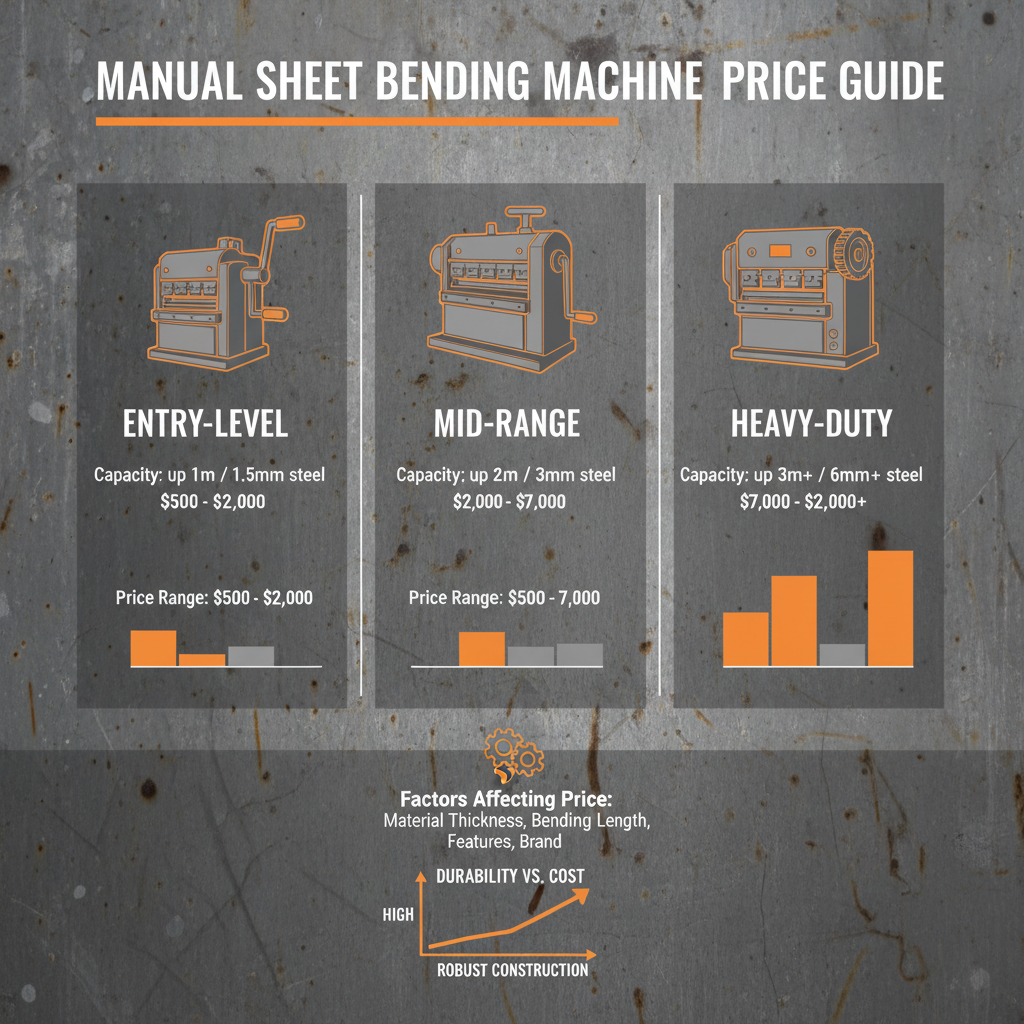
Manual Sheet Bending Machine Price Comparison
Understanding the price ranges for different types of manual sheet bending machines is crucial for budgeting. The following table provides a general overview. Prices can vary based on manufacturer, features, and location. Keep in mind that shipping costs and any applicable import duties are not included in these figures.
Choosing the Right Machine: Key Considerations
Selecting the appropriate manual sheet bending machine requires careful consideration of your specific needs. Factors to assess include the types of materials you’ll be bending (steel, aluminum, stainless steel), the desired bend angles, and the volume of work. If you primarily work with thin-gauge materials, a smaller benchtop model may suffice. For thicker materials or larger projects, a heavy-duty floor model is essential. Also, consider the available space in your workshop and any electrical requirements. XDR Machinery's expert team can provide guidance to help you choose the machine that best suits your application.
Understanding Additional Costs and Maintenance
Beyond the initial purchase price, consider additional costs such as shipping, installation, and the cost of tooling (bending dies). Regularly lubricating moving parts and keeping the machine clean are essential for maintaining optimal performance. Inspecting the bending die for wear and tear and replacing it when necessary is also important. Preventative maintenance will extend the lifespan of your machine and minimize downtime. XDR Machinery offers comprehensive support and maintenance resources to ensure your machine operates efficiently for years to come.
Conclusion: Finding the Right Balance of Price and Performance
Choosing the right manual sheet bending machine involves careful consideration of your needs, budget, and long-term goals. By understanding the factors that influence price and prioritizing quality and durability, you can invest in a machine that will deliver reliable performance and contribute to the success of your metal fabrication projects. Don’t hesitate to consult with the experts at XDR Machinery for personalized guidance and support.
Frequently Asked Questions (FAQs)
What type of steel can a manual sheet bending machine handle?
Most manual sheet bending machines can handle mild steel, aluminum, and stainless steel. However, the thickness of the material they can bend varies depending on the machine's capacity. Always check the manufacturer's specifications to ensure the machine is suitable for the type and thickness of steel you intend to use. Some machines may require different dies for different materials to achieve optimal bending results. Investing in a machine from XDR Machinery provides you with options capable of handling a diverse range of metals.
What safety precautions should I take when using a manual sheet bending machine?
Safety is paramount when operating a manual sheet bending machine. Always wear safety glasses and gloves to protect your eyes and hands. Ensure the machine is securely mounted on a stable surface. Never exceed the machine's capacity. Keep hands clear of the bending area during operation. Proper training and adherence to safety guidelines are crucial to prevent injuries. XDR Machinery provides detailed safety manuals and recommendations with all its machines.
How do I choose the right bending die for my project?
The bending die determines the radius and shape of the bend. Choose a die that matches the desired bend radius and the thickness of the material. A wider die is typically used for sharper bends, while a narrower die creates more gradual curves. Consider the material type as well; some materials require specialized dies to prevent cracking or distortion. XDR Machinery offers a wide selection of dies to suit various applications and can advise you on the best choice for your project.
What are the benefits of a manual vs. a hydraulic sheet bending machine?
Manual sheet bending machines are generally more affordable and simpler to operate than hydraulic models. They are ideal for small-scale projects and limited production runs. Hydraulic machines offer greater bending force and speed, making them suitable for larger projects and thicker materials. However, they require more space, electrical power, and are more complex to maintain. The best choice depends on your specific needs and budget. If you are starting out or have limited needs, a manual machine from XDR Machinery can be a cost-effective and efficient solution.
-
Guide to Spartan Steel Bending Machine Price and Cost FactorsNewsApr.16,2026
-
Analyzing the Spartan Bending Machine Price and Buyer GuideNewsApr.09,2026
-
Understanding Small Bending Machine Price and Choosing the Right OptionNewsApr.07,2026
-
Comprehensive Guide to Sheet Metal Bending Machine Price and SelectionNewsApr.04,2026
-
Comprehensive Guide to Roofing Sheet Bending Machine Price and SelectionNewsMar.31,2026
-
Comprehensive Guide to Profile Bending Machine Price and SelectionNewsMar.28,2026
-
Comprehensive Guide to Press Bending Machine Price and Purchasing ConsiderationsNewsMar.26,2026
-
 Pneumatic Handle Welding MachineSep . 13, 2024
 -
 Fully Automatic Kaiping Production LineOct . 17, 2024
 -
 Fully Automatic Metal Bucket Lifting HeadphonesSep . 14, 2024