-
 8613931787312
 -
 Botou Industrial Zone on the east side of National Highway 104, Botou City, Hebei Province


Manual Metal Bending Machine – Durable, Precise, and Cost-Effective Solutions | XDR Machinery
Manual Metal Bending Machine is a key solution in the industry, specifically within metal fabrication, construction, and manufacturing sectors. This article explores how https://www.xdrmachinery.com supports professionals with durable, high-performance products, and explains why this product is an ideal choice for businesses in these sectors.
Table of Contents
- Manual Metal Bending Machine Overview
- Benefits & Use Cases of Manual Metal Bending Machine
- Cost, Maintenance & User Experience
- Sustainability & Market Trends
Manual Metal Bending Machine Overview
When you think of a Manual Metal Bending Machine, it might sound straightforward: a device that bends metal to your will. But honestly, there’s more finesse here than one might expect. This tool is fundamental for shaping metal sheets or bars without relying on complex electronics or hydraulics. Instead, it uses mechanical leverage — often a combination of levers, rollers, and clamps — to efficiently bend metal to precise angles and curves.
The relevance? Well, in industries where precision and durability intersect, this machine excels. Think construction beams, metal enclosures, or custom fabrication projects. The specs typically include bending capacities ranging up to 3-6 mm thickness depending on the model, bending angles adjustable up to 180 degrees, and a robust frame ensuring stable operation over long periods.
One recent case study I came across involved a small workshop switching from manual hammering techniques to a dedicated manual bending machine. The impact on safety and consistency was marked, and even the most stubborn metal pieces, like thick steel plates, bent cleanly with much less effort, thanks to the machine’s leverage ratios and precision stops.
| Specification | Detail |
|---|---|
| Maximum Bending Thickness | Up to 6 mm (steel) |
| Max Bending Length | 1200 mm |
| Bending Angle Range | 0° to 180° Adjustable |
| Material | Heavy-duty steel frame with durable handles |
| Weight | Approx. 180 kg |
Benefits & Use Cases of Manual Metal Bending Machine
What makes manual metal bending machines stand out? In real terms, it is their precision and simplicity combined. Many engineers find that the tactile experience — the controlled pressure applied by hand — lets them be far more exact than some automated machines, especially for small to medium production runs. Plus, it’s oddly satisfying to feel that metal give way under your control.
Industrially, this machine is invaluable for custom metal fabrication, HVAC duct work, architectural metal forms, and even automotive components for small production shops. The ability to quickly adjust bending angles without complicated programming offers a significant lead-time advantage.
One feature that sets XDR Machinery’s manual metal bending machines apart is their modular tooling system. That means operators can swap out bending shoes or rollers tailored to different materials or bending radii. Combined with sturdy welds and corrosion-resistant finishes, these machines seem built to last, making them a competitive choice for businesses weighing reliability against upfront costs.
Cost, Maintenance & User Experience
Talking money: manual machines tend to have a lower total cost of ownership than fully automated hydraulics. There’s less electronic complexity, meaning maintenance is mostly mechanical — oiling hinges, tightening bolts, and occasional part replacement. For many small and medium businesses, that means fewer surprises on the repair bill.
Customer feedback from manufacturing firms indicates satisfaction particularly with how the machines balance durability and ease of use. The return on investment often comes within the first year as improved precision reduces scrap metal and rework costs. Plus, training operators on the manual machine takes far less time than more complex bending solutions.
Here’s a quick vendor comparison table that highlights why XDR Machinery’s models are often top contenders:
| Feature | XDR Machinery | Competitor A | Competitor B |
|---|---|---|---|
| Price Range | $$$ | $$$$ | $$ |
| Build Quality | High (Steel frame) | Medium (Aluminum body) | High (Steel, but heavier) |
| Customization Options | Modular tooling | Fixed tooling | Limited |
| Warranty | 1 year standard | 6 months | 1 year standard |
Sustainability & Market Trends
In today’s climate-conscious market, sustainability isn’t just a buzzword—it’s increasingly a purchasing factor. Manual metal bending machines reflect this through efficient resource use: less electricity compared to automated alternatives, longer machine lifespans with easy repairs, and reduced metal waste thanks to precise bending.
Regulatory frameworks in manufacturing-heavy regions often incentivize tools that lower energy consumption and promote repairability. Oddly enough, these “simple” machines tick many of those boxes naturally. The market for them looks steady, even growing in sectors like renewable energy installation and modular construction, where custom metal elements are vital.
Frequently Asked Questions about Manual Metal Bending Machine
- What is Manual Metal Bending Machine and how does it work?
- It’s a mechanical device designed to bend metal sheets and bars by applying manual force through levers and clamps, giving precise control over angles without electricity or motors. Think of it like a strong, steady hand applied over metal, enhanced by proper tools.
- What are the main benefits of using Manual Metal Bending Machine in industrial applications?
- Key advantages include durability, low maintenance, cost-effectiveness, and improved precision compared to improvised methods. It allows quick adjustments for diverse bending tasks, making it flexible for many industries.
- How does Manual Metal Bending Machine compare to traditional alternatives?
- Compared to hammer-and-anvil or purely manual shaping, these machines provide more consistent results with less operator fatigue. Versus automated hydraulic benders, they’re more affordable and simpler to maintain, though less suited for large-scale mass production.
- What industries can benefit most from Manual Metal Bending Machine implementation?
- Sectors like construction, HVAC, automotive repair, metal fabrication shops, and renewable energy installations benefit most—they rely on versatile, reliable metal bending for custom projects and prototyping.
Conclusion on Manual Metal Bending Machine from china
To sum up, the Manual Metal Bending Machine represents a sound balance of tradition and innovation. Its ability to deliver precision, durability, and cost efficiency makes it a go-to tool across many industries. For businesses seeking reliable bending solutions without the complexity of automation, it’s well worth considering.
- Recap the value of Manual Metal Bending Machine.
- - Visit our website: https://www.xdrmachinery.com
Reflecting on this, it feels like manual metal bending machines quietly combine the best of the past and present — robust, hands-on tools that don’t overpromise, just deliver.
References:
- Industry reports on metal fabrication trends, 2023.
- User testimonials and product reviews from manufacturing forums.
- XDR Machinery official product data sheets, 2024.
-
Guide to Spartan Steel Bending Machine Price and Cost FactorsNewsApr.16,2026
-
Analyzing the Spartan Bending Machine Price and Buyer GuideNewsApr.09,2026
-
Understanding Small Bending Machine Price and Choosing the Right OptionNewsApr.07,2026
-
Comprehensive Guide to Sheet Metal Bending Machine Price and SelectionNewsApr.04,2026
-
Comprehensive Guide to Roofing Sheet Bending Machine Price and SelectionNewsMar.31,2026
-
Comprehensive Guide to Profile Bending Machine Price and SelectionNewsMar.28,2026
-
Comprehensive Guide to Press Bending Machine Price and Purchasing ConsiderationsNewsMar.26,2026
-
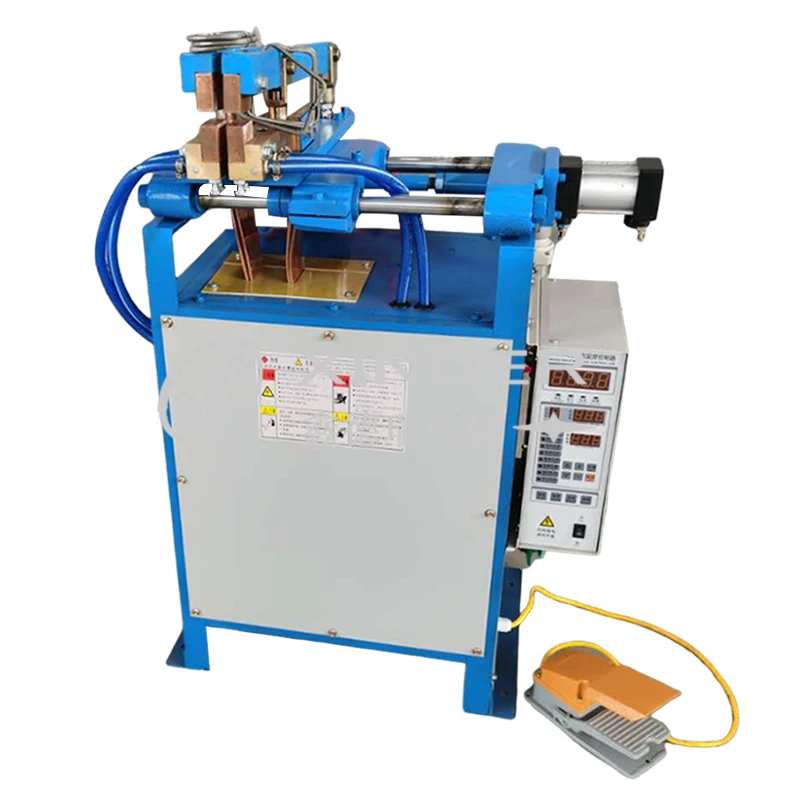 Pneumatic Handle Welding MachineSep . 13, 2024
 -
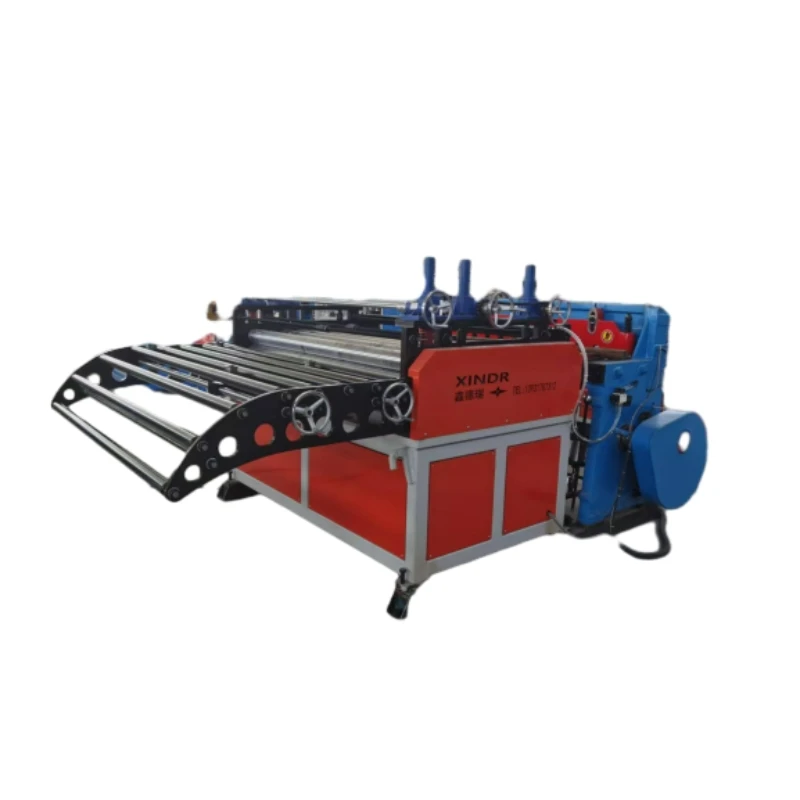 Fully Automatic Kaiping Production LineOct . 17, 2024
 -
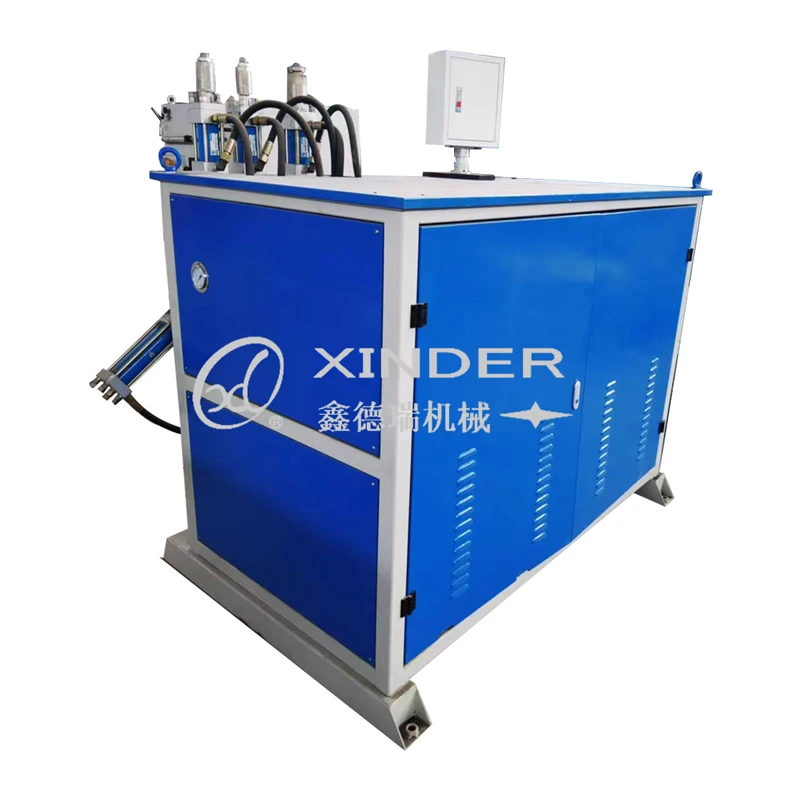 Fully Automatic Metal Bucket Lifting HeadphonesSep . 14, 2024