-
 8613931787312
 -
 Botou Industrial Zone on the east side of National Highway 104, Botou City, Hebei Province


Metal Roof Sheet Bending Machine – Durable & Precise Industrial Equipment
Understanding the Metal Roof Sheet Bending Machine
Having spent more than a decade in the industrial equipment sector, I can tell you — the metal roof sheet bending machine feels like one of those unsung heroes of modern construction. Oddly enough, it’s the kind of equipment that doesn’t get a lot of attention outside industry circles, yet it plays a fundamental role when you’re talking about roofing projects, especially in commercial and industrial settings.
In real terms, these machines are designed to bend and shape metal sheets used for roofing, ensuring precision, durability, and aesthetic appeal. Over the years, I’ve noticed how much subtle craftsmanship and engineering goes into perfecting these machines. It’s not just about brute strength — it’s about finesse, material compatibility, and speed.
When you consider the kinds of metals involved — steel, aluminum, and sometimes copper or zinc — the machine must be able to bend without causing cracks or deformities. And that, frankly, is what separates the high-end models from the cheaper knockoffs. You want even bends. You want repeatability. You want the kind of rugged reliability that keeps a plant humming 24/7.
Key Specifications of a Typical Metal Roof Sheet Bending Machine
| Specification | Details |
|---|---|
| Max Sheet Width | 1300 mm |
| Bending Thickness Capacity | 0.3 - 0.8 mm (Steel) |
| Bending Angle Range | 0° to 140° |
| Motor Power | 3 kW |
| Material | High-quality steel frame with CNC parts |
| Weight | About 1.2 Tons |
What stands out with these specifications is the blend of power and precision. The machine needs to be heavy enough to stay stable, yet nimble with controls precise enough to deliver consistent bending angles. Many engineers I talk to swear by variable angle bending — that flexibility opens doors for specialized roof designs that look both functional and modern.
Comparing Popular Vendors in Metal Roof Sheet Bending Machines
| Vendor | Product Range | Customization | Lead Time | Typical Price Range |
|---|---|---|---|---|
| XDR Machinery | Mid-high range; up to 1400mm sheets | High customization, CNC controlled | 4-6 weeks | $12,000 - $20,000 |
| SteelPro | Entry level, smaller sheets max ~1200mm | Limited options | 2-3 weeks | $8,000 - $13,000 |
| MecaFold | Premium, automated CNC systems | Full customization plus software integration | 6-8 weeks | $25,000 - $40,000+ |
Frankly, I’ve worked with a few of these brands at different factories. What I found with XDR Machinery is their sweet spot between capability and cost. Lots of the customers I know appreciate the robustness without the crazy lead times or crazy pricing you see elsewhere. It suits mid-sized operations particularly well.
Customization really sets the high-end models apart. Sometimes a simple adjustment in the roller geometry or the bending axis can tremendously improve the quality of the roof panels produced. I remember a small fabrication shop telling me they cut their scrap rates by nearly a third just by switching to a machine with better angle control and gradual bending mechanism.
In terms of materials, most metal roof sheets are galvanized steel or aluminum alloy — both fairly common but requiring precise bending characteristics to prevent micro-cracks or undesirable surface scratches. A good bending machine keeps the integrity intact, which in turn ensures longer-lasting roofs, fewer callbacks, and ultimately, better client satisfaction.
By the way, I think it’s nice to remember that these machines don’t just exist in isolation. They’re part of a bigger workflow including cutting, punching, and sometimes welding. So flexibility and ease-of-use for operators often becomes a surprisingly big factor — you want a machine that your team can run efficiently without hours of downtime or complicated recalibrations.
To sum up, the metal roof sheet bending machine is not glamorous, but it’s ridiculously important. Picking the right one can impact your entire roofing production chain. I suppose what it boils down to is finding a balance between cost, quality, and service reliability — and if you ask me, XDR Machinery strikes a solid chord there.
So, next time you’re on a site admiring a neat, well-formed metal roof, spare a thought for the bending machine that helped get those panels just right. It’s kind of the quiet workhorse behind the scenes, and, oddly enough, it’s one of those tools the industrial world really leans on.
—
References:1. Industry interviews and factory visits, 2014-2023.
2. XDR Machinery official specifications.
3. User testimonials and product reviews in metal fabrication trade publications.
-
Guide to Spartan Steel Bending Machine Price and Cost FactorsNewsApr.16,2026
-
Analyzing the Spartan Bending Machine Price and Buyer GuideNewsApr.09,2026
-
Understanding Small Bending Machine Price and Choosing the Right OptionNewsApr.07,2026
-
Comprehensive Guide to Sheet Metal Bending Machine Price and SelectionNewsApr.04,2026
-
Comprehensive Guide to Roofing Sheet Bending Machine Price and SelectionNewsMar.31,2026
-
Comprehensive Guide to Profile Bending Machine Price and SelectionNewsMar.28,2026
-
Comprehensive Guide to Press Bending Machine Price and Purchasing ConsiderationsNewsMar.26,2026
-
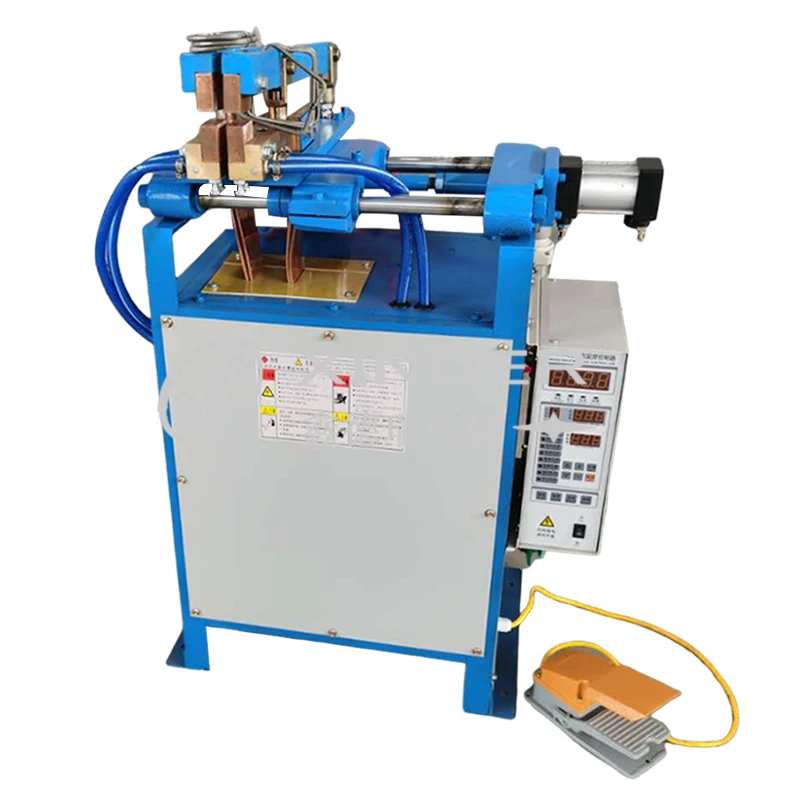 Pneumatic Handle Welding MachineSep . 13, 2024
 -
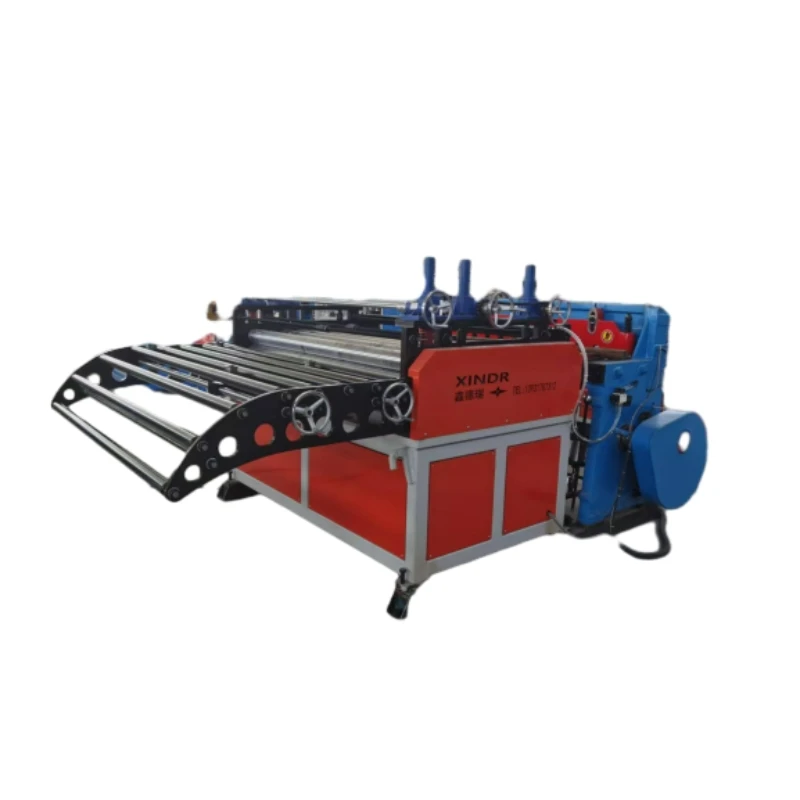 Fully Automatic Kaiping Production LineOct . 17, 2024
 -
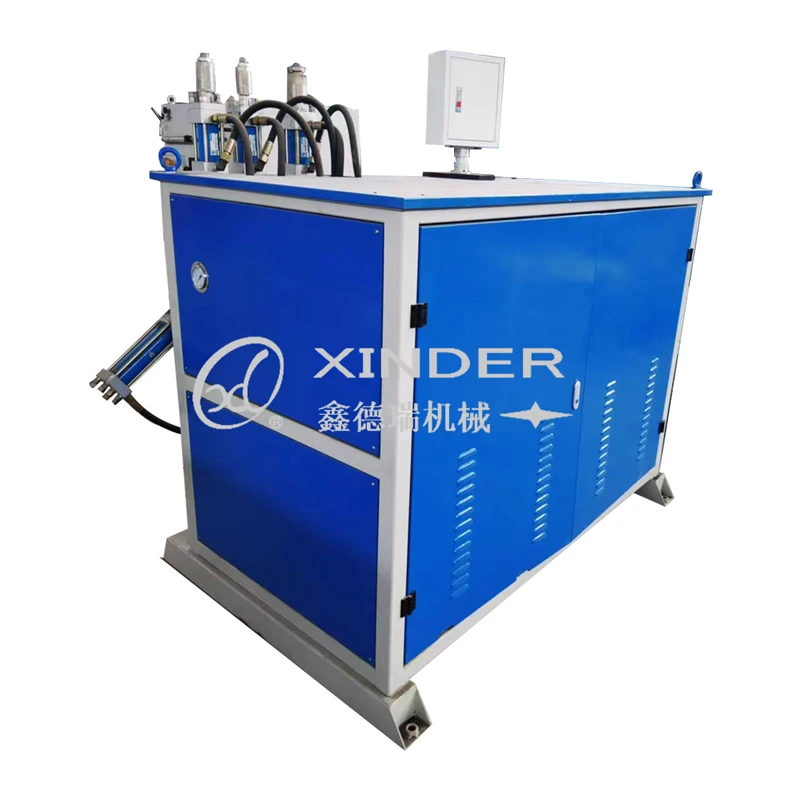 Fully Automatic Metal Bucket Lifting HeadphonesSep . 14, 2024