-
 8613931787312
 -
 Botou Industrial Zone on the east side of National Highway 104, Botou City, Hebei Province


Steel Barrel Manufacturing: Machines, Production Lines, and Costs
Steel barrels are essential containers for transporting and storing liquids, powders, and chemicals across a wide range of industries. Their strength, durability, and reusability make them the preferred choice for applications such as oil storage, chemical transport, and food-grade packaging. Modern manufacturing relies heavily on advanced equipment such as the barrel production line, the barrel making machine, and specialized steel barrel making machine models to ensure consistent quality and efficiency. This article will also discuss factors that influence the barrel making machine price.
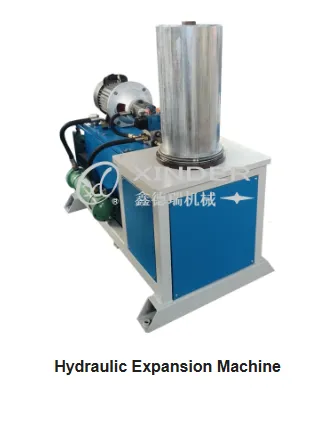
The Barrel Production Line: From Raw Material to Finished Product
A barrel production line is a complete set of machinery and processes that transform raw steel sheets into finished barrels ready for use. In a modern facility, the production line is highly automated to maintain high output and consistent quality standards.
The typical steel barrel production process includes:
Steel Sheet Preparation – Large coils or sheets of steel are cut to the required size and thickness. Surface treatments such as cleaning and coating may be applied to improve corrosion resistance.
Body Forming – The sheets are rolled into cylindrical shapes and the edges are welded together using a seam welding machine.
Flanging and Beading – The cylinder edges are flanged outward to accommodate the barrel ends. Beading adds structural reinforcement to prevent deformation.
End Cap Assembly – Barrel ends (lids and bottoms) are pressed into shape and attached to the body.
Leak Testing – Each barrel is tested for air or water leaks to ensure durability and safety.
Surface Finishing – Barrels are painted, powder-coated, or lined with protective materials, depending on the intended use.
Marking and Packaging – Logos, labels, and manufacturing data are added before the barrels are packaged for shipment.
Automated barrel production lines can manufacture hundreds of barrels per day with minimal manual intervention, reducing labor costs and increasing product consistency.
Barrel Making Machines and Their Functions
The barrel making machine is the core equipment in any barrel production line. Depending on the stage of production, there are different types of machines, each performing specific functions:
Body Rolling Machines – Roll flat steel sheets into cylindrical shapes.
Seam Welding Machines – Create a continuous, airtight weld along the barrel body seam.
Flanging Machines – Flange the barrel edges to prepare for the end caps.
Beading Machines – Add reinforcing rings around the body for strength.
Press Machines – Form the barrel lids and bottoms from steel sheets.
Leak Testing Machines – Detect any imperfections in the welds or seams.
Painting/Coating Machines – Apply protective and decorative finishes.
By combining these machines in sequence, manufacturers can efficiently produce barrels that meet international standards for safety and performance.
Steel Barrel Making Machines: Special Considerations
A steel barrel making machine is specifically designed to handle the unique characteristics of steel as a raw material. Steel is strong but can be challenging to shape without specialized tools and processes. These machines must be capable of:
Applying High Forming Force – To roll and shape thick steel sheets without compromising material integrity.
Precision Welding – Seam welds must be strong, airtight, and resistant to corrosion.
Durability for Continuous Operation – Heavy-duty frames and components are necessary for industrial-scale production.
Adaptability to Barrel Sizes – Machines may need to produce different capacities (e.g., 200-liter drums, smaller barrels).
Corrosion Protection Integration – Some machines include in-line coating or lining systems for barrels used in corrosive environments.
High-quality steel barrel making machines are critical for industries such as petroleum, chemicals, and food processing, where product safety depends on the integrity of the barrel.
Understanding Barrel Making Machine Price
The barrel making machine price can vary significantly depending on several factors:
Automation Level – Fully automated machines with CNC control and robotic handling systems cost more than semi-automatic or manual models.
Production Capacity – Machines designed for high-volume production are generally more expensive.
Build Quality and Materials – Heavy-duty steel frames, precision components, and premium welding equipment increase the cost but also extend machine lifespan.
Additional Features – Integrated leak testing, in-line coating, or smart monitoring systems will raise the price.
Brand and Origin – Machines from well-known international manufacturers may carry higher prices due to advanced technology and after-sales support.
For small-scale operations, a semi-automatic barrel making machine might cost tens of thousands of dollars, while a fully automated high-capacity steel barrel making machine could exceed several hundred thousand dollars. When assessing price, manufacturers must also consider operating costs, maintenance, and expected output.
Benefits of Modern Barrel Production Technology
Investing in advanced barrel production lines and high-quality barrel making machines brings numerous advantages:
Consistent Quality – Automation reduces variability, ensuring every barrel meets the same specifications.
Increased Productivity – High-speed machinery can produce hundreds or thousands of barrels daily.
Reduced Labor Costs – Fewer manual operations mean fewer workers are needed to maintain production levels.
Improved Safety – Automated leak detection and welding reduce the risk of defective barrels reaching the market.
Flexibility – Modern machines can quickly adapt to produce different barrel sizes and styles.
Applications of Steel Barrels
Steel barrels produced by modern manufacturing equipment serve a wide range of industries:
Petroleum and Lubricants – Storage and transportation of oil, diesel, and lubricants.
Chemical Industry – Packaging for acids, solvents, and hazardous materials.
Food and Beverage – Bulk storage of edible oils, syrups, and other liquid ingredients.
Agriculture – Containers for fertilizers, pesticides, and bulk grains.
Waste Management – Collection and transport of industrial waste.
The strength, recyclability, and reusability of steel barrels make them a sustainable packaging solution in today’s environmentally conscious market.
Future Trends in Barrel Manufacturing
As technology advances, barrel production lines are expected to incorporate even more automation, smart systems, and environmentally friendly processes. Key trends include:
IoT Integration – Real-time monitoring of machine performance and predictive maintenance.
Energy Efficiency – Machines designed to reduce energy consumption while maintaining output.
Improved Coating Technology – Longer-lasting corrosion protection for barrels.
Recycling Integration – Systems to incorporate recycled steel into barrel manufacturing.
These innovations will further improve the cost-effectiveness and environmental impact of steel barrel manufacturing.
The steel barrel manufacturing industry relies heavily on advanced barrel production lines and specialized equipment such as the barrel making machine and steel barrel making machine. Understanding the production process, equipment functions, and the factors influencing the barrel making machine price helps manufacturers make informed investment decisions. With growing demand across industries and ongoing technological advancements, barrel production is becoming faster, more efficient, and more sustainable than ever before.
-
Guide to Spartan Steel Bending Machine Price and Cost FactorsNewsApr.16,2026
-
Analyzing the Spartan Bending Machine Price and Buyer GuideNewsApr.09,2026
-
Understanding Small Bending Machine Price and Choosing the Right OptionNewsApr.07,2026
-
Comprehensive Guide to Sheet Metal Bending Machine Price and SelectionNewsApr.04,2026
-
Comprehensive Guide to Roofing Sheet Bending Machine Price and SelectionNewsMar.31,2026
-
Comprehensive Guide to Profile Bending Machine Price and SelectionNewsMar.28,2026
-
Comprehensive Guide to Press Bending Machine Price and Purchasing ConsiderationsNewsMar.26,2026
-
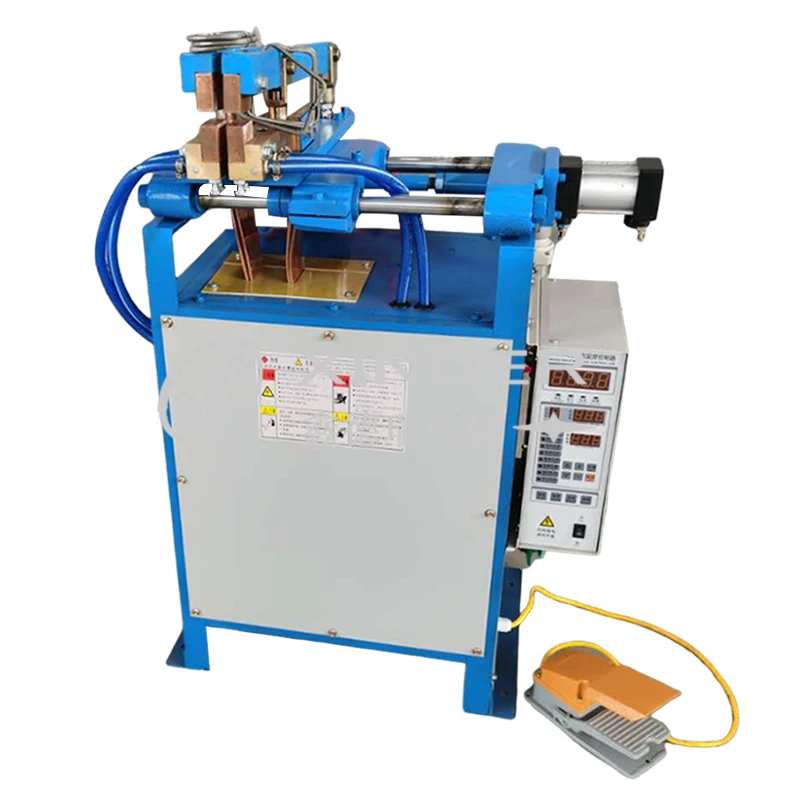 Pneumatic Handle Welding MachineSep . 13, 2024
 -
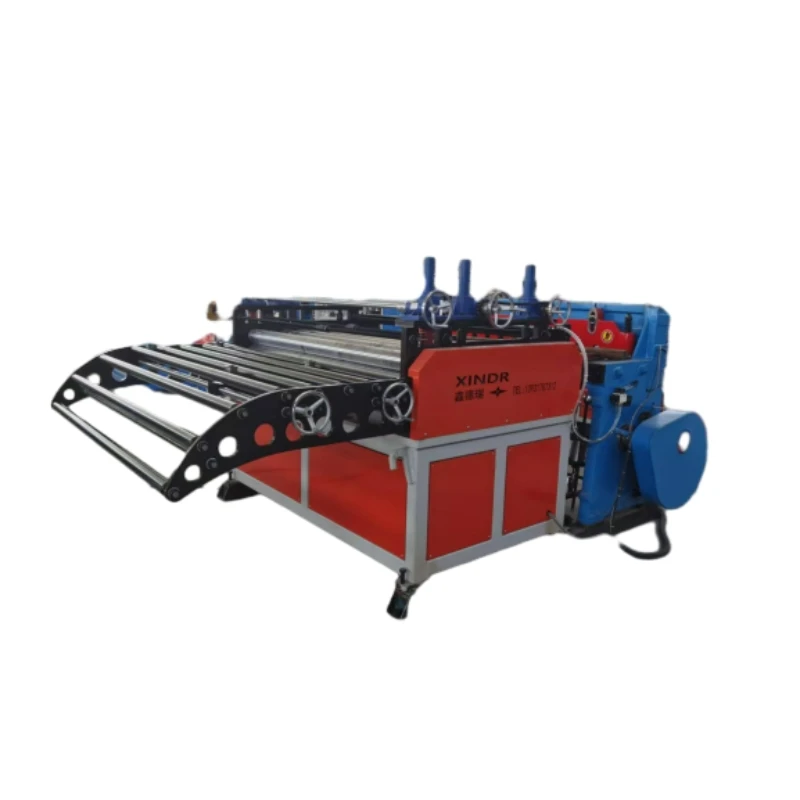 Fully Automatic Kaiping Production LineOct . 17, 2024
 -
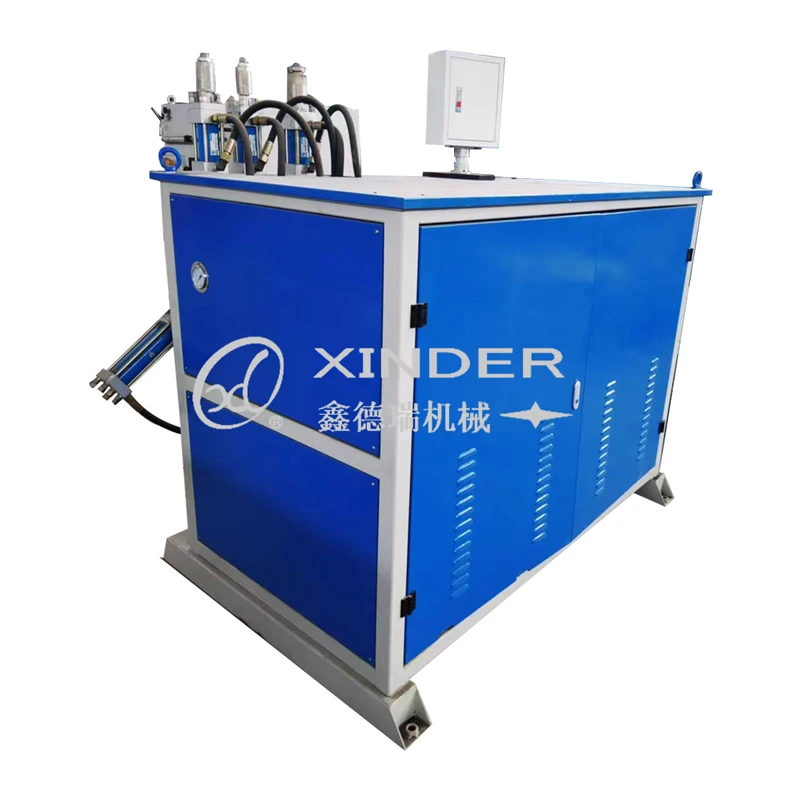 Fully Automatic Metal Bucket Lifting HeadphonesSep . 14, 2024