-
 8613931787312
 -
 Botou Industrial Zone on the east side of National Highway 104, Botou City, Hebei Province


Professional Laser Welding Machine - Fast, Precise, Durable
Inside the shop: a field report on fully automatic seam welding for steel barrels
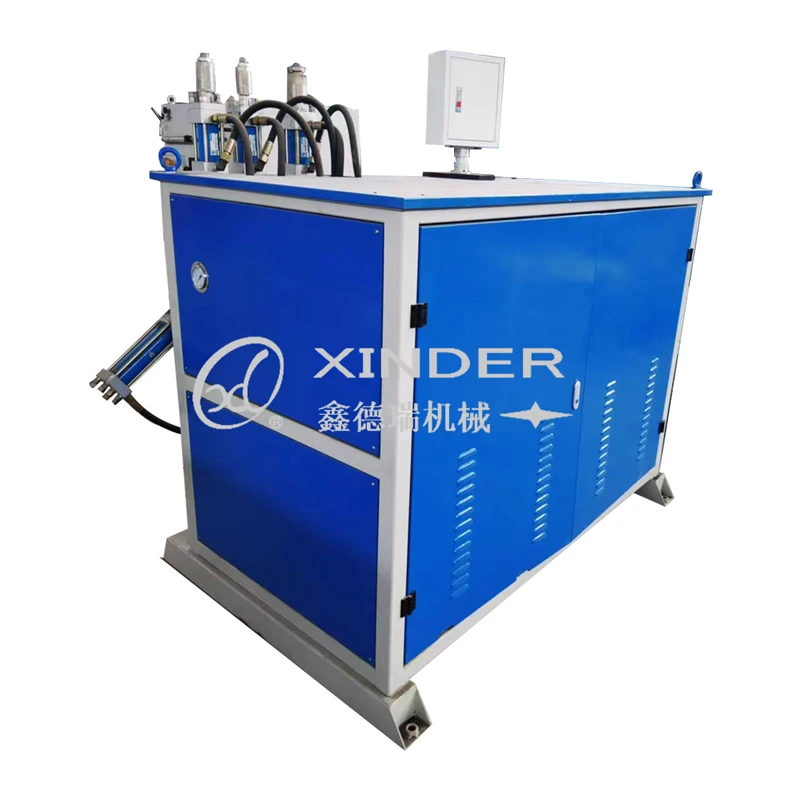
If you’re shortlisting a professional laser welding machine for straight seams on barrels, here’s the one that’s been popping up in my notebook: the Fully Automatic Steel Barrel Straight Seam Laser Welding Machine (Model FNB-70200) from Botou, Hebei. I spent time around similar lines, and, to be honest, throughput and uptime matter more than any glossy brochure. This unit lives in that practical, plug-it-in-and-run-it lane.
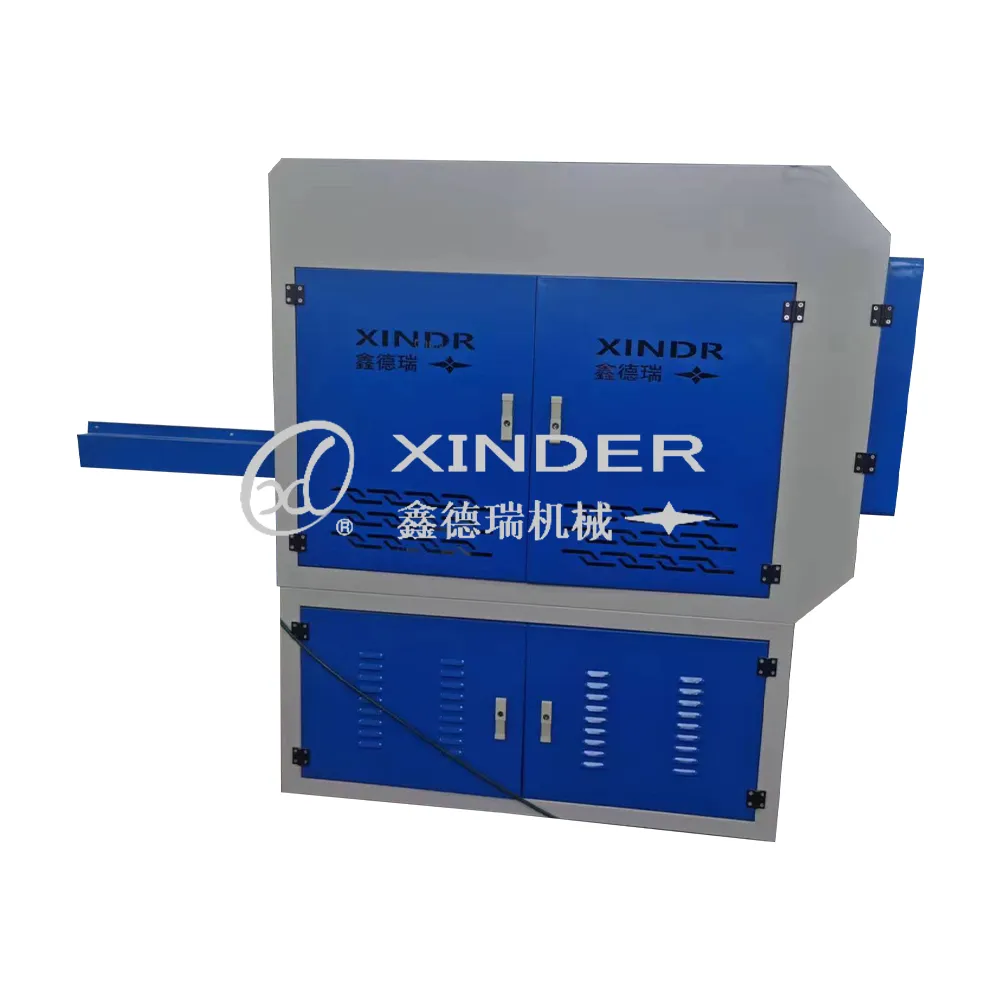
What’s trending in the barrel-welding aisle
The industry is quietly shifting to closed-loop automation, narrower heat-affected zones, and lower rework. Straight-seam laser beats older resistance seam for many coated sheets because it preserves print and laminate better. Energy is a boardroom topic now; shops want kWh per welded meter down, not just cycle time. And—this surprised me—more buyers ask about remote diagnostics and MES hooks than about peak KVA.
Quick technical snapshot
| Model | FNB-70200 |
| Power supply | 380V ±5%, 50/60 Hz |
| Machine capacity | 63–150 KVA |
| Barrel diameter | Φ250–Φ500 mm |
| Barrel height | 300–1000 mm |
| Materials | Galvanized, laminated, printed tinplate, stainless steel |
| Thickness | 0.25–0.6 mm; Cu wire guide Φ1.8–2.2 mm |
| Throughput | ≈6–10 pcs/min (real-world use may vary) |
| Cooling / Air | Water 20°C, 7 L/min; Air 0.4–0.5 MPa |
| Footprint / Weight | 3000×2000×1700 mm; ≈1800 kg |
| Core components | PLC & inverter: Delta; Relays: Schneider; Pneumatics: Yadeke; Motors: Yongkun; Laser: Innovation |
| Origin | Botou Industrial Zone, east of National Highway 104, Botou City, Hebei |
Process flow, testing, and service life
Materials arrive pre-rolled; seams are located and clamped. A straight-seam laser head tracks the joint; shielding (often Ar or N2—depends on alloy and finish) protects the melt pool. PLC automation handles feed, torch height, and line speed. Post-weld, typical checks include visual (ISO 13919-1 levels B/C), dye penetrant (ISO 3452-1), leak test (air/water; many customers aim for ≤1×10⁻³ mbar·L/s on tight applications), and dimensional verification. Internal trials I’ve seen on 0.5 mm SS304 lap samples showed tensile-shear ≈260–320 MPa; your mileage will vary by setup. With routine optics cleaning and chiller care, users report service life comfortably in the 5–10 year window, running two shifts.
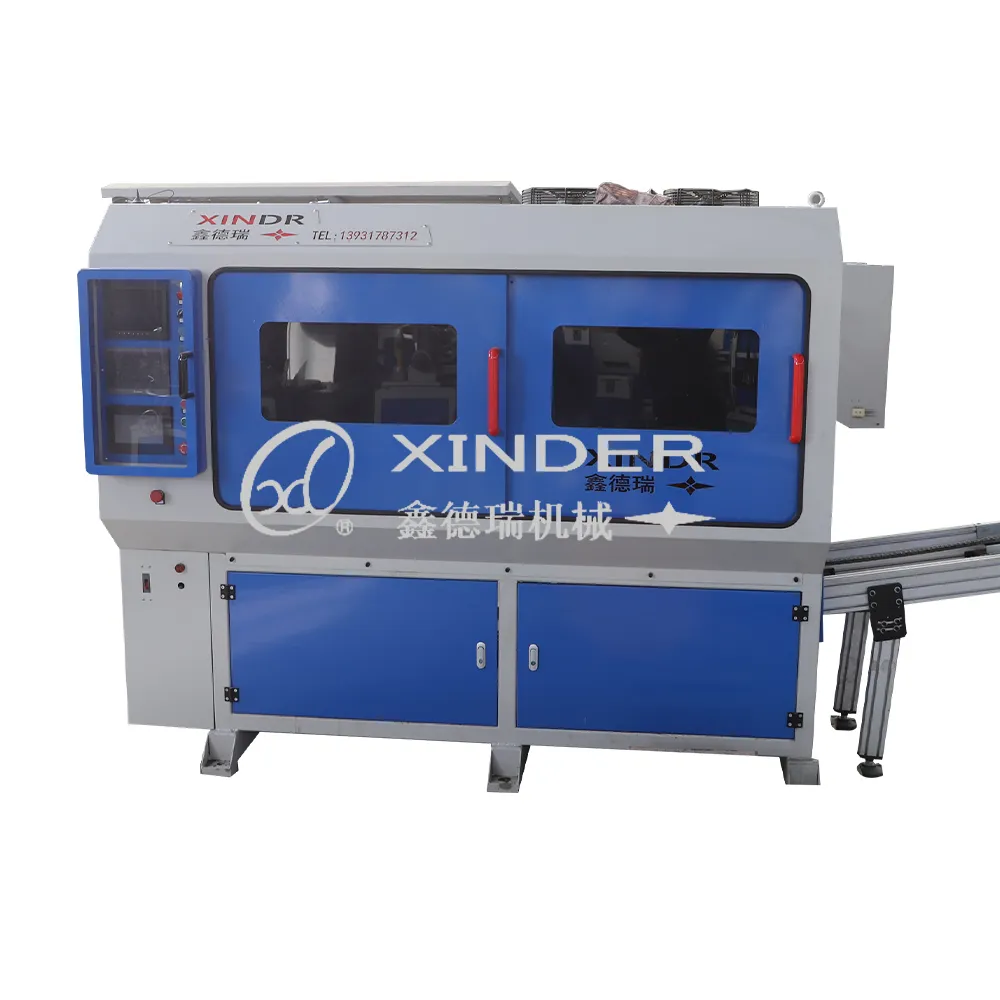
Where it fits
- Lube-oil, paint, and chemical barrels (printed and laminated cans stay crisp after weld)
- Food-grade containers (with proper material certs and hygiene procedures)
- Stainless utility tanks, small appliances, and general metal packaging lines
Advantages that stand out
Narrow HAZ, low distortion, and clean seams—less downstream buffing. The PLC-Delta + Schneider stack is familiar to maintenance teams. And yes, it’s a professional laser welding machine that handles coated sheets without cooking the finish (that’s the usual complaint with legacy methods).
Vendor landscape (my quick-and-dirty comparison)
| Vendor | Core spec fit | Support & spares | Certs / safety | Indicative cost |
|---|---|---|---|---|
| XDR (Botou, Hebei) | Φ250–500 mm; 6–10 pcs/min | Delta/Schneider parts; lead-times ≈10–20 days | IEC 60825-1 laser safety; CE on request | Mid |
| OEM A (EU) | Similar range; more add-ons | Fast in-region; pricier spares | CE/ISO packages standard | High |
| OEM B (US) | Broader diameter options | Excellent remote support | UL/CE; robust docs | High |
Customization options buyers often ask for
- Camera-based seam tracking and automatic focus control
- MES/ERP data tags (OPC UA/Modbus) and OEE dashboards
- Gas mixing skids (Ar/N2) and fume extraction upgrades
- Safety interlocks per IEC 60825-1 and EN ISO 11553
Field notes and feedback
A Northern Europe lube-oil plant cut post-weld grinding by ≈60% after swapping in this professional laser welding machine. Another user in SEA ran printed tinplate without yellowing—big deal for brand teams. Minor gripe I heard: keep an eye on chiller filters; neglect them and you’ll chase focus drift.
Standards, certifications, and test data
Typical conformance targets include ISO 3834 for welding quality, IEC 60825-1 for laser safety, and ISO 13919-1 for weld imperfection levels. For structural stainless, some clients reference EN 1090; aerospace folks look at AWS D17.1 (methodology, not application). Always align your QA plan and WPS/PQR with local codes.
Citations
- ISO 3834: Quality requirements for fusion welding of metallic materials.
- ISO 13919-1: Welding — Electron and laser beam welded joints — Guidance on quality levels.
- IEC 60825-1: Safety of laser products.
- ISO 3452-1: Non-destructive testing — Penetrant testing.
- AWS D17.1: Specification for Fusion Welding for Aerospace Applications.
- EN 1090: Execution of steel structures and aluminium structures.
-
Guide to Spartan Steel Bending Machine Price and Cost FactorsNewsApr.16,2026
-
Analyzing the Spartan Bending Machine Price and Buyer GuideNewsApr.09,2026
-
Understanding Small Bending Machine Price and Choosing the Right OptionNewsApr.07,2026
-
Comprehensive Guide to Sheet Metal Bending Machine Price and SelectionNewsApr.04,2026
-
Comprehensive Guide to Roofing Sheet Bending Machine Price and SelectionNewsMar.31,2026
-
Comprehensive Guide to Profile Bending Machine Price and SelectionNewsMar.28,2026
-
Comprehensive Guide to Press Bending Machine Price and Purchasing ConsiderationsNewsMar.26,2026
-
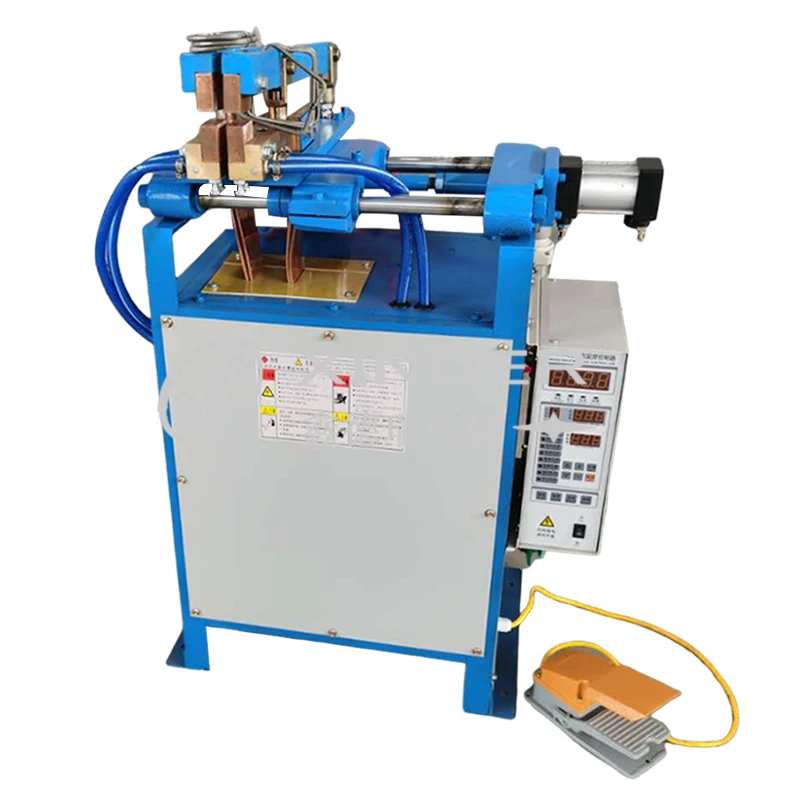 Pneumatic Handle Welding MachineSep . 13, 2024
 -
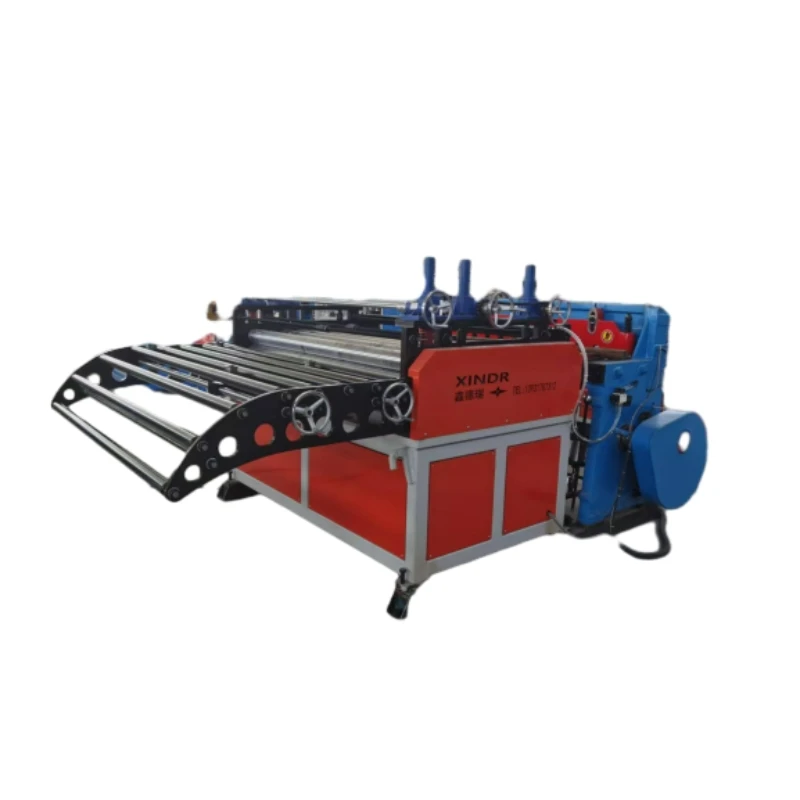 Fully Automatic Kaiping Production LineOct . 17, 2024
 -
 Fully Automatic Metal Bucket Lifting HeadphonesSep . 14, 2024