-
 8613931787312
 -
 Botou Industrial Zone on the east side of National Highway 104, Botou City, Hebei Province


Mastering Metal Packaging: The Role of Can Welding Machines in Modern Manufacturing
In the world of packaging, durability, precision, and efficiency are paramount. Metal cans, widely used for food, beverages, chemicals, and industrial products, require reliable sealing methods to ensure product safety and longevity. This is where the can welding machine comes into play—a specialized device engineered to join metal components quickly and securely.
Whether you’re involved in large-scale manufacturing or smaller production runs, understanding the capabilities of a can welder and a tin can welding machine is essential for maintaining product quality and operational efficiency. This article explores the technology behind these machines, their applications, and how they contribute to the metal packaging industry.
Introduction to the Can Welding Machine
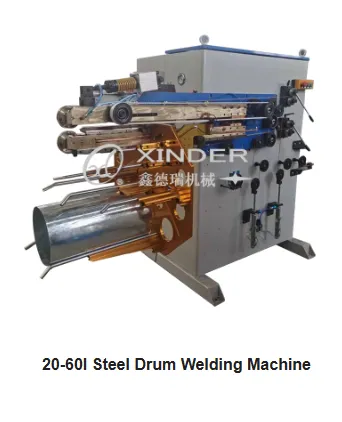
A can welding machine is designed specifically to weld metal cans, typically made from tinplate or aluminum, by joining the can body and lid or sealing can components in one seamless operation. This welding process ensures airtight and leak-proof seals, essential for preserving contents and meeting safety standards.
How Does a Can Welding Machine Work?
The core welding technique used in can welding machines is often resistance welding or laser welding:
Resistance welding involves applying pressure and electrical current through electrodes that clamp the can parts together. The heat generated by electrical resistance fuses the metal edges, creating a continuous, strong weld.
Laser welding uses a focused laser beam to melt the joining surfaces precisely, offering excellent control and minimal heat distortion.
The machine typically includes:
Feeding systems to handle cans and lids.
Welding stations with rotating wheels or robotic arms.
Control units for adjusting welding parameters based on can size and material.
Features and Benefits of Using a Can Welder
A can welder offers manufacturers multiple advantages, especially in industries where packaging integrity is critical:
- High-Speed Production
Modern can welding machines can operate at impressive speeds, welding hundreds or even thousands of cans per hour. This makes them indispensable in large-scale food and beverage manufacturing, where output demand is high.
- Consistent Quality and Leak-Proof Seals
The automated nature of a can welder ensures uniform weld strength and precision, drastically reducing defective products. Leak-proof seals prevent contamination and spoilage, extending shelf life and protecting brand reputation.
- Flexibility for Various Can Sizes and Materials
Advanced can welding machines can accommodate different can sizes—from small 2.5L paint cans to larger industrial containers—and various materials, including tinplate, aluminum, and steel. This versatility allows manufacturers to switch production lines without significant downtime.
- Reduced Labor and Operational Costs
Automation reduces the need for manual welding, lowering labor costs and minimizing human error. Additionally, improved welding consistency reduces waste and rework.
Understanding the Tin Can Welding Machine and Its Industrial Applications
A specialized subset of can welders, the tin can welding machine, focuses on welding tinplate cans commonly used in the food packaging sector. Tinplate, known for its corrosion resistance and printability, requires precise welding to maintain its protective qualities.
Key Characteristics of a Tin Can Welding Machine:
Designed to handle the thin gauge of tinplate material without causing deformation.
Often equipped with delicate electrode wheels or laser systems to ensure smooth, clean welds.
Integrated quality inspection systems to detect any weld defects automatically.
Typical Applications of Tin Can Welding Machines:
Food packaging: canned vegetables, soups, and ready meals.
Beverage cans: including soft drinks and beer.
Paint and chemical cans requiring robust sealing against leaks and environmental exposure.
Because tin cans often store consumable goods, the quality of the weld directly impacts food safety and shelf life. Therefore, manufacturers rely heavily on reliable tin can welding machines to meet regulatory standards and consumer expectations.
In today’s manufacturing environment, the importance of efficient and reliable packaging solutions cannot be overstated. A well-chosen can welding machine is more than just a tool—it’s a critical component of your production line that ensures product safety, boosts throughput, and enhances quality control.
Whether you need a versatile can welder for multiple container types or a precise tin can welding machine tailored for food-grade cans, investing in the right equipment is key. As the packaging industry continues to evolve, these machines will remain essential in meeting the demands of speed, quality, and sustainability.
By understanding their functionality and benefits, manufacturers can optimize their processes and deliver superior products that satisfy both regulatory requirements and consumer expectations.
-
Guide to Spartan Steel Bending Machine Price and Cost FactorsNewsApr.16,2026
-
Analyzing the Spartan Bending Machine Price and Buyer GuideNewsApr.09,2026
-
Understanding Small Bending Machine Price and Choosing the Right OptionNewsApr.07,2026
-
Comprehensive Guide to Sheet Metal Bending Machine Price and SelectionNewsApr.04,2026
-
Comprehensive Guide to Roofing Sheet Bending Machine Price and SelectionNewsMar.31,2026
-
Comprehensive Guide to Profile Bending Machine Price and SelectionNewsMar.28,2026
-
Comprehensive Guide to Press Bending Machine Price and Purchasing ConsiderationsNewsMar.26,2026
-
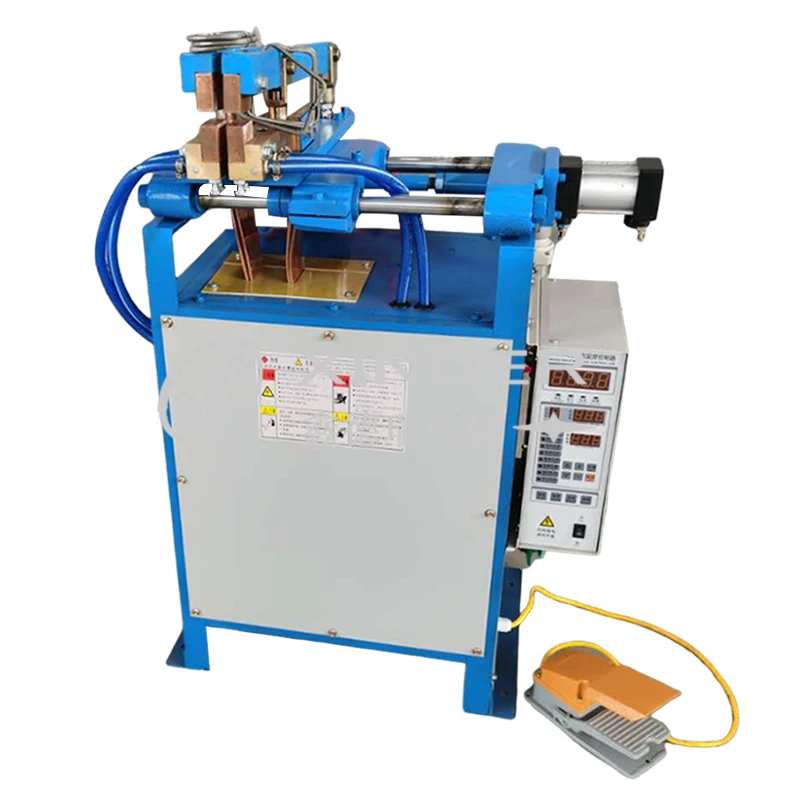 Pneumatic Handle Welding MachineSep . 13, 2024
 -
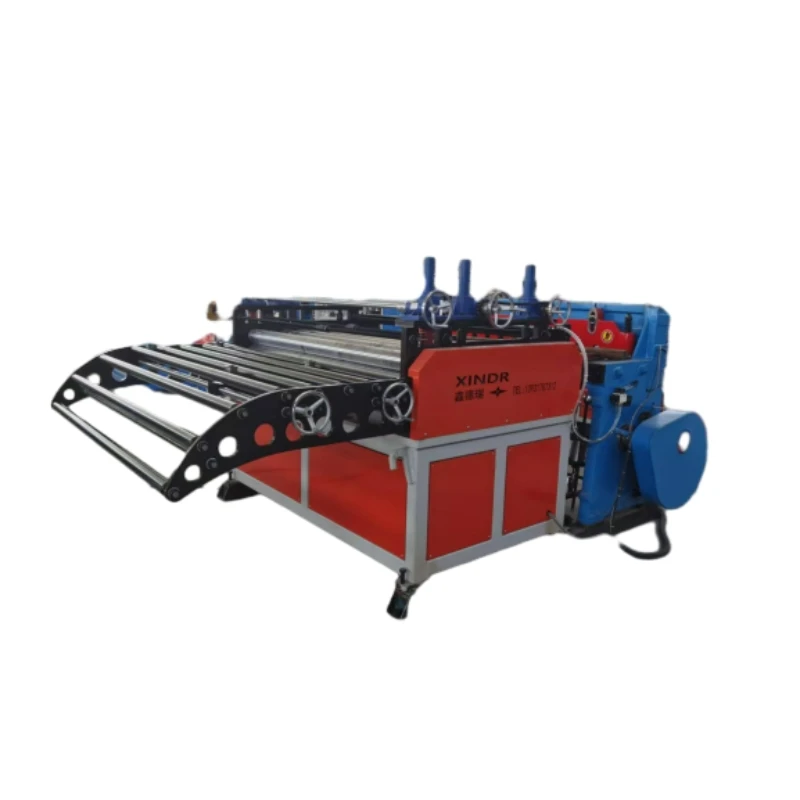 Fully Automatic Kaiping Production LineOct . 17, 2024
 -
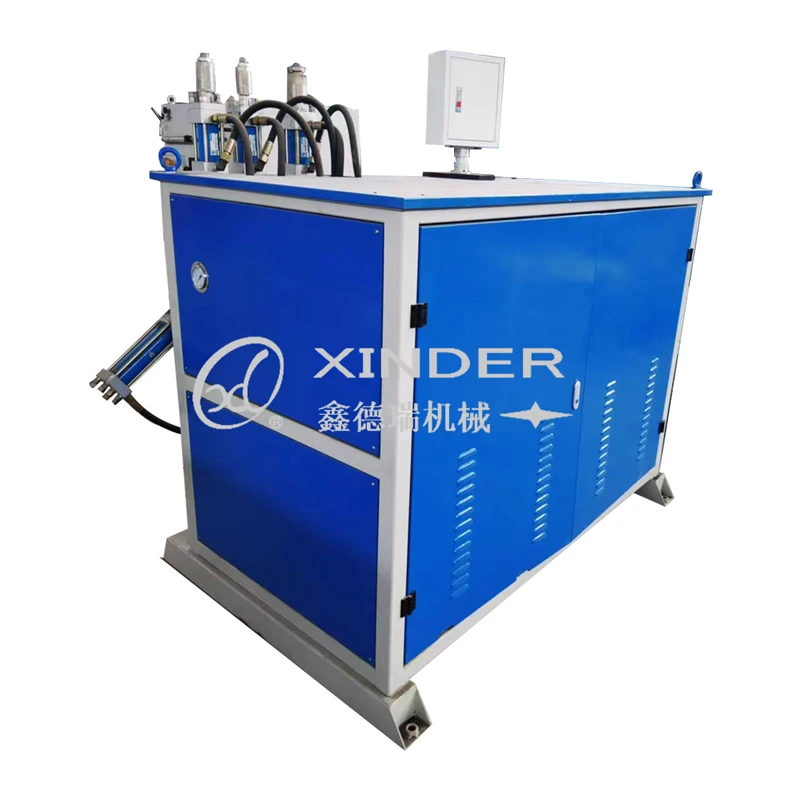 Fully Automatic Metal Bucket Lifting HeadphonesSep . 14, 2024