-
 8613931787312
 -
 Botou Industrial Zone on the east side of National Highway 104, Botou City, Hebei Province


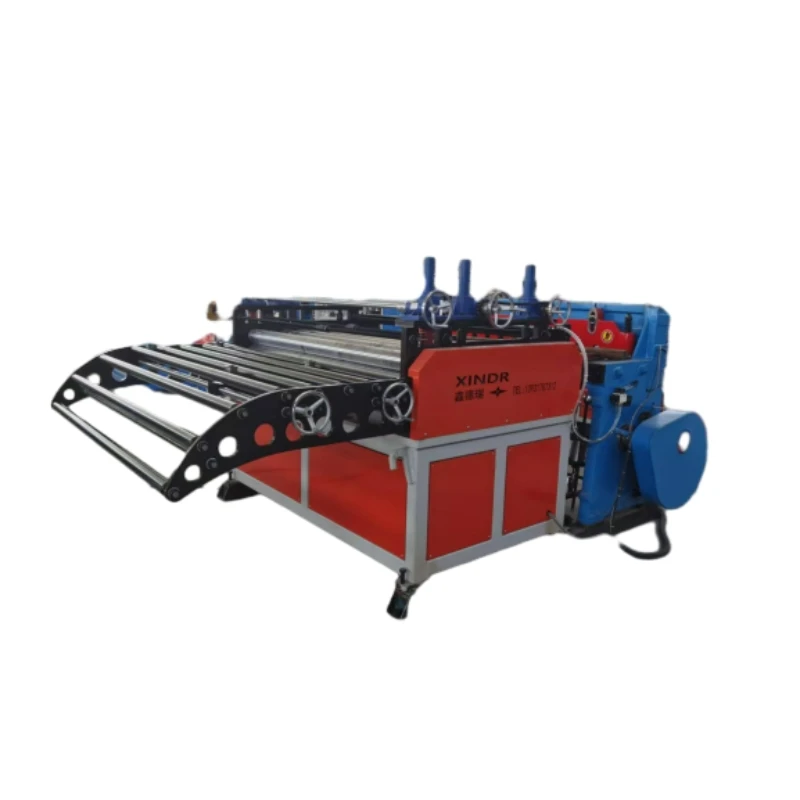
Fire Extinguisher Box Equipment Production Line - Automated
Inside the Next-Gen Factory: Fire Extinguisher Cabinets Made Smarter
Last month I visited Botou Industrial Zone on the east side of National Highway 104 in Hebei, where I walked the line—literally—of the Fire Extinguisher Box Equipment Production Line. To be honest, I expected noise and manual labor. What I found was a tight, fast, surprisingly calm flow: coil in, cabinet out. Many customers say the big win is consistency; operators say it’s the lower strain on their backs. Both are right.
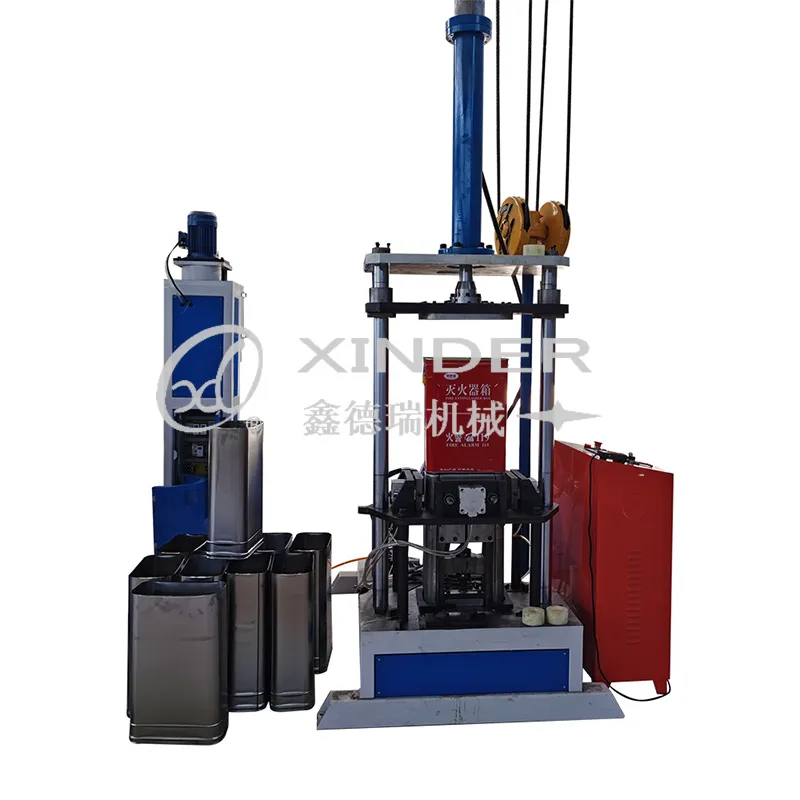
Why this matters (trend-wise)
Urban fire codes are tightening, and building owners want cabinets that survive abuse, salt air, cleaning chemicals—you name it. The shift is toward automated lines that minimize human error, ensure repeatable bends and welds, and keep powder-coating parameters locked. In fact, factories moving from semi-manual to a Fire Extinguisher Box Equipment Production Line often report 30–50% throughput gains and fewer warranty claims, especially on paint adhesion and door fit.
Core specifications (real-world values)
| Line speed | ≈ 8–15 cabinets/hour (model-dependent, real use may vary) |
| Material | Galvanized steel (ASTM A653) 0.8–1.5 mm; optional 304 SS 0.8–1.2 mm |
| Forming | CNC punching/laser, servo bending, spot/MIG welding |
| Coating | Automatic powder coating per ISO 8130; epoxy-polyester, 60–80 μm |
| Power | ≈ 45–70 kW installed (depends on options) |
| Footprint | ≈ 22–32 m x 6 m; designed to save floor space |
| Operators | 2–4 per shift (automation reduces labor intensity) |
| Service life | 10–15 years typical; up to 20 with preventive maintenance |
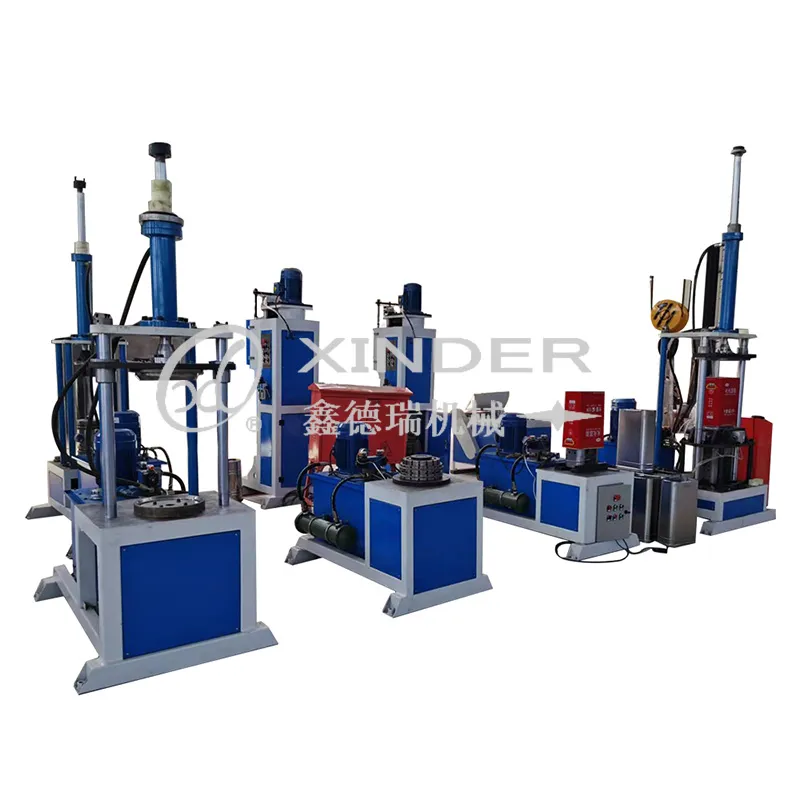
Process flow and quality gates
Materials: galvanized steel coils or SS sheets; hardware kits; tempered glass for viewing windows.
- Decoiling → leveling → CNC punching/laser
- Servo bending with radius control; edge hemming for door safety
- Spot/MIG welding; door-frame jigging to keep squareness within ±0.5 mm
- Degreasing, phosphate (or SS passivation), powder spray, oven cure
- Final assembly: hinges, locks, seals, glass; barcode traceability
- QC: dimensional check, door cycle test (50,000 cycles), paint adhesion (ASTM D3359), salt-spray (ASTM B117 ≥ 480 h typical), optional IP34 splash test
Where it’s used
Commercial towers, metro stations, airports, schools, factories, and petrochemical sites. Codes vary, but cabinet durability and visibility are universal. Customers tell me they like the clean hem edges—no sharp surprises during inspections.
Advantages we observed
- Fast throughput and stable takt time
- Higher packaging quality; fewer paint chips and rework
- Lower labor intensity and headcount; better ergonomics
- Compact layout saves floor space (not trivial in city plants)
Vendor snapshot (informal, but useful)
| Vendor | Key strength | Typical salt-spray | Footprint |
|---|---|---|---|
| XDR Machinery (Botou) | Balanced automation + cost; quick commissioning | ≥ 480 h (ASTM B117) | ≈ 22–28 m |
| Vendor A | High-end laser integration | ≈ 720 h option | ≈ 30–35 m |
| Vendor B | Economy starter line | ≈ 240–480 h | ≈ 24–32 m |
Customization and compliance
- Sizes: single/double-door, recessed/surface mount
- Materials: galvanized steel, 304/316 SS; thickness up to 1.5 mm
- Windows: tempered glass, optional polycarbonate
- Branding: RAL colors, silk-screen, reflective decals
- Certs: ISO 9001, CE; designed to support NFPA 10 placement rules and ISO 11602 selection/installation alignment
Mini case study
A coastal airport upgraded to a Fire Extinguisher Box Equipment Production Line. After switching to epoxy-polyester with C3/C4 pretreatment (ISO 12944 guidance), cabinet corrosion complaints fell by 68% in 12 months; door misalignment returns dropped near zero. Production climbed from 7 to 12 units/hour with the same team size.
What the shop floor says
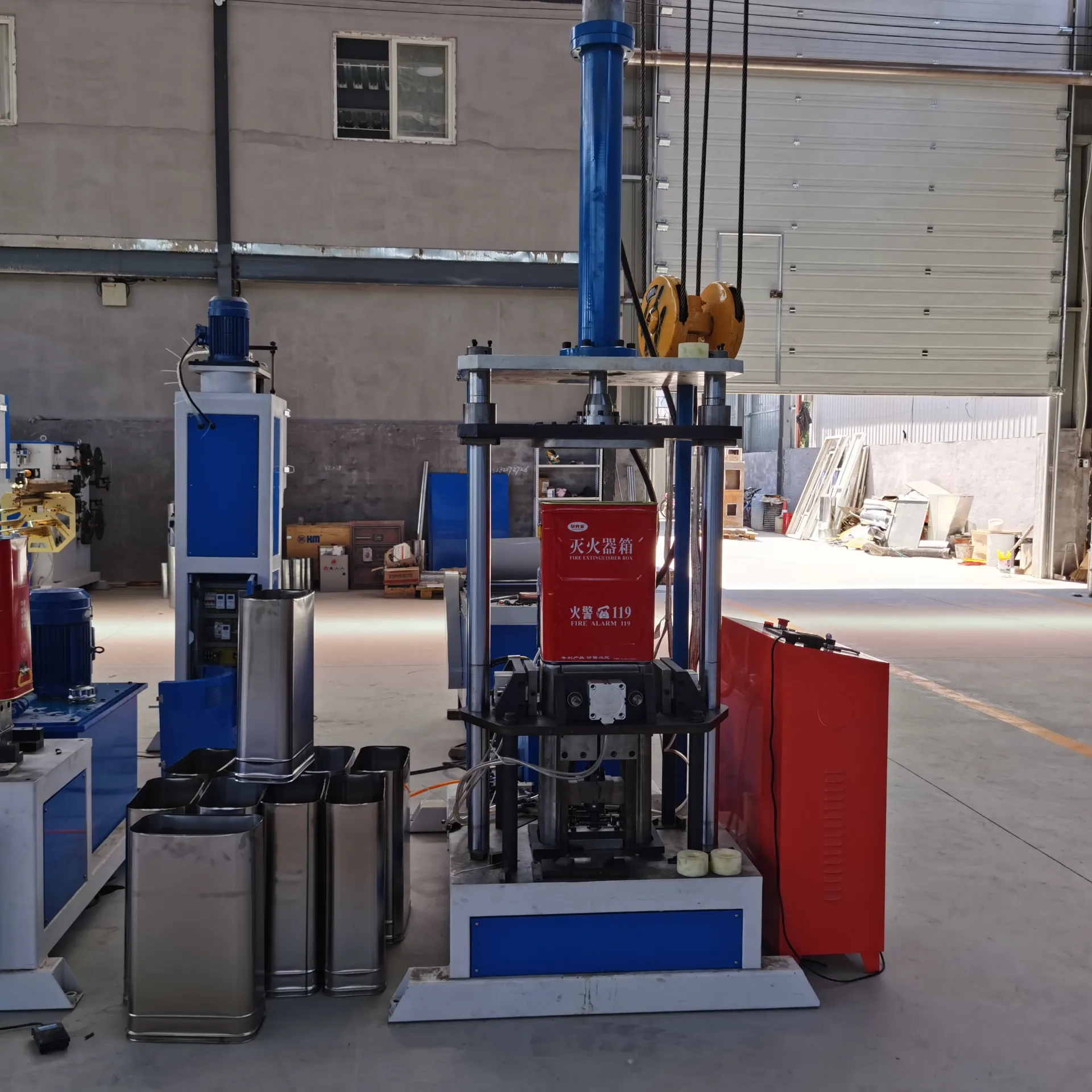
“Less lifting, more buttons,” one operator joked. Maintenance leads like the modular oven and easy-access filters. Management likes the data trail: every cabinet carries a barcode tied to test results (adhesion scores, cure temp, door-cycle count). It seems small, but traceability saves headaches.
Authoritative references
- NFPA 10: Standard for Portable Fire Extinguishers – National Fire Protection Association (nfpa.org)
- ISO 11602-1/2: Fire protection—Portable fire extinguishers—Selection & installation (iso.org)
- ISO 12944: Paints and varnishes—Corrosion protection of steel structures (iso.org)
- ASTM B117: Standard Practice for Operating Salt Spray Apparatus (astm.org)
- ISO 8130: Powder coatings—Test methods (iso.org); ASTM D3359: Adhesion by Tape Test (astm.org)
-
Guide to Spartan Steel Bending Machine Price and Cost FactorsNewsApr.16,2026
-
Analyzing the Spartan Bending Machine Price and Buyer GuideNewsApr.09,2026
-
Understanding Small Bending Machine Price and Choosing the Right OptionNewsApr.07,2026
-
Comprehensive Guide to Sheet Metal Bending Machine Price and SelectionNewsApr.04,2026
-
Comprehensive Guide to Roofing Sheet Bending Machine Price and SelectionNewsMar.31,2026
-
Comprehensive Guide to Profile Bending Machine Price and SelectionNewsMar.28,2026
-
Comprehensive Guide to Press Bending Machine Price and Purchasing ConsiderationsNewsMar.26,2026
-
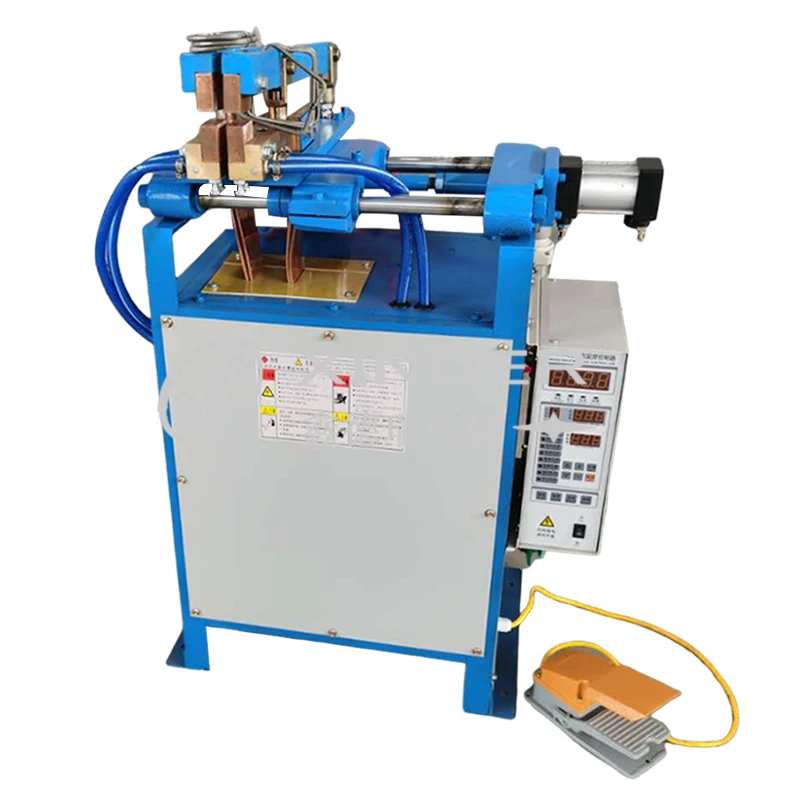 Pneumatic Handle Welding MachineSep . 13, 2024
 -
 Fully Automatic Kaiping Production LineOct . 17, 2024
 -
 Fully Automatic Metal Bucket Lifting HeadphonesSep . 14, 2024