-
 8613931787312
 -
 Botou Industrial Zone on the east side of National Highway 104, Botou City, Hebei Province


Environmental Protection Requirements for Flanging Machine Operation Sites
In today's manufacturing landscape, industrial progress must be harmonized with environmental stewardship. For companies specializing in metal forming equipment, such as Hebei Xindrui Machinery Manufacturing Co., Ltd., this responsibility extends not only to the design and production of efficient machinery but also to guiding clients on establishing operation sites that meet modern environmental standards. The company, leveraging its over 20 years of experience since its inception as Xindrui Machinery Factory in 2000, understands that sustainable practices are integral to high-quality manufacturing. Located in Cangzhou City, Hebei Province, with its superior geographical location and convenient transportation networks, Hebei Xindrui is at the forefront of developing non-standard equipment for the metal products and packaging industries. The equipment produced, including advanced flanging machines, is used for creating a wide array of products, from industrial drums to automotive components. Ensuring that the operation sites for this machinery adhere to environmental protection requirements is crucial for minimizing ecological impact, enhancing workplace safety, and ensuring long-term operational sustainability. This article outlines the key environmental considerations for setting up and running a site utilizing flanging technology.
Implementing Eco-Conscious Practices in Hydraulic Flanging Machine Operations
The hydraulic flanging machine is a core piece of equipment in metal container production, and its operation has specific environmental implications that must be managed.
- Energy Consumption Management:Hydraulic flanging machine units are powered by electric motors and hydraulic systems. Selecting models with high-efficiency motors, like the 5.5kw standard in many designs, is the first step. Furthermore, implementing smart power management systems that reduce energy draw during idle periods can significantly lower the carbon footprint of the operation.
- Hydraulic Fluid Containment and Disposal:The hydraulic system, with a typical fuel tank capacity of 125 liters, must be meticulously maintained to prevent leaks. Any leakage of hydraulic oil constitutes soil and water contamination. Operation sites must have impermeable flooring and secondary containment measures to capture any accidental spills. Used hydraulic fluid must be collected and disposed of according to local hazardous waste regulations, never dumped.
- Noise Pollution Control:The operation of a hydraulic flanging machine generates noise. To protect workers and the external environment, sites should incorporate noise-dampening materials in their construction. Acoustic enclosures or barriers around the machine can effectively reduce noise levels, bringing them within permissible exposure limits set by environmental and safety agencies.
- Waste Material Management:The flanging process, especially when working with material thicknesses of 0.2-0.4 millimeters, can generate metal scrap and trimmings. An effective site will have a dedicated, segregated system for collecting this metal waste for recycling, turning a byproduct into a resource and diverting it from landfills.
- Efficiency and Output:A high production capacity of 15-20 cans per minute indicates an efficient process that consumes less energy per unit produced. This inherent efficiency is a key aspect of sustainable manufacturing.
- Resource Optimization:The specified suitable material thickness ensures that raw materials are used optimally, minimizing waste. This precision, a hallmark of advanced flanging machine design, aligns with resource conservation goals.
- Design for Longevity:The robust construction, indicated by a whole machine weight of 450 kilograms, suggests durability. A longer-lasting machine reduces the frequency of manufacturing replacements, thereby conserving the raw materials and energy required to produce new equipment.
Understanding the machine's parameters is essential for optimizing its performance in an environmentally sound manner. The following table outlines typical specifications for a model designed for can production, which directly influence its environmental footprint.
|
Parameter |
Specification |
|
Production scope |
9-20L large cans (requiring mold replacement) |
|
Maximum oil pressure |
12Mpa |
|
Suitable material thickness |
0.2-0.4 millimeters |
|
Fuel tank capacity |
125 liters |
|
Production capacity |
15-20 cans/min |
|
Dimensions |
1300 × 700 × 1100 millimeters |
|
Motor power |
5.5kw |
|
Whole machine weight |
450 kilograms |
|
Applicable power supply |
AC 380V 50HZ |
Optimizing the Flanging Machine Use for Minimal Environmental Impact
Proper flanging machine use is where theoretical environmental plans are put into practice. Operational protocols significantly affect the site's overall ecological footprint.
- Preventative Maintenance Schedules:Regular maintenance is the most effective strategy for preventing environmental incidents. This includes checking hydraulic hoses for wear, ensuring all seals are intact, and monitoring for any fluid leaks. A well-maintained machine operates more efficiently and has a lower risk of causing contamination.
- Operator Training:Personnel involved in flanging machine use must be thoroughly trained not only in operation but also in environmental procedures. They should be able to identify potential issues like minor leaks, understand proper waste segregation, and know the emergency response protocol for a significant spill.
- Process Integration with Pollution Control:The operation site should be designed to integrate with pollution control systems. For instance, ventilation systems can be installed to manage any airborne particulates, and designated areas for recycling and waste storage should be clearly marked and easily accessible to the operator.
FAQs About Flanging Machine and Eco-Compliance
What is the primary function of a hydraulic flanging machine in container manufacturing?
This hydraulic flanging machine is mainly used for the two-end flanging process of round and square cans in barrel and can-making equipment. It forms a secure, rolled edge on the metal, which is essential for subsequent scanning or closing operations, ensuring the container's integrity and leak-proof qualities.
How does the design of this flanging machine contribute to product quality and reduce waste?
The flanging machine is engineered to have no groove marks on the R corner. This design ensures a tight sealing surface and a proper folding rate of the R corner, which is critical for the container's final strength and seal. A high-quality, defect-free flanging process directly reduces rejection rates and material waste, making the production line more sustainable.
In what ways can our flanging machine use protocol be adjusted to save energy?
To optimize energy consumption during flanging machine use, facilities can implement scheduled shutdowns during extended breaks instead of leaving the machine idling. Ensuring that the hydraulic oil is at the correct temperature and viscosity also reduces the strain on the motor. Regularly servicing the motor and hydraulic pump maintains peak efficiency, preventing unnecessary energy draw.
Are there specific environmental risks associated with operating a hydraulic flanging machine?
The primary environmental risk is associated with the hydraulic fluid. A leak or improper disposal of this fluid can contaminate soil and water. Therefore, rigorous leak prevention, spill containment measures, and a strict protocol for the collection and professional disposal of used oil are mandatory for environmentally compliant operation.
Given the production capacity, how should we manage the metal waste generated such as hydraulic flanging machine?
With a high production capacity of 15-20 cans per minute, managing metal off-cuts and trimmings efficiently is key. Sites should have dedicated collection bins placed directly at the source. Partnering with a certified metal recycling company ensures that nearly 100% of this waste is reclaimed and reused in the production cycle, closing the loop and minimizing landfill contributions.
The commitment to environmental protection in industrial operations is no longer optional but a fundamental aspect of responsible manufacturing. For operations utilizing flanging machines from manufacturers like Hebei Xindrui Machinery Manufacturing Co., Ltd., this involves a multi-faceted approach. It encompasses selecting energy-efficient machinery, understanding and leveraging its technical specifications for optimal resource use, implementing rigorous operational and maintenance protocols, and properly managing waste streams. By integrating these environmental protection requirements into the very fabric of the flanging machine operation site, manufacturers can achieve not only superior product outcomes—such as the flawless R corner with tight sealing—but also contribute positively to the global imperative of sustainable industrial development. This holistic approach ensures that the manufacturing of essential metal containers remains viable and responsible for years to come.
-
Guide to Spartan Steel Bending Machine Price and Cost FactorsNewsApr.16,2026
-
Analyzing the Spartan Bending Machine Price and Buyer GuideNewsApr.09,2026
-
Understanding Small Bending Machine Price and Choosing the Right OptionNewsApr.07,2026
-
Comprehensive Guide to Sheet Metal Bending Machine Price and SelectionNewsApr.04,2026
-
Comprehensive Guide to Roofing Sheet Bending Machine Price and SelectionNewsMar.31,2026
-
Comprehensive Guide to Profile Bending Machine Price and SelectionNewsMar.28,2026
-
Comprehensive Guide to Press Bending Machine Price and Purchasing ConsiderationsNewsMar.26,2026
-
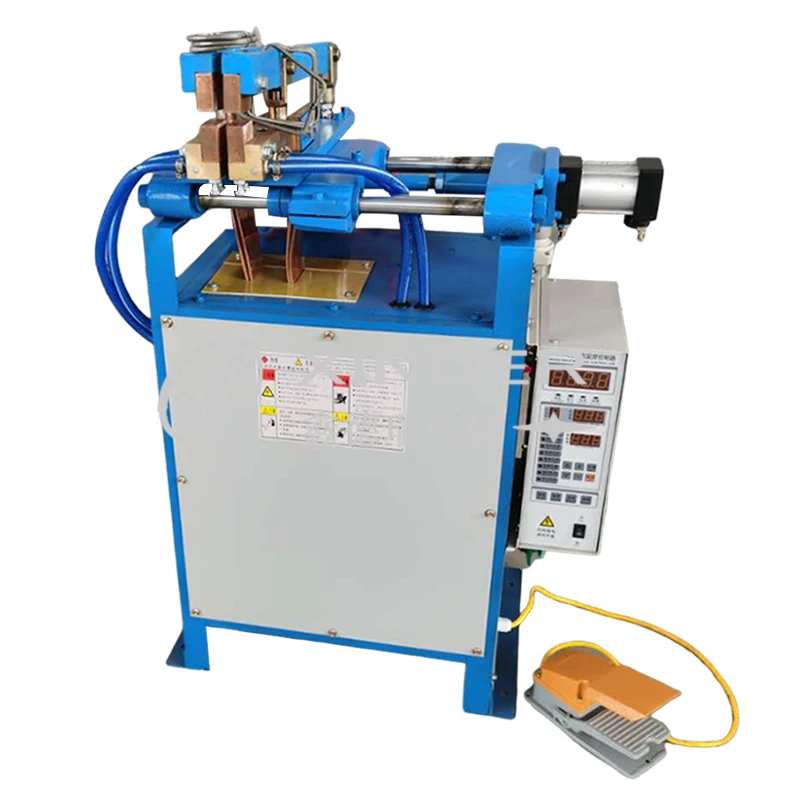 Pneumatic Handle Welding MachineSep . 13, 2024
 -
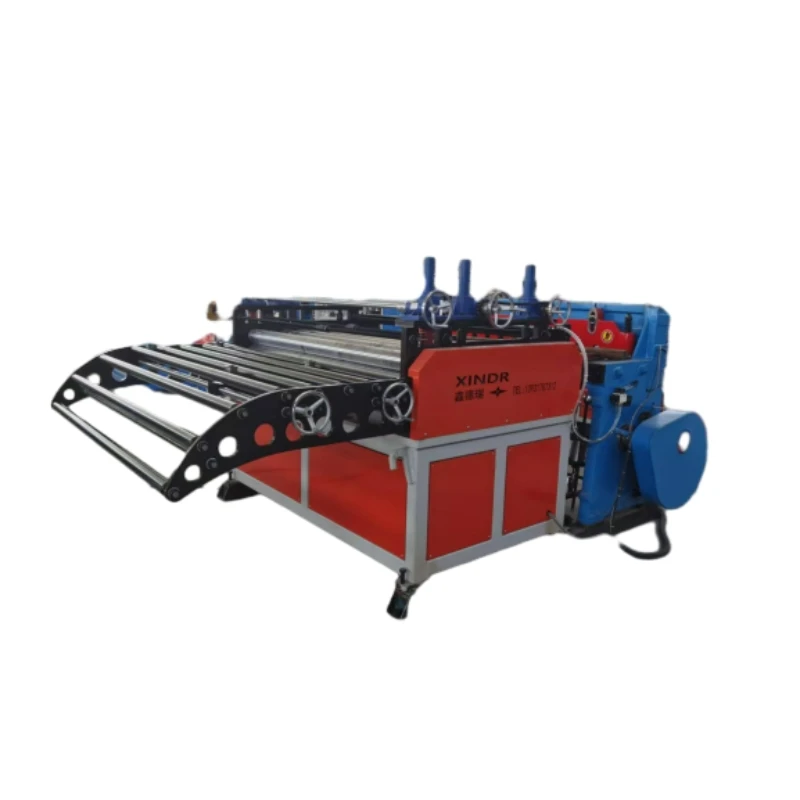 Fully Automatic Kaiping Production LineOct . 17, 2024
 -
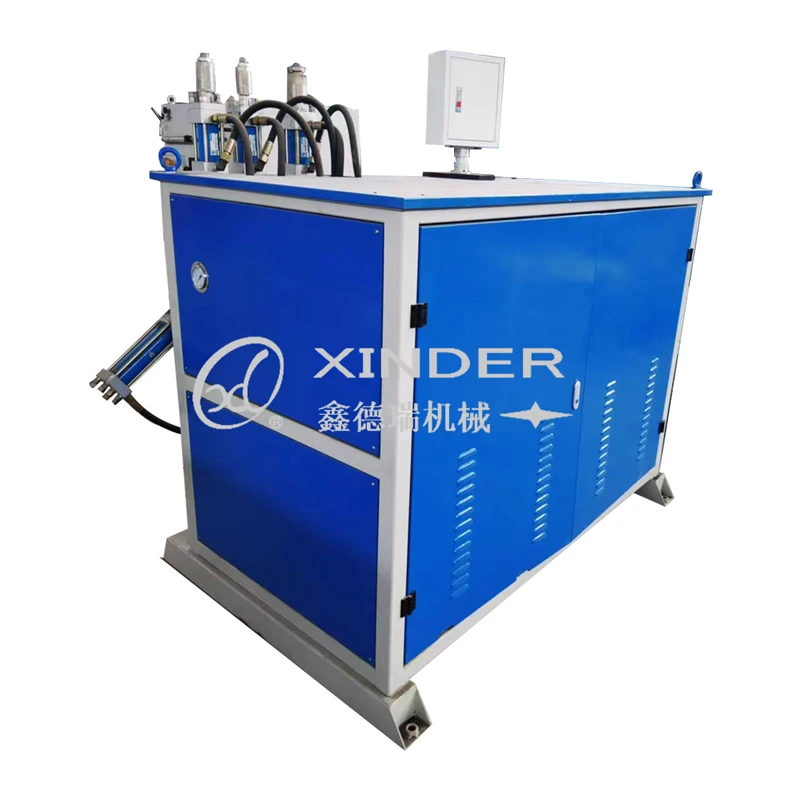 Fully Automatic Metal Bucket Lifting HeadphonesSep . 14, 2024