-
 8613931787312
 -
 Botou Industrial Zone on the east side of National Highway 104, Botou City, Hebei Province


Durable Hand Operated Bending Machines | Reliable Industrial Benders
A Closer Look at the Hand Operated Bending Machine
Working in the industrial equipment sector for over a decade, I’ve often found hand operated bending machines to be a quietly indispensable tool on many shop floors. You might think these devices are relics in an era increasingly dominated by automation — and in some ways, that’s true. But oddly enough, their simplicity is part of their charm and enduring utility.
So what exactly makes a hand operated bending machine so valued? Well, for starters, it's the way it combines robust engineering with user control. Unlike complex hydraulic benders, these machines rely on manual leverage, letting the operator control the bend angle and pressure intuitively. It feels sort of tactile and direct, a real connection between metal and muscle.
Manufacturers often design these machines with heavy-duty steel frames and hardened bending dies, obviously to withstand the kind of torque involved in reshaping metals on the spot. In my experience, the quality of materials — especially the alloy composition in bending arms — makes a huge difference in longevity and consistent performance. Many engineers I know insist on machines that offer customizable bending radii and interchangeable tools, which adds a layer of versatility when dealing with different metal gauges and shapes.
Testing? Well, all reputable vendors perform extensive stress tests under varying loads to ensure durability. Frankly, a hand bender that wobbles or yields under moderate use should be avoided. The ones that last often come with precision-machined parts that reduce user fatigue and ensure repeatable accuracy.
Here’s a snapshot of typical specs you might see in a reliable hand operated bending machine:
| Specification | Details |
|---|---|
| Max Bending Thickness | Up to 10 mm mild steel |
| Max Bending Angle | 0° to 135° adjustable |
| Material | High-grade steel with powder coating |
| Weight | Approx. 25 kg |
| Dimensions (LxWxH) | 600 x 300 x 350 mm |
Now, I often get asked how these machines stack up against more automated or electrically assisted benders. Having tested several options, I’d say the hand operated model shines where precision and portability matter most. It’s also surprisingly low maintenance — fewer moving parts, no electronic boards to fry under a dusty factory roof. In real terms, this means less downtime and a longer machine life if you use it right.
You know, some of my clients in smaller fabrication workshops have relied on these machines for quick prototyping and small batch jobs. One customer I remember from a metal art studio said they appreciated how the machine gave them the freedom to "feel the metal move"—something that automatics just can’t replicate. It’s a tiny detail but it hints at why hand operated bending machines remain relevant.
| Feature | XDR Machinery | Competitor A | Competitor B |
|---|---|---|---|
| Max Bending Thickness | 10 mm | 8 mm | 12 mm |
| Weight | 25 kg | 21 kg | 30 kg |
| Customization Options | Yes (dies & angles) | No | Limited |
| Warranty | 2 years | 1 year | 2 years |
| Price Range | $$$ | $$ | $$$$ |
To wrap it up, the hand operated bending machine remains a solid investment if you prize control, reliability, and straightforward operation. Yes, automation is everywhere, but sometimes the old-school way still holds its own. Honestly, it feels like this tool connects an operator’s skill directly to the craft — and that’s something worth holding onto.
Reflection? Working around various bending tools over the years, I noticed the ones that endure aren't just about specs but build and user feel. And hand operated bending machines embody that blend quite nicely.
References:
1. Industry standards for metal bending equipment (ISO 9001 related)
2. User manuals from various hand bending machine vendors
3. Feedback from workshop technicians and metal fabricators
-
Guide to Spartan Steel Bending Machine Price and Cost FactorsNewsApr.16,2026
-
Analyzing the Spartan Bending Machine Price and Buyer GuideNewsApr.09,2026
-
Understanding Small Bending Machine Price and Choosing the Right OptionNewsApr.07,2026
-
Comprehensive Guide to Sheet Metal Bending Machine Price and SelectionNewsApr.04,2026
-
Comprehensive Guide to Roofing Sheet Bending Machine Price and SelectionNewsMar.31,2026
-
Comprehensive Guide to Profile Bending Machine Price and SelectionNewsMar.28,2026
-
Comprehensive Guide to Press Bending Machine Price and Purchasing ConsiderationsNewsMar.26,2026
-
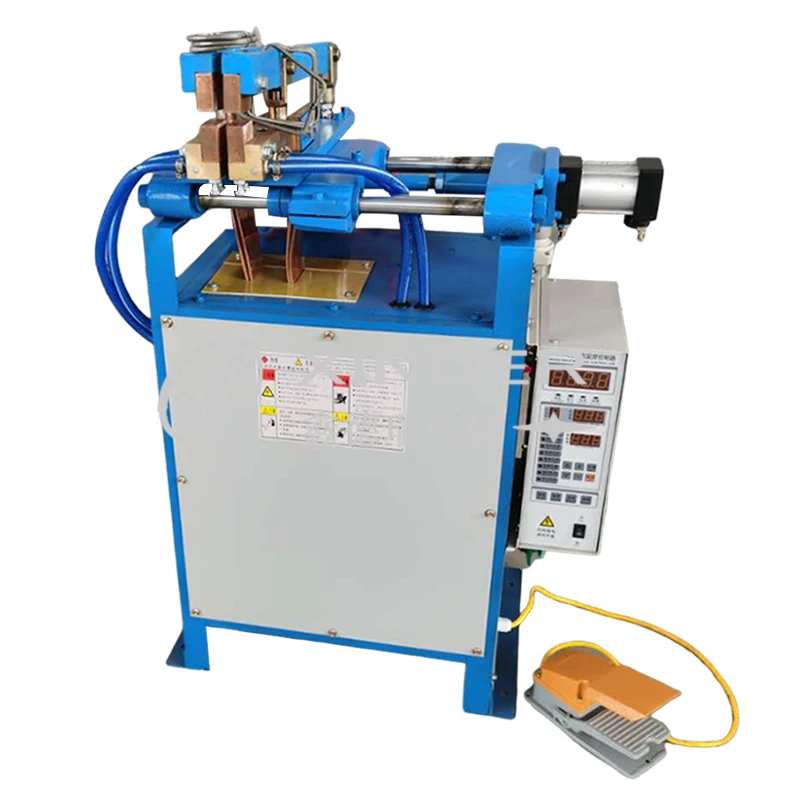 Pneumatic Handle Welding MachineSep . 13, 2024
 -
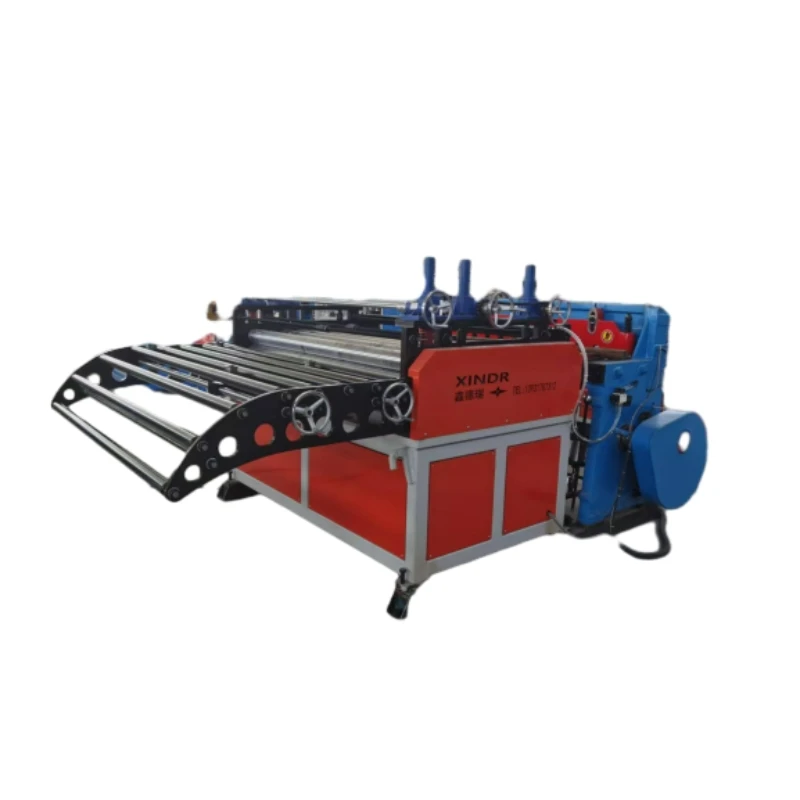 Fully Automatic Kaiping Production LineOct . 17, 2024
 -
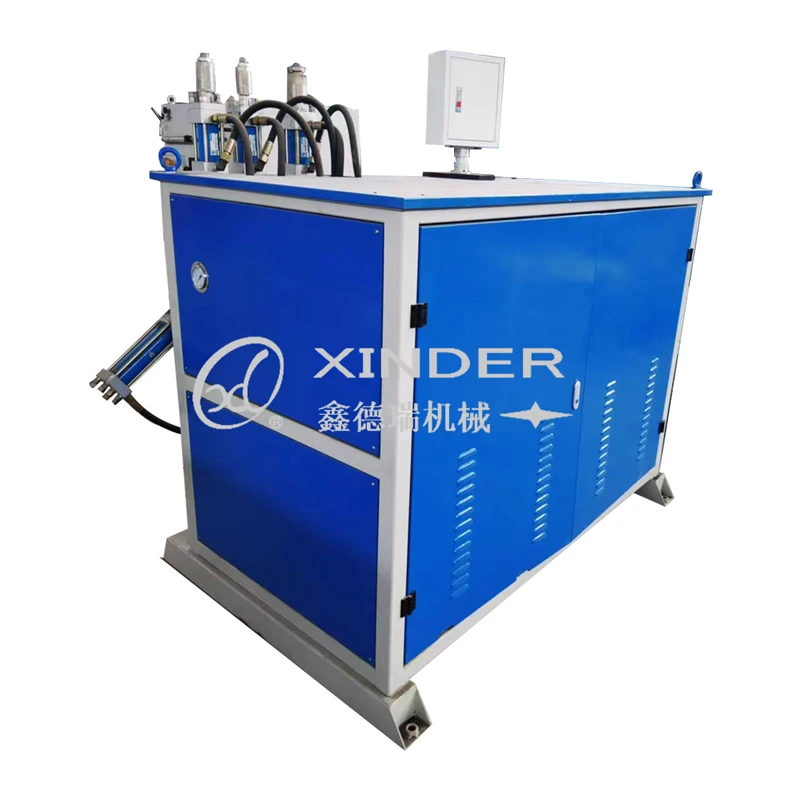 Fully Automatic Metal Bucket Lifting HeadphonesSep . 14, 2024