-
 8613931787312
 -
 Botou Industrial Zone on the east side of National Highway 104, Botou City, Hebei Province


Comprehensive Guide to Steel Cutting Bending Machine Applications and Selection
Understanding Steel Cutting Bending Machine Capabilities
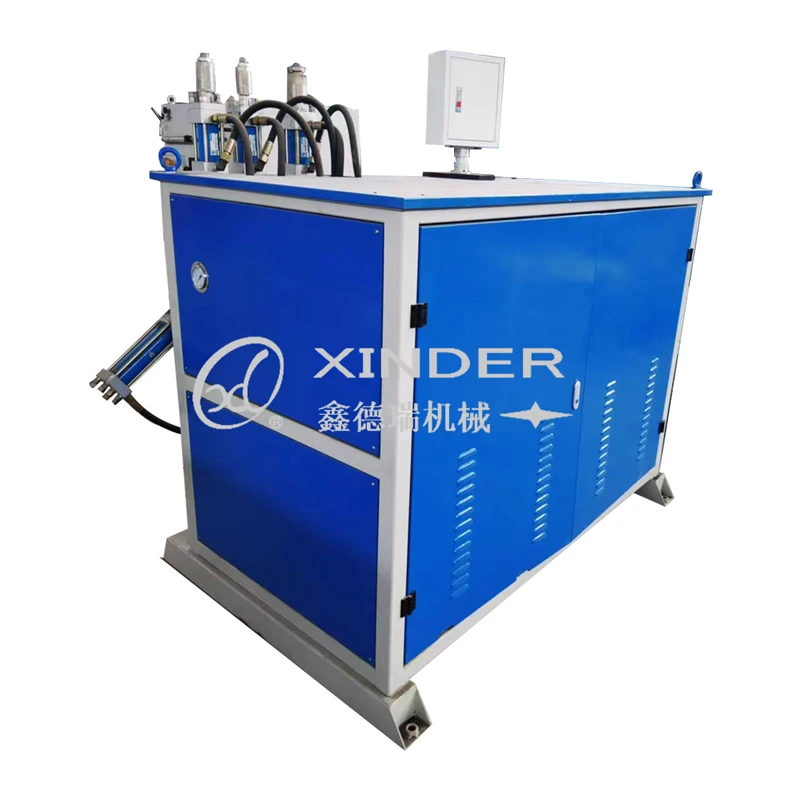
In the realm of metal fabrication, the steel cutting bending machine stands as a cornerstone of efficiency and precision. These versatile machines enable manufacturers to shape steel with accuracy and speed, catering to a wide range of industrial applications. From automotive components to construction materials, a reliable steel cutting bending machine is essential for modern production processes. Choosing the right machine requires careful consideration of factors like capacity, automation, and material compatibility. This article will provide a comprehensive overview of these machines, their applications, and key considerations for selection.
How Does a Steel Cutting Bending Machine Work?
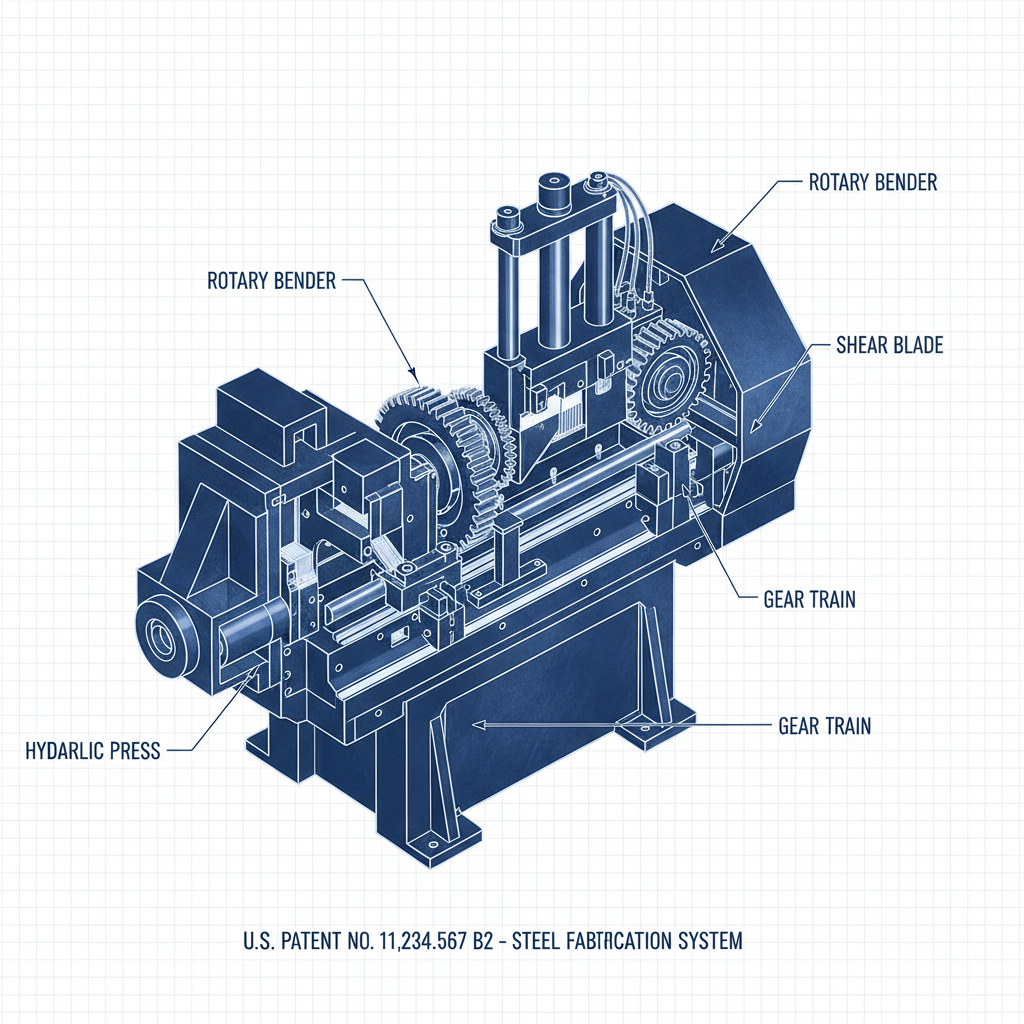
A steel cutting bending machine combines the functionalities of cutting and bending steel plates and profiles. Typically, the cutting process utilizes either a shearing mechanism, a plasma cutter, or a laser cutter. The bending is accomplished through a pressing mechanism that uses dies and punches to create desired angles and shapes. Modern machines often integrate CNC (Computer Numerical Control) technology, allowing for automated and highly precise operations. This automation reduces labor costs, minimizes material waste, and ensures consistent product quality. The process begins with loading the steel sheet or profile, which is then securely clamped. The CNC system controls the cutting and bending tools, executing the programmed instructions. Finally, the finished product is unloaded, ready for further processing or assembly. XDR Machinery offers a range of these sophisticated machines designed for optimal performance.
Key Components: Cutting unit (shearing, plasma, or laser), bending press, CNC control system, clamping mechanism, and material handling system.
Applications of Steel Cutting Bending Machines
The applications of steel cutting bending machines are incredibly diverse. They are heavily utilized in the automotive industry for producing car body parts and chassis components. The construction sector relies on these machines for creating structural steel elements like beams, columns, and brackets. Furthermore, they find extensive use in the manufacturing of appliances, furniture, and machinery. The ability to efficiently cut and bend steel to precise specifications makes these machines indispensable for producing a wide array of products. Industries like aerospace and shipbuilding also benefit from the precision and accuracy of modern steel cutting bending technology. The demand for customized metal products continues to drive innovation and application expansion in this field.
Key Industries Utilizing These Machines:
• Automotive
• Construction
• Appliance Manufacturing
• Furniture Production
• Machinery Manufacturing
Steel Cutting Bending Machine Types: A Comparative Overview
Several types of steel cutting bending machines are available, each suited to specific applications and production volumes. Shearing machines are best for straight cuts, while plasma cutters excel at cutting complex shapes. Laser cutters offer the highest precision but are typically more expensive. Hydraulic press brakes are commonly used for bending, offering high force and accuracy. CNC turret punch presses combine punching and bending capabilities. Understanding these differences is crucial for selecting the right machine for your needs.
Key Considerations When Purchasing
Before investing in a steel cutting bending machine, several factors should be carefully evaluated. First, consider the types of materials you'll be processing and their thicknesses. This will determine the required cutting force and bending capacity. Secondly, assess your production volume and the level of automation needed. CNC machines offer higher precision and efficiency for large-scale production. Thirdly, consider the available floor space and power supply. Finally, factor in the cost of maintenance and potential downtime. Choosing a reputable supplier, like XDR Machinery, is crucial for ensuring quality, reliability, and ongoing support.
Future Trends in Steel Cutting Bending Technology
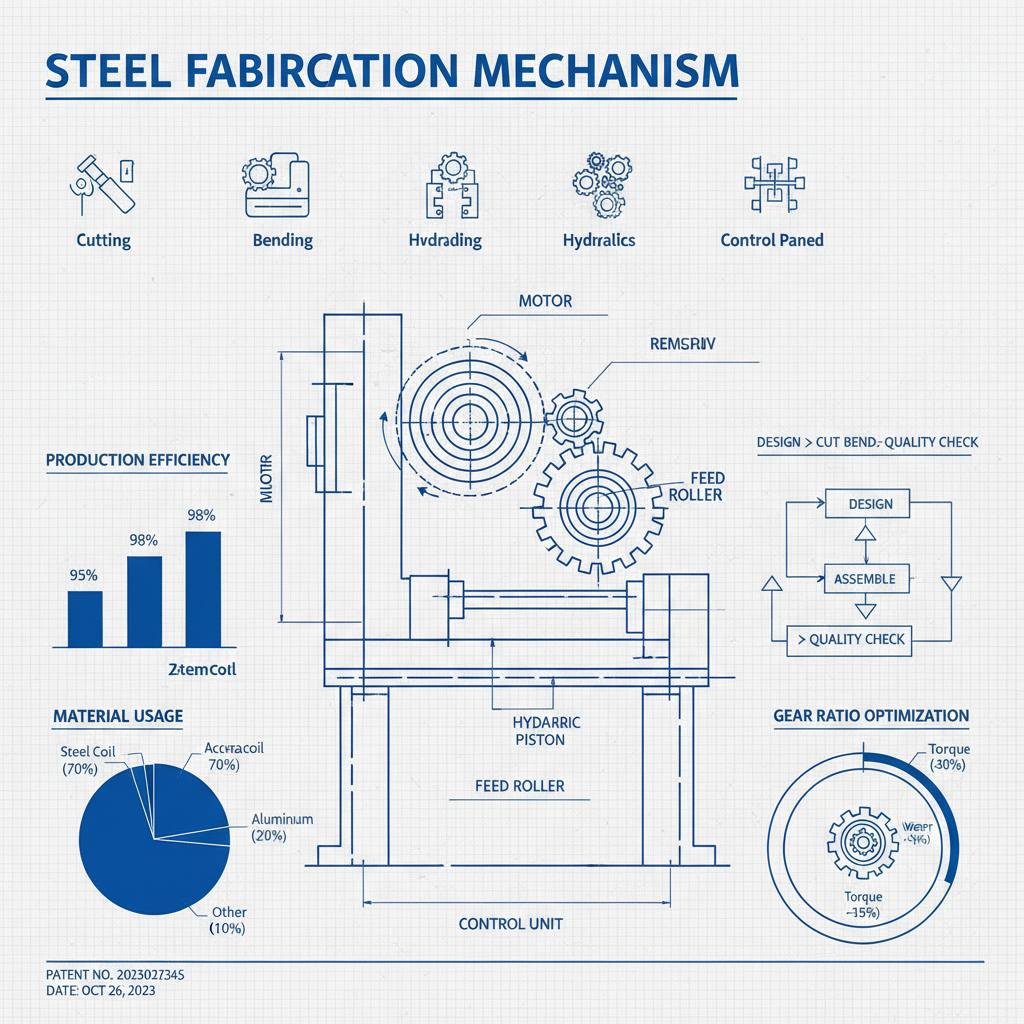
The steel cutting bending machine industry is constantly evolving. Current trends include the integration of artificial intelligence (AI) for automated process optimization, the development of more energy-efficient machines, and the use of advanced materials for increased durability. Furthermore, manufacturers are focusing on creating more user-friendly interfaces and remote monitoring capabilities. These advancements promise to further enhance the efficiency, precision, and safety of steel fabrication processes. The future of steel cutting and bending lies in smart, connected machines that can adapt to changing production needs.
Conclusion: Investing in Efficiency and Precision
The steel cutting bending machine is a vital tool for modern metal fabrication. By understanding the different types of machines, their applications, and key considerations for purchasing, businesses can make informed decisions that optimize their production processes and achieve greater efficiency. Investing in a high-quality machine from a reliable supplier like XDR Machinery is a smart investment for long-term success.
Frequently Asked Questions (FAQs)
What is the typical power requirement for a steel cutting bending machine?
The power requirement varies significantly depending on the machine’s size and capabilities. Smaller machines might require a 220V single-phase power supply, while larger, industrial-grade machines often need a 380V or 415V three-phase power supply. It's crucial to check the machine's specifications and ensure your facility has the appropriate electrical infrastructure. Failing to provide adequate power can lead to performance issues and potential damage to the machine. XDR Machinery provides detailed power specifications for each model.
What type of maintenance is required for these machines?
Regular maintenance is essential for ensuring the longevity and performance of steel cutting bending machines. This includes lubricating moving parts, checking hydraulic fluid levels, inspecting cutting tools for wear, and cleaning the machine regularly. More complex maintenance tasks, such as replacing hydraulic pumps or repairing the CNC system, should be performed by qualified technicians. A preventative maintenance schedule can help identify potential issues before they escalate into major problems.
What safety features are typically included in these machines?
Modern steel cutting bending machines are equipped with a variety of safety features to protect operators. These include light curtains, emergency stop buttons, safety guards, and interlocks that prevent the machine from operating if the guards are open. Additionally, many machines incorporate overload protection systems and alarms to alert operators to potential hazards. Proper training and adherence to safety protocols are crucial for preventing accidents.
How does CNC automation improve efficiency?
CNC automation dramatically improves efficiency by reducing manual labor and minimizing errors. The CNC system precisely controls the cutting and bending processes, ensuring consistent product quality. Automation also allows for faster cycle times and increased production volumes. Furthermore, CNC programming enables complex shapes and intricate designs to be created with ease. By automating repetitive tasks, CNC technology frees up operators to focus on more value-added activities.
-
Guide to Spartan Steel Bending Machine Price and Cost FactorsNewsApr.16,2026
-
Analyzing the Spartan Bending Machine Price and Buyer GuideNewsApr.09,2026
-
Understanding Small Bending Machine Price and Choosing the Right OptionNewsApr.07,2026
-
Comprehensive Guide to Sheet Metal Bending Machine Price and SelectionNewsApr.04,2026
-
Comprehensive Guide to Roofing Sheet Bending Machine Price and SelectionNewsMar.31,2026
-
Comprehensive Guide to Profile Bending Machine Price and SelectionNewsMar.28,2026
-
Comprehensive Guide to Press Bending Machine Price and Purchasing ConsiderationsNewsMar.26,2026
-
 Pneumatic Handle Welding MachineSep . 13, 2024
 -
 Fully Automatic Kaiping Production LineOct . 17, 2024
 -
 Fully Automatic Metal Bucket Lifting HeadphonesSep . 14, 2024