-
 8613931787312
 -
 Botou Industrial Zone on the east side of National Highway 104, Botou City, Hebei Province


Comprehensive Guide to Bending Manual Machines – Specs, Uses & Benefits
The Essential Guide to the Bending Manual Machine: What You Need to Know
When it comes to metal fabrication and industrial manufacturing, the bending manual machine is a quiet workhorse. You might not hear much about it outside specialized factories or workshops, but its role in shaping metal components is significant on a global scale. Understanding this equipment isn’t just a niche interest — it’s pivotal for industries focused on precision, cost-effectiveness, and sustainability. Whether for construction parts, automotive frames, or household appliances, bending manual machines transform flat sheets into the curved forms we often take for granted.
Introduction: Why the Bending Manual Machine Matters Globally
Globally, manufacturing industries account for nearly 16% of the world’s GDP (World Bank, 2023). Out of this, metal fabrication is a cornerstone sector, driving infrastructure and product innovation. The bending manual machine helps ensure that material shaping stays affordable and accessible — especially for small-to-medium enterprises in developing countries.
Interestingly, despite the surge in automation, manual bending machines remain relevant due to their simplicity and adaptability. In remote industrial zones or in post-disaster reconstruction efforts, these machines offer reliable, low-tech solutions when power supply or high-tech equipment is unavailable. This flexibility solves pressing challenges in supply chains and manufacturing reliability worldwide.
What Exactly Is a Bending Manual Machine?
Put simply, a bending manual machine is mechanical equipment used to bend sheet metal into predetermined angles and shapes. Unlike fully automated presses or CNC machines, it typically requires physical input — a lever or foot pedal that operators use to shape the metal. Despite its manual nature, it achieves remarkable precision, especially in skilled hands.
In today’s industrial context, these machines are often favored for quick prototyping or small batch runs where setup times for automated machinery become a resource sink. Plus, they tie into humanitarian needs where portability, ease of use, and minimal maintenance count — like in deploying temporary shelters or light infrastructure in crisis zones.
Key Aspects of the Bending Manual Machine
Durability
Manufacturers typically build these machines with robust steel frames and hardened bending dies to endure repetitive stress. This makes them long-lasting tools, vital in environments where replacement or repairs might be slow or costly.
Precision Control
Users can manually adjust bending angles, so the machine accommodates custom shapes rather than rigid, preset forms. This capability is crucial for industries requiring tailored parts — such as aerospace or bespoke metal furniture.
Cost Efficiency
Because manual bending machines lack electronic controls and complex hydraulics, they are significantly less expensive upfront and easier to maintain than automated alternatives. Businesses operating on tight margins find them economical choices.
Portability and Footprint
Many manual machines are compact and can be operated in confined spaces or transported easily. This makes them popular in field operations or workshops with limited space.
Compatibility
They can work on a variety of metals, including mild steel, aluminum, copper, and brass, making the machine versatile across sectors.
Typical Applications Worldwide
- Construction: For bending metal reinforcements and trims used in buildings.
- Automotive Workshops: Crafting or repairing chassis parts and body panels on demand.
- Disaster Relief Efforts: Assembling temporary support structures or shelters where machinery options are limited.
- Small Manufacturing Enterprises: Crafting custom parts without the burden of costly automation.
- Remote Industrial Operations: Performing essential metalworking where infrastructure can’t support heavy machines.
Oddly enough, some NGOs have also integrated manual bending machines into vocational training programs, teaching locally relevant skills that can spark economic revitalization.
Advantages and Long-Term Value
Buying or using a bending manual machine comes with several clear benefits:
- Cost Savings: Low operational costs and minimal energy usage.
- Sustainability: Less dependency on electricity aligns well with green energy goals.
- Reliability: Mechanical simplicity leads to fewer breakdowns and easy troubleshooting.
- Empowerment: Enabling local manufacturing boosts communities both economically and socially.
- Innovation Catalyst: Quick prototyping allows designers to experiment and iterate rapidly.
Frankly, these advantages compound to create trust in the bending manual machine as more than just a tool — it’s a cornerstone of resilient metal shaping, sometimes where advanced tech can’t go.
Product Specification Table
| Feature | Specification |
|---|---|
| Sheet Thickness Capacity | Up to 8 mm (steel) |
| Maximum Bending Length | 1.5 meters |
| Bending Angle Range | 0° to 180° |
| Machine Weight | Approx. 120 kg |
| Material | Welded steel frame with hardened tooling |
| Operation | Manual lever or foot pedal |
Vendor Comparison: Popular Bending Manual Machines
| Feature | Brand A | Brand B | Brand C |
|---|---|---|---|
| Max Sheet Thickness | 6 mm | 8 mm | 7 mm |
| Bending Length | 1.2 m | 1.5 m | 1.3 m |
| Manual Operation | Lever | Foot Pedal | Lever and Foot Pedal |
| Approximate Price | $1,200 | $1,450 | $1,300 |
| Warranty | 1 year | 2 years | 1.5 years |
Future Outlook: Trends and Innovations
While the bending manual machine looks straightforward, innovation is still brewing. Manufacturers are integrating ergonomic designs that reduce operator fatigue. Some models now boast modular tooling for quicker adjustments. Plus, green manufacturing initiatives encourage the use of low-energy, manual machines in combination with recycling metal scraps, forming a circular production system.
Digital transformation still comes into play—some vendors offer digital angle readouts or hybrid manual-electric bending machines to bridge classic craftsmanship with precision monitoring. It feels like the next decade will see these machines become smarter, without losing their accessible, rugged spirit.
Challenges and Practical Solutions
The main challenge? Manual machines depend heavily on operator skill, which can vary widely. Inconsistent bending angles or metal fatigue from improper use may cause waste and rework. Addressing this requires good training programs — which, oddly enough, many companies overlook.
Another hurdle is the limited sheet size and thickness relative to large press brakes. If bigger or more complex bending is needed, manual machines simply cannot compete — automation becomes essential. However, for many applications, simple is still better.
Frequently Asked Questions About Bending Manual Machines
- Q: How precise can a manual bending machine be compared to CNC models?
A: While CNC machines offer near-perfect repeatability and complex bends, skilled operators of manual machines can achieve impressive precision for most standard angles (within ±1°). For prototyping or custom small runs, manuals often suffice. - Q: What maintenance does a bending manual machine require?
A: Maintenance is generally straightforward — regular lubrication of moving parts, checking alignment, and occasional tightening of bolts. No electronics means fewer points of failure and easier fixes. - Q: Can these machines bend stainless steel sheets?
A: Yes, but stainless steel’s hardness means you’ll need to check the machine’s specifications to ensure it can handle the increased resistance. Thinner gauge stainless usually works well. - Q: Are bending manual machines suitable for beginners?
A: They are quite user-friendly but require some initial training to understand metal behavior and bending angles. Many workshops provide hands-on training or manuals for new users. - Q: Where can I find affordable bending manual machines?
A: Numerous manufacturers supply compact machines globally, and vendors like those at XDR Machinery specialize in budget-friendly, quality models with good after-sales support.
Summary and Call to Action
In real terms, the bending manual machine remains an indispensable asset for metal fabricators worldwide, balancing tradition with practicality. Its combination of durability, affordability, and flexibility secures its place whether in remote workshops or bustling factories. For businesses and organizations seeking reliable, low-energy metal forming, these machines offer not just functionality but enduring value.
If you want to explore more about bending manual machines and find models tailored to your needs, I strongly recommend visiting bending manual machine suppliers online — their detailed specs and expert advice can guide you to the best option for your workshop.
At the end of the day, it’s a piece of equipment that quietly shapes whole industries — quite literally.
Takeaway: Sometimes, the simplest tools carry the most weight in industrial progress.
References
-
Guide to Spartan Steel Bending Machine Price and Cost FactorsNewsApr.16,2026
-
Analyzing the Spartan Bending Machine Price and Buyer GuideNewsApr.09,2026
-
Understanding Small Bending Machine Price and Choosing the Right OptionNewsApr.07,2026
-
Comprehensive Guide to Sheet Metal Bending Machine Price and SelectionNewsApr.04,2026
-
Comprehensive Guide to Roofing Sheet Bending Machine Price and SelectionNewsMar.31,2026
-
Comprehensive Guide to Profile Bending Machine Price and SelectionNewsMar.28,2026
-
Comprehensive Guide to Press Bending Machine Price and Purchasing ConsiderationsNewsMar.26,2026
-
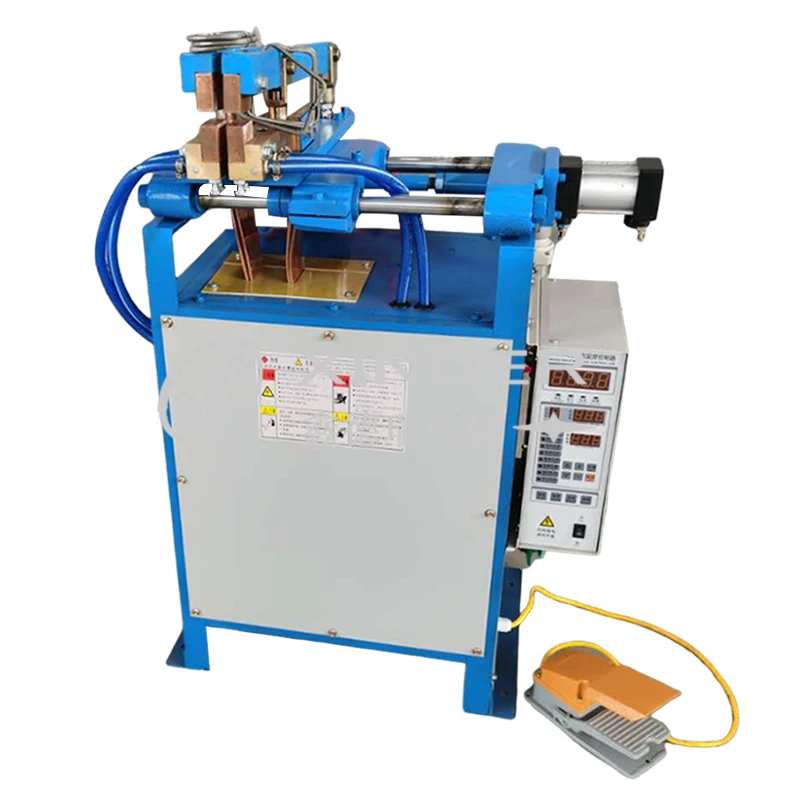 Pneumatic Handle Welding MachineSep . 13, 2024
 -
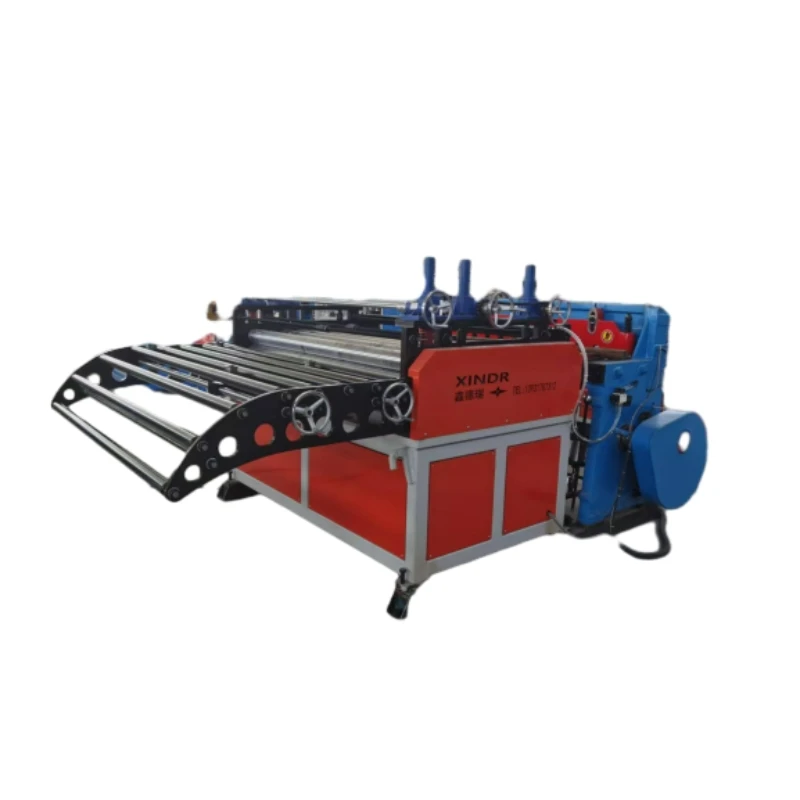 Fully Automatic Kaiping Production LineOct . 17, 2024
 -
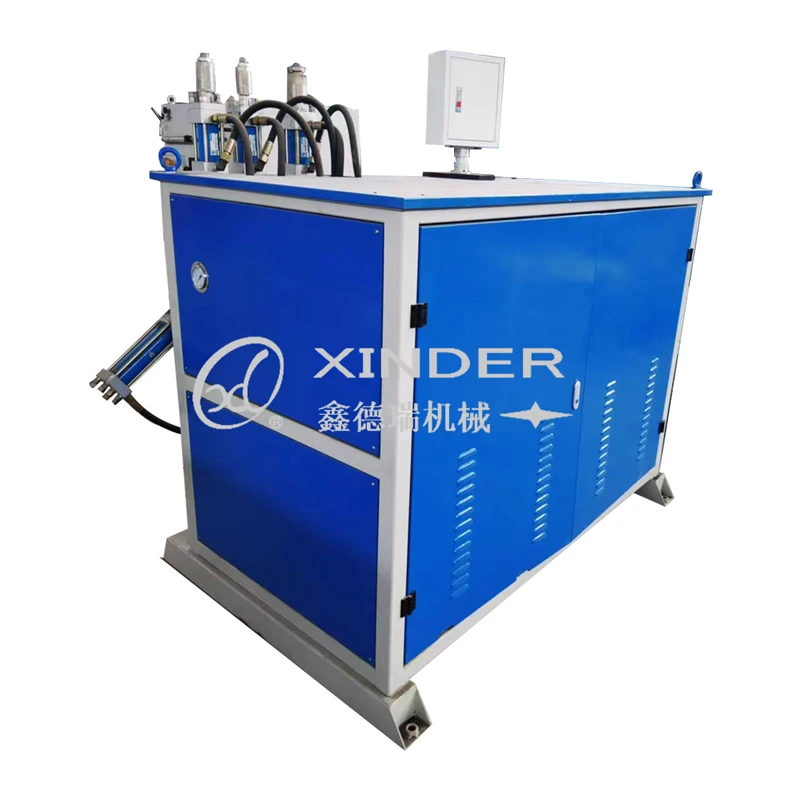 Fully Automatic Metal Bucket Lifting HeadphonesSep . 14, 2024