-
 8613931787312
 -
 Botou Industrial Zone on the east side of National Highway 104, Botou City, Hebei Province


CNC Cutting and Bending Machine – Precision Metalworking Solutions
CNC Cutting and Bending Machine: The Backbone of Precision Metalworking
Having spent a good chunk of my career around industrial machinery — and specifically CNC cutting and bending machines — I’ve grown to appreciate how these workhorses quietly shape so much of our modern framework. There's something oddly satisfying about watching a flat metal sheet being transformed, with exacting precision, into complex, structured components. Frankly, it feels like watching a sculptor at work, but with software and hydraulics instead of chisels.
These machines aren’t just about brute force; they’re about finesse, too. The industry has seen a remarkable evolution — from purely mechanical presses that required heaps of manual adjustments, to today’s computerized systems that can be programmed within minutes. The fusion of cutting and bending capabilities into one CNC setup means less downtime, tighter tolerances, and lower error rates. For someone who's been on the shop floor, it’s a big deal.
Before we dive deeper, it’s worth noting the role that quality control plays. I remember a customer once who switched from a traditional press brake to a combined CNC cutting and bending machine. The accuracy improvement allowed them to reduce waste by about 15%, which might not sound huge, but in a high-volume operation, that’s a pile of saved material and time.
What Makes Modern CNC Cutting and Bending Machines Tick?
In real terms, these machines integrate laser or plasma cutting heads with hydraulic or servo-electric bending tools. The CNC controller becomes the brain, sending precise commands based on the programmed design. One key advantage is consistency — the machine reproduces parts identically, batch after batch. If your tolerance is measured in microns, CNC is the only way to go.
Materials? Oh, it’s nearly everything: from mild steel sheets at half an inch thick to stainless steel, aluminum, and even exotic alloys. The machine’s power and tooling setup decide how thick or complex the cuts and bends can be. I once oversaw a project where the bending machine handled over 60 tons of force — it felt like a beast, yet incredibly controllable.
| Feature | Specification |
|---|---|
| Cutting Method | Fiber Laser / Plasma |
| Maximum Sheet Thickness | 25 mm (steel) |
| Bending Force | Up to 1600 kN |
| CNC Controller | Heidenhain / Siemens |
| Repeatability | ±0.01 mm |
| Working Area | 4000 x 2000 mm |
Picking the Right Vendor: It’s More Than Just Specs
The market offers an array of vendors, each one pitching their version of precision and efficiency. But oddly enough, specs alone rarely tell the full story. Service support, training availability, and software integration often dictate how well you can integrate a new CNC cutting and bending machine into your existing workflow.
| Vendor | Precision (Repeatability) | Lead Time | Service & Support | Price Range |
|---|---|---|---|---|
| XDR Machinery | ±0.01 mm | 4-6 weeks | 24/7 Support, Remote Diagnostics | $$$ |
| Alpha CNC | ±0.015 mm | 6-8 weeks | Onsite Visits Available | $$ |
| Beta Tech | ±0.02 mm | 3-5 weeks | Email & Phone Support | $ |
From my experience, choosing a vendor like XDR Machinery can make a tangible difference, especially if you’re after that sweet spot between precision, reliability, and solid customer care. The CNC controller interface they use is famously user-friendly, which means less training time and quicker job starts. Believe me, the last thing you want after installation is a complicated learning curve that stalls production.
Oh, and customization? Some vendors offer modular upgrades — different cutting heads, enhanced bending force, software features — which you may not need immediately but are invaluable as your processes evolve. It’s kind of like buying a car with optional packages, only here, every tweak can save you hundreds of dollars and hours of labor downstream.
At the end of the day, these CNC cutting and bending machines feel less like cold equipment and more like trusted partners. They require some TLC and respect, but they reward you with consistent output and flexibility that older machines simply can’t match. It’s no secret that for competitive manufacturers, the stakes are high, and these tools can be the real difference-makers.
So, if you’re thinking about integrating or upgrading, take some time to test run machines, talk to operators, and maybe even peek at some case studies. That little bit of extra homework makes a big difference. And perhaps, like me, you’ll soon appreciate the quiet strength these machines bring to the manufacturing floor.
In short, the marriage of cutting-edge CNC cutting and bending technology is shaping tomorrow’s metalworking — one perfect bend at a time.
References:
- Industry Reports on CNC Automation (2023)
- Personal Interviews with Shop Floor Engineers (2018-2023)
- XDR Machinery Official Documentation and User Feedback (2023)
-
Guide to Spartan Steel Bending Machine Price and Cost FactorsNewsApr.16,2026
-
Analyzing the Spartan Bending Machine Price and Buyer GuideNewsApr.09,2026
-
Understanding Small Bending Machine Price and Choosing the Right OptionNewsApr.07,2026
-
Comprehensive Guide to Sheet Metal Bending Machine Price and SelectionNewsApr.04,2026
-
Comprehensive Guide to Roofing Sheet Bending Machine Price and SelectionNewsMar.31,2026
-
Comprehensive Guide to Profile Bending Machine Price and SelectionNewsMar.28,2026
-
Comprehensive Guide to Press Bending Machine Price and Purchasing ConsiderationsNewsMar.26,2026
-
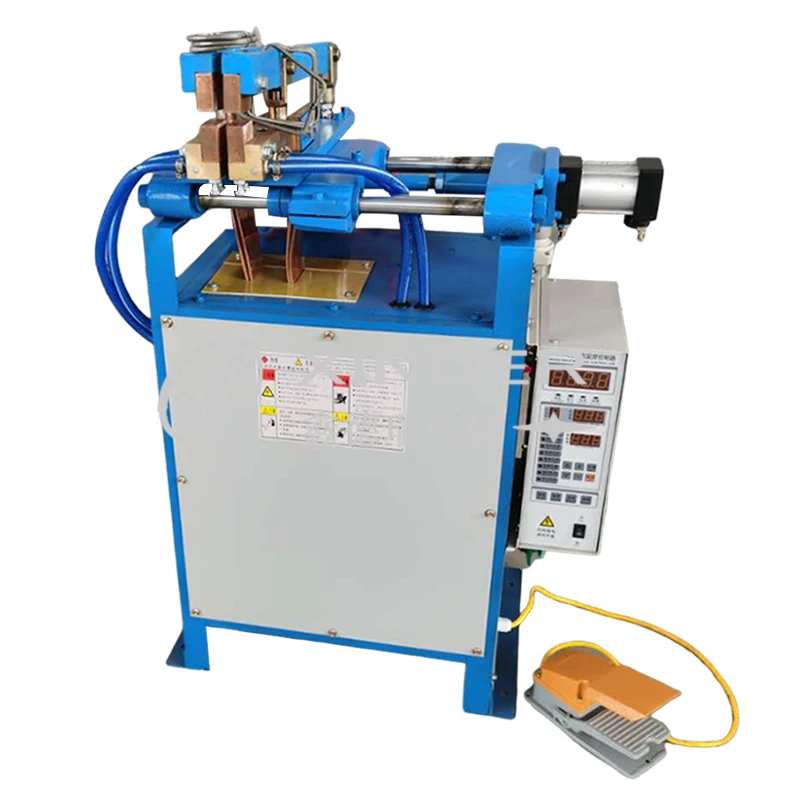 Pneumatic Handle Welding MachineSep . 13, 2024
 -
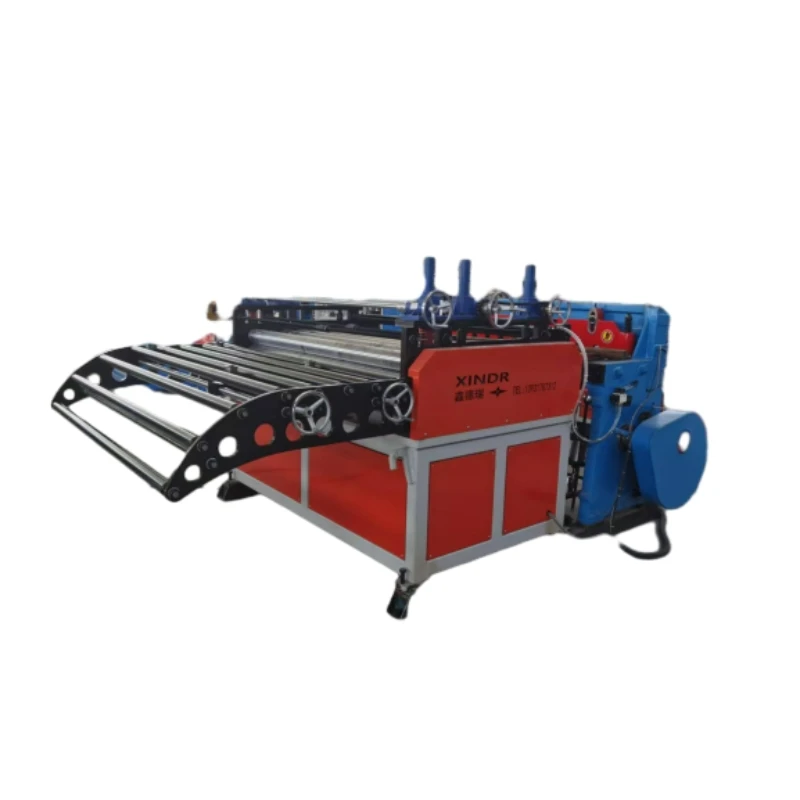 Fully Automatic Kaiping Production LineOct . 17, 2024
 -
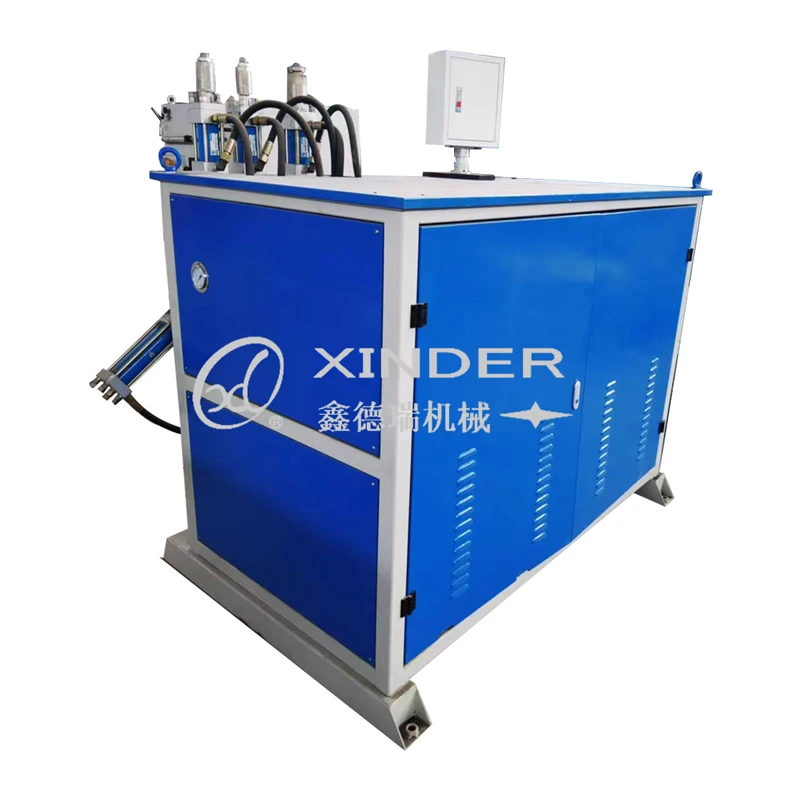 Fully Automatic Metal Bucket Lifting HeadphonesSep . 14, 2024