-
 8613931787312
 -
 Botou Industrial Zone on the east side of National Highway 104, Botou City, Hebei Province


Building a Robust Homemade Sheet Bending Machine for Metalworking Projects
Homemade Sheet Bending Machine: A Comprehensive Guide
Building your own sheet bending machine can be a cost-effective solution for small workshops or DIY enthusiasts undertaking metalworking projects. This guide provides a thorough overview of homemade sheet bending machines, covering design considerations, construction methods, material choices, and safety precautions. We’ll explore the benefits of creating a custom bending machine tailored to your specific needs, versus purchasing a pre-built model. Whether you're working with mild steel, aluminum, or other sheet metals, understanding the principles of sheet bending is essential. Explore a range of resources and solutions at XDR Machinery for advanced metalworking equipment and insights.
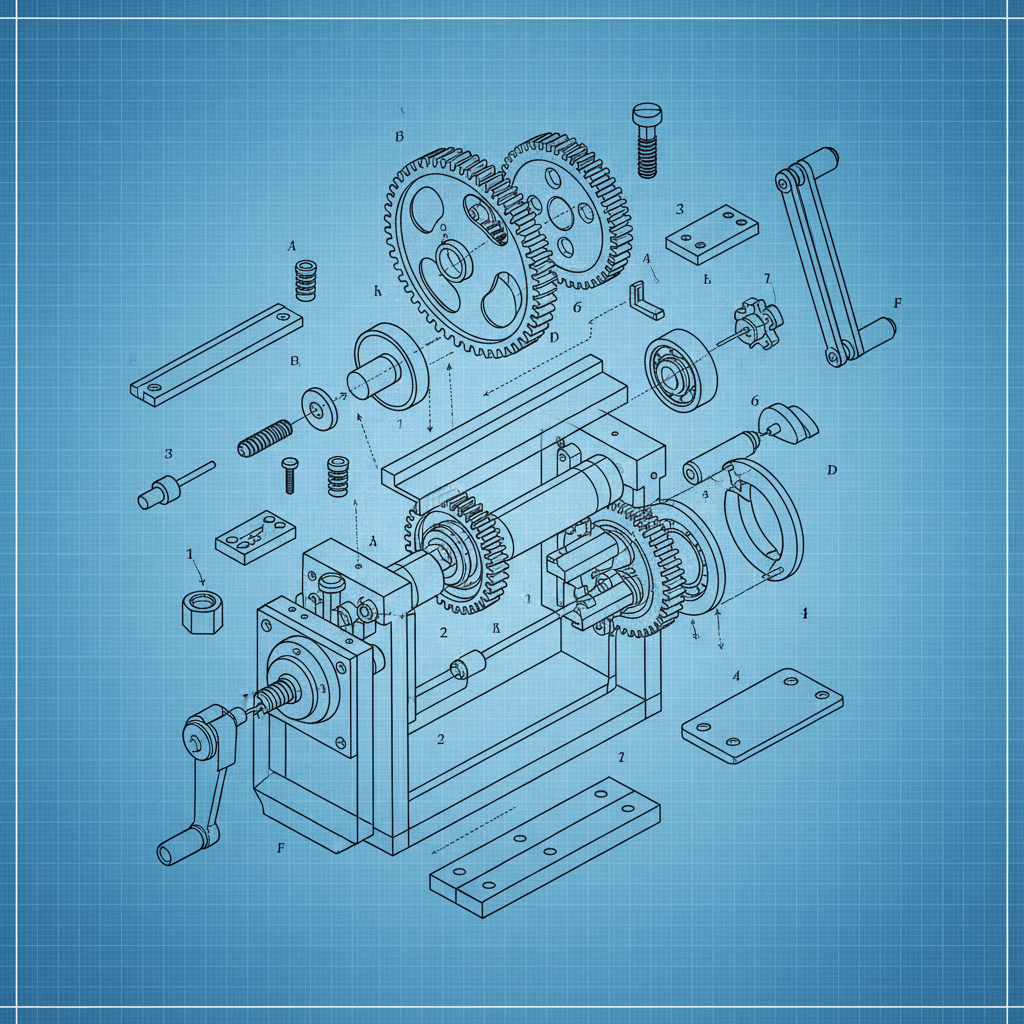
Understanding the Basics of Sheet Bending
Sheet bending involves deforming a flat sheet of metal into a desired angle or shape. The process relies on applying force to the metal, causing plastic deformation. Key factors influencing bending include the material's thickness, tensile strength, and the bend radius. A homemade sheet bending machine essentially replicates the function of industrial bending machines, albeit on a smaller scale. Common designs utilize leverage, clamping mechanisms, and bending dies to achieve precise and consistent bends. Understanding these fundamentals will help you design and build a machine that meets your project requirements.
Key Takeaway: Successful sheet bending depends on controlling material properties, applied force, and bend radius to achieve the desired shape without fracturing or distorting the metal.
Popular Designs for Homemade Sheet Bending Machines
Several designs are popular for creating DIY sheet bending machines. One common approach uses a steel frame, a bending brake (a piece of angle iron or a specialized bending die), and a clamping mechanism. Leverage is used to apply force to the sheet metal, bending it around the brake. Another design involves using a hydraulic jack to provide the necessary force. More complex designs may incorporate rollers and adjustable guides for creating curved bends. The best design will depend on your skill level, available tools, and the types of bends you need to perform. XDR Machinery's resources showcase professional-grade machines that can inspire your own design.
Design Considerations:
• Frame Stability: A robust frame is crucial for withstanding bending forces.
• Bending Brake: Choose a material strong enough to resist deformation.
• Clamping System: Ensure a secure grip on the sheet metal.
• Leverage/Force Application: Optimize the mechanical advantage for ease of use.
Comparing Homemade vs. Commercial Sheet Bending Machines
While a homemade sheet bending machine can be a viable option for small projects, it's essential to compare it to commercially available machines. Commercial machines offer superior accuracy, repeatability, and capacity. They are built with robust materials and often feature advanced features like adjustable back gauges and digital angle displays. Homemade machines, on the other hand, are more affordable to build but may require more manual effort and offer less precision. The following table highlights key differences:
Materials Needed for Building a Homemade Sheet Bending Machine
Common materials used in building a homemade sheet bending machine include steel (for the frame and bending brake), angle iron, hydraulic jacks, clamping levers, and welding supplies. The thickness of the steel will depend on the expected bending forces. It's also important to consider safety features like guards and emergency stop mechanisms. A well-planned bill of materials will help you stay organized and estimate the cost of the project. For specialized parts or larger projects, consider exploring the equipment available at XDR Machinery.
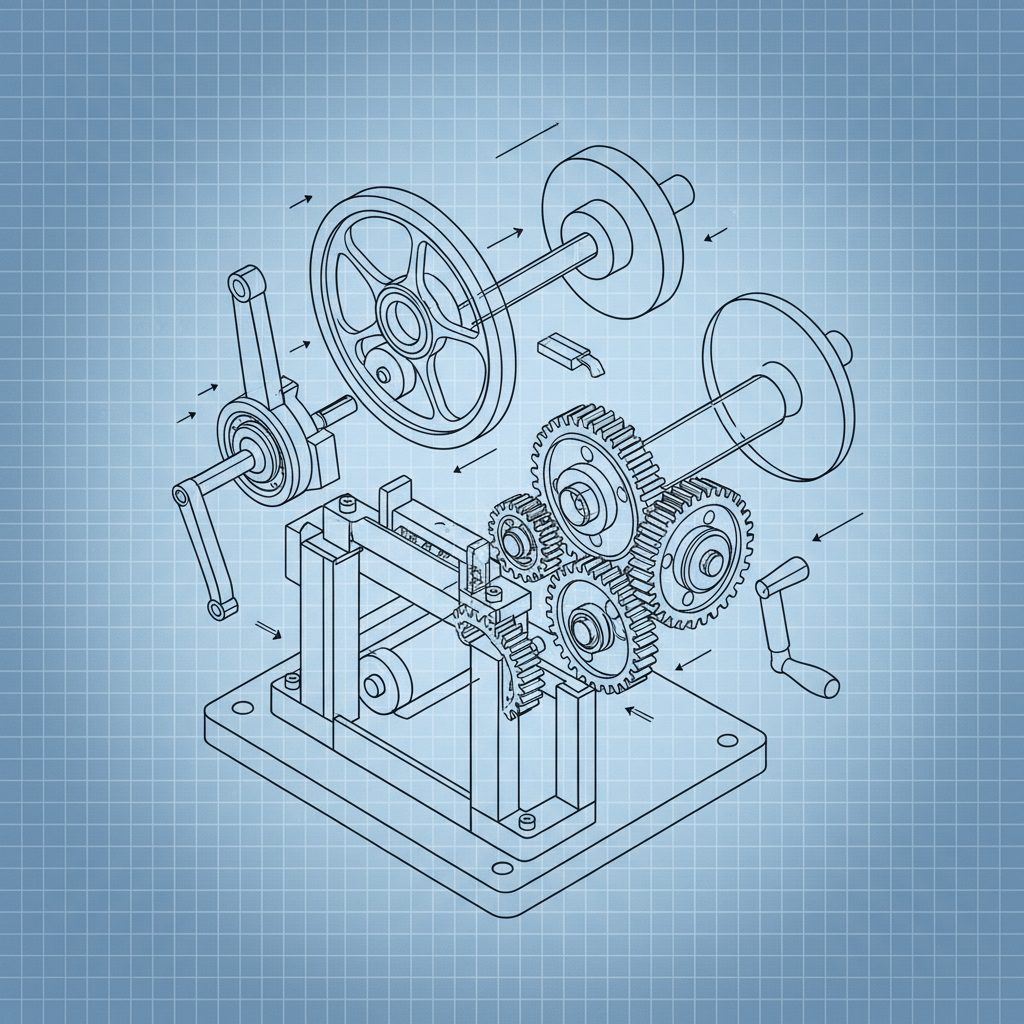
Safety Precautions When Using a Homemade Sheet Bending Machine
Safety is paramount when operating any metalworking equipment, including a homemade sheet bending machine. Always wear appropriate personal protective equipment (PPE), including safety glasses, gloves, and closed-toe shoes. Ensure the machine is securely anchored to the ground to prevent it from tipping over. Never place your hands or body parts in the bending area while the machine is in operation. Be aware of pinch points and potential hazards. Inspect the machine before each use for any signs of damage or wear. Proper training and awareness of safe operating procedures are essential.
Conclusion: Building or Buying – Choosing the Right Solution
Building a homemade sheet bending machine can be a rewarding project for DIY enthusiasts, offering a cost-effective solution for small-scale metalworking. However, for demanding applications or professional use, investing in a commercially manufactured machine from a reputable supplier like XDR Machinery is often the more practical choice. Consider your needs, budget, and skill level to determine the best approach.
Frequently Asked Questions (FAQs)
What type of steel is best for building the frame of a homemade sheet bending machine?
For the frame, A36 steel is a common and cost-effective choice due to its good weldability and strength. However, for heavier-duty applications or if you anticipate bending thicker materials, consider using higher-strength steel like A572. The steel thickness should be at least 1/4 inch (6.35 mm) to ensure adequate rigidity. Properly welding and reinforcing the frame joints is crucial for its structural integrity. Always consult with a welding professional if you are unsure about the welding process or material selection.
How can I ensure accurate bends with a homemade machine?
Accuracy relies on several factors: a rigid frame, a precise bending brake (the angle iron or die), and consistent clamping pressure. Creating a gauge or angle indicator is highly recommended. Carefully measure the sheet metal before bending and use a protractor or angle finder to verify the bend angle. Practice on scrap metal to refine your technique and calibrate the machine. Remember, a little adjustment can make a big difference in achieving the desired results. For extremely precise bends, consider investing in a commercially made machine.
What safety features should I incorporate into my homemade machine?
Essential safety features include a sturdy frame that won’t tip over, a secure clamping system to prevent the sheet metal from slipping, and guards to shield moving parts. Consider adding an emergency stop mechanism to quickly halt the bending process. Always wear safety glasses, gloves, and closed-toe shoes when operating the machine. Clearly label the machine with safety warnings and operating instructions. Regularly inspect the machine for any signs of wear or damage.
Can a homemade machine bend materials other than mild steel?
Yes, but the results may vary. Aluminum and stainless steel require different bending techniques and often necessitate adjustable bending dies. Aluminum is softer and more prone to distortion, while stainless steel is harder and requires more force. Consider the material’s thickness and temper when selecting the bending method and applying force. You may need to adjust the machine’s design and settings to accommodate different materials effectively. XDR Machinery offers a range of machines designed to handle diverse materials.
-
Guide to Spartan Steel Bending Machine Price and Cost FactorsNewsApr.16,2026
-
Analyzing the Spartan Bending Machine Price and Buyer GuideNewsApr.09,2026
-
Understanding Small Bending Machine Price and Choosing the Right OptionNewsApr.07,2026
-
Comprehensive Guide to Sheet Metal Bending Machine Price and SelectionNewsApr.04,2026
-
Comprehensive Guide to Roofing Sheet Bending Machine Price and SelectionNewsMar.31,2026
-
Comprehensive Guide to Profile Bending Machine Price and SelectionNewsMar.28,2026
-
Comprehensive Guide to Press Bending Machine Price and Purchasing ConsiderationsNewsMar.26,2026
-
 Pneumatic Handle Welding MachineSep . 13, 2024
 -
 Fully Automatic Kaiping Production LineOct . 17, 2024
 -
 Fully Automatic Metal Bucket Lifting HeadphonesSep . 14, 2024