-
 8613931787312
 -
 Botou Industrial Zone on the east side of National Highway 104, Botou City, Hebei Province


Build Your Own Powerful Homemade Metal Bending Machine A Comprehensive Guide
Homemade Metal Bending Machine: A Comprehensive Guide
Building your own homemade metal bending machine can be a rewarding project for DIY enthusiasts and small-scale metalworkers. It allows for customized solutions tailored to specific needs, potentially saving costs compared to purchasing a commercially manufactured machine. This article explores the process, considerations, and benefits of constructing your own metal bending equipment. We'll cover design options, materials, safety precautions, and resources to help you successfully complete your project. A well-built homemade bending machine can greatly enhance your metalworking capabilities.
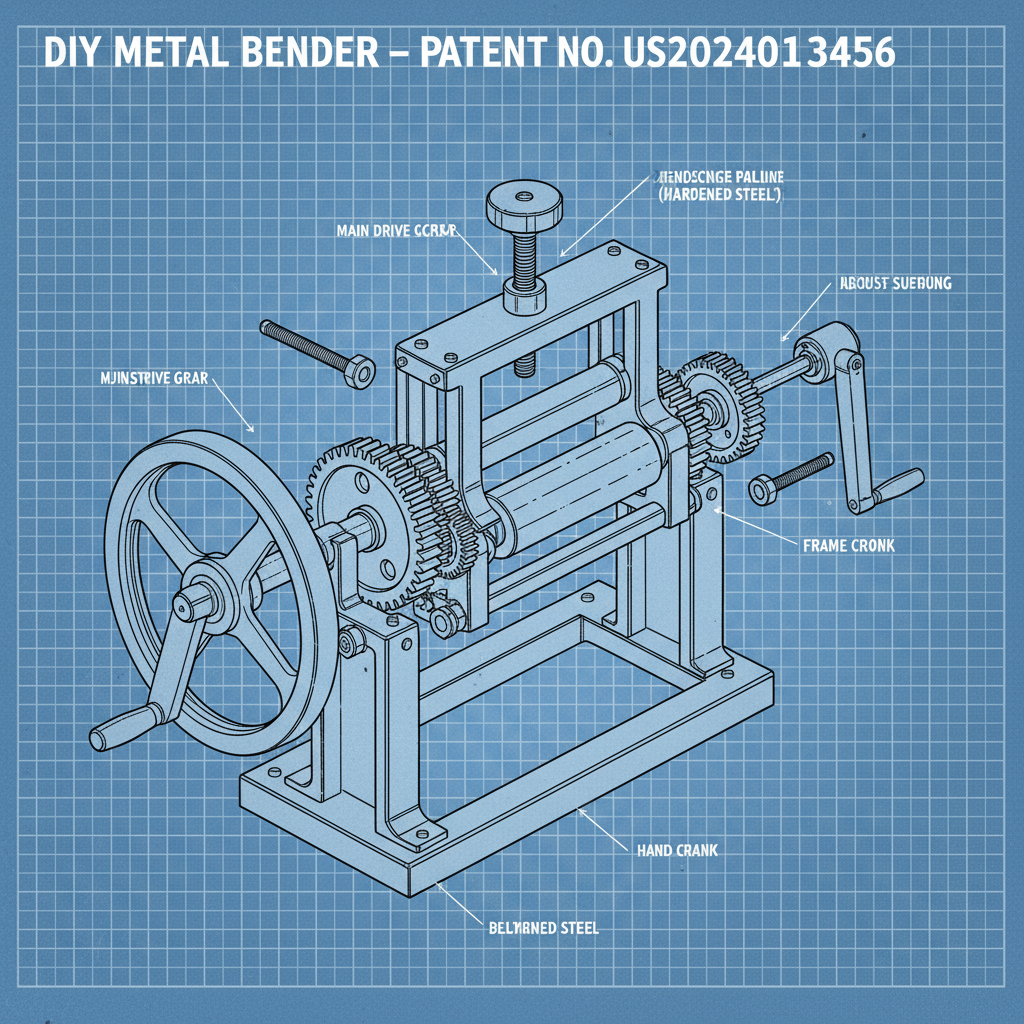
Understanding the Basics of Metal Bending
Metal bending relies on applying force to deform the metal plastically, creating a permanent bend. The amount of force required depends on the metal's thickness, type, and desired bend radius. Different bending methods exist, including press braking, rotary draw bending, and air bending. A homemade metal bending machine typically employs a lever or hydraulic system to generate the necessary force. Understanding the principles of metal deformation is crucial for designing an effective machine.
Key Considerations: The choice of bending method will depend on the type of metal you intend to bend, the complexity of the bends required, and your budget. Simpler designs are easier to build but may be limited in their capabilities.
Types of Homemade Metal Bending Machine
Several designs are popular for homemade metal bending machines. The simplest utilizes a lever and a fixed die. More complex designs incorporate hydraulic cylinders for increased power. Another option involves a roller-based system, useful for creating curved shapes. Selecting the right design hinges on the types of metal you'll be bending, the thickness, and the desired accuracy. Remember to factor in your skill level and available tools when making your decision.
Common Homemade Bending Machine Designs:
• Lever-based Bending Machine: Simple, manual operation.
• Hydraulic Bending Machine: Offers greater force and control.
• Roller Bending Machine: Ideal for creating curves and arcs.
Materials Needed for a Homemade Metal Bending Machine
Building a functional machine requires sourcing durable materials. Steel is the primary component, used for the frame, bending arm, and dies. The thickness of the steel will vary depending on the anticipated bending forces. Hydraulic cylinders, if used, should be heavy-duty and appropriately sized. Other essential materials include bolts, bearings, and potentially welding rods if fabrication involves welding. Proper material selection is vital for safety and longevity.
Safety Precautions When Building and Using Your Machine
Safety is paramount. Always wear safety glasses, gloves, and appropriate clothing when building and operating your homemade metal bending machine. Ensure the machine is securely mounted and stable before use. Never exceed the machine's capacity, and always use caution when applying force. Inspect the machine regularly for wear and tear, and promptly address any issues. A thorough understanding of the machine's operation and safety features is essential.
Resources and Further Learning
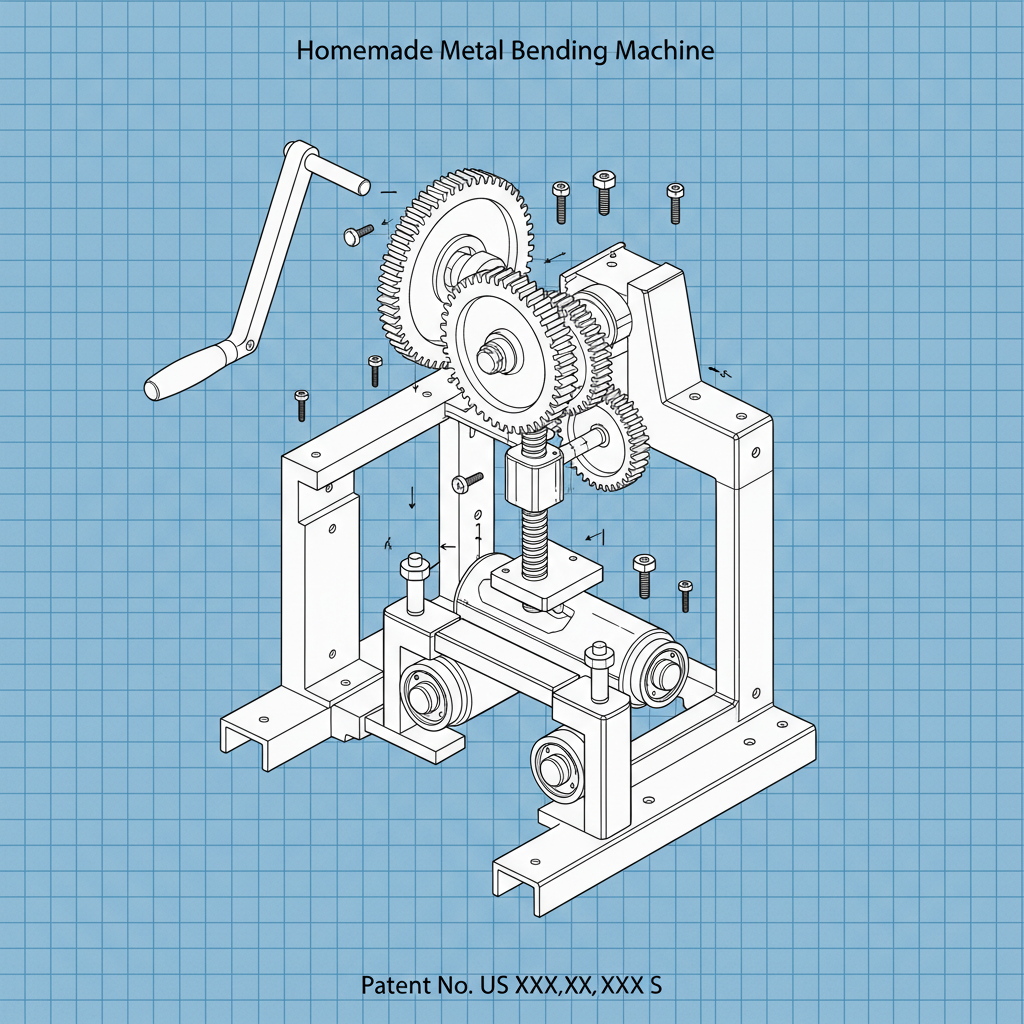
Numerous online resources offer plans and guidance for building homemade metal bending machines. Websites like YouTube and Instructables feature detailed build logs and tutorials. Forums dedicated to metalworking provide a platform for asking questions and sharing experiences. Consider consulting with experienced metalworkers for advice and guidance. You can find more information and professional metal bending solutions at XDR Machinery.
Conclusion: Empowering Your Metalworking with a Homemade Solution
Constructing your own metal bending machine is a feasible project for dedicated DIYers. It requires careful planning, material selection, and a commitment to safety. However, the reward is a customized tool that can significantly expand your metalworking capabilities. By leveraging available resources and prioritizing safety, you can successfully build a functional and reliable machine.
Frequently Asked Questions (FAQs)
What is the best type of steel to use for the frame of a homemade bending machine?
For the frame, A36 steel is a common and affordable choice. It offers good weldability and strength. However, if you plan on bending thicker materials or require a more robust machine, consider using higher-strength steel like A572. The gauge (thickness) of the steel will depend on the anticipated loads – thicker steel is needed for heavier-duty applications. Angle iron and steel plate are also frequently used for frame construction, providing structural support and rigidity.
How do I determine the correct size of the hydraulic cylinder?
Determining the correct cylinder size involves calculating the required bending force. This depends on the material's yield strength, thickness, and desired bend radius. You'll need to consider the mechanical advantage of your lever system (if any). A hydraulic cylinder's force is determined by its bore diameter and operating pressure. Online calculators and engineering resources can help with these calculations. It’s generally better to slightly oversize the cylinder to provide ample force.
What are some common mistakes to avoid when building a homemade bending machine?
Common mistakes include underestimating the required strength of the frame, using inadequate materials, and neglecting safety features. Insufficiently securing the machine to a stable base can lead to accidents. Poor welding can compromise the structural integrity. Failure to properly design and align the bending dies can result in inaccurate bends. Thorough planning and careful execution are essential to avoid these pitfalls.
Can I bend stainless steel with a homemade bending machine?
Bending stainless steel is more challenging than bending mild steel due to its higher yield strength and work hardening properties. A homemade machine can bend thinner gauge stainless steel, but it will likely require a more powerful hydraulic cylinder and hardened steel dies. The bending process may also require multiple passes and careful control to avoid cracking or distorting the material.
-
Guide to Spartan Steel Bending Machine Price and Cost FactorsNewsApr.16,2026
-
Analyzing the Spartan Bending Machine Price and Buyer GuideNewsApr.09,2026
-
Understanding Small Bending Machine Price and Choosing the Right OptionNewsApr.07,2026
-
Comprehensive Guide to Sheet Metal Bending Machine Price and SelectionNewsApr.04,2026
-
Comprehensive Guide to Roofing Sheet Bending Machine Price and SelectionNewsMar.31,2026
-
Comprehensive Guide to Profile Bending Machine Price and SelectionNewsMar.28,2026
-
Comprehensive Guide to Press Bending Machine Price and Purchasing ConsiderationsNewsMar.26,2026
-
 Pneumatic Handle Welding MachineSep . 13, 2024
 -
 Fully Automatic Kaiping Production LineOct . 17, 2024
 -
 Fully Automatic Metal Bucket Lifting HeadphonesSep . 14, 2024