-
 8613931787312
 -
 Botou Industrial Zone on the east side of National Highway 104, Botou City, Hebei Province


Automatic Seam Welding Machine | High-Speed, Leak-Proof
A Field Insider’s Take on the Latest Automatic Seam Welding for Steel Drums
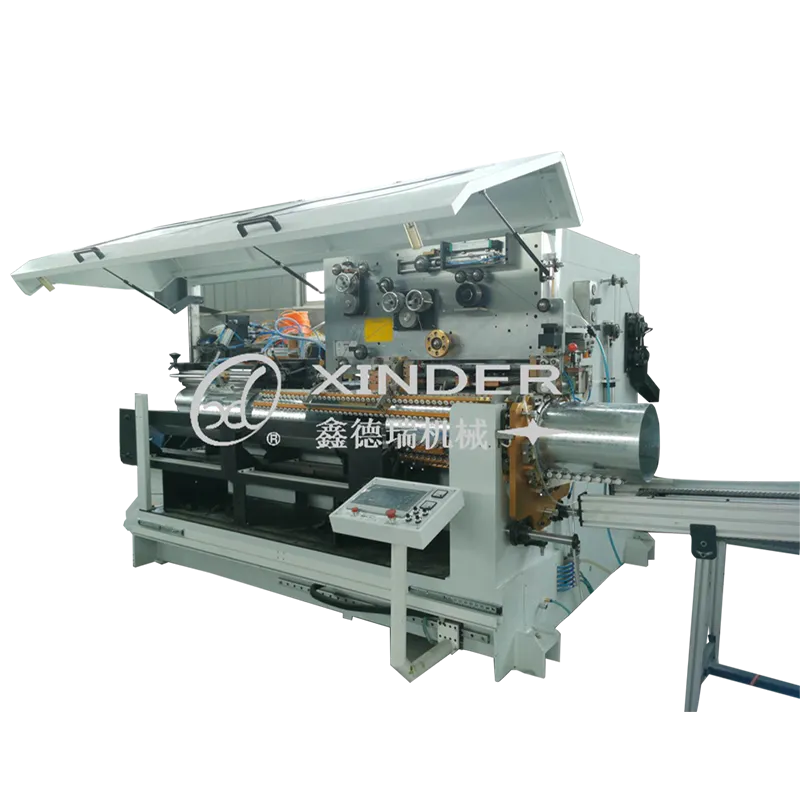
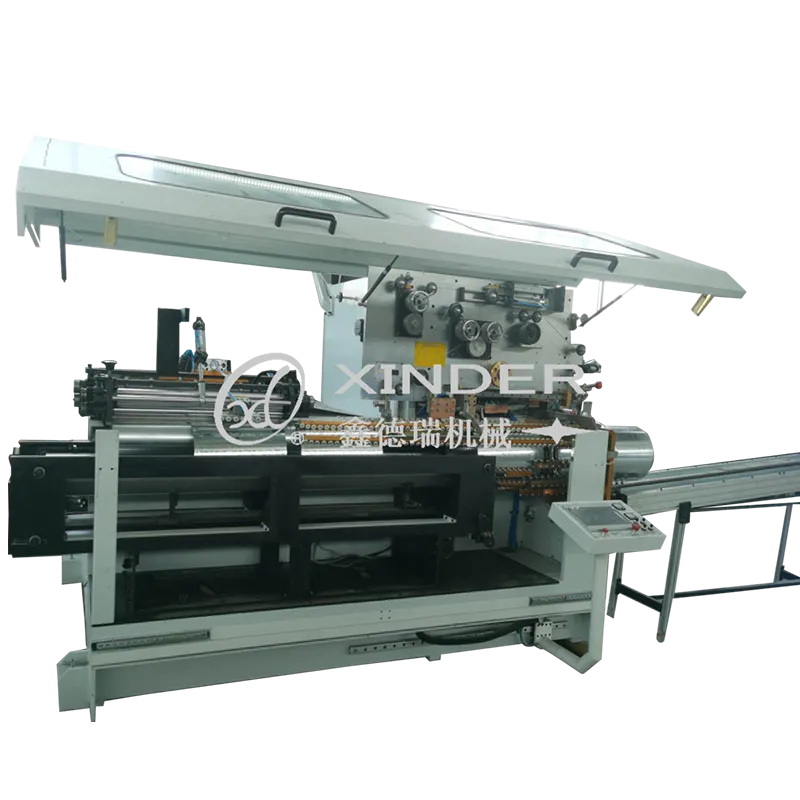
Factory managers keep telling me the same story: labor is tight, leaks are expensive, and consistency wins contracts. Which is why this automatic seam welding machine from XDR Machinery has been popping up in my notes. Originating from the Botou Industrial Zone, east side of National Highway 104 (Hebei Province), the FNBG-1060-I is clearly built for production floors that need real throughput, not marketing promises.
Why it matters now
Trends are pretty clear: data-logged weld quality, tighter overlap control, and energy optimization. Shops replacing older spot weld lines say scrap dips by 15–30% once seam parameters are locked. And with PLC-led repeatability, operators spend less time firefighting. To be honest, that’s what I hear most: less drama on Monday mornings.
FNBG-1060-I quick spec (real-world ready)
| Model | FNBG-1060-I |
|---|---|
| Power / Capacity | 380V 50/60Hz, 250 KVA |
| Drum Diameter | Φ 250–800 mm |
| Barrel Height | 500–1500 mm |
| Overlap | 3–5 mm |
| Plate Thickness | 0.5–1.2 mm |
| Materials | Cold-rolled low-carbon steel, tinplate, stainless, galvanized |
| Throughput | 6–10 pcs/min (≈ depends on material) |
| Copper Wire | Φ 2.4 mm |
| Cooling | ≤ 20°C; ≥ 20 L/min |
| Air | ≥ 0.6 MPa |
| Footprint / Weight | 3800×3000×2150 mm; 4000 kg |
| Core Components | PLC: Mitsubishi; HMI: Weilun; Pneumatics: Yadeke; Motor: Yongkun; Inverter: Delta; Relays: Schneider |
How the line runs (short version)
Blanks are formed and tacked, then the automatic seam welding machine clamps the can body, establishes a 3–5 mm overlap, and drives a continuous resistance seam using Φ2.4 mm copper wire. Water cooling holds thermal input steady, while PLC logic maintains current, pressure, and line speed. Post-weld comes quench, bead planishing (if configured), leak test, and inline marking.
Testing methods I’ve seen adopted: bubble leak and hydrostatic per ISO 15750; occasional ultrasonic on critical runs; weld procedure and quality control aligned with ISO 3834 and procedure qualification per ISO 15614. Typical leak rate from shops using this unit: ≤ 1×10⁻³ mbar·L/s (around that; real-world use may vary).
Where it’s used
Steel drums for lubricants, paints and inks, agrochemicals, solvents, edible oil (with tinplate or stainless), and specialty chemicals. Many customers say the automatic seam welding machine pays back fastest on solvent lines thanks to stricter UN packaging approvals.
Vendor snapshot (my practical view)
| Vendor | Throughput | Control | Service | Price Index |
|---|---|---|---|---|
| XDR FNBG-1060-I | 6–10 pcs/min | Mitsubishi PLC, Delta inverter | Remote + on-site (APAC/EU partners) | ≈ Mid |
| Local retrofit line | 3–6 pcs/min | Basic PLC | Varies | Low |
| EU high-end | 8–12 pcs/min | Advanced servo suite | Global | High |
Customization and compliance
Options I’ve noted in the field: extended height jigs, stainless-focused parameter sets, IoT gateway for OEE, auto copper-wire feed, plus safety upgrades conforming to IEC 60204-1. For packaging approvals, users typically target UN 1A1/1A2 drum certifications with ISO 15750 test routines. Duty life is often quoted at 8–10 years with scheduled maintenance.
Two quick case notes
• Coatings plant, Southeast Asia: line speed from 5 to 8 pcs/min; leak rejects down from 2.1% to 0.6% after overlap tuning. “Stable as a metronome,” their supervisor joked.
• Lube oil drums, Central Europe: changeover cut by ≈25% with preset libraries; CE assessment completed smoothly, thanks to documented electricals and guarding.
Final thought: if your bottleneck is seam integrity or rework, a automatic seam welding machine with tight controls and honest service support is, frankly, the straightforward fix.
Authoritative citations
- ISO 15750: Packaging—Steel drums (tight head and open head) for liquids and solids. https://www.iso.org
- ISO 3834: Quality requirements for fusion welding of metallic materials. https://www.iso.org
- ISO 15614: Specification and qualification of welding procedures for metallic materials (WPQR). https://www.iso.org
- IEC 60204-1: Safety of machinery—Electrical equipment of machines. https://www.iec.ch
-
Guide to Spartan Steel Bending Machine Price and Cost FactorsNewsApr.16,2026
-
Analyzing the Spartan Bending Machine Price and Buyer GuideNewsApr.09,2026
-
Understanding Small Bending Machine Price and Choosing the Right OptionNewsApr.07,2026
-
Comprehensive Guide to Sheet Metal Bending Machine Price and SelectionNewsApr.04,2026
-
Comprehensive Guide to Roofing Sheet Bending Machine Price and SelectionNewsMar.31,2026
-
Comprehensive Guide to Profile Bending Machine Price and SelectionNewsMar.28,2026
-
Comprehensive Guide to Press Bending Machine Price and Purchasing ConsiderationsNewsMar.26,2026
-
 Pneumatic Handle Welding MachineSep . 13, 2024
 -
 Fully Automatic Kaiping Production LineOct . 17, 2024
 -
 Fully Automatic Metal Bucket Lifting HeadphonesSep . 14, 2024