-
 8613931787312
 -
 Botou Industrial Zone on the east side of National Highway 104, Botou City, Hebei Province


Automatic Seam Welding Machine: Faster, Leak-Proof Welds?
Field Notes on a Modern Drum Seam Welder: What Really Matters
If you build or reline steel drums for paints, lubricants, or specialty chemicals, you’ve probably wrestled with uptime, leak rates, and—lately—energy costs. For buyers evaluating an automatic seam welding machine, here’s the short version: the market is moving toward higher duty cycles, gentler thermal profiles, smarter PLCs, and traceable QA. The longer version (the useful part) is below—pulled from shop-floor visits, user feedback, and some lab notes.
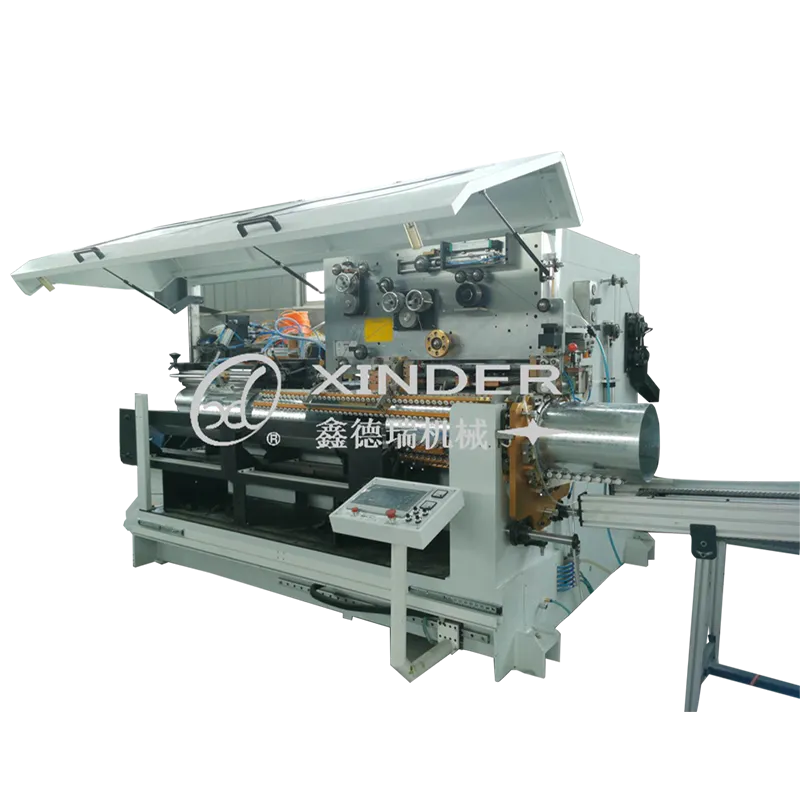
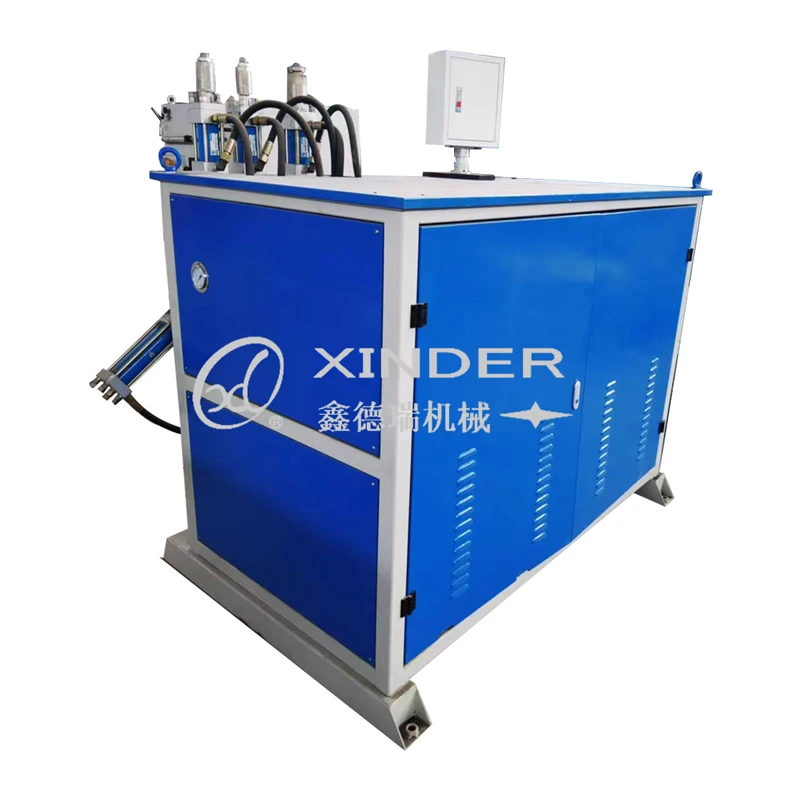
The Machine in Focus: FNBG-1060-I (1.20–30 Liter Steel Drum Fully Automatic Welding Machine)
Origin: Botou Industrial Zone, east side of National Highway 104, Botou City, Hebei Province. I’ve seen similar lines across Asia and Eastern Europe, but this one leans hard into reliable components—Mitsubishi PLC, Delta inverter, Schneider relays, Taiwan Yongkun motors. To be honest, that mix is common for plants that hate unplanned downtime.
| Model | FNBG-1060-I |
| Power | 380V, 50/60Hz; Rated capacity 250 KVA |
| Weld range | Diameter Φ250–Φ800 mm; Height 500–1500 mm |
| Materials | Cold-rolled low-carbon steel, tinplate, stainless, galvanized |
| Plate thickness | 0.5–1.2 mm; overlap 3–5 mm |
| Speed | ≈6–10 pcs/min (real-world use may vary) |
| Electrode | Consumable copper wire Ø2.4 mm |
| Cooling / Air | Water ≤20 ℃; ≥20 L/min; Air ≥0.6 MPa |
| Size / Weight | 3800×3000×2150 mm; ≈4000 kg |
| Control | PLC: Mitsubishi; HMI: Weilun; Inverter: Delta; Relays: Schneider; Motors: Yongkun |
Process Flow, Testing, and Service Life
- Material prep: CRS, tinplate, stainless, or galvanized sheets; deburr edges; wipe oils (avoid arc blow and porosity).
- Forming: Roll and tack into cylinder; maintain roundness tolerance (typically ≤1.5 mm).
- Seam welding: automatic seam welding machine feeds Ø2.4 mm copper wire electrode; overlap 3–5 mm; synchronized pressure/speed via PLC.
- Cooling: Closed-loop water ≤20 ℃; flow ≥20 L/min stabilizes nugget formation.
- QA tests: Visual (EN ISO 5817 guidance), seam shear coupons, leak tests. Many customers use helium or air-under-water at 0.2–0.3 MPa; typical leak rate target ≤1×10^-4 mbar·L/s for premium drums.
Service life notes: electrode wire consumption depends on current density and tinplate content; wheels and guides are wear parts. Machines like this routinely run 8–12 years with scheduled maintenance; electrode change cycles ≈1–3 shifts, depending on coating and thickness.
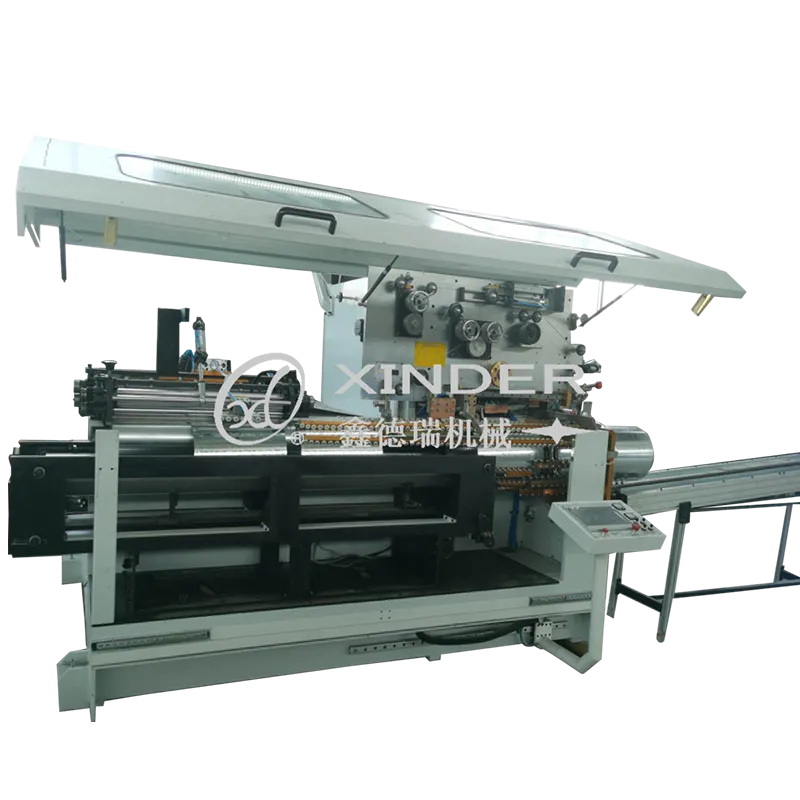
Where It Fits (and Why)
- Industries: coatings/paints, adhesives, lubricants, agrochem, solvents (with proper lining), food-grade tins (stainless/tinplate).
- Advantages: consistent heat input, tight HAZ control, high throughput, cleaner finish versus MIG lap seams on thin wall drums.
- Feedback: users report uptime ≥97–98% after dial-in; scrap reductions of ~1–2% when switching from older SCR seamers to PLC/inverter models.
Customization Options
Common tweaks include custom pressure rolls for galvanized, recipe libraries per diameter/grade, auto-oiler for wire feed, integrated leak-test station, and MES connectivity (OPC-UA). It seems that data logging on current/force/speed is becoming standard, not optional.
Quick Vendor Snapshot
| Vendor / Model | Core Strength | Throughput | Controls |
|---|---|---|---|
| XDR FNBG-1060-I | Wide drum size window; strong parts availability | ≈6–10 pcs/min | Mitsubishi PLC, Delta inverter |
| EU Brand A (seam line) | Advanced SPC suite, deep MES integration | ≈5–9 pcs/min | Siemens PLC, Profinet |
| Budget Brand B | Low capex starter line | ≈4–7 pcs/min | Mixed PLC; limited analytics |
Mini Case Notes
- Paint drums, 0.7 mm CRS: after recipe tuning, chisel tests passed per plant spec; leak failure rate dropped from 1.8% to 0.6% week-over-week.
- Lube drums, 1.0 mm galvanized: added higher electrode force and slower initial travel; seam appearance improved, rework nearly halved.
Standards, Compliance, and Data
Typical conformity: ISO 9001 factory QMS, CE safety marking (verify scope). Welding quality management should reference ISO 3834; process identification via ISO 4063 (resistance seam). Operator/setter qualification aligns with ISO 14732. For resistance welding best practice, AWS C1.1 is a solid handbook. Internal test data I’ve seen: lap-shear coupons from 0.8 mm CRS seams averaging ≈3.2–3.6 kN (n=10), with no discontinuities during peel sampling—your results will vary by alloy and surface condition.
Bottom line: A automatic seam welding machine like the FNBG-1060-I is a pragmatic fit if you need a stable, mid-to-high throughput drum line and want mainstream, serviceable components rather than exotic parts. Not flashy—effective.
Authoritative citations
- ISO 3834-2: Quality requirements for fusion welding of metallic materials.
- ISO 4063: Welding and allied processes — Nomenclature of processes (resistance seam process 24).
- ISO 14732: Welding personnel — Qualification of welding operators and resistance welding setters.
- AWS C1.1M/C1.1: Recommended Practices for Resistance Welding.
-
Guide to Spartan Steel Bending Machine Price and Cost FactorsNewsApr.16,2026
-
Analyzing the Spartan Bending Machine Price and Buyer GuideNewsApr.09,2026
-
Understanding Small Bending Machine Price and Choosing the Right OptionNewsApr.07,2026
-
Comprehensive Guide to Sheet Metal Bending Machine Price and SelectionNewsApr.04,2026
-
Comprehensive Guide to Roofing Sheet Bending Machine Price and SelectionNewsMar.31,2026
-
Comprehensive Guide to Profile Bending Machine Price and SelectionNewsMar.28,2026
-
Comprehensive Guide to Press Bending Machine Price and Purchasing ConsiderationsNewsMar.26,2026
-
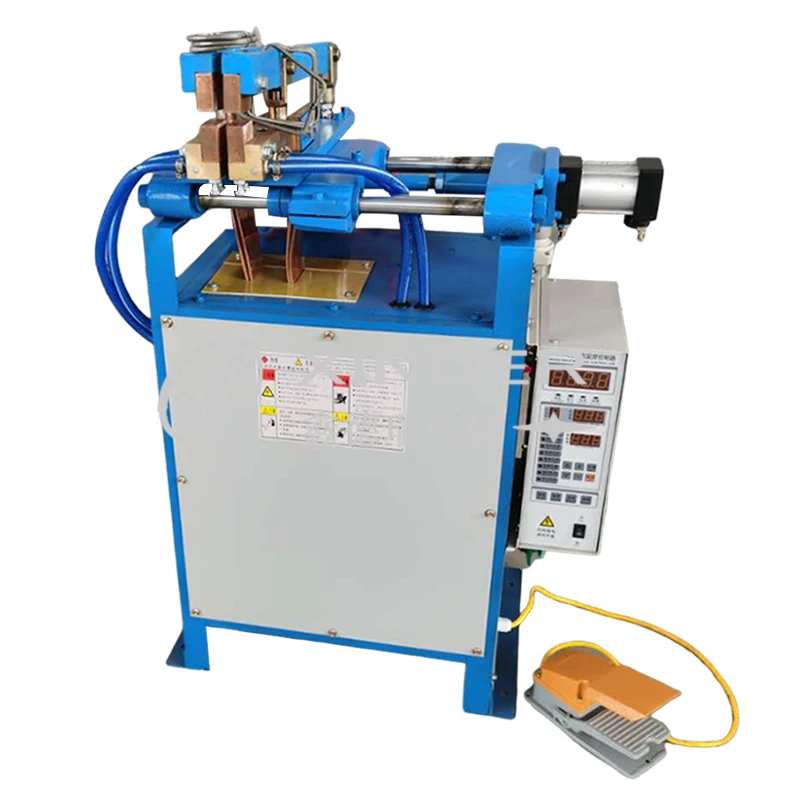 Pneumatic Handle Welding MachineSep . 13, 2024
 -
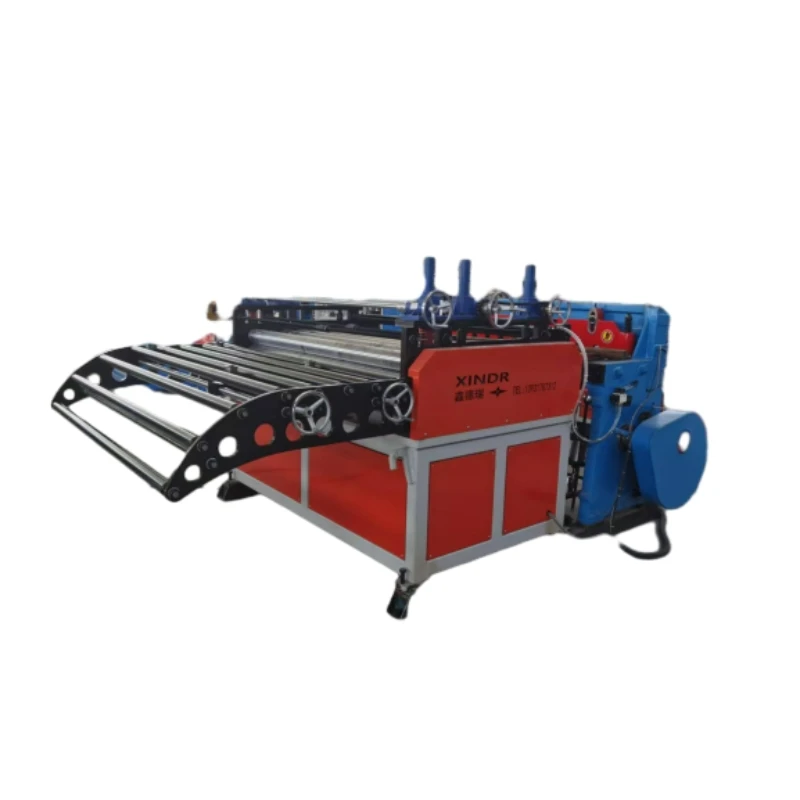 Fully Automatic Kaiping Production LineOct . 17, 2024
 -
 Fully Automatic Metal Bucket Lifting HeadphonesSep . 14, 2024