-
 8613931787312
 -
 Botou Industrial Zone on the east side of National Highway 104, Botou City, Hebei Province


Aluminium Bending Machine: Precision and Innovation in Metal Fabrication
Aluminium Bending Machine: A Critical Tool in Modern Manufacturing
Ever wondered how sleek aluminum parts in airplanes or smartphones get their smooth curves? That’s where the aluminium bending machine steps in—an unsung hero in industrial manufacturing. With aluminium’s growing global usage, understanding this machine means tapping into a world where precision meets productivity. From lightweight structures to sustainable transport, the aluminium bending machine is shaping the future of many sectors.
Introduction: Global Context for Aluminium Bending Machines
Globally, aluminium production has soared, with the International Aluminium Institute reporting over 65 million tonnes produced annually as of 2023. Manufacturing sectors worldwide—from automotive to aerospace—rely heavily on aluminium due to its high strength-to-weight ratio and recyclability. The challenge? Aluminium’s malleability demands specialized equipment to bend it without cracks or deformation. Here lies the urgency of the aluminium bending machine, addressing industrial needs for precision and efficiency.
Industries face escalating demands for lighter, more durable components to meet carbon reduction targets and improve fuel efficiency. The right bending technology helps manufacturers reduce waste and production time, directly influencing competitiveness on a global scale.
Mini takeaway: The aluminium bending machine is critical in harnessing aluminium’s potential while meeting strict industrial and environmental standards.
Definition & Meaning of Aluminium Bending Machine
Simply put, an aluminium bending machine is equipment designed to bend aluminium sheets, tubes, or profiles into defined shapes without compromising their structural integrity. Using techniques such as rotary draw bending, press braking, or roll bending, these machines adapt to the specific characteristics of aluminium, ensuring smooth curves and tight tolerances.
Its role is pivotal in industries requiring precision bending at scale—be it for building facades, aircraft frames, or consumer electronics. Beyond industry, its application extends to humanitarian engineering, like fabricating lightweight housing components for disaster zones where quick, durable shelter is essential.
Mini takeaway: The aluminium bending machine bridges the gap between raw material and finished product, transforming aluminium with delicate control and robust output.
Key Factors or Core Components of Aluminium Bending Machines
1. Durability
A dependable aluminium bending machine is built from heavy-duty materials to withstand repeated stress. Durability ensures minimal downtime and reduced maintenance, critical for high-volume production lines.
2. Precision Control Systems
Modern machines incorporate CNC (Computer Numerical Control) technology for exact bending angles and radius control. This precision translates into better yields and less scrap, saving money and environment alike.
3. Versatility & Scalability
Machines vary in capacity—from lightweight bench-top units for small aluminum profiles to large-scale industrial models accommodating thick sheets. This versatility allows manufacturers to scale operations without switching platforms.
4. Cost Efficiency
By minimizing manual labor and tooling setups, aluminium bending machines reduce operational costs. Energy-efficient models further contribute to lowering the carbon footprint.
5. Safety Features
Given the mechanical forces involved, built-in safety mechanisms prevent accidents and protect operators, which is vital for compliance with international standards like ISO 12100.
6. Automation Integration
Some machines integrate with automated feeding and unloading systems, speeding production and ensuring consistency—an asset in competitive markets.
| Specification | Model A | Model B | Model C |
|---|---|---|---|
| Bending Capacity (mm) | 3 | 6 | 12 |
| Max Bending Radius (mm) | 50 | 100 | 200 |
| Automation Level | Manual | Semi-automatic | Fully automatic |
| Power Consumption (kW) | 2.5 | 4.2 | 7.5 |
Global Applications & Use Cases
The aluminium bending machine finds widespread use in several regions and sectors:
- Automotive manufacturing: Europe and Asia manufacturers use aluminium bending technology to reduce vehicle weights for better fuel efficiency.
- Aerospace industry: With tight precision requirements, the USA and EU rely on bending machines to shape aircraft components.
- Construction: In the Middle East and North America, aluminium bent sheets form facades and roofing elements that are durable yet lightweight.
- Renewables: Aluminum bending helps produce frames and mounts for solar panels, especially in expanding markets like India and China.
- Humanitarian logistics: NGOs utilize aluminium components fabricated by bending machines to build rapid-deployment shelters in disaster zones.
For example, after the 2020 cyclones in Southeast Asia, relief teams expedited shelter assembly by deploying pre-bent aluminium frame panels, significantly reducing setup time.
Mini takeaway: From high-tech industries to emergency housing, aluminium bending machines empower diverse global solutions.
Advantages & Long-Term Value of Aluminium Bending Machines
For manufacturers, adopting aluminium bending machines means tangible benefits:
- Cost Savings: Less waste, fewer manual touchpoints, and faster throughput reduce operational expenses.
- Environmental Impact: Utilizing recyclable aluminum with energy-efficient bends aligns with sustainability goals.
- Safety & Reliability: Automated precision reduces error risks, ensuring safer products and work environments.
- Social Impact: Facilitates construction of safer, lighter transport and affordable housing infrastructures globally.
- Innovation Catalyst: Enables manufacturers to prototype and customize bends quickly, sparking design creativity.
It's more than cost or efficiency; you feel that this technology pushes social progress—offering dignity in shelter and trust in product safety.
Future Trends & Innovations
Frankly, the future looks exciting. Automation is becoming smarter with AI-enhanced control systems predicting material behavior during bends. Hybrid machines combine hydraulic and electric actuators for smoother, quieter operation.
From a sustainability standpoint, reducing carbon footprints is key. Some companies explore integrating renewable energy into machine power supply and recycling aluminum scraps more effectively.
Materials science advances suggest soon we might see new aluminium alloys with improved bendability, opening doors to more complex geometries.
Challenges & Solutions
There are a few challenges, naturally:
- Material Variability: Different aluminium grades respond differently to bending—requiring constant adjustments.
- Machine Cost: High initial investment can deter smaller manufacturers.
- Skilled Operators: Precision bending requires trained technicians, creating a skills gap.
Possible solutions include modular machines with adaptable tooling, leasing options to reduce capital strain, and diagnostic AI to assist operators in real time—a kind of “co-pilot” for bending tasks.
FAQ: Frequently Asked Questions About Aluminium Bending Machines
- What types of aluminium profiles can be bent?
Almost all standard aluminium shapes—sheets, tubes, angles—can be bent, but capacity depends on the machine’s power and tooling. - How precise are bending machines for aluminium?
Modern CNC-controlled machines achieve bending angle accuracy within ±0.5°, ensuring tight tolerances. - Can these machines handle continuous production?
Yes, many industrial models are designed for continuous operation with automated feeding and unloading systems. - Are aluminium bending machines energy efficient?
Many newer models use servo-driven or electric-hydraulic hybrid systems which significantly reduce power consumption versus older hydraulic-only machines. - Is it difficult to operate an aluminium bending machine?
Basic operation can be straightforward, but optimizing bends requires training. Many manufacturers offer training programs or AI-assist software for operators.
Vendor Comparison: Top Aluminium Bending Machines
| Vendor | Automation Level | Max Bending Thickness | Global Support | Price Range (USD) |
|---|---|---|---|---|
| XDR Machinery | Semi to Fully Automated | Up to 15mm | Worldwide | $50,000 - $200,000 |
| BendMaster Corp | Manual to Semi-automated | Up to 10mm | Europe, Asia | $35,000 - $120,000 |
| AluShape Ltd. | Fully Automated | Up to 20mm | North America, Europe | $80,000 - $250,000 |
Conclusion
In a nutshell, the aluminium bending machine is not just another tool; it’s a transformative enabler—from cutting production costs and reducing environmental footprints to inspiring innovation and supporting humanitarian efforts. Whether you’re a large-scale manufacturer or an innovative startup, investing in the right bending technology pays dividends across quality, efficiency, and sustainability.
If you’re curious to explore reliable, advanced aluminium bending machines, I highly recommend visiting XDR Machinery. They offer a wide range of options suited to diverse needs and budgets.
Mini takeaway: Precision, efficiency, and sustainability converge in aluminium bending machines—turning metal into mastery.
References:
-
Guide to Spartan Steel Bending Machine Price and Cost FactorsNewsApr.16,2026
-
Analyzing the Spartan Bending Machine Price and Buyer GuideNewsApr.09,2026
-
Understanding Small Bending Machine Price and Choosing the Right OptionNewsApr.07,2026
-
Comprehensive Guide to Sheet Metal Bending Machine Price and SelectionNewsApr.04,2026
-
Comprehensive Guide to Roofing Sheet Bending Machine Price and SelectionNewsMar.31,2026
-
Comprehensive Guide to Profile Bending Machine Price and SelectionNewsMar.28,2026
-
Comprehensive Guide to Press Bending Machine Price and Purchasing ConsiderationsNewsMar.26,2026
-
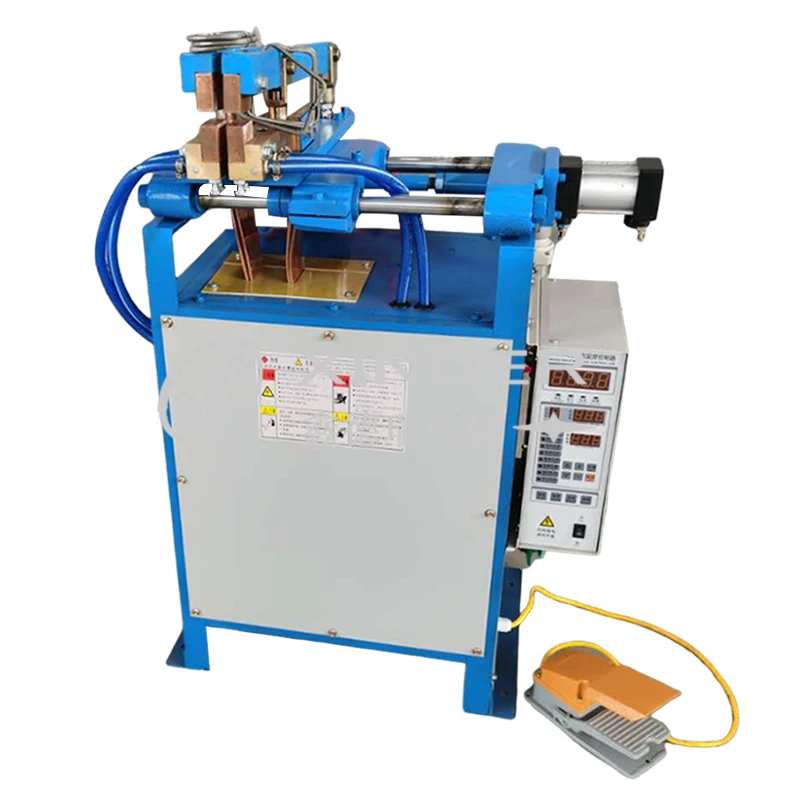 Pneumatic Handle Welding MachineSep . 13, 2024
 -
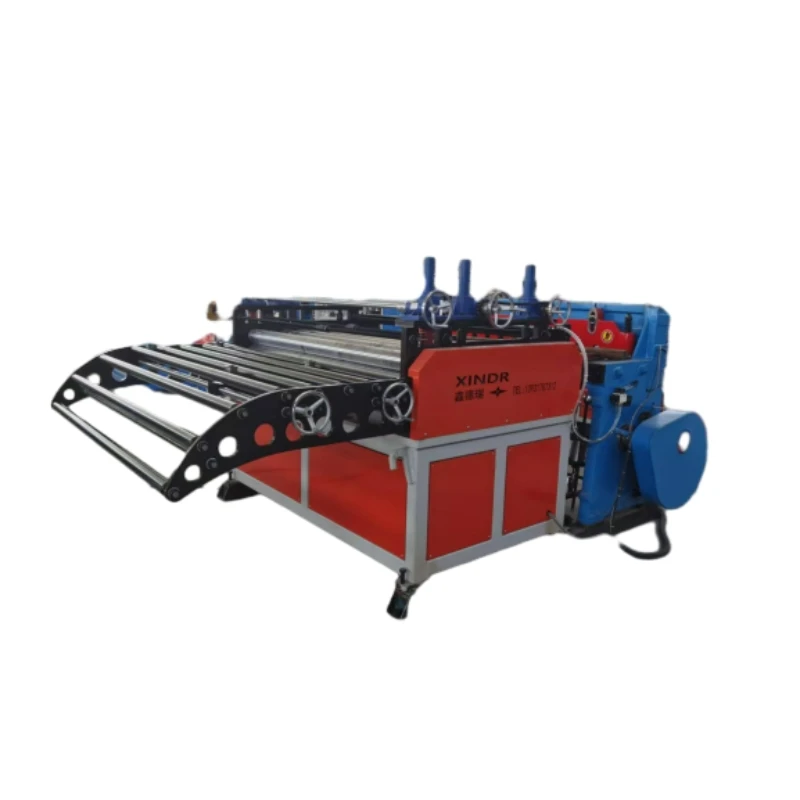 Fully Automatic Kaiping Production LineOct . 17, 2024
 -
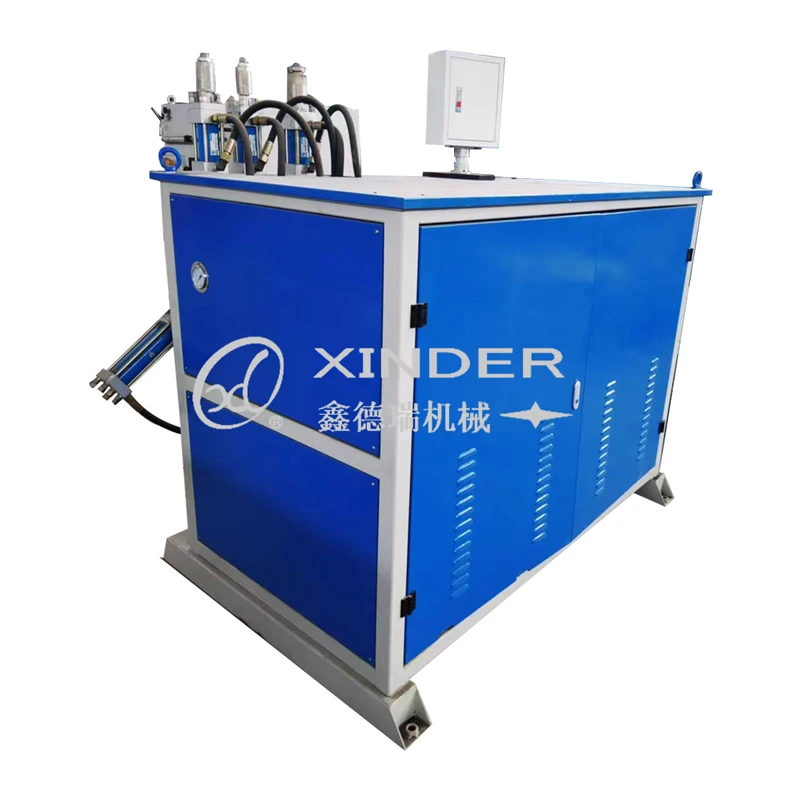 Fully Automatic Metal Bucket Lifting HeadphonesSep . 14, 2024