-
 8613931787312
-
 Botou Industrial Zone on the east side of National Highway 104, Botou City, Hebei Province


210l Stainless Steel Drums: Durable, Safe & Sustainable Containers for Industry
Understanding 210l Stainless Steel Drums: Durable Solutions for Industry and Beyond
When you hear "210l stainless steel drums," you’re probably imagining large, tough containers used somewhere in industry—but their importance goes deeper and wider than you might expect. Globally, they’re part of the backbone in safe storage and transport of liquids and materials, especially when corrosion resistance and strength matter. Whether in manufacturing, food-grade industries, or disaster relief supplies, knowing about these drums is surprisingly valuable.
Introduction: Why 210l Stainless Steel Drums Matter Worldwide
Across the globe, the need for reliable storage solutions never really goes away. According to the International Organization for Standardization (ISO), stainless steel containers like the 210-liter drums are booming in sectors ranging from chemical processing to pharmaceutical transport because of their durability and safety features. Oddly enough, despite the rise of plastics, these drums find renewed relevance given sustainability concerns and rising regulations about container safety.
One challenge they help address is preventing contamination and leakage during long-haul shipping or storage in harsh environments. This problem is especially acute in remote industrial zones or disaster-affected areas where resources are limited and safety standards must remain high.
What Are 210l Stainless Steel Drums?
Simply put, a 210l stainless steel drum is a cylindrical container with a capacity of 210 liters, constructed primarily from stainless steel—usually grades like 304 or 316 for their corrosion resistance. These drums are designed to store and transport liquids or solids securely without leaking, rusting, or reacting with the contents.
In modern industry, these drums are crucial for handling everything from edible oils and pharmaceuticals to hazardous chemicals, ensuring product integrity while facilitating logistics. Humanitarian organizations often rely on similar drums for safely transporting clean water or medical supplies in areas prone to disasters.
Key Factors of 210l Stainless Steel Drums
1. Durability
One of the most talked-about benefits is their incredible resistance to corrosion, wear, and extreme temperatures. Stainless steel drums can last decades with minimal maintenance, even in salty or acidic environments—a key reason why they’re preferred over aluminum or regular steel drums in many industries.
2. Scalability
Manufacturers can produce these drums in large volumes and customize them with different finishes, closures, or liners. This flexibility makes them adaptable for everything from small boutique distilleries to massive chemical plants.
3. Cost Efficiency Over Time
While the upfront cost is higher than plastic or fiber drums, the lifecycle cost proves lower—thanks to longevity, reusability, and reduced contamination risk.
4. Safety & Compliance
Most 210l stainless steel drums meet strict safety and sanitary codes (FDA, UN-approved for hazardous materials, etc.), which makes them essential where regulatory compliance is non-negotiable.
5. Environmental Sustainability
Stainless steel is 100% recyclable and doesn’t leach harmful chemicals. This makes these drums attractive amid growing eco-consciousness and tightening environmental policies worldwide.
210l Stainless Steel Drums: Global Applications & Use Cases
- Chemical Industry: Safely containing corrosive or volatile chemicals during transport.
- Food & Beverage: Food-grade drums storing oils, syrups, or bulk ingredients without contamination risk.
- Pharmaceuticals: Secure shipping of raw materials and finished liquids under sterile conditions.
- Disaster Relief: In post-disaster zones, these drums store potable water or emergency medical liquids, ensuring safety where infrastructure is damaged.
- Remote Industrial Zones: Tough enough to withstand rough handling and extreme weather, making them indispensable for mining or oil fields.
For example, in Southeast Asia’s flood-prone areas, NGOs often transport clean water in these drums, relying on their robustness and safety to prevent disease outbreaks.
Advantages & Long-Term Value of 210l Stainless Steel Drums
Think about the peace of mind that comes with knowing your product is housed securely and safely. The reduced risk of contamination translates into fewer losses and recalls—saving companies money and their reputation.
Moreover, the emotional reassurance for operators—knowing the drums won’t rupture dangerously under pressure or temperature changes—is something you can’t easily quantify. It shows up as trust, reliability, and confidence in supply chains.
| Specification | Details |
|---|---|
| Capacity | 210 liters (55 gallons) |
| Material | Stainless Steel (Grades 304, 316) |
| Diameter | Approx. 57 cm (22.5 in) |
| Height | Approx. 88 cm (34.6 in) |
| Closure types | Open head, tight head, lever lock ring |
| Weight | ~17-20 kg (varies by design) |
Future Trends & Innovations
The future of 210l stainless steel drums is intriguing. As sustainability drives decisions, manufacturers are experimenting with even lighter alloys while maintaining strength, reducing energy used in production. Some innovations include smart sensor integration to monitor temperature, pressure, or tampering—a nod toward digital transformation in logistics.
Automated cleaning systems for reusable stainless steel drums are gaining traction, boosting turnaround speed and hygiene, especially in pharmaceutical and food sectors.
Common Challenges & How Experts Address Them
Despite many positives, stainless steel drums aren’t perfect. Their upfront cost and weight can be a hurdle—heavy drums increase transport fuel consumption and handling effort. However, upgrading manual handling equipment and optimizing packaging can reduce these issues.
Another concern is surface damage which might reduce corrosion resistance; manufacturers counteract this by applying food-grade passivation and offering warranties covering mechanical and chemical resistance.
| Vendor | Price Range (USD) | Material Grade | Customization Options | Delivery Time |
|---|---|---|---|---|
| SteelCo Drums | $250 - $350 | 304 / 316 | Color, lids, liners | 3-5 weeks |
| Global Container Solutions | $280 - $390 | 316 | Custom sizes, smart sensors | 4-6 weeks |
| EcoSteel Drums | $230 - $340 | 304 | Recycled steel, biodegradable liners | 2-4 weeks |
FAQs About 210l Stainless Steel Drums
- What makes 210l stainless steel drums better than plastic drums?
Because stainless steel resists corrosion and physical damage far better, these drums reduce contamination risks and have longer lifespans. They’re also recyclable and hold up in extreme environments, unlike most plastics which degrade and cannot safely contain some chemicals. - Can these drums be reused safely for food or pharma?
Absolutely. With proper cleaning and passivation, stainless steel drums are ideal for food and pharma since they don’t harbor bacteria or react with contents. Their smooth surfaces and tight seals ensure sanitary use across many cycles. - How does weight affect shipping costs for 210l stainless steel drums?
The steel construction makes them heavier than plastic equivalents, which can increase freight costs slightly. However, their durability and reusability often offset these costs over time, making them economical in lifecycle analyses. - Are there environmentally friendly options within stainless steel drums?
Yes, some vendors offer drums made with recycled stainless steel or incorporate biodegradable liners. Additionally, the recyclable nature of steel and long lifespan contributes positively to sustainability goals. - How can I source 210l stainless steel drums internationally?
Many suppliers specialize in export-ready drums compliant with UN and ISO standards. Partnering with reputable vendors that handle customs clearance and shipping logistics—like the companies listed above—simplifies the import process.
Conclusion
210l stainless steel drums stand as a resilient, sustainable, and versatile solution for many industrial and humanitarian needs. Their durability, safety, and environmental benefits contribute to safer supply chains and reduced waste. If you're looking to upgrade your container solutions or require trusted designs, consider exploring more at 210l stainless steel drums. It's worth investing in long-term reliability and sustainability.
Mini takeaway: Choosing durable, compliant 210-liter stainless steel drums can transform your storage and transport challenges into streamlined, safe, and eco-friendly operations.
References:
-
Precision Engineering with 3 roll plate bending machine GuideNewsJul.01,2026
-
Precision Engineering and Efficiency with Automatic Conduit BenderNewsJun.29,2026
-
Professional Pipe and Tube Bender for High Precision FabricationNewsJun.27,2026
-
Precision Engineering Guide for the Automated Tube BenderNewsJun.26,2026
-
High Performance Metal Roof Panel Bender for Precision FabricationNewsJun.25,2026
-
Professional PVC Pipe Welding Machine Guide for Industrial UseNewsJun.23,2026
-
Professional Industrial Welding Pipe Machine Selection GuideNewsJun.21,2026
-
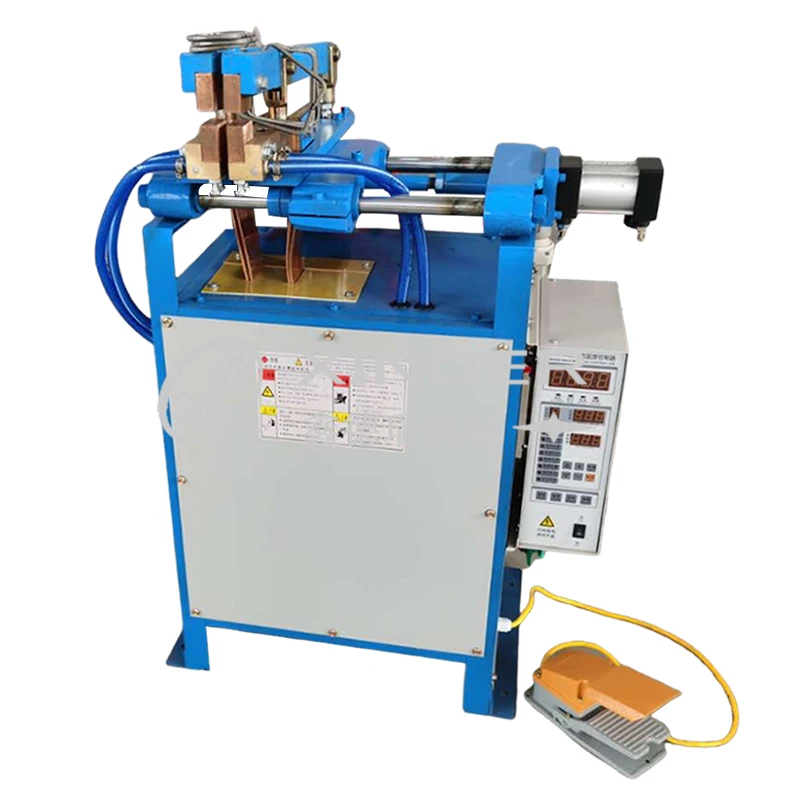 Pneumatic Handle Welding MachineSep . 13, 2024
-
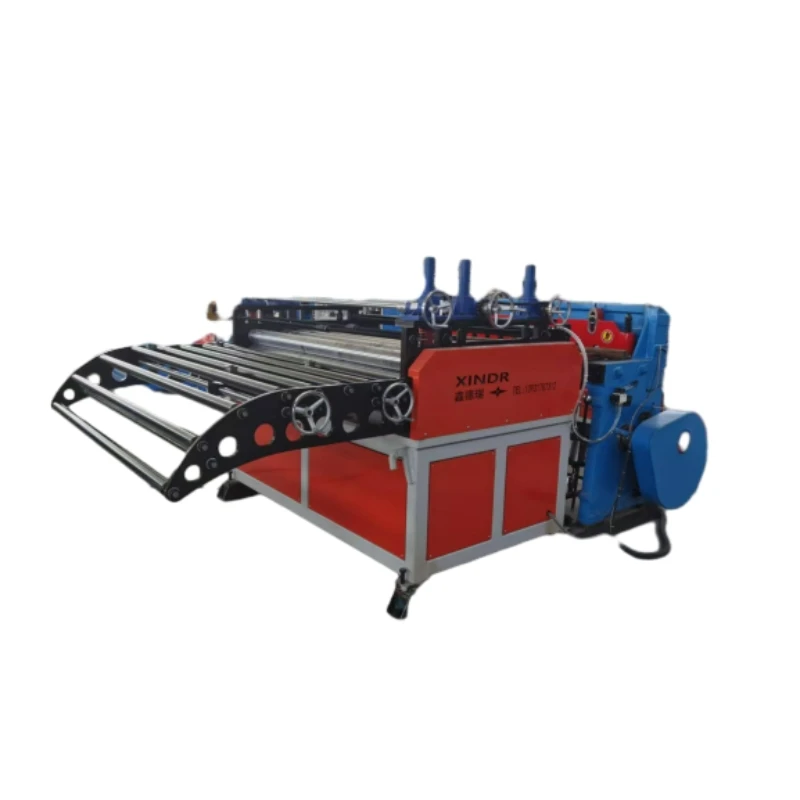 Fully Automatic Kaiping Production LineOct . 17, 2024
-
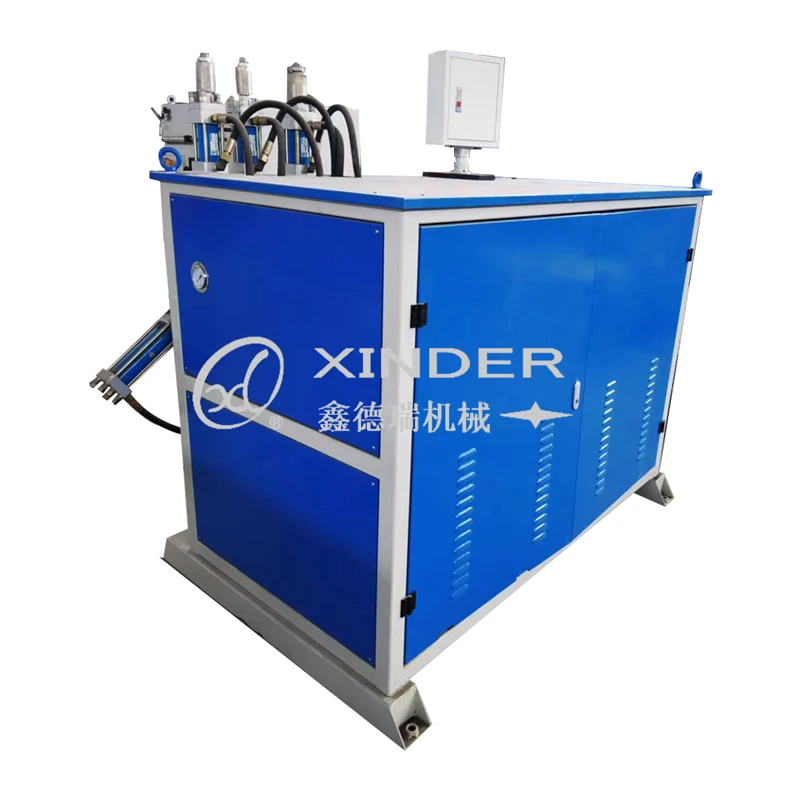 Fully Automatic Metal Bucket Lifting HeadphonesSep . 14, 2024