-
 8613931787312
 -
 Botou Industrial Zone on the east side of National Highway 104, Botou City, Hebei Province


Comprehensive Guide to Manual Bending Machine Price and Selection
Understanding Manual Bending Machine Price
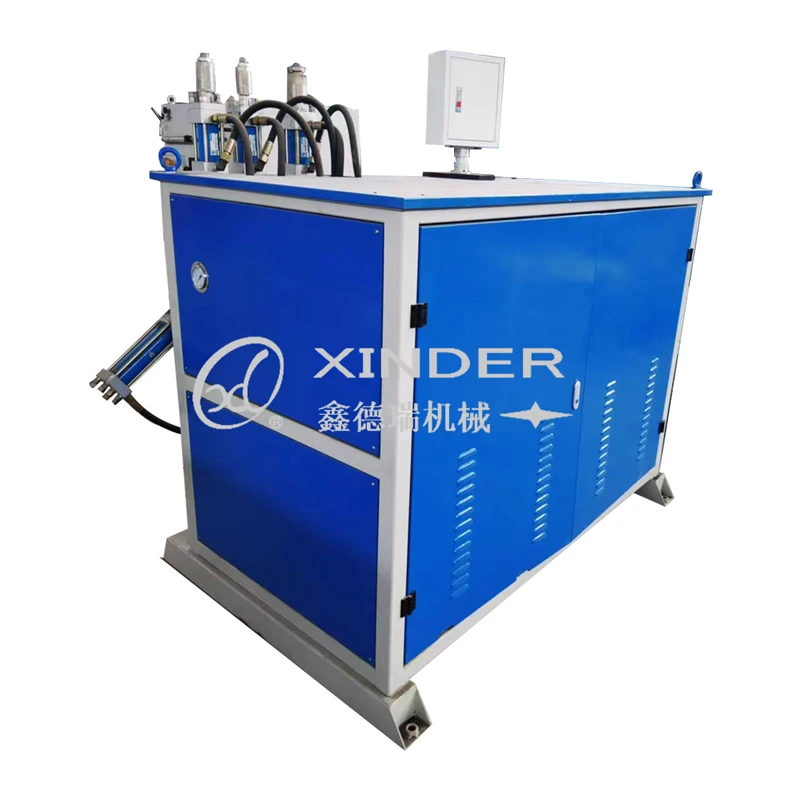
When considering metal fabrication, a manual bending machine offers a cost-effective solution for various projects. Understanding the factors influencing manual bending machine price is crucial for making an informed investment. This article will explore those factors, discuss different types, and provide a general price range to help you navigate the market. A manual bending machine is a versatile tool for creating precise bends in metal sheets and bars, used across industries like automotive, construction, and DIY workshops.
Factors Influencing Manual Bending Machine Price
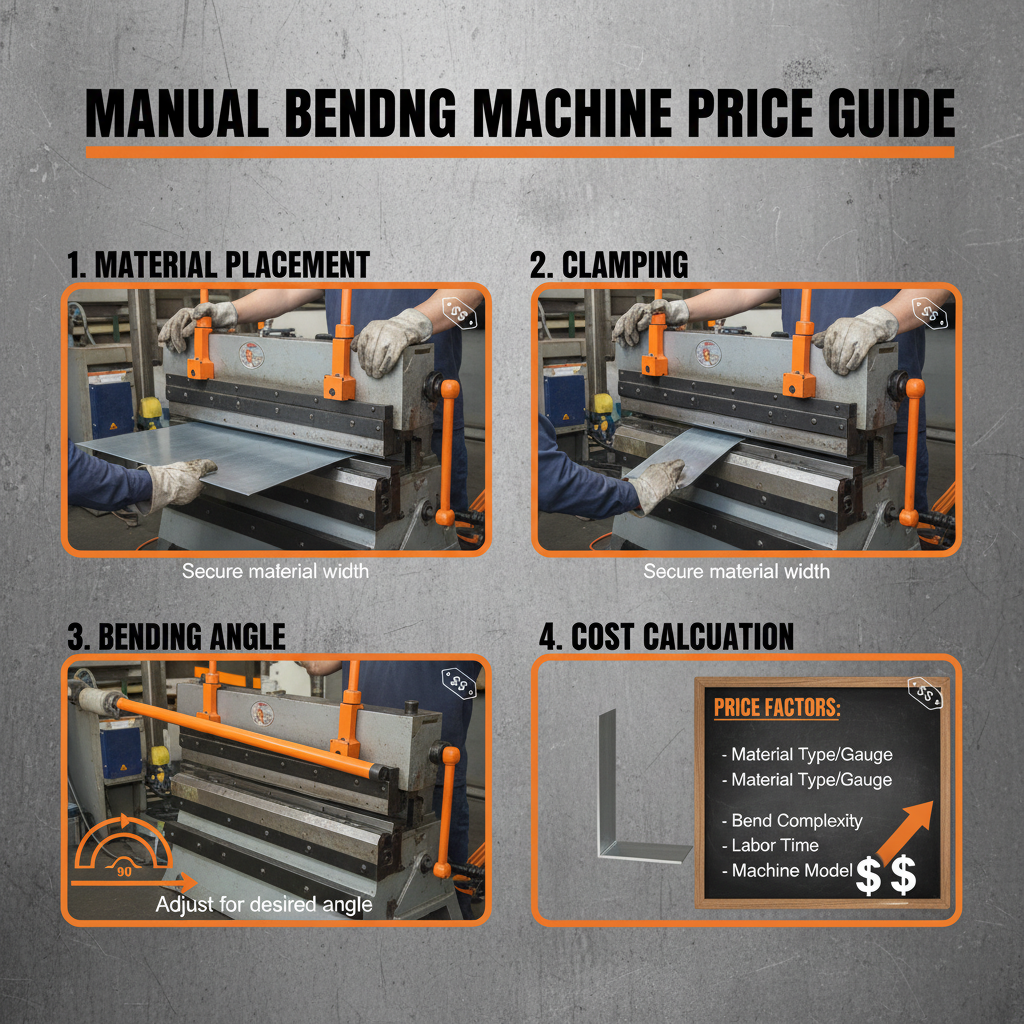
Several key elements determine the manual bending machine price. These include the machine's capacity (thickness and length of metal it can bend), its build quality (materials used and manufacturing precision), the level of automation (although 'manual' implies limited automation, some features can add cost), and the brand reputation. Larger capacity machines, built with robust steel and featuring precise bending angles, naturally command higher prices. Furthermore, machines equipped with features like quick-release mechanisms or multiple die sets will also be more expensive. Finally, the supplier's location and shipping costs also contribute to the overall price.
Key Highlights: The machine's capacity, build quality, brand reputation and supplier location significantly impact price.
Types of Manual Bending Machines and Their Price Ranges
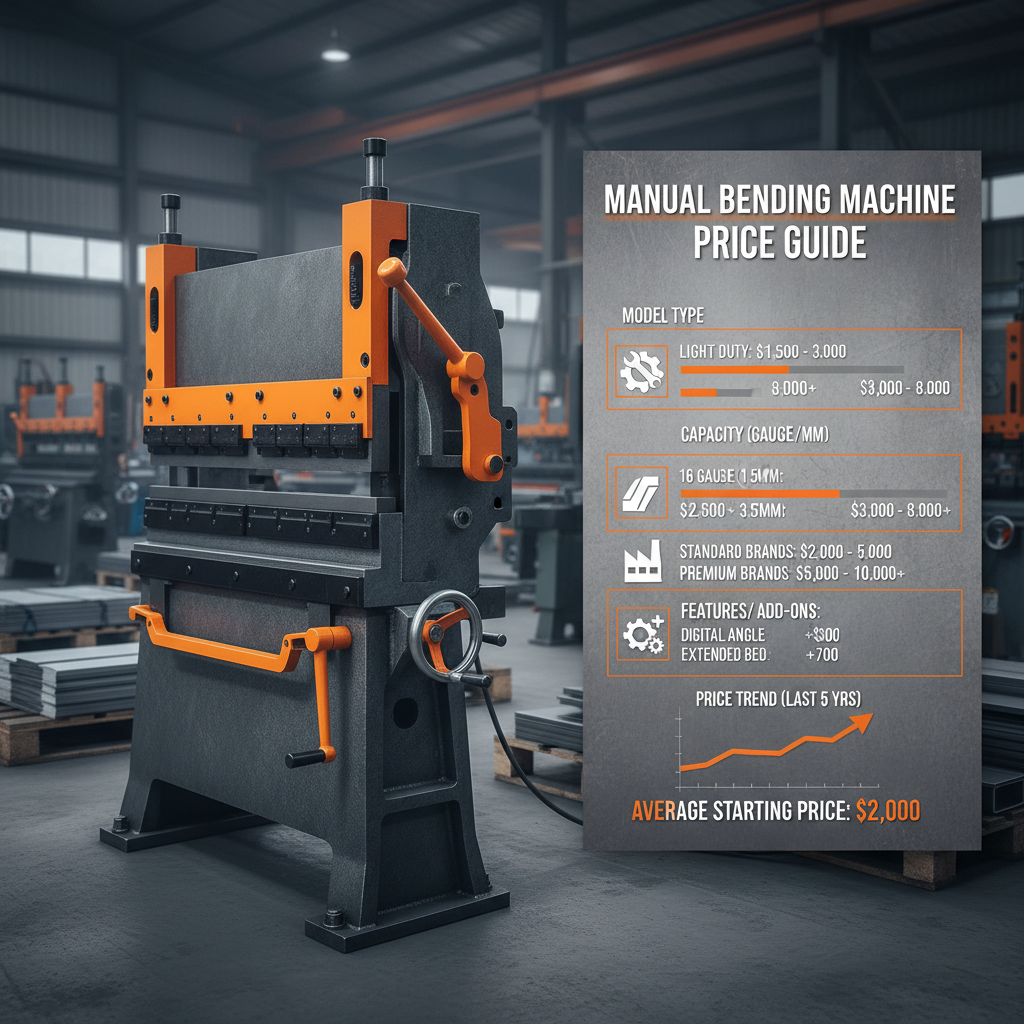
Different types of manual bending machines cater to specific needs and budgets. A simple sheet metal bending machine, suitable for hobbyists and small workshops, can range from $300 to $800. More robust models, capable of bending thicker gauge metal, typically fall between $800 and $2,000. Heavy-duty manual bending machines, designed for professional use and capable of handling larger projects, can cost upwards of $2,000, reaching even $5,000 or more depending on the specifications. Consider your specific application and material types when selecting the appropriate machine.
Manual Bending Machine Types & Price Ranges:
• Simple Sheet Metal Bender: $300 - $800
• Robust Models (Thicker Gauge): $800 - $2,000
• Heavy-Duty Professional Grade: $2,000 +
Manual Bending Machine Price Comparison: Key Features
When comparing manual bending machine prices, focus on features. Machines with adjustable bending angles, multiple die sets, and durable construction offer greater value. Consider the maximum bending length and thickness the machine can handle. Also, check for features like quick-release mechanisms for faster die changes. Finally, look for machines with a solid reputation for reliability and customer support. A slightly higher initial investment in a quality machine can save you money in the long run by reducing maintenance costs and downtime.
Where to Buy and What to Look for in a Supplier
Purchasing from a reputable supplier is essential. XDR Machinery offers a range of manual bending machines at competitive prices, backed by excellent customer service. When choosing a supplier, consider factors like warranty offerings, availability of spare parts, and technical support. Reading online reviews and requesting quotes from multiple vendors can help you secure the best deal. Ensure the supplier provides clear specifications and accurate product information.
Conclusion: Choosing the Right Manual Bending Machine
Determining the right manual bending machine price requires careful consideration of your needs, budget, and the features offered. By understanding the factors influencing price and comparing different models, you can make an informed investment that will enhance your metal fabrication capabilities. Choosing a reliable supplier like XDR Machinery guarantees quality and support.
Frequently Asked Questions (FAQs)
What materials can a manual bending machine handle?
Most manual bending machines are designed to handle mild steel, aluminum, and stainless steel up to a certain thickness (determined by the machine's capacity). It's crucial to check the manufacturer's specifications to ensure the machine can handle the specific material you intend to use. Some machines may struggle with harder metals like high-carbon steel without specialized dies. The thickness of the material is the primary limitation; attempting to bend material exceeding the machine's capacity can cause damage to the machine and the material itself. Always consult the manual and use appropriate safety precautions.
Is a manual bending machine suitable for large-scale production?
While a manual bending machine can be used for small to medium-scale production, it's generally not ideal for large-scale, high-volume projects. Manual bending requires significant physical effort and time, making it less efficient than automated bending machines. For high-volume production, an automated bending machine, such as a CNC bending machine, would be a more cost-effective and efficient solution. However, for prototyping, small batches, or custom fabrication, a manual bending machine offers a flexible and affordable option.
What maintenance is required for a manual bending machine?
Regular maintenance is essential to ensure the longevity and optimal performance of your manual bending machine. This includes lubricating moving parts, cleaning the machine after each use, and inspecting for signs of wear and tear. Check the bending dies regularly for damage and replace them as needed. Tighten any loose bolts or screws. Proper storage in a clean, dry environment will also help prevent rust and corrosion. Refer to the manufacturer's manual for specific maintenance recommendations.
-
Guide to Spartan Steel Bending Machine Price and Cost FactorsNewsApr.16,2026
-
Analyzing the Spartan Bending Machine Price and Buyer GuideNewsApr.09,2026
-
Understanding Small Bending Machine Price and Choosing the Right OptionNewsApr.07,2026
-
Comprehensive Guide to Sheet Metal Bending Machine Price and SelectionNewsApr.04,2026
-
Comprehensive Guide to Roofing Sheet Bending Machine Price and SelectionNewsMar.31,2026
-
Comprehensive Guide to Profile Bending Machine Price and SelectionNewsMar.28,2026
-
Comprehensive Guide to Press Bending Machine Price and Purchasing ConsiderationsNewsMar.26,2026
-
 Pneumatic Handle Welding MachineSep . 13, 2024
 -
 Fully Automatic Kaiping Production LineOct . 17, 2024
 -
 Fully Automatic Metal Bucket Lifting HeadphonesSep . 14, 2024