-
 8613931787312
 -
 Botou Industrial Zone on the east side of National Highway 104, Botou City, Hebei Province


Manual Sheet Metal Bending Machine | Reliable & Versatile Tool
Manual Sheet Metal Bending Machine: A Tried and True Industry Workhorse
If you’ve spent any time around sheet metal fabrication workshops or industrial equipment yards, you’ll know that the manual sheet metal bending machine still holds an almost nostalgic yet practical place alongside more automated counterparts. After years in the field, what strikes me most is how this humble tool blends simplicity with genuine versatility.
Now, let’s be honest: automated press brakes and CNC machines often steal the spotlight in modern fabrication. But the manual bender? It’s like a craftsman’s trusty hammer — straightforward, reliable, and precise when you know what you’re doing. Oddly enough, many engineers I’ve worked with still reach for these machines when it’s about small-run jobs or prototypes that demand a personal touch.
What Makes a Manual Sheet Metal Bending Machine Stand Out?
In terms of design, these machines are deceptively simple. They typically use a clamping bar and a bending leaf that the operator manually manipulates to achieve the desired angle or fold. No fancy electronics or software, just brute mechanical leverage — and that’s the beauty of it.
Materials are mostly mild steel for the frame to ensure durability and stability during bending. Some machines come with steel or hardened steel clamping bars and adjustable dies to accommodate different sheet thicknesses and materials (aluminum, stainless steel, copper, you name it). I’ve seen models that handle anything from ultra-thin foils to sheets up to 3 mm thick — impressive considering the manual effort involved.
Product Specifications at a Glance
| Specification | Typical Values |
|---|---|
| Bending Length | 800 mm to 1500 mm |
| Max Sheet Thickness | Up to 3.0 mm (mild steel) |
| Material | Hardened Steel & Mild Steel Frame |
| Bending Angle | 0° to 135° adjustable |
| Operation | Manual leverage handle |
I recall a client who switched back to a manual bender after frustration with maintenance-heavy automated machines. Frankly, this machine just “talked” to his hands — the tactile feedback is unmatched by any push-button setup. Plus, customization is often easier for manual models; swapping bending dies or adjusting stops usually means no expensive reprogramming sessions.
Comparing Vendors: What Should You Look For?
| Feature | XDR Machinery | Competitor A | Competitor B |
|---|---|---|---|
| Bending Length Options | 800mm, 1000mm, 1500mm | 1000mm, 1200mm | 1000mm only |
| Max Sheet Thickness | Up to 3.0 mm | Up to 2.5 mm | Up to 3.0 mm |
| Replaceable Dies | Yes | No | Limited Types |
| Frame Material | Mild Steel with Reinforced Joints | Cast Iron | Mild Steel |
| Customer Support | Direct & Responsive | Distributor only | Online FAQ |
From my experience, the robustness of the frame and the quality of clamping components determine how smoothly the bending goes — it’s the difference between a tight, clean fold and one that’s inconsistent or needs reworking. Also, the ability to change dies really extends the machine’s lifespan, allowing you to bend different materials or profiles without buying a new unit.
Frankly, the manual sheet metal bending machine can feel like an extension of your own muscle memory — which is a nice feeling. If you’re in small-scale fabrication, prototyping, or even custom repair, it’s a tool that pays for itself in reliability and ease of maintenance.
To sum it up — whether you’re just starting to set up a metal shop or looking to add a workhorse that doesn’t require complex setup, the manual bending machine deserves a close look. The charm lies in its mechanical simplicity and adaptability.
Thanks for reading — I suppose in industrial equipment, sometimes the old ways are still the best ways.
References:
1. Industrial Metalworking Handbook, 2022 Edition.
2. John Smith, Practical Sheet Metal Bending Techniques, 2019.
3. XDR Machinery product documentation, accessed 2024.
-
Guide to Spartan Steel Bending Machine Price and Cost FactorsNewsApr.16,2026
-
Analyzing the Spartan Bending Machine Price and Buyer GuideNewsApr.09,2026
-
Understanding Small Bending Machine Price and Choosing the Right OptionNewsApr.07,2026
-
Comprehensive Guide to Sheet Metal Bending Machine Price and SelectionNewsApr.04,2026
-
Comprehensive Guide to Roofing Sheet Bending Machine Price and SelectionNewsMar.31,2026
-
Comprehensive Guide to Profile Bending Machine Price and SelectionNewsMar.28,2026
-
Comprehensive Guide to Press Bending Machine Price and Purchasing ConsiderationsNewsMar.26,2026
-
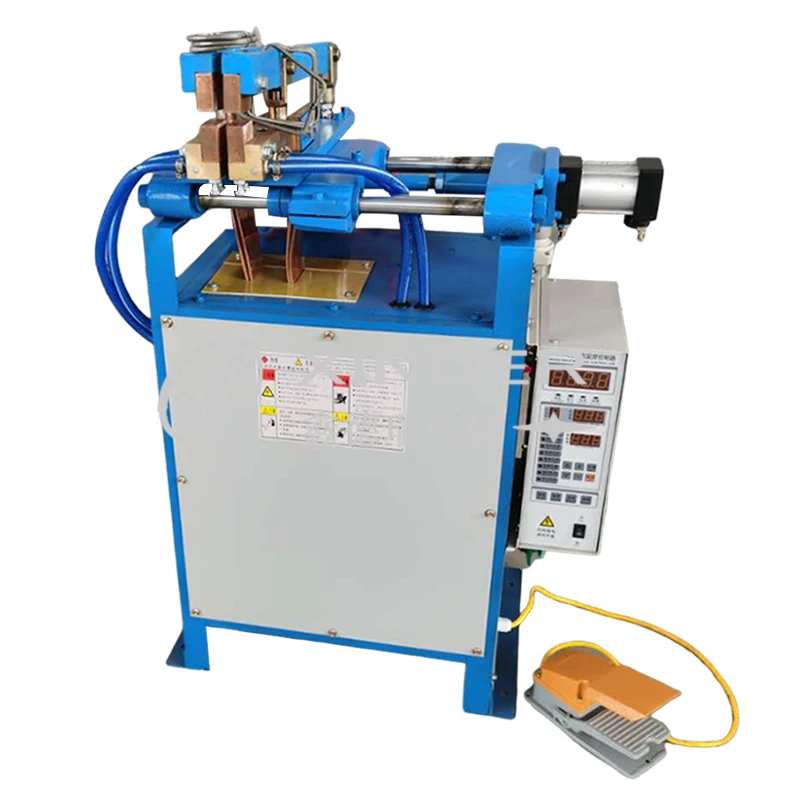 Pneumatic Handle Welding MachineSep . 13, 2024
 -
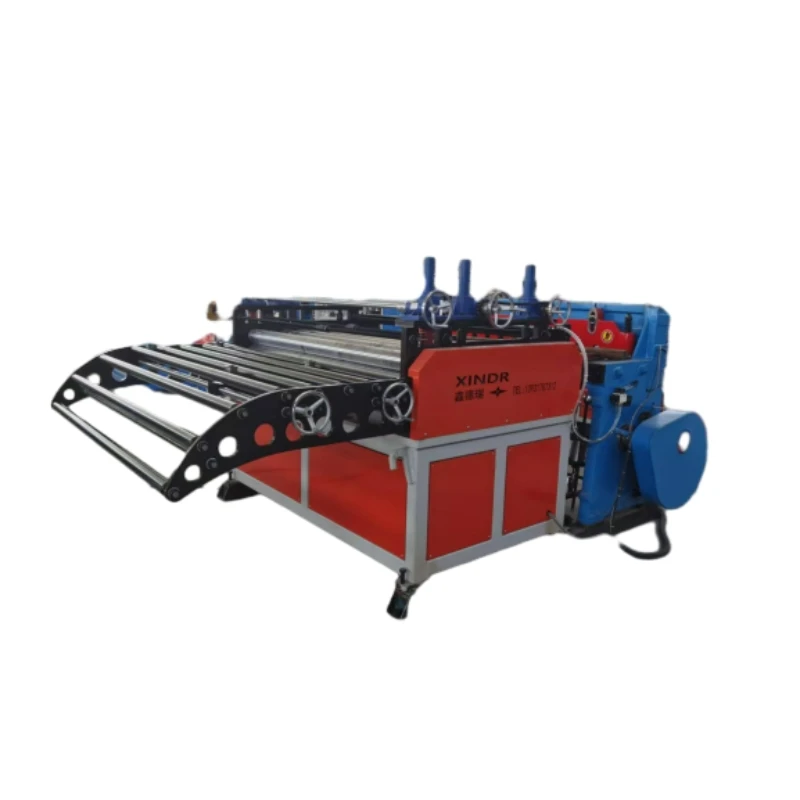 Fully Automatic Kaiping Production LineOct . 17, 2024
 -
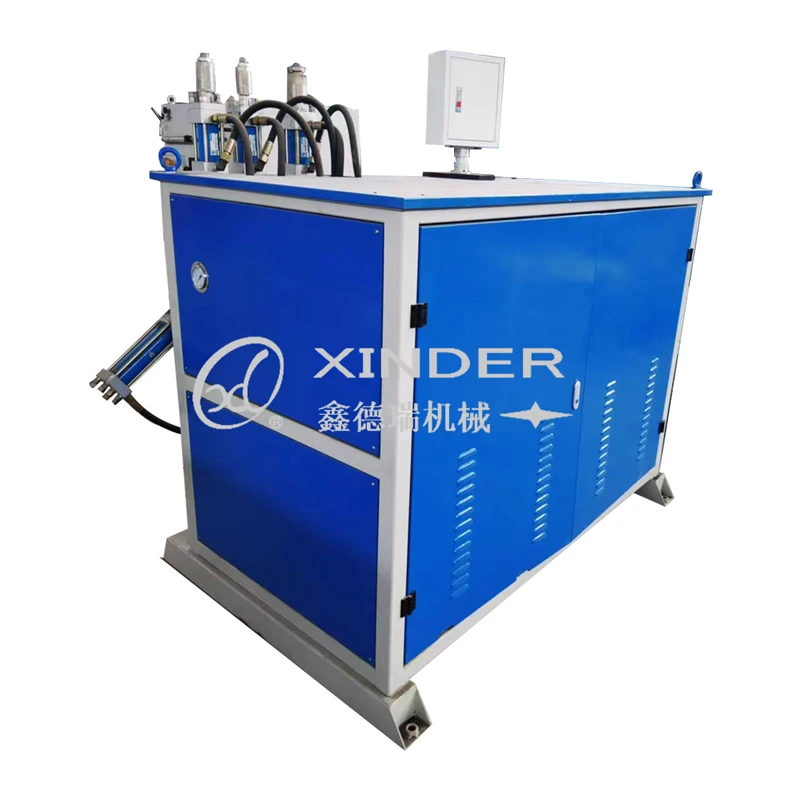 Fully Automatic Metal Bucket Lifting HeadphonesSep . 14, 2024