-
 8613931787312
 -
 Botou Industrial Zone on the east side of National Highway 104, Botou City, Hebei Province


High-Performance Automatic Seam Welding Machine for Precision Industrial Applications
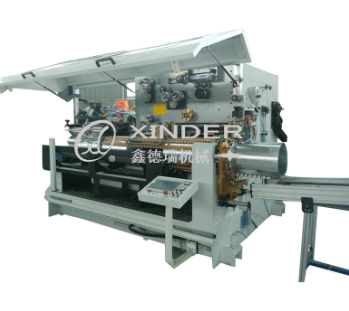
In modern metal fabrication and manufacturing, the automatic seam welding machine has become a cornerstone of efficient and high-quality production. Designed to deliver continuous, uniform welds across various materials and thicknesses, it ensures structural integrity, leak-proof seams, and aesthetically smooth finishes. Whether used in barrel production, pipe welding, or sheet metal assembly, an automatic seam welder enhances precision, consistency, and productivity. Its automation reduces labor intensity, minimizes human error, and guarantees repeatable results, making it an indispensable tool for industries demanding accuracy and efficiency.
Superior Welding Technology for Consistent Results
The automatic seam welding machine is engineered to achieve precise and continuous welds on metal sheets, cylinders, and other components requiring longitudinal or circumferential joints. Using technologies such as TIG, MIG, or resistance welding, these machines maintain stable parameters throughout the process to produce smooth, defect-free seams. The automated system controls welding speed, current, and pressure with remarkable accuracy, resulting in uniform penetration and consistent weld quality. In applications such as barrel manufacturing, the seam welder ensures the joints between metal sheets are completely sealed and visually clean. The precise coordination between the electrode pressure and welding current prevents defects such as cracks, porosity, or spatter, making the final product durable and aesthetically refined.
Efficiency and Automation in Industrial Production
One of the defining advantages of the automatic seam welder is its ability to drastically improve productivity and operational efficiency. Traditional manual welding methods require highly skilled labor and substantial time to maintain consistency across multiple welds. In contrast, automatic seam welding machines streamline the process through programmable control systems that handle continuous welding without interruption. This automation significantly reduces labor costs while ensuring high output rates. Many machines feature dual-head or multi-station configurations, enabling simultaneous internal and external seam welding. For example, in a barrel production line, the automatic seam welding machine can weld both the inner and outer seams of a cylindrical component in one setup, ensuring tight sealing and a uniform finish while cutting production time in half.
Precision Engineering and Durability
Built for heavy-duty industrial use, the automatic seam welding machine combines robust construction with precision-engineered components. It typically employs copper wire or roller electrodes as the welding medium, preventing damage to galvanized coatings or sensitive surfaces during the welding process. The use of copper electrodes ensures excellent conductivity and thermal stability, resulting in reliable welding performance even under high workloads. The mechanical design incorporates adjustable clamping systems and positioning fixtures that accommodate different workpiece diameters and lengths, allowing flexibility across multiple production requirements. In addition, these machines are equipped with advanced cooling systems and protective mechanisms to prevent overheating, thereby extending their operational life and ensuring consistent performance in high-demand environments.
Applications Across Industries
The automatic seam welder is widely used across various sectors, including shipbuilding, automotive manufacturing, pressure vessel production, and metal barrel fabrication. In shipbuilding, it’s utilized for welding steel pipes and structural components that require long, continuous welds. In the automotive industry, it ensures the integrity of fuel tanks, mufflers, and exhaust systems. For the metal packaging industry, especially in barrel and can manufacturing, the automatic seam welding machine is a core component for welding cylindrical bodies, ensuring airtight and watertight seams. Its adaptability to different materials—such as stainless steel, galvanized steel, and cold-rolled sheet—makes it ideal for diverse production environments. Moreover, industries that demand precision and durability in welded components rely on these machines to ensure long-term reliability and high-quality performance.
Automatic Seam Welding Machine FAQs
What is an automatic seam welding machine used for?
An automatic seam welding machine is used to join metal sheets, pipes, or cylinders with continuous, leak-proof welds. It’s commonly employed in industries such as barrel making, automotive, shipbuilding, and pressure vessel manufacturing where precise and durable seams are required.
How does an automatic seam welder differ from manual welding?
Unlike manual welding, which relies on operator skill and consistency, an automatic seam welder performs continuous welds through pre-programmed control systems. This automation ensures uniform weld penetration, reduces defects, and significantly boosts production efficiency.
Can an automatic seam welding machine handle different materials?
Yes. The automatic seam welding machine can work with a wide range of materials including stainless steel, galvanized steel, aluminum, and cold-rolled sheet. Its adjustable parameters allow it to accommodate different thicknesses and material properties.
What are the benefits of using an automatic seam welder in production?
The automatic seam welder improves productivity, reduces labor costs, and ensures consistent weld quality. It provides high-speed, stable operation with minimal distortion, making it ideal for high-volume industrial applications.
How does the machine ensure welding quality and reliability?
The automatic seam welding machine maintains precise control over welding parameters such as speed, current, and pressure. Combined with the use of copper electrodes and advanced cooling systems, it produces smooth, strong, and uniform seams with minimal defects or overheating issues.
-
Guide to Spartan Steel Bending Machine Price and Cost FactorsNewsApr.16,2026
-
Analyzing the Spartan Bending Machine Price and Buyer GuideNewsApr.09,2026
-
Understanding Small Bending Machine Price and Choosing the Right OptionNewsApr.07,2026
-
Comprehensive Guide to Sheet Metal Bending Machine Price and SelectionNewsApr.04,2026
-
Comprehensive Guide to Roofing Sheet Bending Machine Price and SelectionNewsMar.31,2026
-
Comprehensive Guide to Profile Bending Machine Price and SelectionNewsMar.28,2026
-
Comprehensive Guide to Press Bending Machine Price and Purchasing ConsiderationsNewsMar.26,2026
-
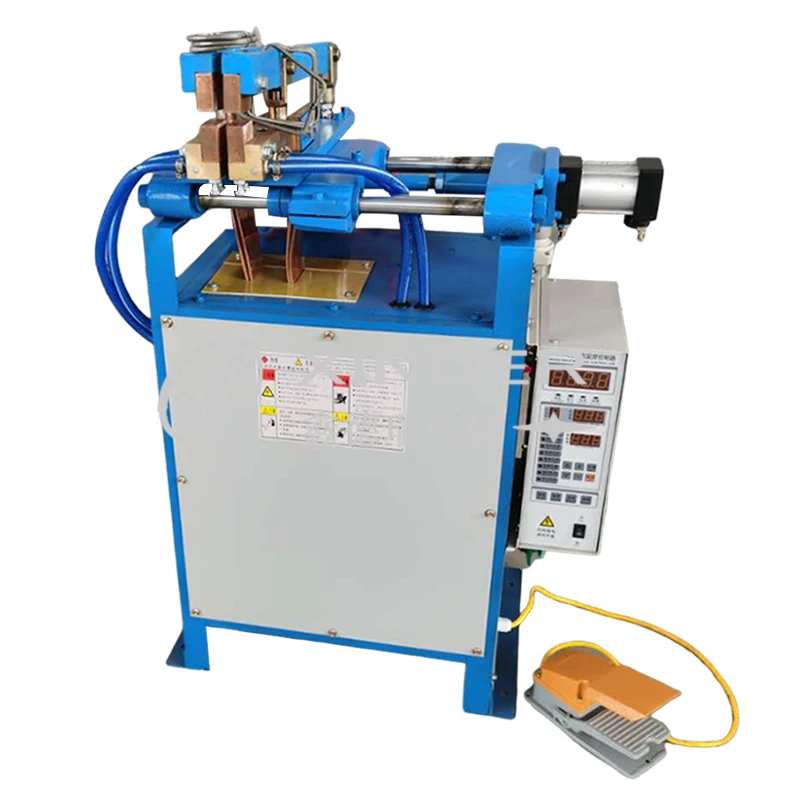 Pneumatic Handle Welding MachineSep . 13, 2024
 -
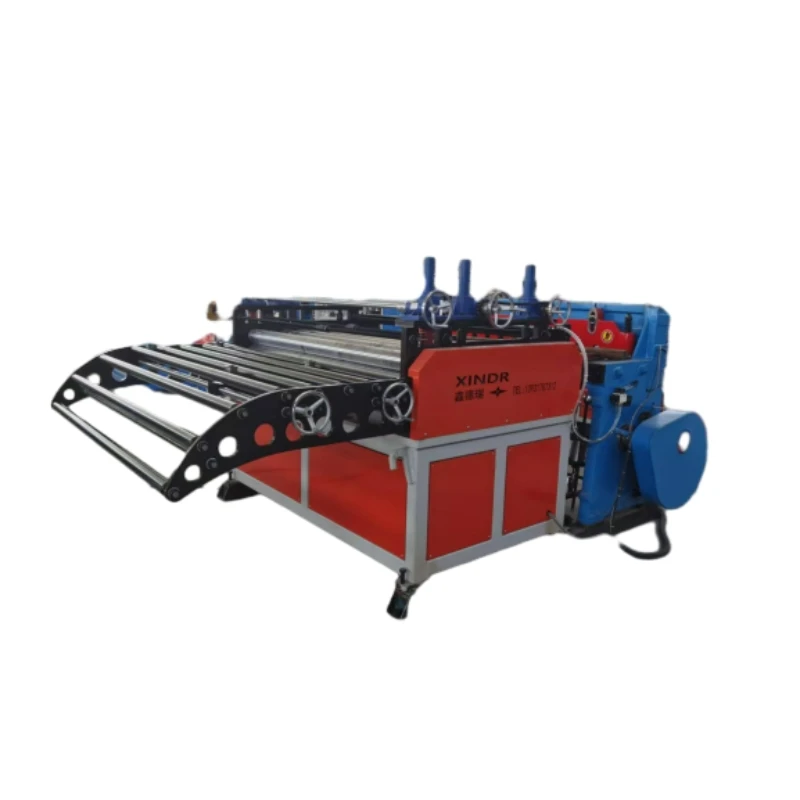 Fully Automatic Kaiping Production LineOct . 17, 2024
 -
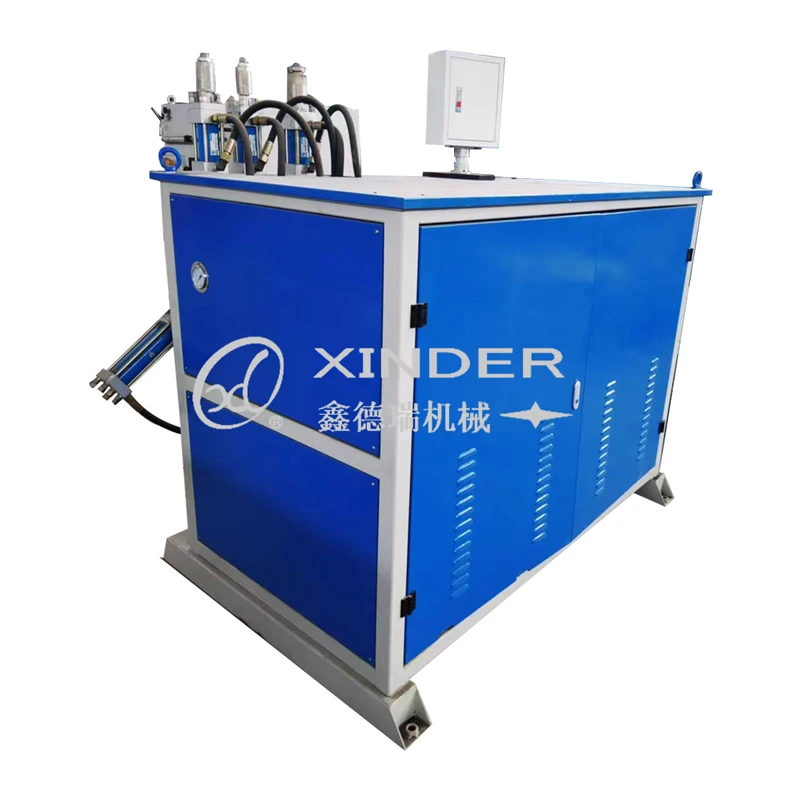 Fully Automatic Metal Bucket Lifting HeadphonesSep . 14, 2024