-
 8613931787312
 -
 Botou Industrial Zone on the east side of National Highway 104, Botou City, Hebei Province


CNC Sheet Metal Bending Machine - Precision Fabrication for Modern Industry
Understanding the CNC Sheet Metal Bending Machine: Revolutionizing Modern Fabrication
At the heart of modern manufacturing lies an unassuming marvel: the cnc sheet metal bending machine. It’s easy to overlook how pivotal these machines have become in shaping almost every metal product we encounter — from sleek automobiles to soaring skyscrapers. But why does this matter globally? In an age of rapid urbanization and industrial demand, precision in shaping metal sheets isn’t just desirable, it’s essential for innovation, sustainability, and economic agility. Grasping the fundamentals of CNC (Computer Numerical Control) sheet metal bending offers insights not only into manufacturing efficiency but also into global development and humanitarian efforts employing fast, reliable fabrication methods.
Introduction: The Global Pulse of CNC Sheet Metal Bending
According to the International Organization for Standardization (ISO), sheet metal processing remains a backbone in manufacturing, contributing trillions in global output annually. The CNC sheet metal bending machine is a critical player here, offering unmatched precision and repeatability. Industrial sectors worldwide, especially in Asia’s booming economies and Europe’s automotive hubs, are embracing CNC technology to meet growing demand.
Yet, challenges persist: material wastage, skill shortages, and environmental impact often stall progress. The CNC sheet metal bending machine helps address these by delivering optimized processes, less manual error, and energy-efficient operation. As urban centers densify and industries grow, these machines represent a vital link in the supply chain, cutting costs and time while improving product quality.
What Exactly is a CNC Sheet Metal Bending Machine?
In simple terms, a CNC sheet metal bending machine is a computer-controlled device designed to bend large flat metal sheets into precise angles and shapes. Unlike traditional manual methods, these machines automate the bending sequence using programmed instructions, ensuring high accuracy and repeatability. This is crucial for sectors requiring intricate parts or large-scale production runs — automotive body panels, HVAC ducts, and construction components, to name a few.
They are also increasingly vital in humanitarian and infrastructural projects, such as quickly fabricating shelter components or medical facility parts where speed and reliability can save lives.
Key Aspects of CNC Sheet Metal Bending Machines
Durability and Build Quality
Well-made CNC benders often boast steel or aluminum-rich frames with robust hydraulic or electric drives. Durability reduces downtime and ensures steady performance, especially in demanding industrial environments.
Precision and Repeatability
The backbone of CNC technology is its ability to replicate identical bends hundreds or thousands of times. This precision minimizes material waste and guarantees part fitment down the line.
Scalability
From prototype runs to mass production, CNC bending machines adjust to volume demands without compromising quality. Some models even allow quick tool changes to support varied product lines.
Cost Efficiency
Although initial investment might seem high, the combination of lower scrap rates, fewer manual errors, and faster throughput makes these machines economical over the long haul.
User-friendly Interface and Automation
Modern CNC machines feature touchscreen controls, CAD/CAM integration, and sometimes even remote monitoring. These aspects open fabrication to lesser-trained operators while improving safety.
Global Applications & Real-World Use Cases
- Automotive Industry: Manufacturers in Germany and Japan rely heavily on CNC sheet metal bending machines to produce chassis and body panels, combining strength and aerodynamics.
- Construction and Infrastructure: In the Middle East’s high-rise boom, custom-fabricated metal facades come from these precise bending processes.
- Humanitarian Efforts: NGOs use CNC-bent steel elements for modular shelters post-disaster, such as in earthquake-affected regions in Nepal or flood zones in Southeast Asia.
- Energy Sector: Wind turbine nacelle frames and solar panel mounts require consistent bends for durability—something CNC machines provide across European and North American wind farms.
Oddly enough, these machines prove just as critical in remote industrial zones as in high-tech urban centers.
Advantages & Long-Term Value
At their core, CNC sheet metal bending machines bring a blend of economic and social benefits:
- Cost Saving: Reduced scrap, faster turnaround, and fewer manual interventions translate to clear budget advantages.
- Sustainability: Efficient bending cuts waste and energy use, supporting cleaner manufacturing standards — very much aligned with ISO 14000 environmental management goals.
- Reliability and Safety: Consistent part quality means safer, more durable finished products.
- Social Trust: Communities benefit from faster construction of medical and housing infrastructures when bent metal parts arrive on time and flawless.
- Innovation: Precision bending enables creative engineering designs otherwise impossible with traditional methods.
Mini Takeaway:
The CNC sheet metal bending machine isn’t just a tool; it’s a cornerstone of modern manufacturing agility and community resilience.
Product Specifications of a Typical CNC Sheet Metal Bending Machine
| Specification | Detail |
|---|---|
| Max Bending Length | 3200 mm |
| Max Bending Height | 500 mm |
| Max Sheet Thickness | 6 mm (steel) |
| Control System | CNC with touchscreen interface, offline programming |
| Drive Type | Electro-hydraulic hybrid |
| Repeatability | ±0.01 mm |
Vendor Comparison: Leading CNC Sheet Metal Bending Machine Makers
| Feature | XDR Machinery | BendPro | FlexiBend |
|---|---|---|---|
| Max Sheet Thickness | 6 mm | 5 mm | 8 mm |
| Bending Length | 3200 mm | 2500 mm | 3000 mm |
| Automation Level | High (CAD/CAM integration) | Medium | High |
| Price Range | $$$ | $$ | $$$$ |
| After-Sales Support | Global, 24/7 | Regional | Limited |
Emerging Trends and Future Outlook
Looking ahead, the future of the CNC sheet metal bending machine is intertwined with digital transformation and sustainability. Industry 4.0 is ushering in smarter machines with IoT connectivity, predictive maintenance, and AI-driven optimization. Additionally, green manufacturing principles are pushing for lower power consumption and recyclable tooling.
Materials innovation is another exciting avenue — composites and ultra-high strength steels require new bending techniques and software adaptation, meaning these machines need to evolve continuously.
Challenges & Expert Solutions
Despite its numerous benefits, CNC bending has stumbling blocks: equipment cost, complexity of programming, and maintenance demands often intimidate smaller fabricators. Yet, incremental training programs and modular machine designs are making these technologies more accessible.
Moreover, cloud-based software platforms reduce the need for on-site expertise, enabling remote diagnostics and quicker changeovers.
FAQ: Common Queries About CNC Sheet Metal Bending Machines
- Q: How precise is a CNC sheet metal bending machine compared to manual bending?
A: CNC machines can typically achieve repeatability within ±0.01 mm, far surpassing manual methods, which helps reduce scrap and improves assembly accuracy. - Q: What industries benefit most from CNC bending?
A: Automotive, aerospace, construction, HVAC, and renewable energy sectors are among the largest users, capitalizing on precision and scalability. - Q: Can smaller workshops afford CNC bending machines?
A: While upfront costs are significant, leasing options and entry-level models have made CNC bending increasingly feasible for SMEs. - Q: How does CNC bending support sustainable manufacturing?
A: By minimizing errors, reducing waste, and optimizing energy use, CNC bending helps companies meet environmental certifications like ISO 14001.
Conclusion: Why Investing in CNC Sheet Metal Bending Matters
In the grand scheme, the cnc sheet metal bending machine stands as a critical enabler of quality, efficiency, and sustainability across industries worldwide. Its impacts ripple outwards — enabling resilient infrastructure in developing regions, driving cost-effective production in factories, and supporting ever-more ambitious engineering designs. If your operation seeks precision and scalability, embracing these machines is more than a smart choice: it’s vital for future growth.
Ready to take the next step? Visit our website at XDR Machinery to explore cutting-edge solutions.
Quick Reflection:
From humble metal sheets to complex components, CNC bending machines transform industries and communities alike. Often operating behind the scenes, their quiet revolution is far from over.
References
-
Guide to Spartan Steel Bending Machine Price and Cost FactorsNewsApr.16,2026
-
Analyzing the Spartan Bending Machine Price and Buyer GuideNewsApr.09,2026
-
Understanding Small Bending Machine Price and Choosing the Right OptionNewsApr.07,2026
-
Comprehensive Guide to Sheet Metal Bending Machine Price and SelectionNewsApr.04,2026
-
Comprehensive Guide to Roofing Sheet Bending Machine Price and SelectionNewsMar.31,2026
-
Comprehensive Guide to Profile Bending Machine Price and SelectionNewsMar.28,2026
-
Comprehensive Guide to Press Bending Machine Price and Purchasing ConsiderationsNewsMar.26,2026
-
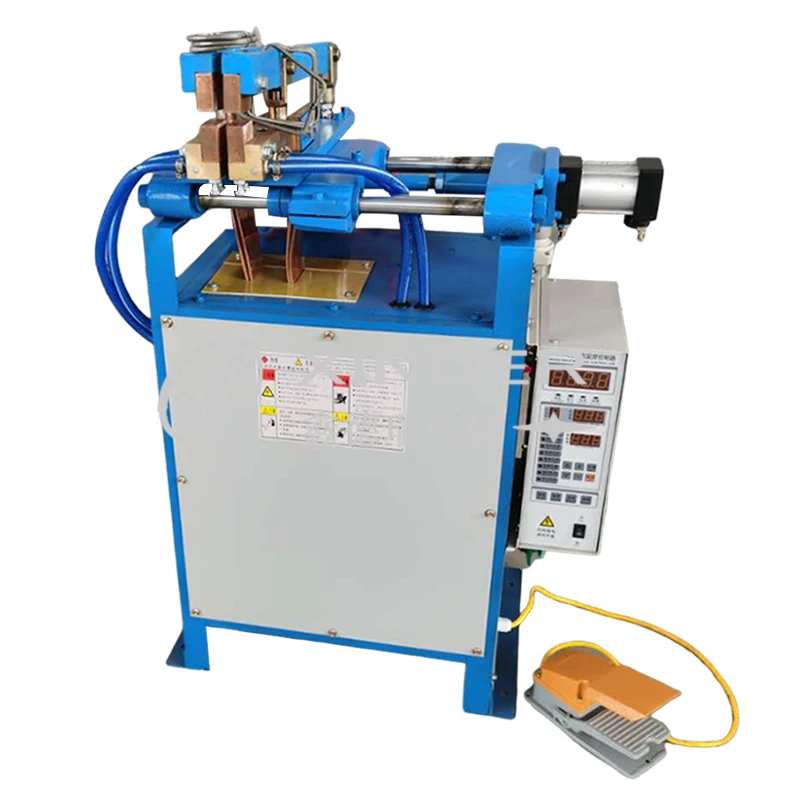 Pneumatic Handle Welding MachineSep . 13, 2024
 -
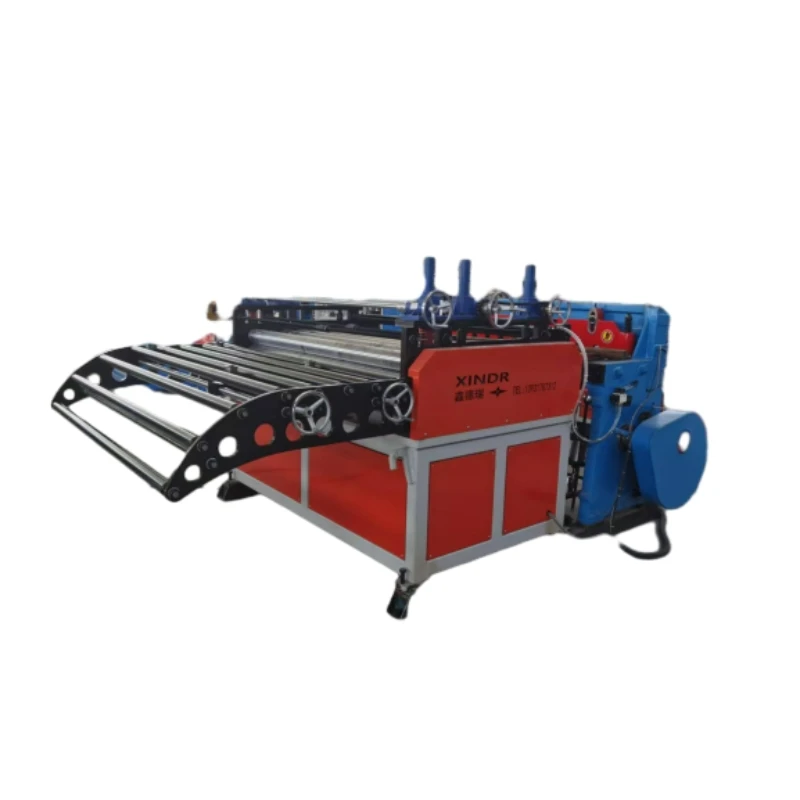 Fully Automatic Kaiping Production LineOct . 17, 2024
 -
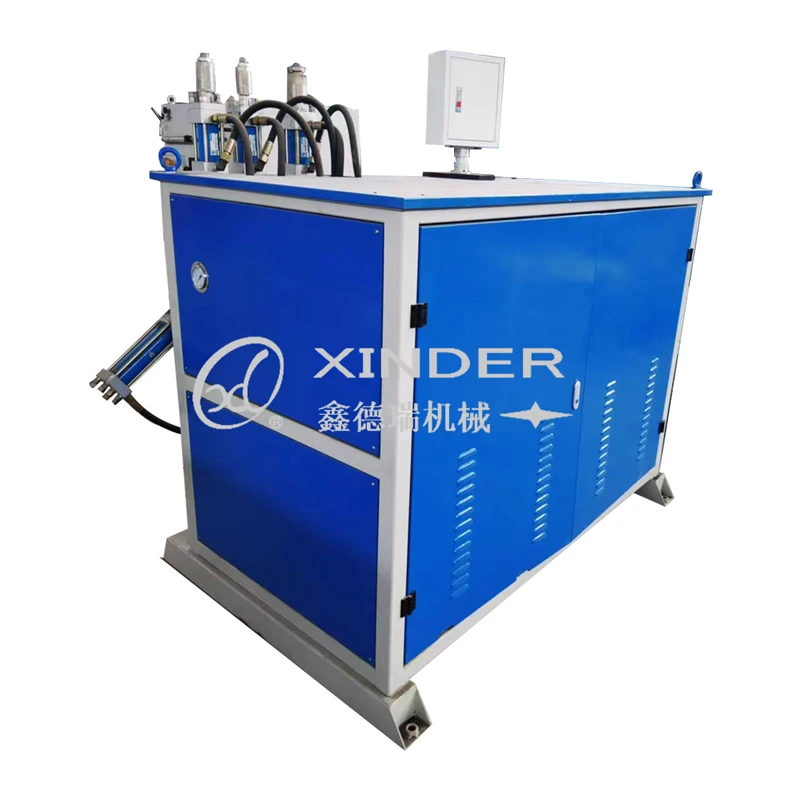 Fully Automatic Metal Bucket Lifting HeadphonesSep . 14, 2024