-
 8613931787312
 -
 Botou Industrial Zone on the east side of National Highway 104, Botou City, Hebei Province


Automatic Plate Bending Machine: Precision & Efficiency in Metal Fabrication
Automatic Plate Bending Machine: The Backbone of Modern Fabrication
Having been around heavy industrial equipment for over a decade, I can tell you — the subtle art and brute force behind an automatic plate bending machine never cease to amaze. It’s one of those industrial heroes that doesn’t always get the spotlight but quietly revolutionizes shop floors worldwide.
In real terms, these machines take a flat metal plate and fold it to incredible precision and consistency, something that used to be pure muscle-and-skill work. Over the years, I've seen how automation shifted this job from manual press brakes to these highly intelligent systems that can bend complex shapes with minimal operator intervention — saving time, reducing errors, and honestly, preserving our backs.
Oddly enough, in most fabrication shops I've visited, there’s always that one operator ready to swear by their favorite model — like it has a personality. And frankly, it sort of does. Different models come with distinct bend radii tolerance and programming interfaces, and that can seriously impact throughput.
What Makes an Automatic Plate Bending Machine Tick?
These machines rely on a combination of hydraulic or electric drives, CNC control units, and carefully designed roller assemblies. The materials mostly handled range from mild steel to stainless steel and even aluminum alloys — something I noticed tends to affect material feed and bend scoring.
From experience, a well-built automatic plate bending machine will incorporate high-strength steel rollers, precise angle sensors, and a user-friendly interface. PLC-controlled automation enhances reliability and allows customization for batch runs. But be warned — not every machine lives up to specs; well, that’s why vendor trustworthiness matters so much.
Below is a quick refresher on the typical specifications you might expect from a mid-range, professional automatic plate bending machine today:
| Specification | Value |
|---|---|
| Maximum Bending Width | 2000 mm |
| Max Plate Thickness | 20 mm (mild steel) |
| Bending Radius | 3 – 100 mm adjustable |
| Control System | CNC with touchscreen interface |
| Power Source | Electric / Hydraulic hybrid |
Picking the Right Vendor: An Often Underappreciated Step
You know, one thing that tends to trip up even seasoned buyers is vendor selection. I recall a client who went with a cheaper, lesser-known brand — sure enough, after six months, the machine’s sensors started drifting, causing wastage in their production line. Not fun.
Here's a simple comparison I put together based on my observations from equipment expos and years dealing with suppliers:
| Vendor | Build Quality | Warranty | After-Sales Support | Control System |
|---|---|---|---|---|
| XDR Machinery | Robust steel frame, premium rollers | 2 years with on-site service | 24/7 hotline, remote diagnostics | Intuitive CNC touchscreen |
| Brand Y | Good but lighter gauge materials | 1 year limited parts | Office hours support | Standard CNC panel |
| Brand Z | Cost-cutting on rollers and structure | 6 months parts only | Email ticket support | Basic electronic controls |
When looking at these machines, it’s not just about the numbers on paper. The actual user interface, the feel of the CNC system, and the ease of maintenance often make or break daily operations. Several engineers I've talked to rank “support responsiveness” even above initial cost — you know, because downtime kills.
Customization: Because Not Every Job is One-Size-Fits-All
One thing I appreciate about the better manufacturers — including the folks at XDR Machinery — is the willingness to customize features. Whether it’s tailored roller sizes for specific plate profiles or advanced programming for uncommon alloys, having that flexibility is invaluable. I remember a project where unusual aluminum panels called for custom bending radii within tight tolerance; without adaptive programming, it simply wouldn’t have been economical.
Testing also plays a massive role — typically, they run sample batches on your selected material before delivery. That’s something I always recommend insisting on. It helps iron out kinks before production ramps up.
Overall, an automatic plate bending machine is not just a piece of equipment — for many shops, it’s the heart of efficient, high-quality fabrication. Its relevance only grows as manufacturing trends push toward more complex geometries, tighter tolerances, and shorter lead times.
And finally, if you’re investing in such machinery, I suggest partnering with a company who not only sells the machine but helps you integrate it within your workflow. A good vendor will be honest about limitations, realistic about timelines, and proactive in support. That, to me, speaks volumes.
— A seasoned industrial equipment enthusiast
References:
1. Industry Fabrication Quarterly, “Automation trends in plate bending machinery”, 2023
2. XDR Machinery User Training Manual, 2023 Edition
3. Personal interviews with plant engineers, 2021-2023
-
Guide to Spartan Steel Bending Machine Price and Cost FactorsNewsApr.16,2026
-
Analyzing the Spartan Bending Machine Price and Buyer GuideNewsApr.09,2026
-
Understanding Small Bending Machine Price and Choosing the Right OptionNewsApr.07,2026
-
Comprehensive Guide to Sheet Metal Bending Machine Price and SelectionNewsApr.04,2026
-
Comprehensive Guide to Roofing Sheet Bending Machine Price and SelectionNewsMar.31,2026
-
Comprehensive Guide to Profile Bending Machine Price and SelectionNewsMar.28,2026
-
Comprehensive Guide to Press Bending Machine Price and Purchasing ConsiderationsNewsMar.26,2026
-
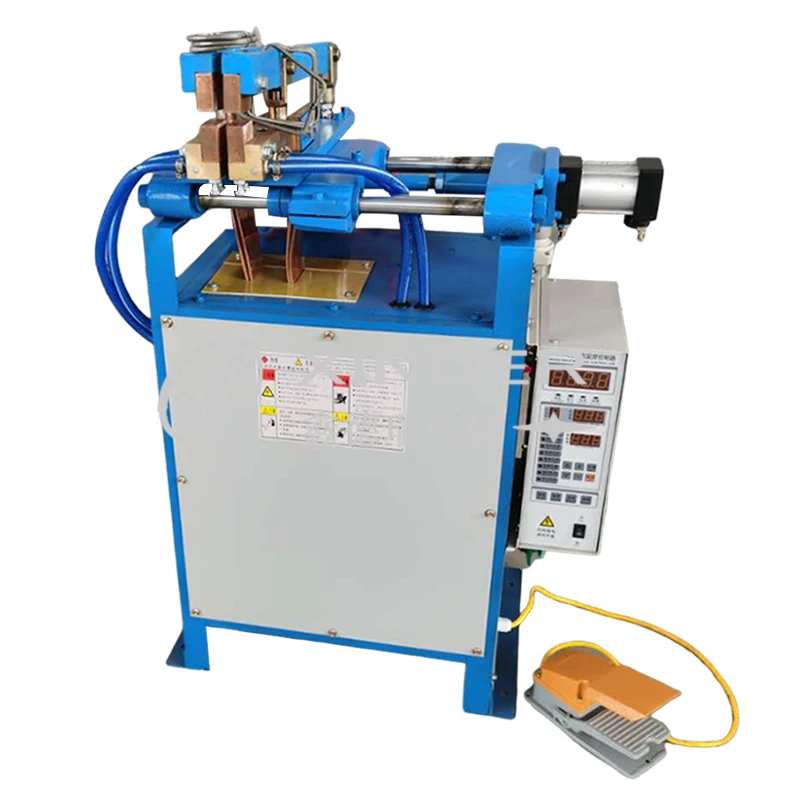 Pneumatic Handle Welding MachineSep . 13, 2024
 -
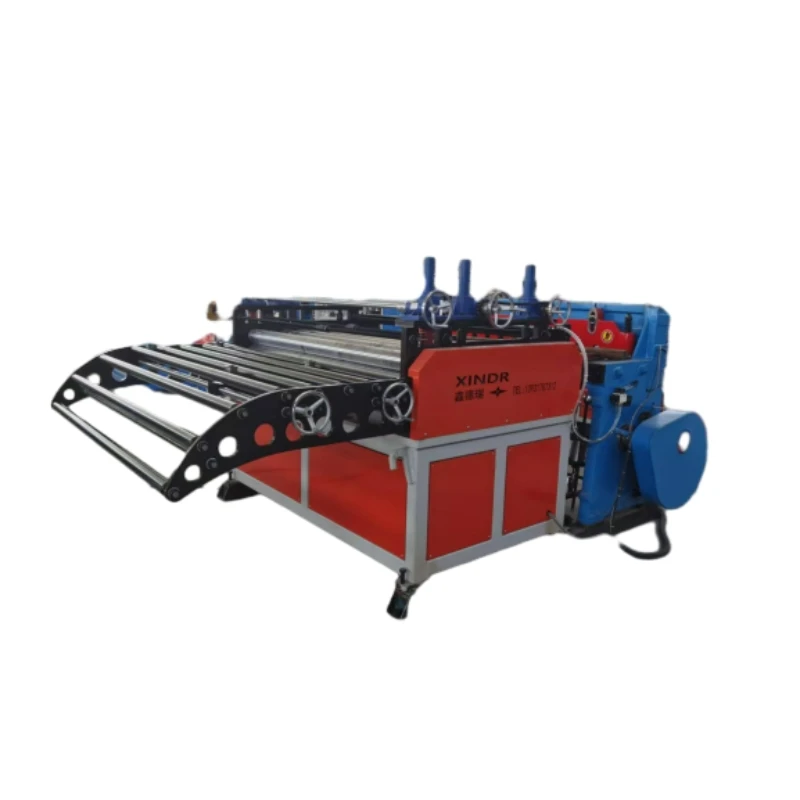 Fully Automatic Kaiping Production LineOct . 17, 2024
 -
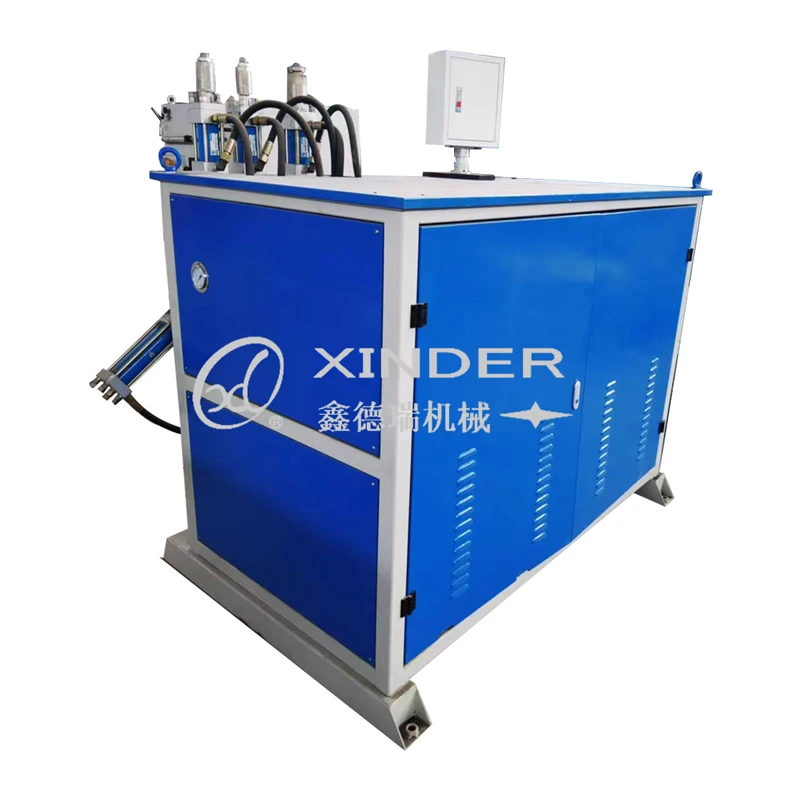 Fully Automatic Metal Bucket Lifting HeadphonesSep . 14, 2024