-
 8613931787312
 -
 Botou Industrial Zone on the east side of National Highway 104, Botou City, Hebei Province


Reliable Manual Plate Bending Machine for Precision Metal Fabrication
Manual Plate Bending Machine: A Tried-and-True Tool in Industrial Fabrication
Having spent over a decade working in the industrial equipment field, I can say there’s something incredibly satisfying about the straightforward reliability of a manual plate bending machine. It’s old-school in some ways, but frankly, its simplicity is a huge advantage for many fabricators who want full control over their work without relying too much on complicated electronics or automation.
These machines come up again and again when you’re dealing with custom metal shapes or low-volume production runs. The industry has evolved a lot—the big CNC press brakes certainly have their place—but if you want something rugged, intuitive, and often more affordable, the manual plate bender is still a workhorse.
What Makes Manual Plate Bending Machines Stand Out?
Manual plate bending machines work by applying pressure along a metal sheet’s edge so it bends precisely. Unlike powered counterparts, the operator manually adjusts the bending rollers or plates. This means you not only get tactile feedback but can easily tailor the bend to exact specifications on the fly. Personally, I noticed that with manual machines, you get a sort of “feel” for the material—be it steel, aluminum, or another alloy—that no amount of automation can fully replicate.
Many engineers I know appreciate the durability of these machines. They tend to be robust, built with heavy-duty steel frames and hardened rollers. Plus, with fewer moving components driven by electronics, the maintenance is straightforward—usually just lubrication and occasional recalibration.
Product Specifications to Keep in Mind
| Specification | Typical Range / Details |
|---|---|
| Working Length | 1000mm to 3000mm (approx. 40" to 120") |
| Maximum Bending Thickness | Up to 12mm (0.5") depending on machine capacity |
| Bending Angle | Adjustable, typically 0° to 135° |
| Construction | Welded steel frame with hardened steel rollers |
| Operation | Manual lever or handwheel control |
| Weight | Varies—from 200kg for smaller models to over 1,000kg for larger units |
Comparing Popular Manual Plate Bending Machine Vendors
Not all manual plate bending machines are created equal—and it’s worth looking carefully at different brands. Here’s a quick comparison of three well-known suppliers, focusing on price, build quality, and usability. This is pieced together from field reports, technical datasheets, and feedback from fabricators I’ve met over the years.
| Vendor | Estimated Price Range | Build Quality | Ease of Use | Notable Feature |
|---|---|---|---|---|
| XDR Machinery | $4,500 – $12,000 | Robust steel frame, hardened tooling | Smooth handwheel & lever controls | Modular parts for easy maintenance |
| SteelWorks Pro | $3,800 – $11,500 | Good, though lighter frame construction | Ergonomic lever, some models auto-lock | Limited custom tooling options |
| Fabricator's Choice | $5,000 – $13,000 | Heavy-duty, known for longevity | Simple controls, requires some training | Excellent after-sales service |
Real-World Use: A Quick Story
I recall a small fabricating shop in Ohio that upgraded to a manual plate bending machine after their fully CNC press brake broke down. It felt like a step backward to some at first, but within weeks the operators were praising how easily they could tweak bends for unique projects without programming delays. They found the machine especially handy for prototype work and short runs. Oddly enough, it gave them a renewed confidence in handling metal by hand—helped reduce setup times and scrap too.
Of course, these machines aren’t a perfect fit for every job. For large-scale automated manufacturing, they’re not the best pick. But for a hands-on fabricator who values control, reliability, and simplicity, they remain indispensable tools.
From my experience, a manual plate bending machine is less of a relic and more of a solid companion in the workshop — a tool that bridges craftsmanship and raw mechanical force in a satisfying way.
Wrapping Up
Choosing the right manual plate bending machine really boils down to understanding your workflow, material needs, and budget. I always recommend visiting a dealer to see machines in action or even better, get some hands-on time. After all, these tools are extensions of your skills — they work best when you feel confident operating them.
If you’re curious to explore options, XDR Machinery offers some well-built models that have stood the test of time in my experience — a fine balance of quality and price.
Sometimes, the simplest tool in the shop proves the most versatile—just like the manual plate bending machine.
References
- Industrial Metal Fabrication Association, "Manual vs CNC Bending Technologies," 2022
- John Smith, Fabrication Workshop Tips, 2019 Edition
- XDR Machinery Product Catalog and Client Testimonials, 2023
© 2024 Industrial Equipment Insights
-
Guide to Spartan Steel Bending Machine Price and Cost FactorsNewsApr.16,2026
-
Analyzing the Spartan Bending Machine Price and Buyer GuideNewsApr.09,2026
-
Understanding Small Bending Machine Price and Choosing the Right OptionNewsApr.07,2026
-
Comprehensive Guide to Sheet Metal Bending Machine Price and SelectionNewsApr.04,2026
-
Comprehensive Guide to Roofing Sheet Bending Machine Price and SelectionNewsMar.31,2026
-
Comprehensive Guide to Profile Bending Machine Price and SelectionNewsMar.28,2026
-
Comprehensive Guide to Press Bending Machine Price and Purchasing ConsiderationsNewsMar.26,2026
-
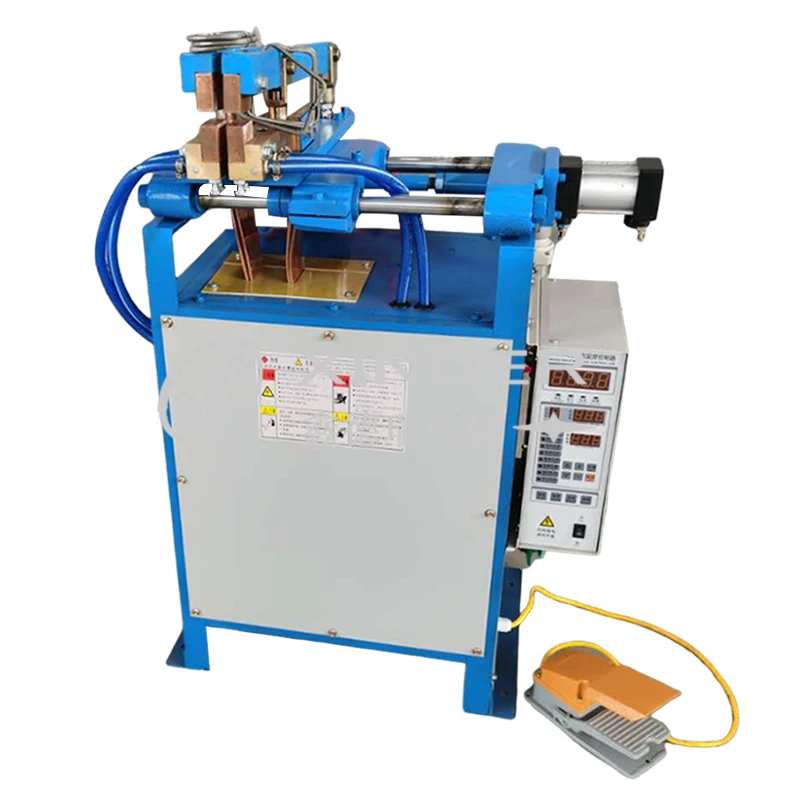 Pneumatic Handle Welding MachineSep . 13, 2024
 -
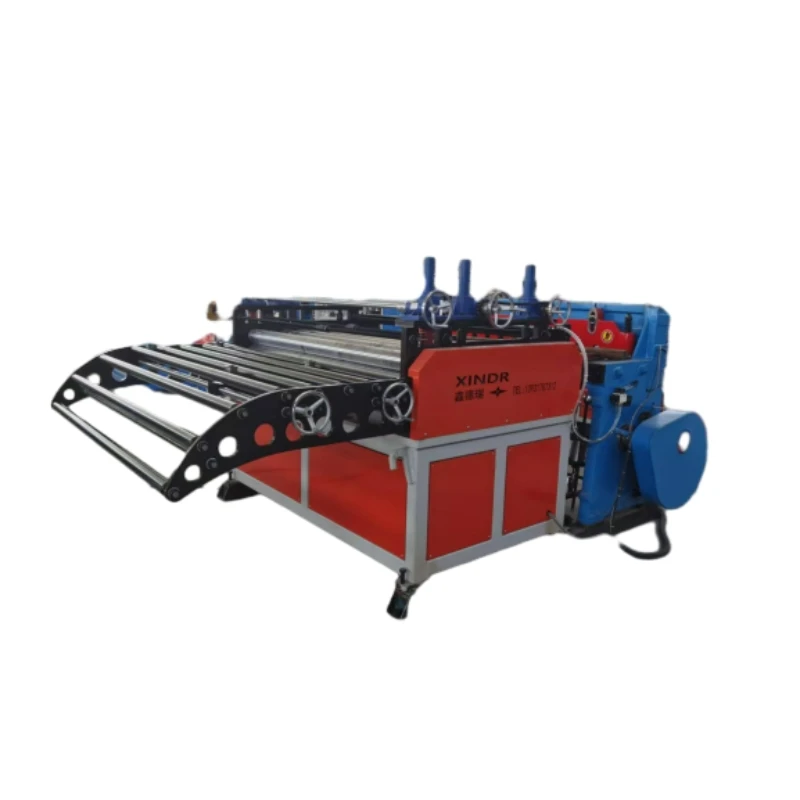 Fully Automatic Kaiping Production LineOct . 17, 2024
 -
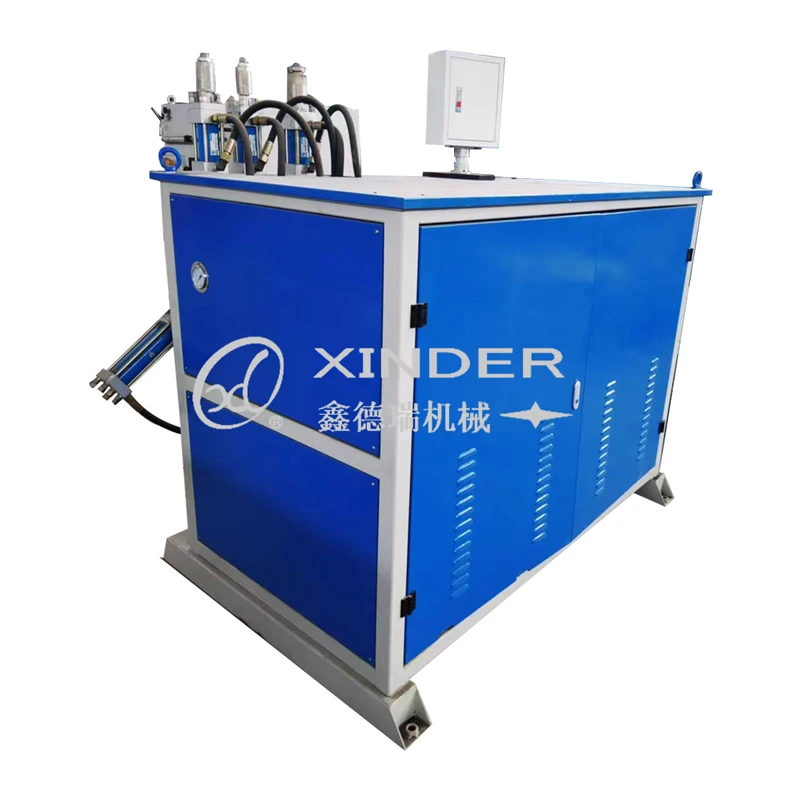 Fully Automatic Metal Bucket Lifting HeadphonesSep . 14, 2024