-
 8613931787312
 -
 Botou Industrial Zone on the east side of National Highway 104, Botou City, Hebei Province


Hand Sheet Bending Machine | Precise Manual Sheet Metal Bending
Hand Sheet Bending Machine: The Unsung Hero of Industrial Fabrication
If you’ve spent any time around industrial workshops or fabrication floors, you know there’s a particular rhythm to operations. Machines hum, sparks fly, and just when you think the process is all about automated giants, the humble hand sheet bending machine quietly steps in and saves the day. Frankly, I’ve worked with these machines for over a decade, and though they often don’t get the spotlight, their role is crucial—and oddly enough, rewarding in its simplicity.
The hand sheet bending machine is essentially a staple for bending sheet metals manually and precisely without the steep learning curve of CNC systems. Facing varied materials like mild steel, stainless steel, and aluminum, these machines enable operators to deliver clean bends with repeatable accuracy. In real terms, it's like giving an expert craftsman a bit of mechanical leverage.
I remember fresh on the job, a seasoned engineer told me, “You can automate all you want, but sometimes the best tool is the one you control with your own hands.” This stuck with me, partly because it reflects not only the machine’s purpose but its design philosophy. The simplicity makes it robust — fewer parts to break down, easier maintenance, and, importantly, faster turnaround for small jobs where setting up a big press brake doesn’t make sense.
Key Product Specifications
| Specification | Details |
|---|---|
| Max Sheet Thickness | 2.5 mm (steel), up to 3 mm for aluminum |
| Max Bending Length | 1000 mm (39.4 inches) |
| Bending Angle Range | 0° to 120° |
| Material | High-grade steel frame, heat-treated bending beam |
| Weight | ~120 kg (264 lbs) |
| Operation | Manual lever with adjustable clamping |
One thing that stands out with this type of machine is the balance it strikes between size and function. It’s compact enough for smaller workshops, yet sturdy enough to produce consistent bends. Many engineers say it’s the “go-to” for rapid prototyping or repair tasks where precision matters but time and setup cost don’t justify heavy machinery.
Vendor Comparison: What to Watch For
| Feature | XDR Machinery | Vendor B | Vendor C |
|---|---|---|---|
| Build Quality | Robust steel frame, heat treated parts | Standard steel, less refined finishing | Mixed materials, some plastic components |
| Max Sheet Thickness | 2.5 mm steel | 2.0 mm steel | 1.5 mm steel |
| Bending Length | 1000 mm | 900 mm | 1100 mm |
| Price Range | Mid-tier, great value | Budget, lower durability | Premium, high cost |
| Customer Support | Responsive and reliable | Limited hours and language | Excellent but slow response |
Customization is another point worth highlighting. Though hand sheet bending machines are straightforward, many suppliers like XDR Machinery offer add-ons or tailor-made tweaks — adjustable clamp lengths, different bending tools, or even upgrade paths for pneumatic assists. I’ve had a client customize their unit for a specialized alloy and the results were quite impressive — no compromise on bend quality but with a gentler approach on tricky materials.
Using the hand sheet bending machine, you get more than just a workhorse. You get a machine that speaks to experience, a design that reflects an understanding of everyday shop challenges. Oddly enough, it's often the handiest when you least expect it—simple, steady, no-frills.
So next time you see a project that needs fine-tuning or short-run bending, remember the quiet power of the hand sheet bending machine. It’s not just a tool — it’s a trusted partner on the shop floor.
— John D., Industrial Fabrication Specialist, 15+ Years
Quick takeaway: If your shop demands precision, flexibility, and durability without the bells and whistles, a hand sheet bending machine is often the best balance. The blend of human control and mechanical strength just can’t be beat for many tasks.
References:
1. Industry Fabrication Journal, “Sheet Metal Bending Trends,” 2023
2. XDR Machinery Official Specs Sheet, 2024
3. Conversations with Workshop Engineers, 2022–2023
-
Guide to Spartan Steel Bending Machine Price and Cost FactorsNewsApr.16,2026
-
Analyzing the Spartan Bending Machine Price and Buyer GuideNewsApr.09,2026
-
Understanding Small Bending Machine Price and Choosing the Right OptionNewsApr.07,2026
-
Comprehensive Guide to Sheet Metal Bending Machine Price and SelectionNewsApr.04,2026
-
Comprehensive Guide to Roofing Sheet Bending Machine Price and SelectionNewsMar.31,2026
-
Comprehensive Guide to Profile Bending Machine Price and SelectionNewsMar.28,2026
-
Comprehensive Guide to Press Bending Machine Price and Purchasing ConsiderationsNewsMar.26,2026
-
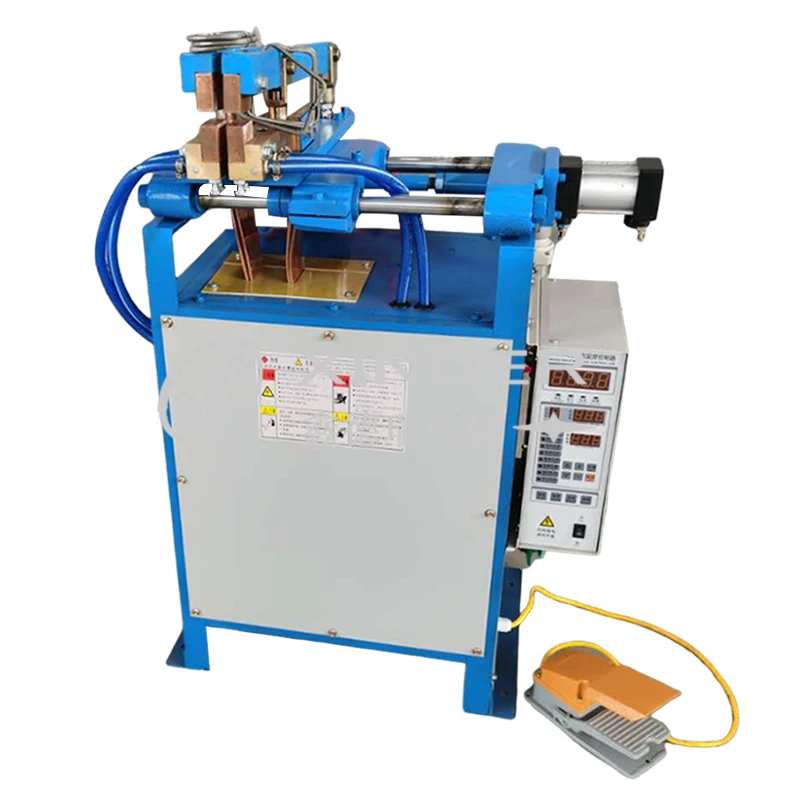 Pneumatic Handle Welding MachineSep . 13, 2024
 -
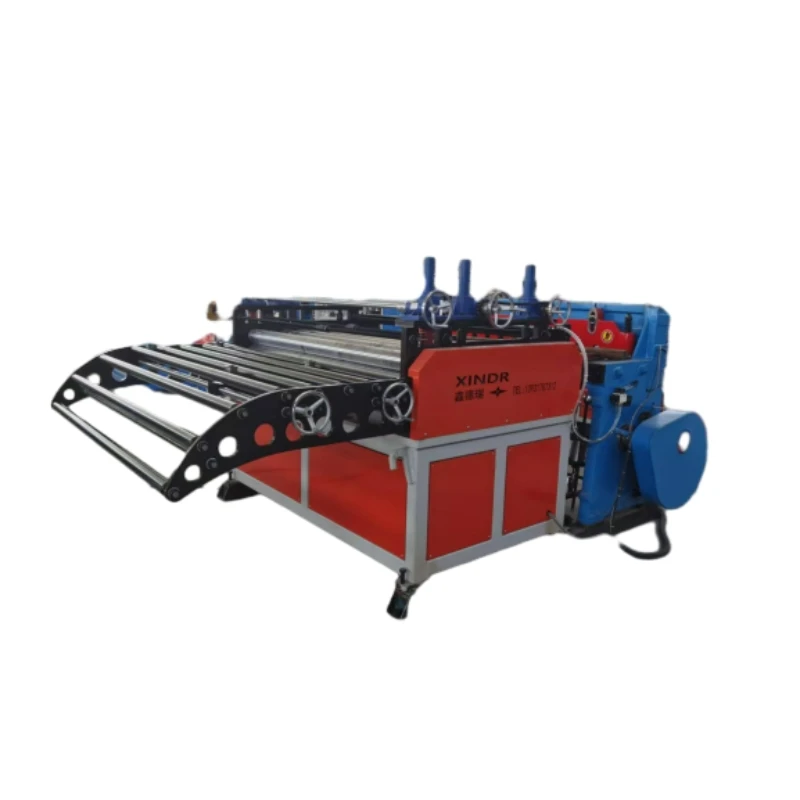 Fully Automatic Kaiping Production LineOct . 17, 2024
 -
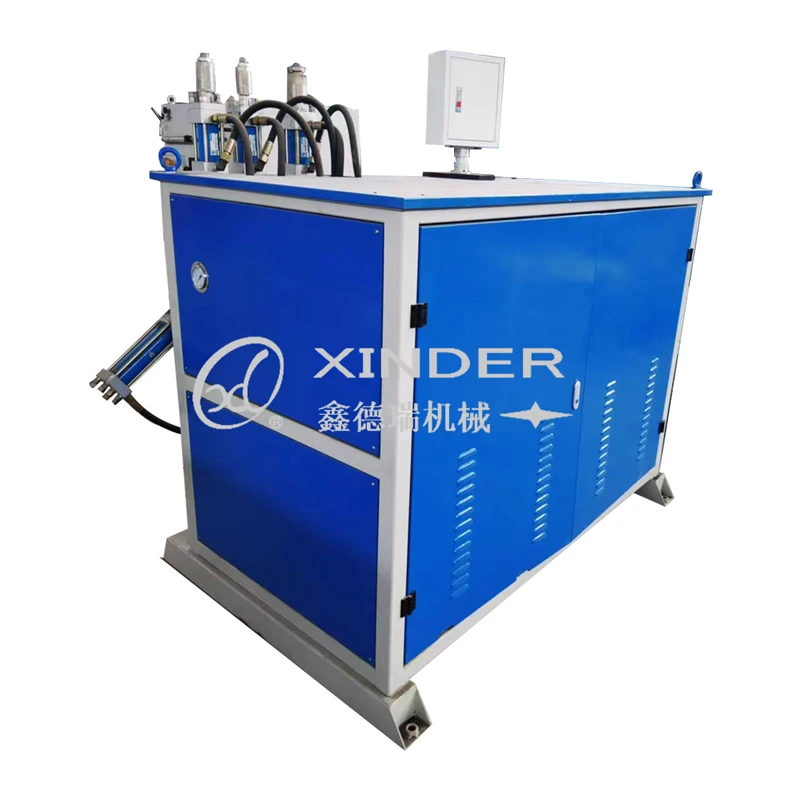 Fully Automatic Metal Bucket Lifting HeadphonesSep . 14, 2024