-
 8613931787312
 -
 Botou Industrial Zone on the east side of National Highway 104, Botou City, Hebei Province


Basic Principles of a Flanging Machine
Flanging machine—including high-efficiency hydraulic flanging machine models and versatile setups for diverse flanging machine use—relies on core mechanical and hydraulic principles to create precise, durable flanges (raised edges) on metal tubes, sheets, or barrels, critical for industries like automotive manufacturing, HVAC, and metal packaging. Unlike manual flanging tools (which lack consistency and struggle with thick materials), these machines use controlled force and specialized dies to shape flanges that ensure secure connections (e.g., tube-to-tube joints) or structural reinforcement. For wholesalers serving metal fabricators, barrel manufacturers, or industrial equipment producers, partnering with a manufacturer that masters these principles is essential. Hebei Xindrui Machinery Manufacturing Co., Ltd., based in Cangzhou (with easy access to railways and highways) and boasting 20+ years of experience (formerly Xindrui Machinery Factory), specializes in flanging machine—from standard models to custom hydraulic flanging machine—and embeds these basic principles into every design. Their professional R&D team ensures each machine delivers consistent, principle-driven results for bulk production, making them a trusted bulk partner for wholesalers globally.
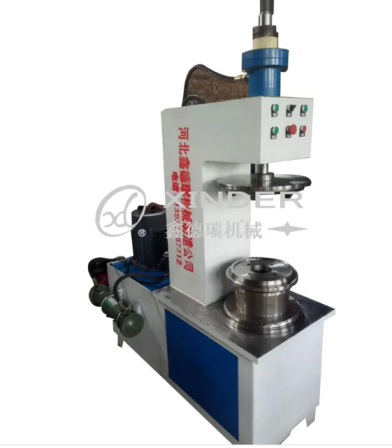
Force Application The Fundamental Principle of Flanging Machine
- Mechanical vs. Hydraulic Force for Hydraulic Flanging Machine: Flanging machine relies on two primary force types—mechanical (spring or lever-driven) and hydraulic—and hydraulic flanging machine excels at handling heavy-duty flanging machine use (e.g., thick steel tubes or large barrels). Hebei Xindrui’s hydraulic flanging machine uses Pascal’s Law to multiply force: a small hydraulic piston applies pressure to fluid, which drives a larger piston connected to the flanging die—creating 5–50 tons of force (adjustable by material thickness). For example, a hydraulic flanging machine shaping 10mm-thick steel barrels for industrial storage uses 30 tons of force to form a 5cm-wide flange, ensuring the edge is rigid enough for welding. Mechanical flanging machine (for lighter use, e.g., 1–3mm aluminum sheets) uses lever-driven force, which is more cost-effective for low-volume jobs.
- Uniform Force Distribution for Flanging Machine Use: Regardless of force type, flanging machine use requires uniform force across the material’s edge—otherwise, flanges become uneven (too thin in some areas, cracked in others). Hebei Xindrui’s flanging machine designs include precision-engineered dies (matching the material’s shape, e.g., round tubes or rectangular sheets) that spread force evenly. For instance, a flanging machine creating flanges on 20mm copper tubes for HVAC systems uses a circular die with 8 contact points, ensuring the flange’s thickness stays consistent (±0.1mm) around the entire tube. The machine also includes pressure sensors that alert operators if force is uneven—preventing defective flanges and material waste. This principle is critical for wholesalers to highlight: it ensures clients’ end products meet quality standards, reducing rejections and boosting their reputation.
Die Design and Material Compatibility for Hydraulic Flanging Machine
- Die Shape and Size Matching for Flanging Machine: Die design is a core principle of flanging machine—the die’s shape dictates the flange’s form (e.g., 90° right-angle, 45° bevel, or curved), and its size matches the material’s dimensions. Hebei Xindrui offers interchangeable dies for hydraulic flanging machine(sizes 50–500mm for tubes, 100–1000mm for sheets) that attach via quick-lock systems, letting operators switch between flanging machine use cases in <5 minutes. For example, a flanging machine used for both 80mm steel tubes (HVAC) and 150mm aluminum sheets (automotive parts) can swap dies to create 90° flanges for tubes and 45° flanges for sheets—no need for separate machines. The dies are made of hardened steel (resistant to wear from repeated use), extending their lifespan to 10,000+ cycles—reducing client replacement costs.
- Material Thickness and Hardness Adaptation for Hydraulic Flanging Machine: Hydraulic flanging machine must adapt to material properties (thickness and hardness) to avoid damage—another key principle. Hebei Xindrui’s machines let operators adjust force and die speed based on material: softer aluminum (1–2mm thick) uses lower force (5–10 tons) and slower die movement (to prevent creasing), while hard stainless steel (5–8mm thick) uses higher force (20–30 tons) and faster movement (to ensure the flange sets quickly). For a flanging machine used to flange 6mm stainless steel barrels (chemical storage), this adaptation prevents the material from cracking during forming—thanks to force calibration based on stainless steel’s tensile strength. The company also provides material compatibility charts for wholesalers to share with clients, ensuring no mismatches between machine and material.
Flanging Machine Type & Principle Application Comparison
|
Flanging Machine Type |
Key Principle Applied |
Ideal Flanging Machine Use |
Hebei Xindrui Advantage |
Wholesaler Value |
|
Mechanical Flanging Machine |
Lever-driven force; uniform die contact |
Light materials (1–3mm aluminum, copper) |
Low cost; easy maintenance |
Appeals to small-scale fabricators |
|
Hydraulic Flanging Machine |
Pascal’s Law force multiplication |
Heavy materials (5–10mm steel, stainless steel) |
Adjustable force; high durability |
Caters to industrial/ bulk production |
|
Custom Flanging Machine (Dies) |
Die shape matching; material adaptation |
Specialized parts (curved flanges, large barrels) |
Custom die design; tailored force |
Fits niche client needs (e.g., barrel mfg) |
Precision Control and Repeatability for Flanging Machine Use
- PLC Control for Consistent Flanging Machine Results: Modern flanging machine uses PLC (Programmable Logic Controller) systems to enforce precision—a principle critical for high-volume flanging machine use. Hebei Xindrui’s hydraulic flanging machine includes PLC panels that store 50+ preset programs (matching material type, thickness, and flange size). For example, a client flanging 30mm steel tubes for heat exchangers can recall a program that sets force to 15 tons and die speed to 2mm/s—ensuring every tube’s flange is identical, even across 1,000+ units. The PLC also tracks cycle counts (alerting operators when dies need maintenance) and stops the machine if force deviates by 5%—preventing a batch of defective flanges. For wholesalers, this precision means clients can scale production without sacrificing quality— a major selling point for large manufacturers.
- Repeatability for Batch Production in Hydraulic Flanging Machine: Repeatability (the ability to produce identical flanges across batches) is a non-negotiable principle for hydraulic flanging machine used in bulk production. Hebei Xindrui achieves this via hardened die guides (that keep dies aligned to ±0.05mm) and hydraulic pressure stabilization (which maintains force consistency within 2%). A flanging machine producing 200L metal barrels, for instance, can create 500 identical flanges per day—each with the same width (4cm) and angle (90°)—thanks to this repeatability. The company tests every machine’s repeatability before shipping (via 100-test cycles) and provides certification for wholesalers to share with clients. This principle builds trust: clients know they’ll get consistent results, reducing waste and rework.
Flanging Machine FAQS
Can Hydraulic Flanging Machine Handle Non-Circular Materials for Flanging Machine Use?
Yes—Hebei Xindrui’s hydraulic flanging machine can be customized with non-circular dies (e.g., square, rectangular, or oval) for specialized flanging machine use, such as flanging rectangular aluminum sheets for automotive frames or oval steel tubes for medical equipment. The company’s R&D team designs dies based on client drawings or samples, ensuring the die’s shape matches the material and the flange’s required form. For example, a client needing to flange 100mm x 50mm rectangular stainless steel tubes can get a custom die that applies uniform force to all four edges—creating even flanges without creasing.
How Do I Choose Between Mechanical and Hydraulic Flanging Machine for My Clients?
The choice depends on flanging machine use needs: recommend mechanical flanging machine for clients working with thin materials (1–3mm) and low-volume production (e.g., small plumbing shops), as they’re more affordable and require less maintenance. For clients working with thick materials (5mm+) or high-volume batch production (e.g., barrel manufacturers), hydraulic flanging machine is better—they handle heavy-duty use and offer higher precision.
What Maintenance Is Required for Flanging Machine to Preserve Principle Performance?
To keep flanging machine performing to principle (uniform force, precision), basic maintenance is key: daily checks include wiping dies clean (to remove metal shavings) and inspecting hydraulic fluid levels (for hydraulic models); weekly tasks involve lubricating die guides (to maintain alignment) and testing PLC program consistency; monthly checks include die wear inspection (replacing dies when thickness decreases by 0.2mm). Hebei Xindrui includes a maintenance manual with every machine (and offers free training for wholesalers’ client teams) to ensure upkeep is done correctly. This maintenance preserves the machine’s precision and extends its lifespan by 5–7 years— a value wholesalers can emphasize to clients focused on long-term ROI.
Can Flanging Machine Be Integrated Into Existing Production Lines for Bulk Flanging Machine Use?
Absolutely—Hebei Xindrui’s flanging machine (especially hydraulic models) is designed for line integration, with adjustable heights, conveyor compatibility, and PLC synchronization to existing equipment (e.g., tube cutters, welders). For example, a client with a steel tube production line can add a hydraulic flanging machine that receives cut tubes directly from the cutter, flanges them, and sends them to the welding station—creating a seamless workflow. The company’s design team works with wholesalers to assess clients’ existing lines and modify the flanging machine (e.g., adding infeed/outfeed conveyors) for perfect integration. This capability lets clients boost production efficiency by 40%— a major benefit for wholesalers targeting large manufacturers.
Does Hebei Xindrui Offer Custom Hydraulic Flanging Machine for Unique Flanging Machine Use?
Yes—Hebei Xindrui specializes in custom hydraulic flanging machine based on client needs, such as extra-large dies for 1m-diameter steel barrels, or dual-die systems for flanging two sides of a sheet simultaneously. The company uses client drawings, samples, or even verbal requirements to design machines that match unique flanging machine use cases—for example, a custom machine for flanging curved steel tubes (used in aerospace) that includes specialized die guides to maintain curve integrity. Custom machines undergo the same precision testing as standard models (100-test cycles) and come with the same warranty.
-
Guide to Spartan Steel Bending Machine Price and Cost FactorsNewsApr.16,2026
-
Analyzing the Spartan Bending Machine Price and Buyer GuideNewsApr.09,2026
-
Understanding Small Bending Machine Price and Choosing the Right OptionNewsApr.07,2026
-
Comprehensive Guide to Sheet Metal Bending Machine Price and SelectionNewsApr.04,2026
-
Comprehensive Guide to Roofing Sheet Bending Machine Price and SelectionNewsMar.31,2026
-
Comprehensive Guide to Profile Bending Machine Price and SelectionNewsMar.28,2026
-
Comprehensive Guide to Press Bending Machine Price and Purchasing ConsiderationsNewsMar.26,2026
-
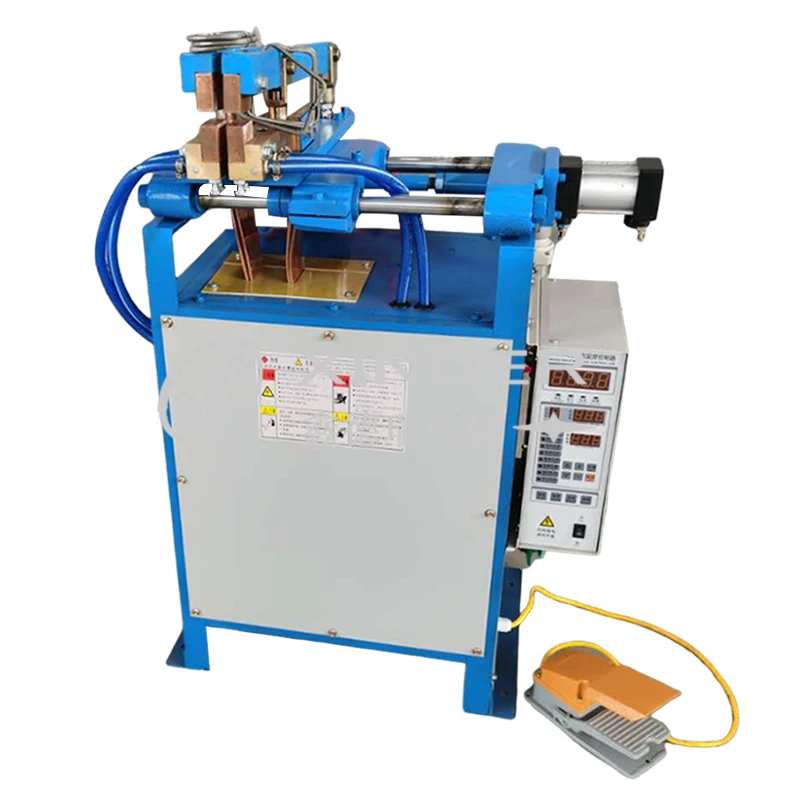 Pneumatic Handle Welding MachineSep . 13, 2024
 -
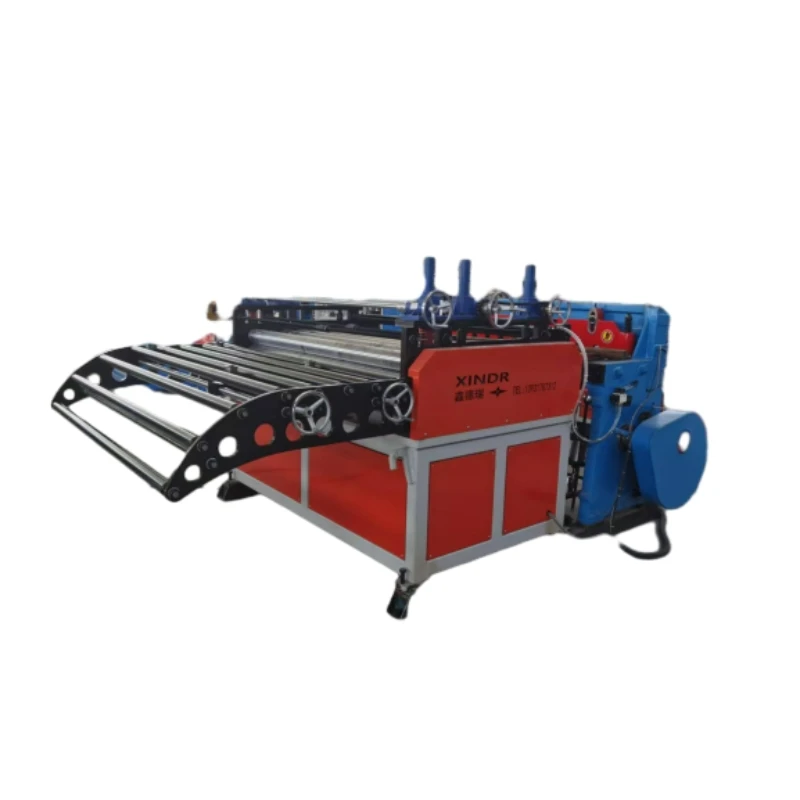 Fully Automatic Kaiping Production LineOct . 17, 2024
 -
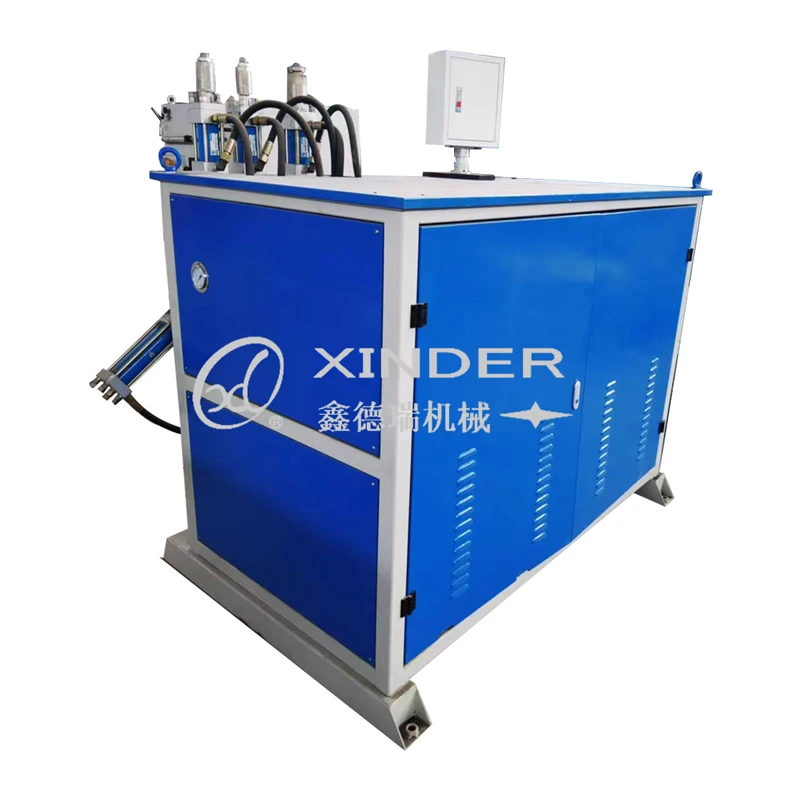 Fully Automatic Metal Bucket Lifting HeadphonesSep . 14, 2024