-
 8613931787312
 -
 Botou Industrial Zone on the east side of National Highway 104, Botou City, Hebei Province


What is a CNC Press Brake Bending Machine? | Global Uses & Benefits Explained
Understanding CNC Press Brake Bending Machines and Their Global Impact
At first glance, a cnc press brake bending machine might sound like just another mechanical tool in a busy workshop. But frankly, it's much more—a cornerstone in modern manufacturing and metal fabrication with ripple effects that reach industries worldwide. Understanding its role and benefits isn't just for engineers or manufacturers; it’s key to grasping how industries improve efficiency, safety, and innovation today.
The Global Context: Why CNC Press Brake Machines Matter
Across the globe, industries face mounting pressure to deliver precision, productivity, and cost-effectiveness. According to the International Organization for Standardization (ISO), automation and precision machinery like CNC press brakes have become critical to meet evolving standards. The World Bank reports manufacturing’s increasing contribution to GDP in emerging economies — all of which rely heavily on metal-forming technologies.
Yet, challenges exist: traditional manual bending is slow, inconsistent, and error-prone, hampering scalability. Enter the CNC press brake bending machine — an automated, computer-controlled powerhouse that combines repeatability with versatility, helping industries overcome these hurdles and innovate on a large scale.
What Is a CNC Press Brake Bending Machine?
In simple terms, a cnc press brake bending machine is a computer numerical control (CNC) powered device that bends sheet metal by pressing it over a die using a ram controlled by precise software commands. Its 'press brake' name comes from the ability to bend ("break") metal with pressing force.
It bridges traditional craftsmanship with digital precision—allowing craftsmen and manufacturers to produce complex bends reliably without tedious manual setups. This is key to industries from automotive to aerospace and even humanitarian manufacturing where precision and speed are lifesavers.
Key Features of CNC Press Brake Bending Machines
1. Precision and Repeatability
Thanks to CNC controls, these machines can achieve bends with micrometer-level accuracy across massive production runs — crucial for quality-controlled environments.
2. Durability and Build Quality
Rugged steel frames, hydraulic or electric drives, and high-end sensors ensure these machines endure heavy use, often running 24/7 in factories.
3. Scalability and Flexibility
From small job shops crafting custom parts to massive automotive lines, the adaptability of toolings and programmable controls allows customization on demand.
4. Cost Efficiency Over Time
While upfront investment can be substantial, the reduced labor, scrap, and setup times make CNC press brakes a financially prudent choice in the medium to long term.
5. User Interface and Automation
Modern machines boast intuitive touchscreens, offline programming, and even AI-assisted bend sequence suggestions, enhancing operational ease.
6. Environmental Considerations
Newer models increasingly integrate energy-saving drives and environmentally friendly fluids—aligning with global sustainability goals.
Product Specifications: A Typical CNC Press Brake Machine
| Specification | Details |
|---|---|
| Bending Length | 2500 mm (98 inches) |
| Max Bending Force | 100 tons |
| Back Gauge Positioning Accuracy | ±0.01 mm |
| Stroke Length | 150 mm |
| Control System | Fanuc i Series CNC |
| Drive Type | Electric Hybrid Hydraulic |
| Number of Axes | 3 axes (X, Y, R) |
| Weight | 7,500 kg |
Mini takeaway: The above specs represent a balanced model suitable for various industries from construction parts to fine aerospace components.
Global Use Cases & Industry Applications
- Automotive Industry: Precision panel production and chassis bending leverage CNC press brakes for consistency and volume.
- Aerospace: Crafting complex, high-tolerance metal shapes where safety margins are critically non-negotiable.
- Shipbuilding & Heavy Machinery: Large-scale frame parts require powerful bending forces that CNC systems ensure repeatedly.
- Humanitarian & Infrastructure Projects: In remote zones, rapidly producing metal supports or shelters hinges on CNC-based fabrication for speed and uniformity.
- Electrical enclosures and consumer electronics: Thin sheet metal bending requires fine control to prevent damage, achieved best by computerized machines.
Oddly enough, these machines even appear in educational settings to introduce apprentices to digital manufacturing, blending craft and technology.
Vendor Comparison: Selecting the Right CNC Press Brake
| Vendor | Machine Model | Bending Capacity | Price Range (USD) | Key Feature |
|---|---|---|---|---|
| Brand A | FlexiPress 100 | 100 tons / 2500 mm | 75,000 – 90,000 | AI-assisted bending sequences |
| Brand B | HydroSmart 80 | 80 tons / 2000 mm | 60,000 – 70,000 | Energy-efficient hydraulic system |
| Brand C | EcoBend 120E | 120 tons / 3000 mm | 85,000 – 100,000 | Fully electric drive, low maintenance |
Mini takeaway: Prioritize vendor features that align with your production scale, energy goals, and technological appetite.
Long-Term Advantages of CNC Press Brake Machines
The benefits are tangible. Firstly, cost savings through minimized scrap and faster production runs stack up quickly. Then, there’s the quality assurance—consistent bends reduce downstream rework, building trust with clients. Socially, these machines improve worker safety by removing manual labor hazards. On an emotional note, knowing you’re using technology that supports high standards and sustainability can inspire corporate pride.
Future Trends: Innovation on the Horizon
- Green Automation: Emphasis on electric press brakes powered by renewable energy sources to cut carbon footprints.
- Digital Twins and IoT Integration: Real-time monitoring, predictive maintenance, and remote troubleshooting ensure uptime and precision.
- Advanced Materials: Machines adapting to bend composites and new alloys become increasingly relevant.
- AI and Machine Learning: Smarter bend sequencing and automatic error detection speed up production cycles.
Challenges and How to Overcome Them
For all the progress, not everything is straightforward. CNC press brakes involve significant upfront costs and require trained operators—improper setup can cause costly errors. Moreover, adapting for very thick or complex materials sometimes pushes limits.
Experts recommend investing in operator training programs and modular tooling options that offer flexibility. Plus, partnering with vendors offering strong support and upgrades helps future-proof your investment.
FAQ: Common Questions About CNC Press Brake Bending Machines
- What is the typical lifespan of a CNC press brake machine?
- With proper maintenance and upgrades, these machines often last 15–20 years or more. Regular servicing and software updates ensure they perform consistently.
- Can CNC press brakes handle customized bending requirements?
- Absolutely. Their programmable controls allow for diverse bending angles and sequences, making customization efficient and repeatable.
- Are electric press brakes more energy-efficient than hydraulic ones?
- Yes, fully electric models reduce energy consumption significantly and require less maintenance, aligning well with sustainability goals.
- How can small manufacturers justify investing in CNC press brakes?
- Even small shops benefit from improved precision, faster cycle times, and reduced errors, which enhance competitiveness and client satisfaction.
- Is operator training necessary to run CNC press brakes?
- Definitely. Skilled operators maximize the machine's potential, prevent damage, and improve safety in the workplace.
Conclusion & Next Steps
So, the cnc press brake bending machine is far from just a mechanical press; it’s a vital tool that pushes industries into the future — with precision, efficiency, and sustainability at its core. Whether you’re in automotive manufacturing, infrastructure development, or even humanitarian construction efforts, these machines offer tangible and lasting benefits.
If you’re considering upgrading or investing in one, take some time to explore the options, assess your needs, and leverage expert insights—you might find it’s the best move to expand quality and capacity.
For more on how to select or optimize your press brake equipment, do visit cnc press brake bending machine. The right machine is out there waiting to transform your production.
A quick takeaway: Modern CNC press brake bending machines bridge craftsmanship and modern tech — a balance that can reshape manufacturing landscapes worldwide.
References
-
Guide to Spartan Steel Bending Machine Price and Cost FactorsNewsApr.16,2026
-
Analyzing the Spartan Bending Machine Price and Buyer GuideNewsApr.09,2026
-
Understanding Small Bending Machine Price and Choosing the Right OptionNewsApr.07,2026
-
Comprehensive Guide to Sheet Metal Bending Machine Price and SelectionNewsApr.04,2026
-
Comprehensive Guide to Roofing Sheet Bending Machine Price and SelectionNewsMar.31,2026
-
Comprehensive Guide to Profile Bending Machine Price and SelectionNewsMar.28,2026
-
Comprehensive Guide to Press Bending Machine Price and Purchasing ConsiderationsNewsMar.26,2026
-
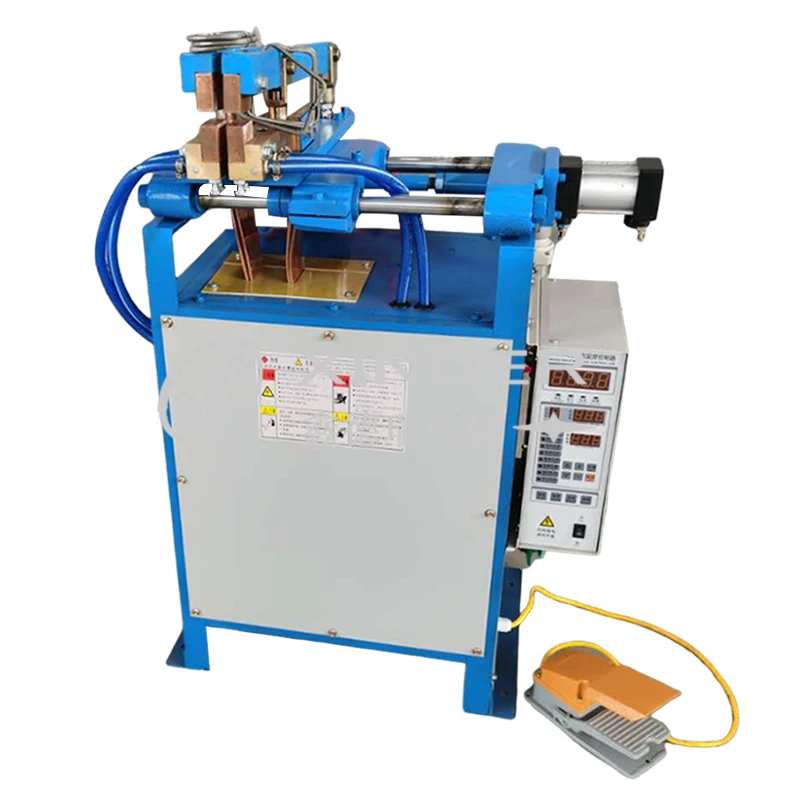 Pneumatic Handle Welding MachineSep . 13, 2024
 -
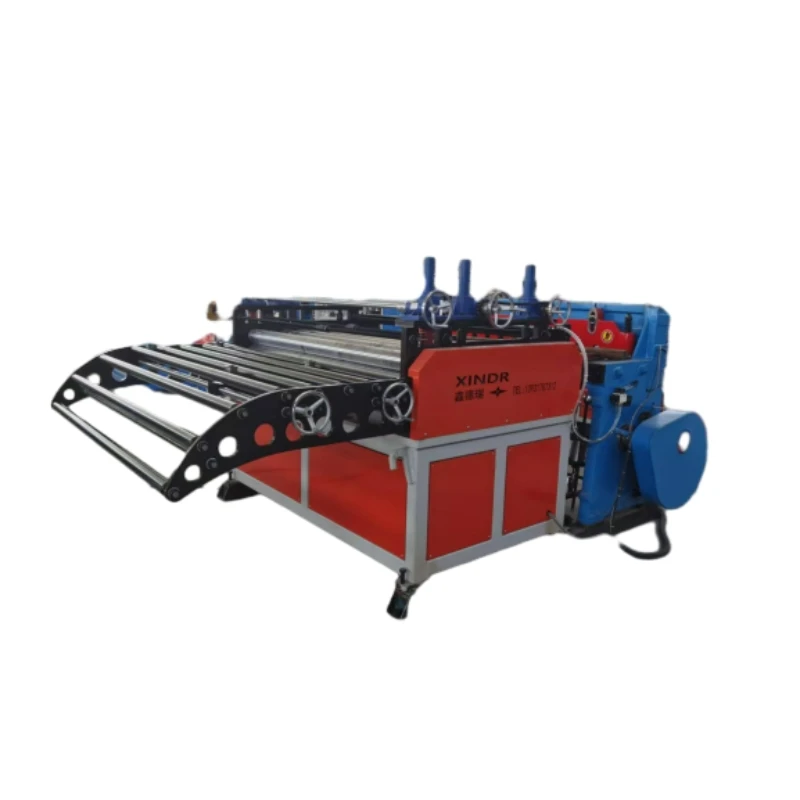 Fully Automatic Kaiping Production LineOct . 17, 2024
 -
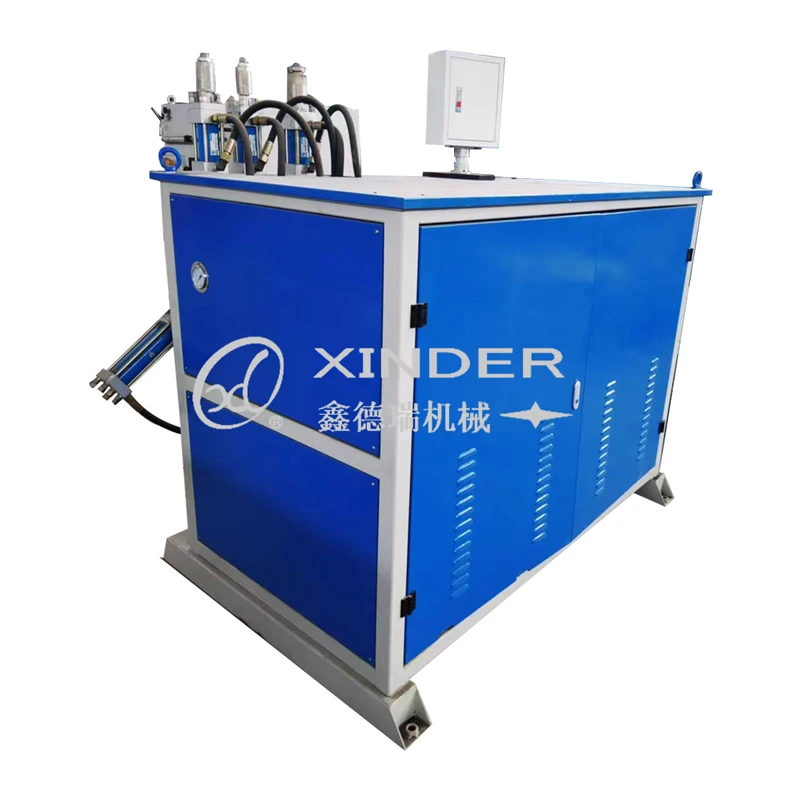 Fully Automatic Metal Bucket Lifting HeadphonesSep . 14, 2024